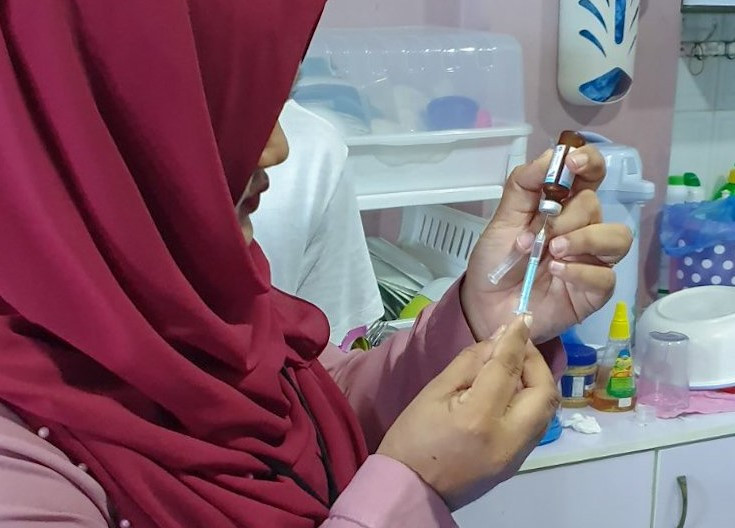
India rushes tons of medical aid to help crush Maldives measles outbreak
11 ޖޫން 2026 | ބުރާސްފަތި 19:19India has delivered 20,000 measles vaccines and three tonnes of medical supplies to the Maldives to combat a rising outbreak of the virus. This emergency aid, provided under India’s Neighborhood First policy, supports local immunization efforts as health authorities report 15 confirmed cases. While the Health Protection Agency has launched ring vaccination and contact tracing, officials face public pressure for more frequent data updates to manage the highly contagious airborne disease.

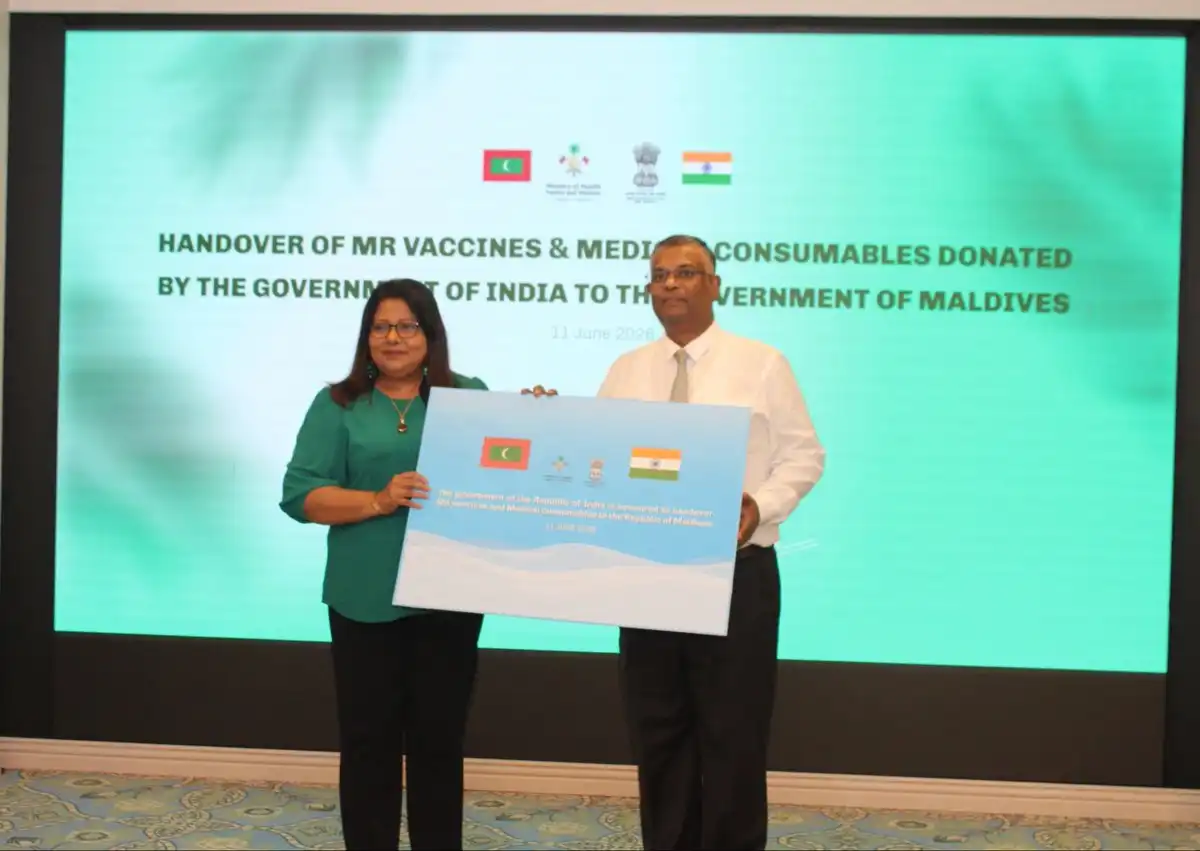
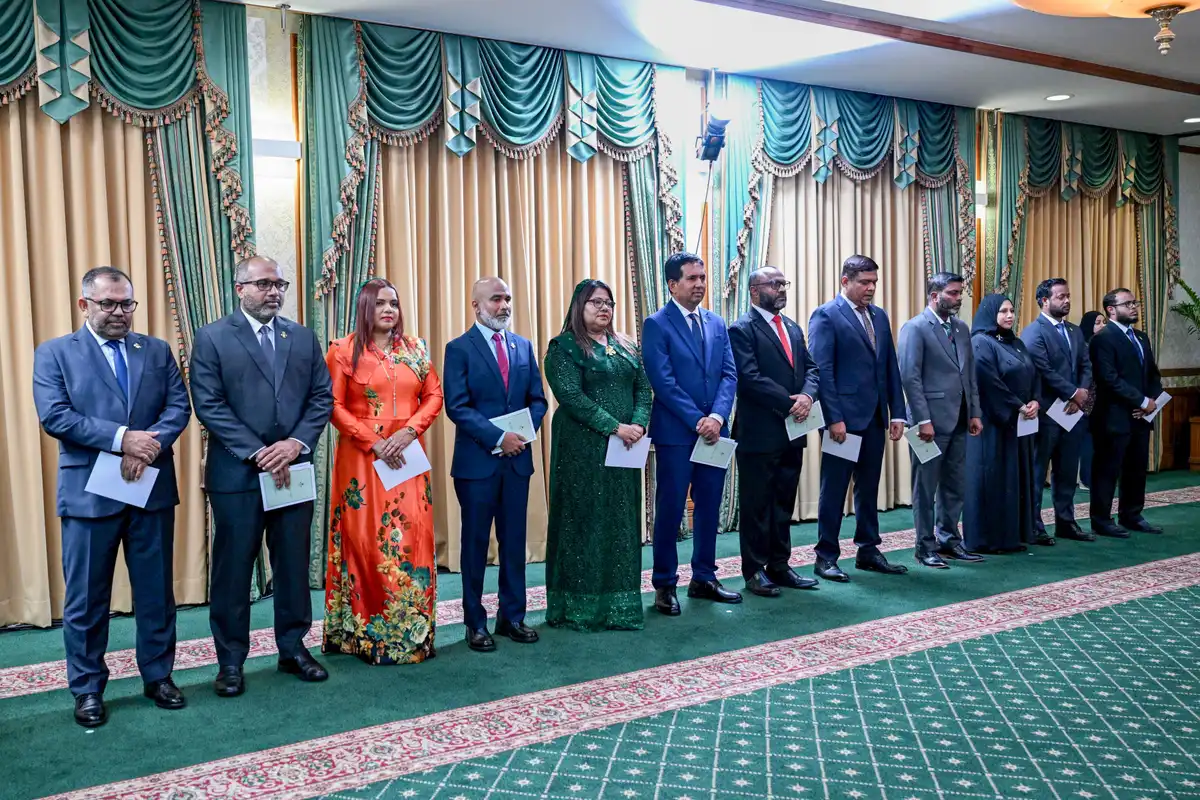
As part of the ceremony held to hand over 20,000 doses of measles vaccine and essential medical supplies from the government of India, to the government of Maldives. | High Commission of India in Maldives
The government of neighboring India has dispatched a critical consignment of medical aid to the Maldives in a swift response to rising health concerns.
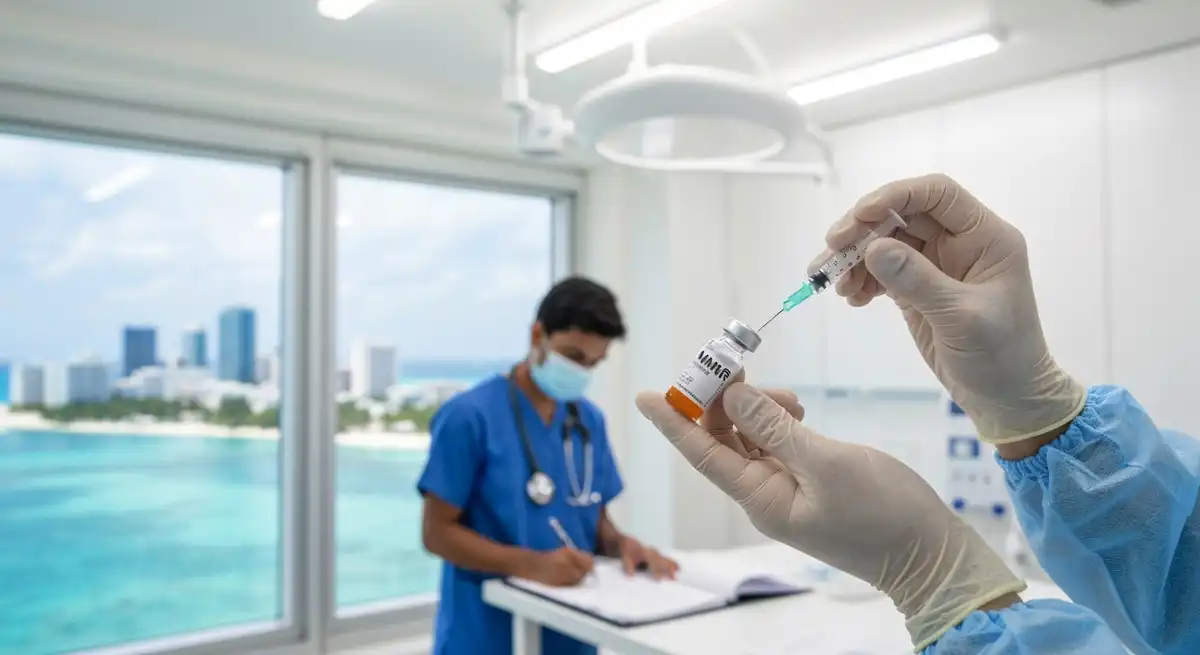
The consignment dispatched on Thursday, included 20,000 doses of measles vaccines and approximately three tonnes of essential medical supplies.
The emergency assistance comes as the Maldives grapples with an increasing number of measles cases.
The Ministry of External Affairs of India highlighted that the donation is aimed at bolstering the island nation’s immunization coverage and reinforcing the Maldivian government’s public health response efforts.
The official ceremony to mark the arrival and handover of the medical supplies was held on 11 June 2026.
Minister of Health, Family and Welfare Geela Ali attended the ceremony alongside officials from the High Commission of India.
In a statement shared on social media platform ‘X’, the High Commission of India in the Maldives reaffirmed the government’s enduring commitment to its neighbor.
The statement read that India’s steadfast support to the people of Maldives continues, and that the first tranche including 20,000 doses of measles vaccine and essential medical supplies has been handed over to Minister Geela, reaffirming India’s role as first responder.
This timely delivery highlights the robust bilateral ties between the two India ocean nations.
India’s External Affairs Ministry noted that the gesture underscores the strategic and humanitarian importance the neighbor holds.
The MEA went on to emphasize that the Maldives occupies a special place within India’s overarching foreign policy frameworks including the ‘Neighborhood First’ policy that allows them to prioritize immediate neighbors in terms of developmental assistance, trade and humanitarians relief, as well as the ‘Vision Mahasagar’; India’s collaborative security and growth initiative for seafaring nations in the Indian Ocean Region.
The MEA revealed that India as a trusted first responder, remains committed to working closely with the government of Maldives in advancing shared priorities and for the mutual benefit of the people of the two countries.
This latest medical dispatch is part of a long-standing pattern of bilateral cooperation, where India has consistently been among the first nations to provide aid to the Maldives during public health emergencies and natural disasters.
Local health authorities are expected to begin the immediate distribution of the vaccines to targeted areas to curb the further spread of the virus.
This comes at a time public concern has been mounting following a rise in measles cases, with the total count having reached 15 infections by Tuesday. This figure includes four newly detected cases from the past week and two individuals who contract the disease while abroad.
In response to the growing threat of an outbreak, the Health Protection Agency (HPA) is conducting risk assessments and contact tracing to identify those exposed.
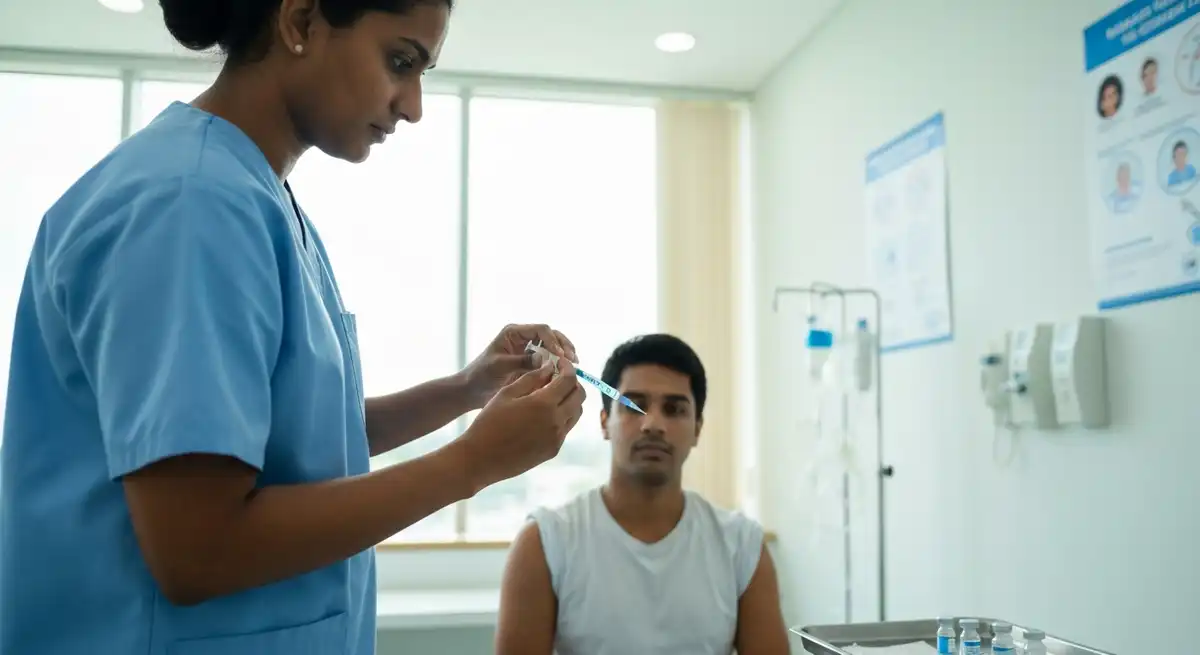
The agency has also launched "ring vaccination" efforts, targeting unvaccinated individuals and residents living in immediate areas where cases have been identified, while actively investigating other suspected infections.
The situation has sparked a debate over public communication, with many citizens calling for daily updates to ensure timely and effective preventative measures.
However, public health authorities are currently sticking to a policy of less frequent data sharing.
Following an inquiry on RaajjeTV's "Fashaairu" program, HPA announced it will only release situational updates and statistics on a weekly basis, specifically every Tuesday.
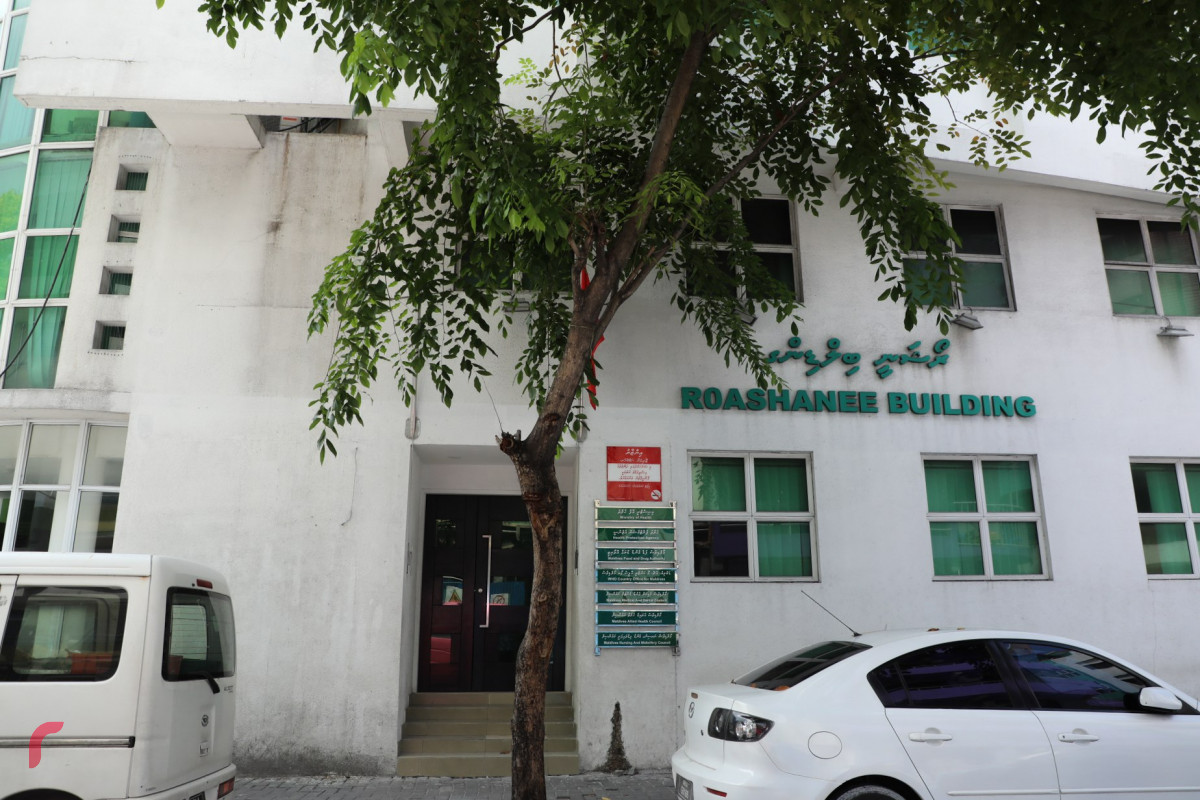
When pressed for further details regarding transmission rates and the decision against daily updates, the Ministry of Health declined to comment and redirected all inquiries back to HPA, emphasizing that the agency holds sole responsibility for monitoring the situation.
Understanding the nature of the disease highlights why public anxiety remains high. Measles is a highly contagious, airborne virus that spreads rapidly through coughing and sneezing. Its hallmark symptom is a distinct rash that typically emerges first on the face and neck before moving down to the chest, back, arms and legs.
Compounding the risk of transmission is the virus's timeline, as an infected person can unknowingly spread measles to others from four days before the rash even appears until four days after it becomes visible.