Seven measles cases and 74 contacts identified so far this year
21 މެއި 2026 | ބުރާސްފަތި 10:57The Health Protection Agency (HPA) has urged the public to seek immediate medical attention if they experience fever and rashes, following the detection of seven measles cases in the Maldives so far this year. Emphasizing the importance of completing vaccinations to prevent the disease, the agency is currently conducting contact tracing and administering vaccines to curb further spread. As measles is a highly contagious airborne disease that can be life-threatening, the HPA also advises the public to wear masks when visiting hospitals and healthcare facilities.

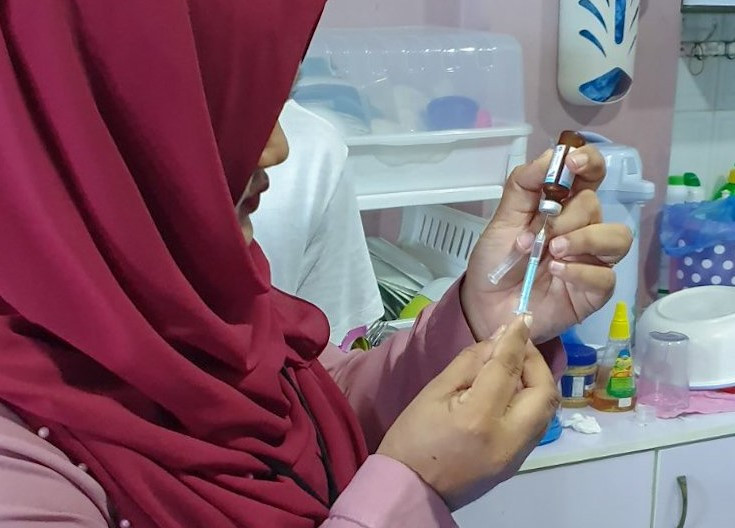
A healthcare worker preparing to administer a shot. | Health Protection Agency
The Health Protection Agency (HPA) has announced that seven cases of measles have been detected so far this year, with 74 contacts identified in connection with these cases.
The Health Protection Agency (HPA) has announced that seven positive cases of measles have been reported so far this year. Additionally, more than 74 contacts associated with these cases have been identified.
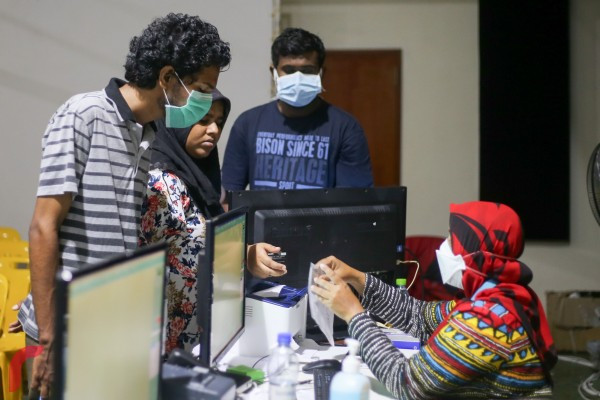
The Health Protection Agency (HPA) has urged the public to seek immediate medical attention if they experience a fever accompanied by red rashes. Additionally, the agency advised individuals to wear masks when visiting hospitals.
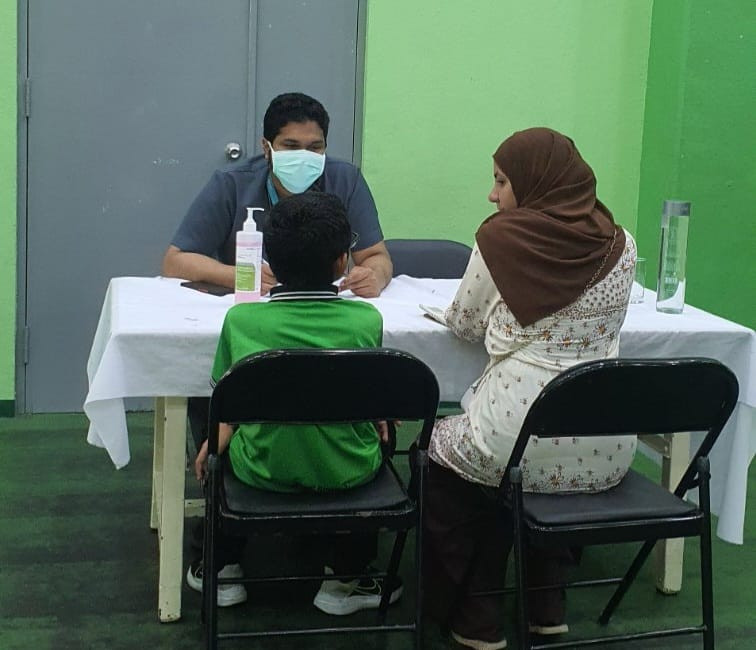
In accordance with standard protocols following the detection of a measles case, authorities are currently conducting a case investigation to determine the source of infection, identifying close contacts, and administering vaccinations to those exposed.
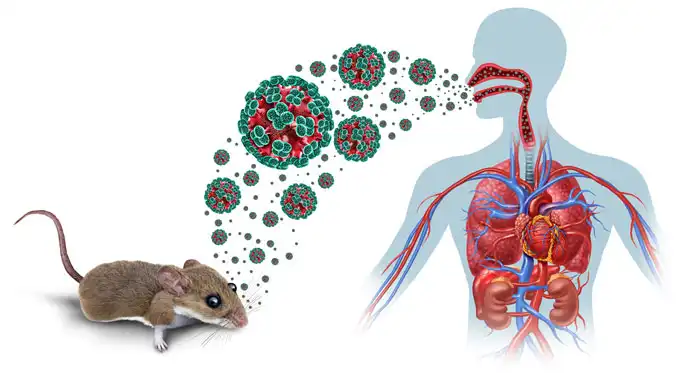
Measles is a highly contagious viral infection that primarily affects the respiratory system. The virus spreads easily through the air when an infected person breathes, coughs, or sneezes. Furthermore, viral particles can remain suspended in the air and remain infectious for up to two hours in a room previously occupied by an infected individual.
While this is a severe illness, it is preventable if the necessary precautionary measures are taken. However, the disease still carries the risk of causing life-threatening health complications.
Symptoms typically begin to appear within 7 to 14 days of exposure to the virus. These symptoms generally manifest in two distinct stages.
Initial symptoms include a high fever, persistent cough, runny nose, and red, watery eyes. Additionally, small white spots, known as Koplik spots, may develop inside the mouth.
Within a few days of contracting the illness, red rashes begin to appear on the body. These spots typically emerge first on the face and around the ears. Subsequently, the rash spreads across the entire body.
While most people recover from this disease, it can lead to severe health complications in certain cases. The risk is particularly high for children under the age of five, pregnant women, and individuals with weakened immune systems due to underlying medical conditions. Common complications include ear infections and diarrhea. However, more severe cases can lead to life-threatening conditions such as pneumonia and encephalitis (inflammation of the brain).
There is no specific treatment or medication for the measles virus. Medical care primarily focuses on alleviating symptoms and ensuring the patient receives adequate rest. The most effective way to prevent the disease is through the MMR (Measles, Mumps, and Rubella) vaccine. This is a safe, proven, and highly effective vaccine that provides robust protection against the virus.