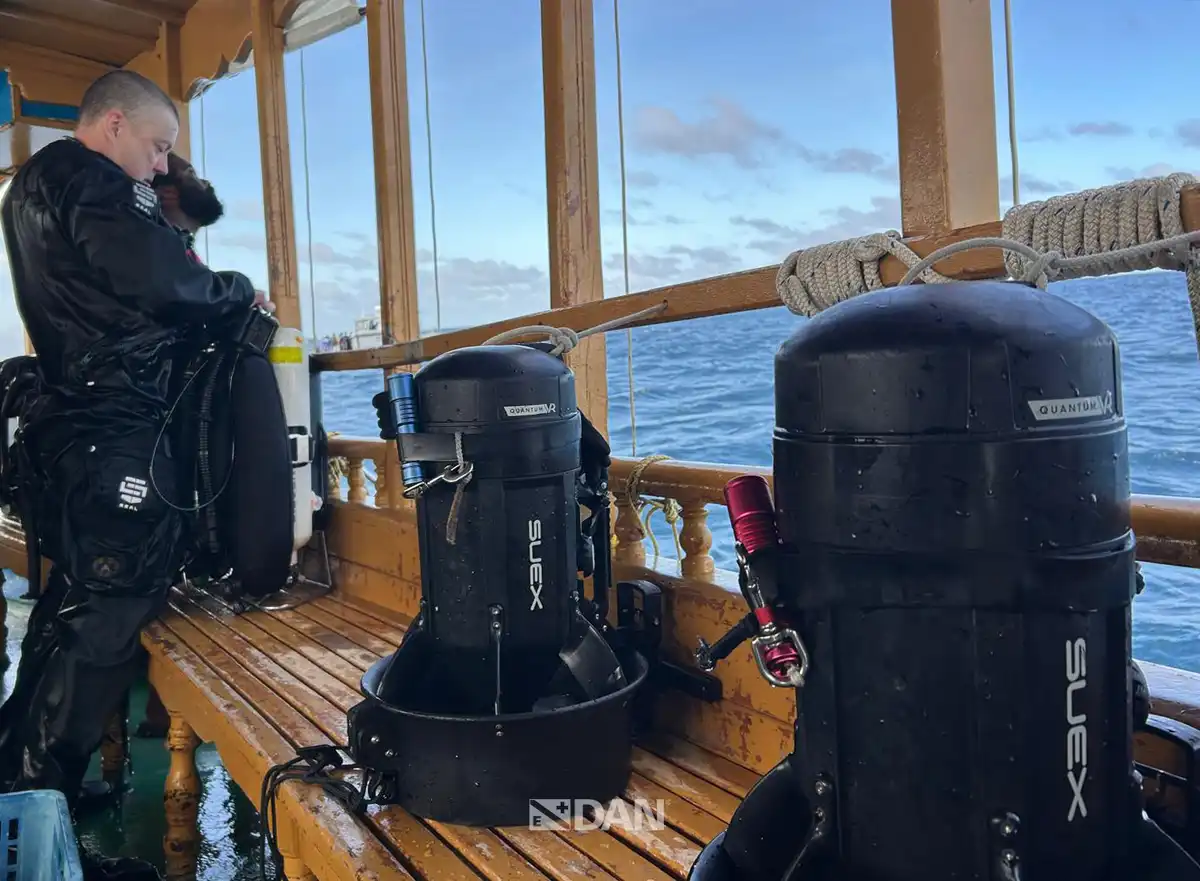
Mortician reveals shocking details of divers’ bodies after a week underwater
28 މެއި 2026 | ބުރާސްފަތި 13:22Experts suggest that the deaths of Italian tourists in an underwater cave in Vaavu Atoll may have resulted from human error or negligence. Following the repatriation of the remains to Italy, a forensic specialist provided insights into the decomposition process of bodies underwater. Authorities are currently analyzing footage from a GoPro camera recovered at the scene to determine the exact circumstances surrounding the tragedy.
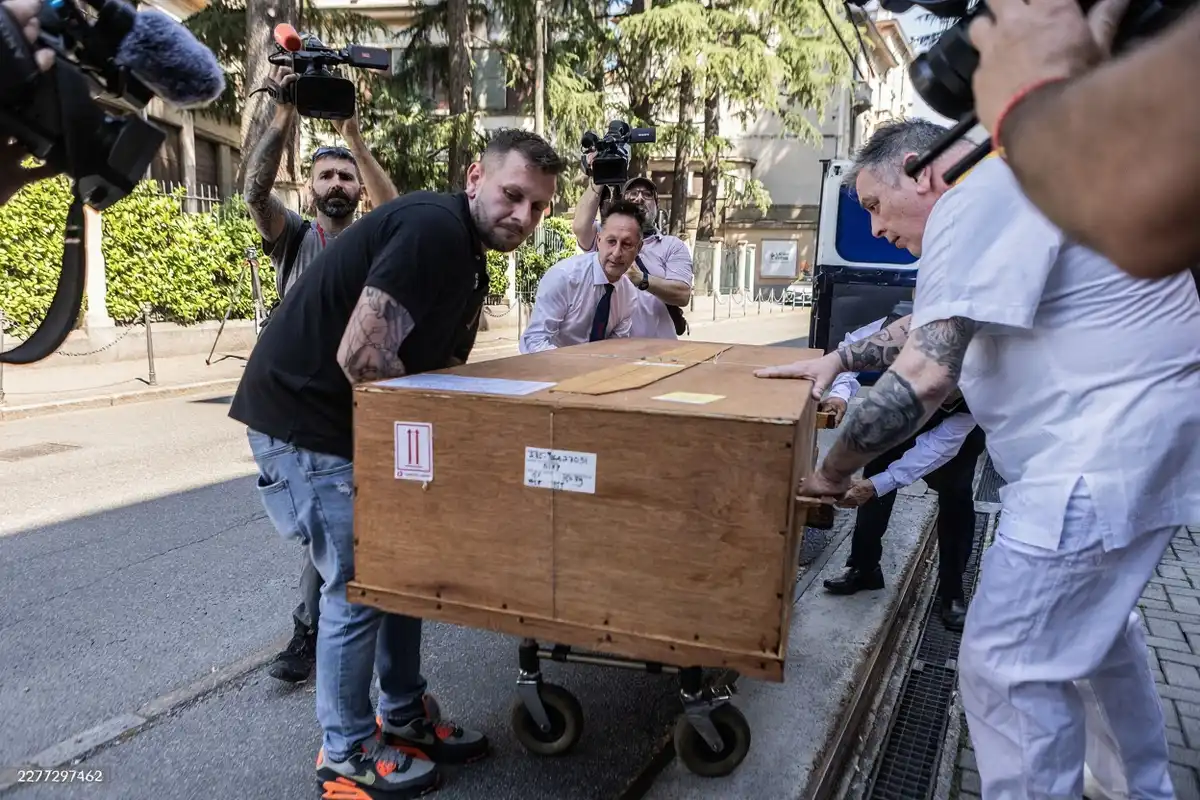
The bodies of four tourists who died in a diving accident in the Maldives have been repatriated to Italy. After arriving at Milan Malpensa Airport, the remains are being transported to the mortuary at the Sant'Antonio Abate Hospital in Gallarate. | getty images
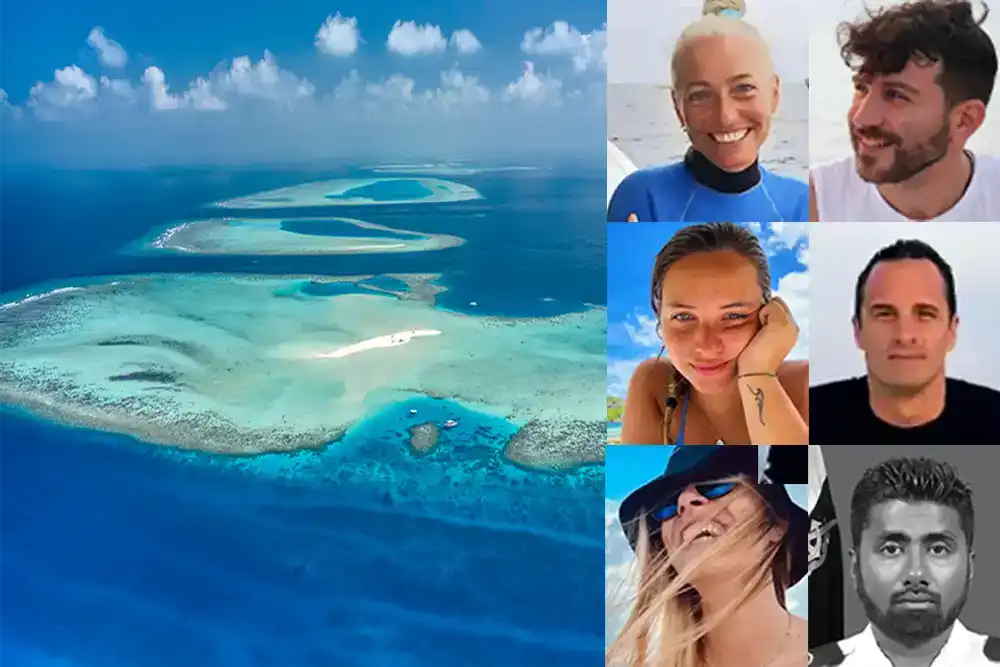
Four Italian tourists and their diving instructor failed to resurface after diving into an underwater cave in Vaavu Atoll on May 14 to conduct a marine research study.
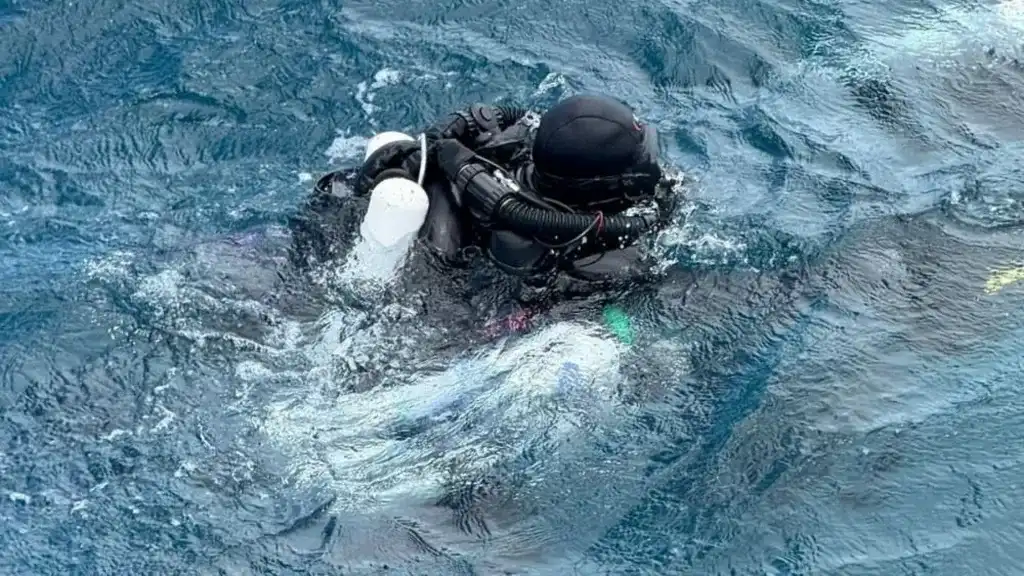
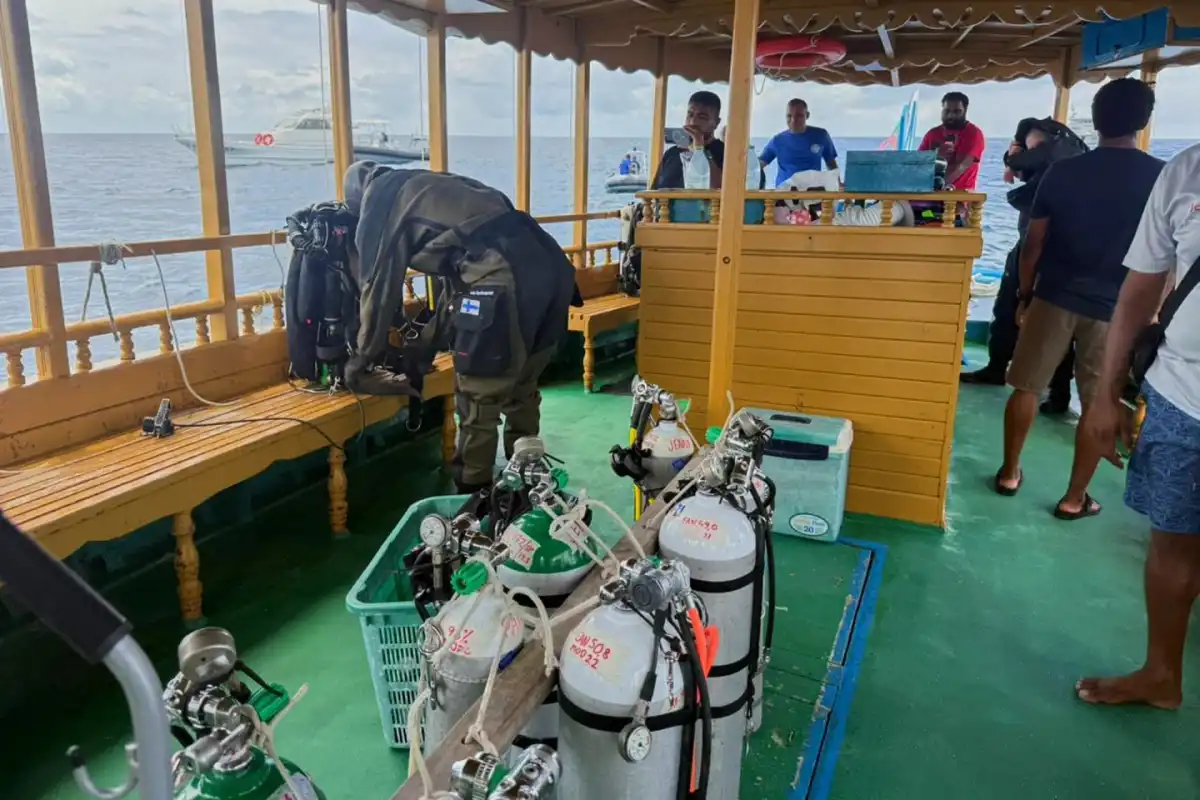
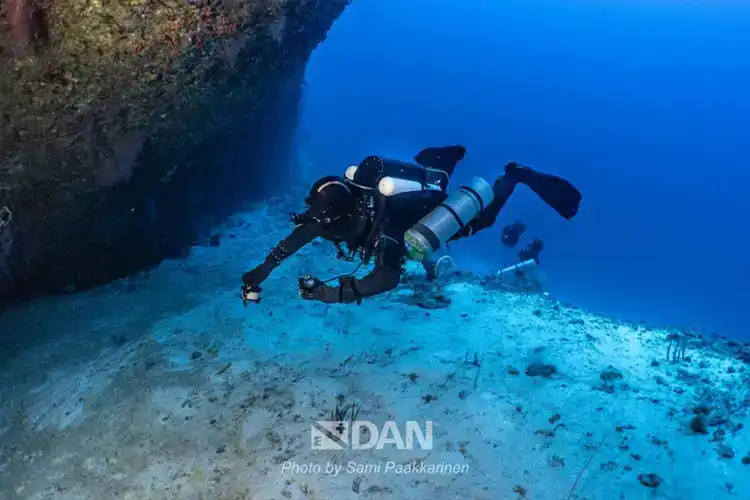
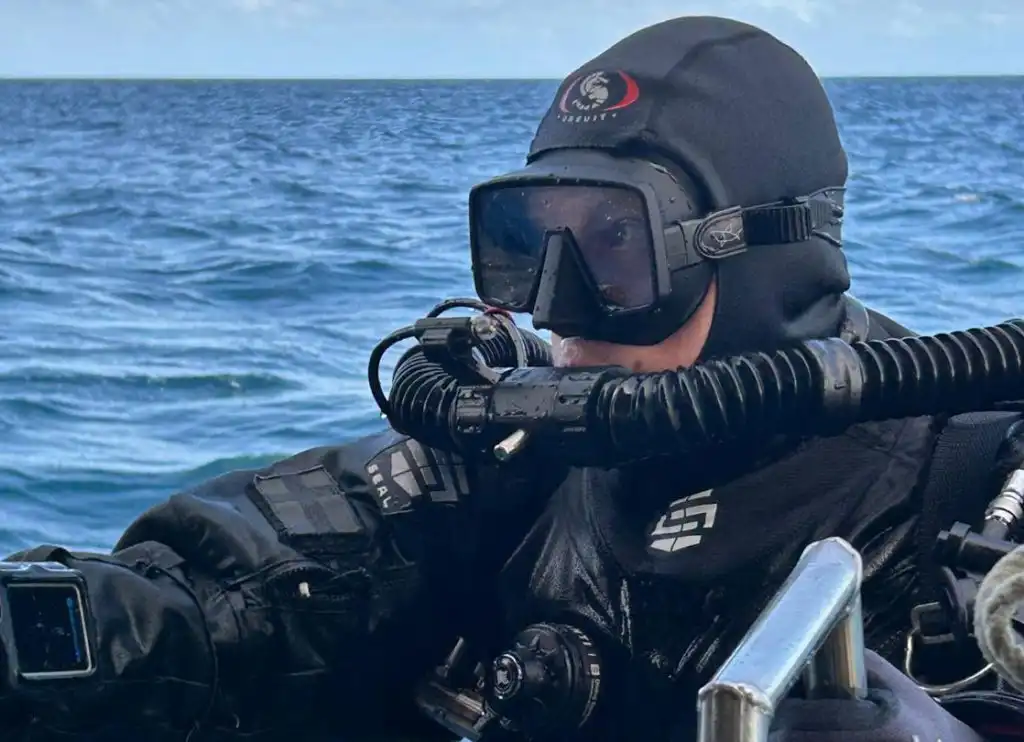
Although a search and rescue operation was launched immediately following the incident, the mission was transitioned into a recovery effort after several hours passed without success. To assist in these efforts, three expert Finnish divers—Sami Paakkarinen, Patrik Grönqvist, and Jenny Westerlund—were brought in. They successfully recovered the tourists' bodies from the seabed between May 18 and 19. The remains were subsequently repatriated to Italy on Saturday, May 23.
While authorities in Italy have decided to conduct autopsies before releasing the victims' bodies to their families, popular YouTube mortician Lauren Frost has shared extraordinary insights regarding the remains. Frost is a licensed funeral director and embalmer who operates a YouTube channel with over 593,000 subscribers.
In a video released on Tuesday, May 26, regarding the diving incident in the Maldives, Lauren explained that a body remaining underwater for a week is an extensive period. She noted that in warm tropical waters like those in the Maldives, the decomposition process remains continuous, though she highlighted that the nature of this process would undergo various stages of change.
He further explained that while many people imagine bodies drifting underwater as often depicted in films, the reality is quite different. He noted that in the initial stages, most bodies tend to sink, particularly since equipment used by divers—such as heavy oxygen cylinders, weight systems, and wetsuits—is specifically designed to counteract buoyancy and keep the body submerged in saltwater.
However, Lauren explained that as a body begins to decompose, bacteria naturally produce gases. Over time, these gases cause physiological changes that can lead to the body rising or floating to the surface.
Lauren stated that the remains discovered in the "Shark Cave"—a submarine cavern located 165 feet deep in the Thinadhoo sea—likely remained submerged for a significantly longer duration than generally assumed. Consequently, he expressed skepticism regarding reports suggesting that one of the deceased was found positioned against the ceiling of the cave.
However, he shared several scientific reasons why such an occurrence might take place. He explained that factors such as an individual's physical composition, the amount of air trapped within diving equipment, and prevailing ocean currents can all influence whether a body sinks or floats to the surface.
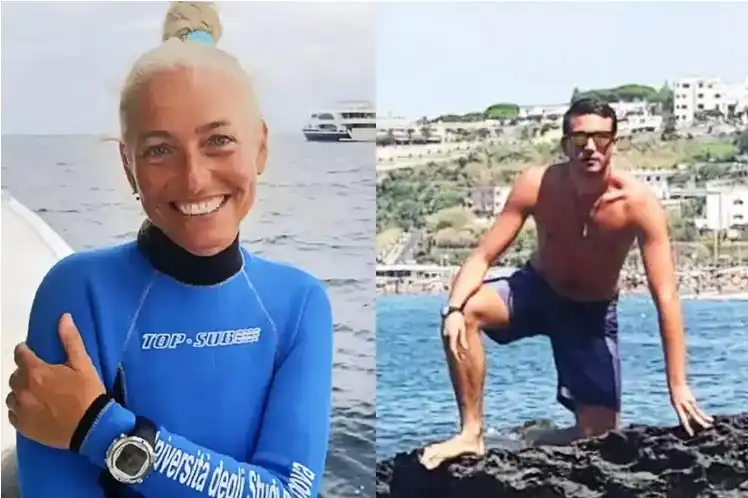
While recreational diving in the Maldives is generally restricted to a depth of 30 meters (98 feet), the victims of this incident—Monica Montefalcone, Giorgia Somacal, Muriel Odenino, Federico Gualtieri, and Gianluca Benedetti—had obtained special authorization to dive to a depth of 50 meters (164 feet).
Speaking to the newspaper La Repubblica regarding the incident, Sami Parkkinen stated that upon discovering the bodies, they immediately realized the tragedy was the result of "human error."
He questioned why they entered the cave without using an "Ariadne’s thread" or guide rope, which is essential for navigation during cave dives. He stated that he and his team would never venture into such a dangerous environment without such a safety measure. While Parkkarinen did not elaborate extensively, he noted that the group failed to use appropriate cave diving equipment, highlighting what he described as a clear act of negligence.
"Regrettably, the primary cause of most cave diving accidents is consistently attributed to human error," he said.
Among the items recovered from the seabed was a GoPro camera, which officials hope will provide clear insights into the circumstances surrounding the incident.
Carlo Somacal, the brother of the deceased, described Monica as one of the world's finest divers. He noted that she had completed more than 5,000 dives throughout her career. He further emphasized that she was always meticulous and never acted recklessly.
"I am not an expert in this field. However, based on the available evidence and reports, even the experts do not have a definitive answer yet; they are currently only speculating," Carlo said in a WhatsApp message to Reuters. He added that he hopes the GoPro footage will clarify exactly what happened during the incident.