Italian authorities seize diving equipment used by deceased divers
22 މެއި 2026 | ހުކުރު 22:07Italian authorities have seized the electronic equipment of five Italian divers who died while exploring a cave in Vaavu Atoll as part of an ongoing investigation into the tragedy. Experts suggest the incident occurred after the group entered a deep section of the cave without adequate equipment and became trapped after losing their way. Italian prosecutors are now conducting a comprehensive investigation to determine if any negligence contributed to the fatal accident.
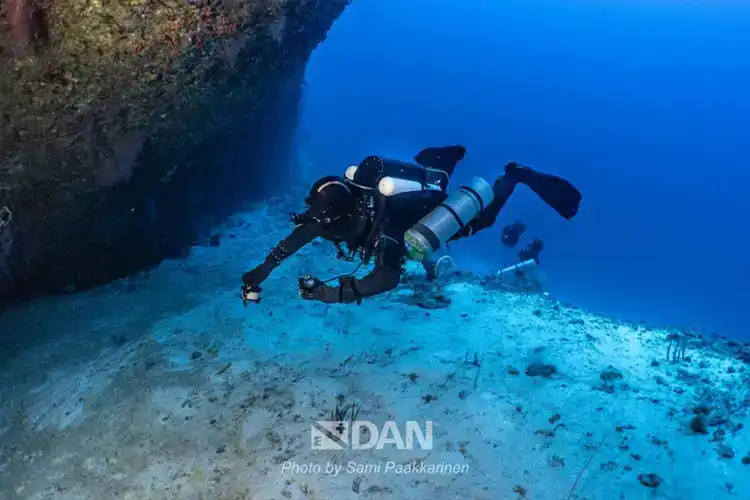
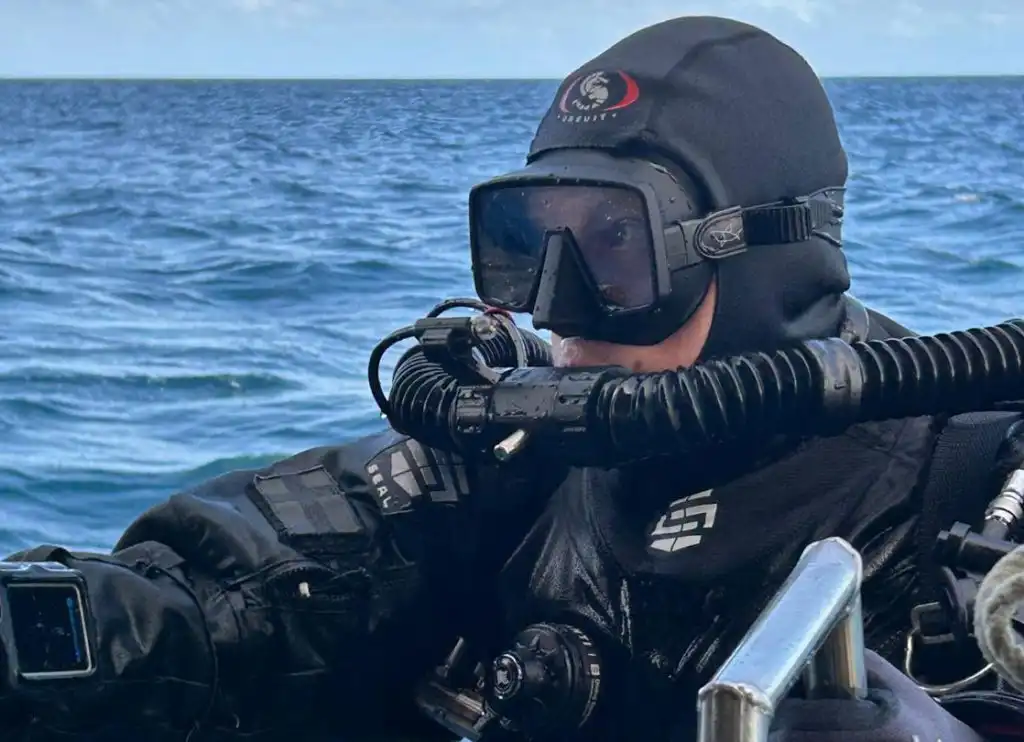
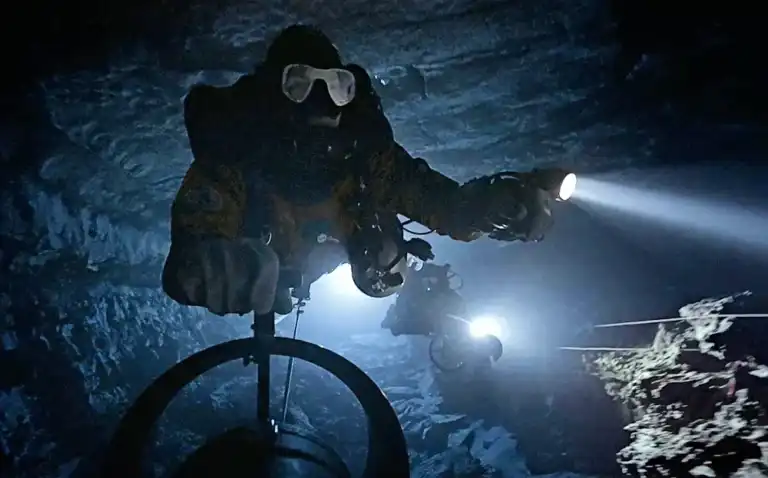
A photograph showing a member of the recovery team entering the mouth of the cave during the operation to retrieve the bodies of those trapped inside. | Sami Paakkarinen
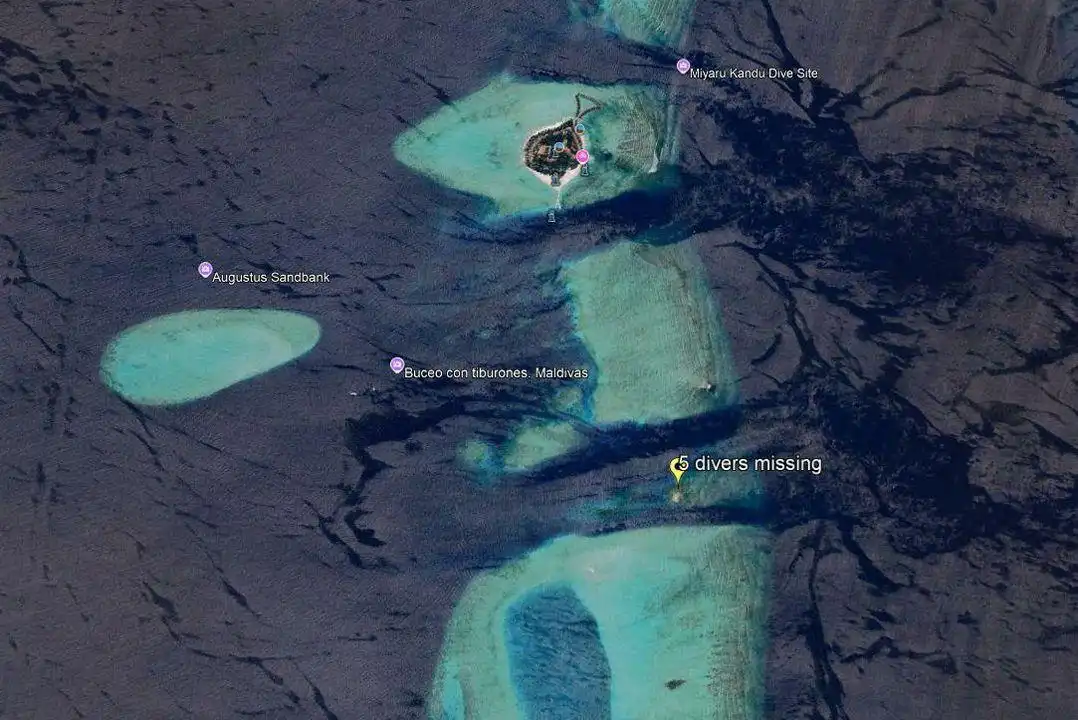
Italian investigative authorities have seized electronic equipment and personal belongings of the five Italian divers who tragically died on May 14 while exploring the renowned "Devana Kandu" cave in Vaavu Atoll. At the same time, new details regarding the cause of the incident are beginning to emerge. These insights follow interviews with the Finnish cave rescue team responsible for recovering the bodies, as well as expert testimony provided by Maldivian diving professionals.
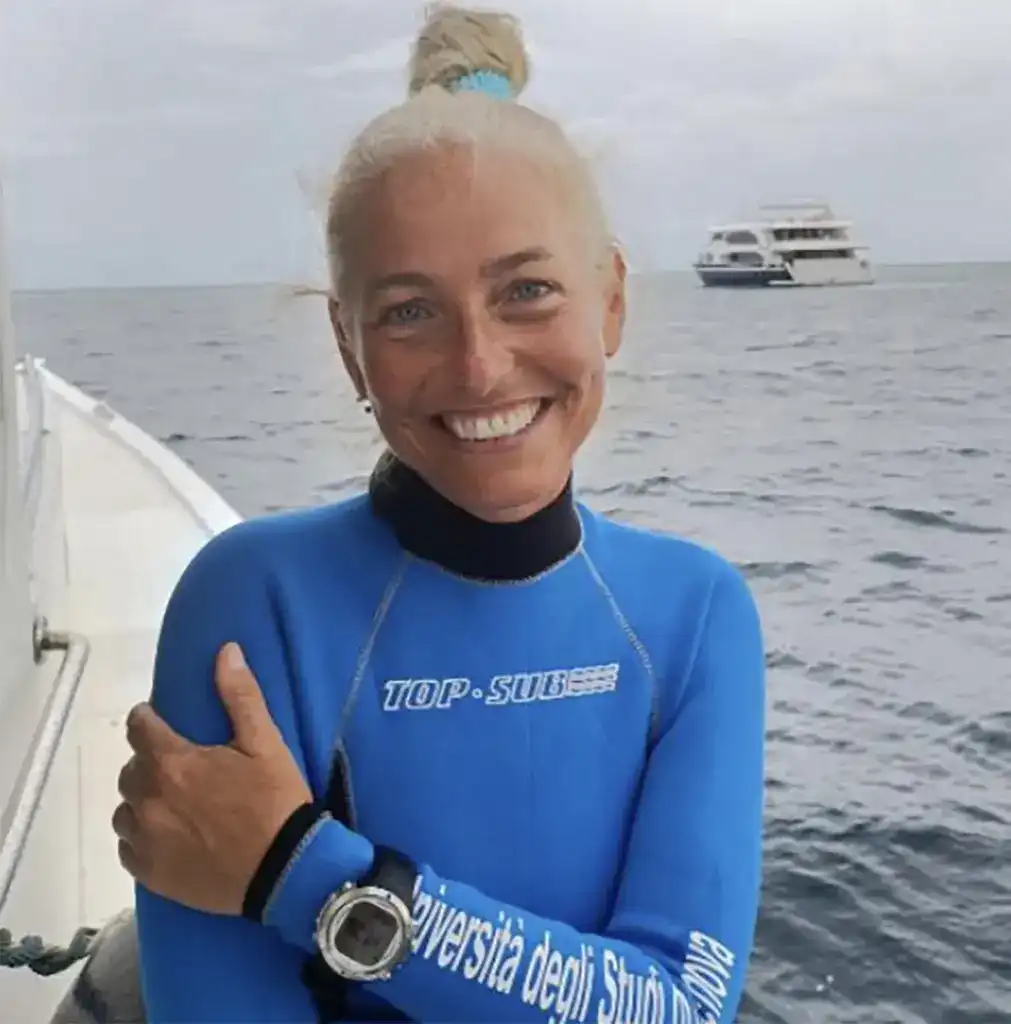
In an expansion of the culpable homicide investigation launched by Rome prosecutors, the Genoa Flying Squad has seized mobile phones, computers, tablets, USB drives, and hard drives belonging to the deceased. According to the Italian newspaper *Corriere della Sera*, these items were brought back to Italy by Stefano Vanin, an associate professor at the University of Genoa. Vanin had been traveling aboard the "Duke of York" safari vessel alongside Monica Montefalcone, an ecology professor from the same university who perished in the incident.
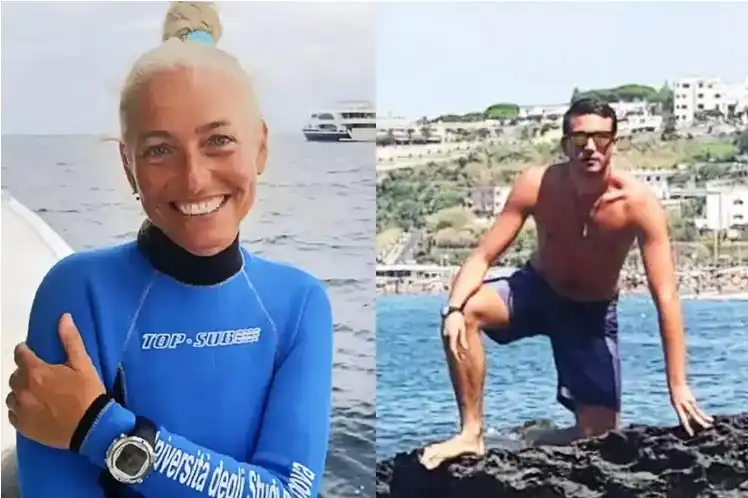
The individuals reported missing during a diving excursion on May 14 include Giorgia Somacal, daughter of Monica Montefalcone; researcher Muriel Odenino; research assistant Federico Gualtieri; and diving instructor Gianluca Benedetti.
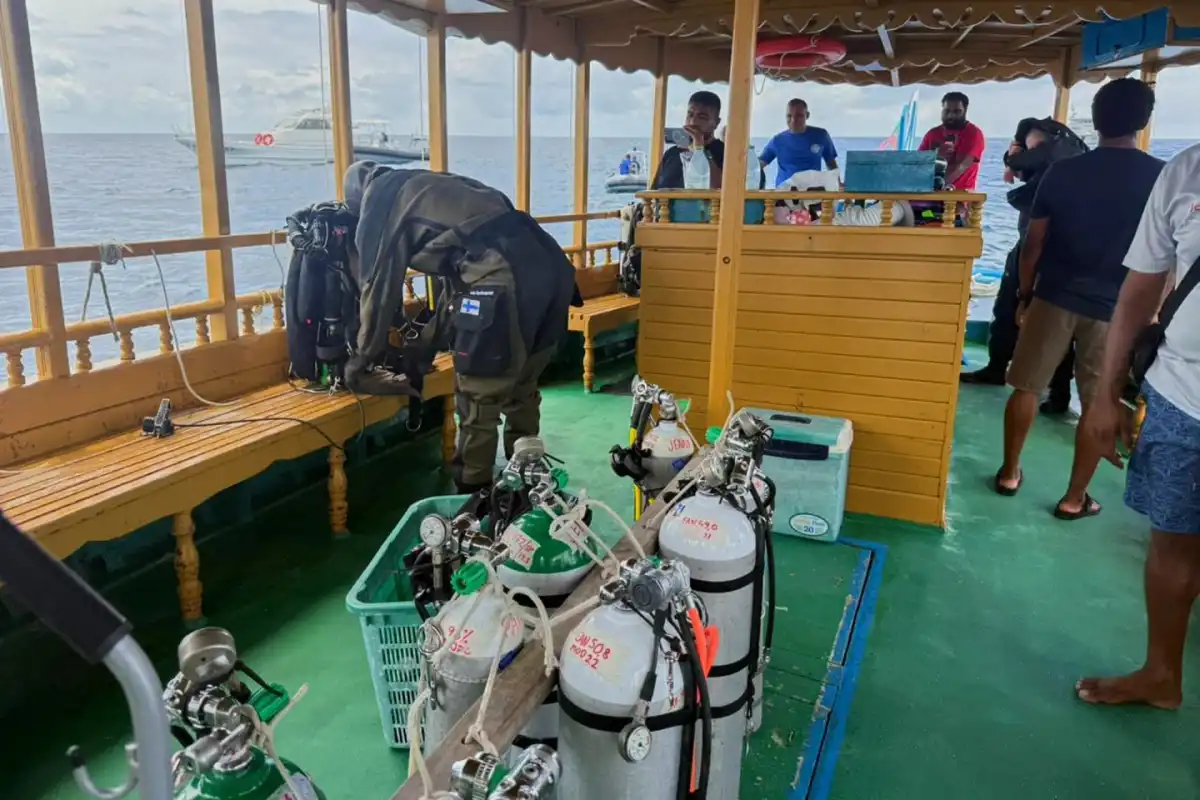
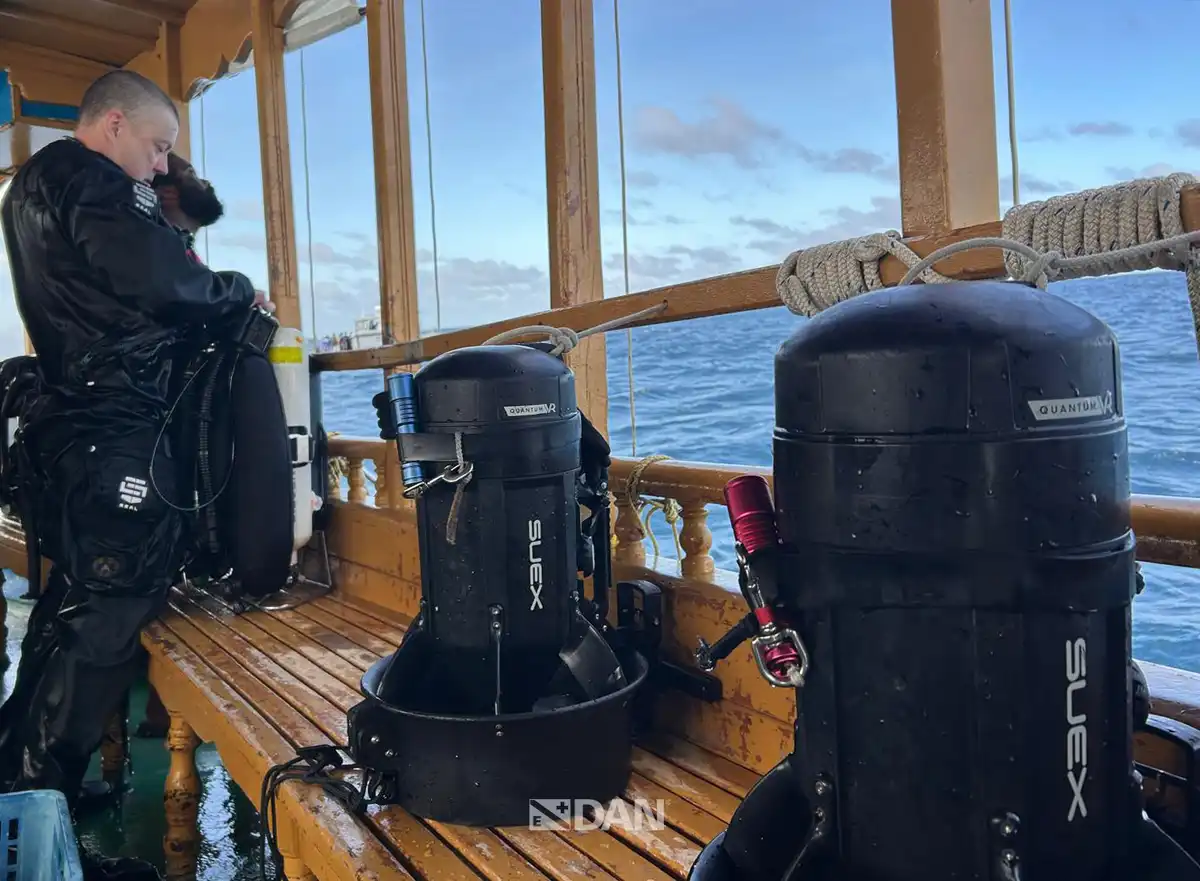
During the initial search efforts for the missing divers, MNDF rescue diver Staff Sergeant Mohamed Mahudhee tragically lost his life. While Benedetti's body was recovered on the day of the incident, the remains of the other four individuals were located on May 18. These bodies were recovered by Finnish cave specialists Sami Paakkarinen, Patrik Grönqvist, and Jenny Westerlund, who were dispatched by DAN Europe. Furthermore, Italian authorities have requested permission to examine GoPro cameras, dive computers, and other equipment recovered alongside the victims' bodies. These items are currently held in Malé under the custody of investigative agencies.
With the aid of these devices, it is possible to retrieve data regarding the depth of the dive, the duration spent underwater, and the amount of gas consumed, as well as potential video footage of the incident as it unfolded. This information is expected to settle the ongoing debate over whether the divers entered the cave voluntarily or were pulled in by a powerful current.
According to information from the Finnish rescue team and Italian media, it is highly probable that the divers entered the cave intentionally and became trapped after inadvertently turning into a dead-end passage while attempting to exit. Sami Paakkarinen noted that it was unlikely the pair had entered the cave by mistake. He pointed out that in Maldivian waters, sunlight can penetrate to depths of 100 meters. Given that there would still be natural light at 60 meters, he argued that the sudden darkness upon entering a cave would have made it impossible to enter accidentally without realizing it.
Another theory surrounding the incident suggests that the divers were pulled into the cave by a current created by the "Venturi effect." The Venturi effect occurs when water or gas flows through a narrow space, causing its velocity to increase and creating a powerful suction force.
Although this theory was proposed by Alfonso Bolognini, President of the Italian Medicine Society, Parkarinen refutes the claim. He stated that the currents in the area are highly predictable. Furthermore, he noted that the water movement within the cave was very calm and lacked the force necessary to pull a person away.
Based on the structure of the cave and the location where the bodies were discovered, it is believed that the individuals entered the second chamber of their own accord. Shafraz Naeem, an experienced Maldivian technical diver who has explored this cave more than 30 times, noted that the first section of the cave, situated at a depth of 47 meters, is a relatively spacious area.
The first and second sections are connected by a narrow, 30-meter-long "S-shaped" passage. According to Laura Marroni, CEO of DAN Europe, a silt cloud at the exit of this passage can cause divers to become disoriented. To the left of the actual exit lies another path that leads to a dead end. It was in this dead-end area that the bodies of Monica Montefalcone, Giorgia Somacal, Muriel Odenino, and Federico Gualtieri were discovered. It is believed that the stirred-up silt obscured the exit, causing the group to lose their way and mistakenly enter the cul-de-sac.
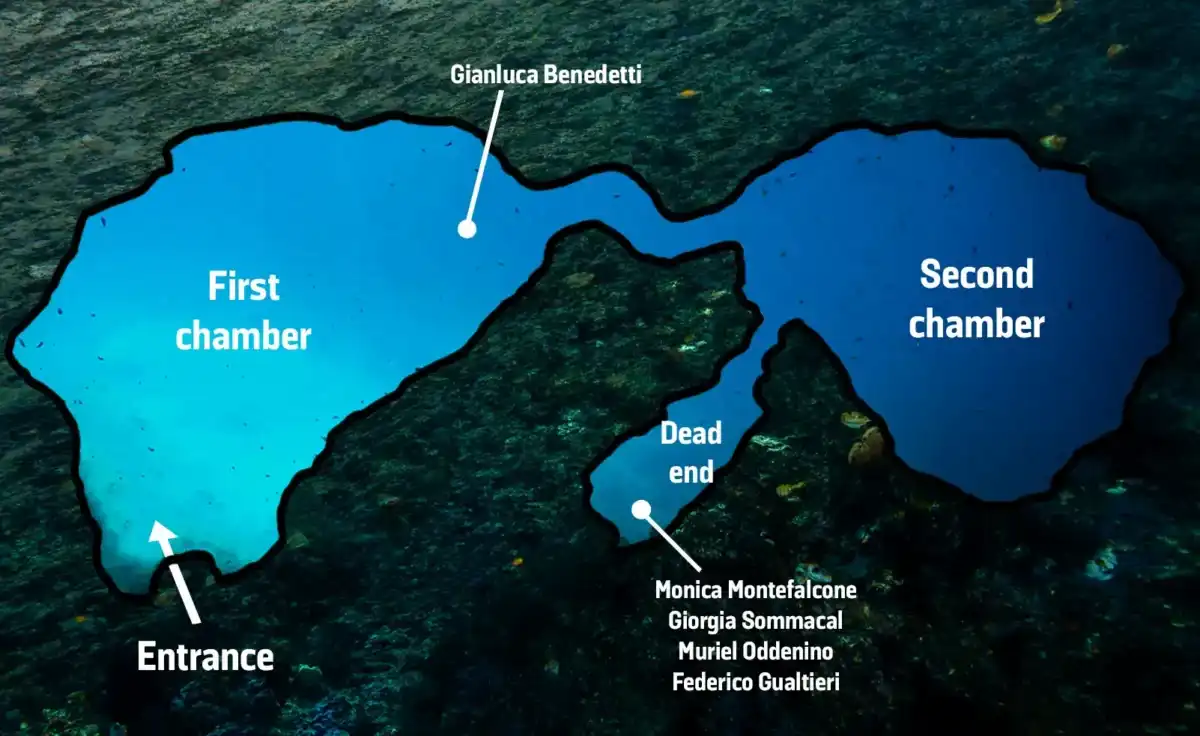
This illustration features an aerial conceptual drawing of the cave alongside a map detailing the specific areas where the divers were located.
Laura Maroni stated that the bodies were discovered together in a single location. She noted that the victims likely entered the area believing it to be an exit, only to find there was no way out.
The body of Gianluca Benedetti was discovered on the day of the incident within the first section of the cave, directly in front of the passage leading to the second chamber. It remains unclear whether he was waiting there for the others to arrive, or if he had located the exit but ran out of oxygen before he could escape.
Questions have also been raised regarding the gas and equipment used during the incident. According to reports, Maldivian authorities had granted three of the five deceased individuals permission to dive to a depth of 50 meters for research purposes. However, the newspaper "La Repubblica" reported that the divers were using standard 12-liter tanks, which are typically insufficient for such depths.
While it is possible to dive to depths of 50–60 meters using regular compressed air, doing so significantly increases the risk of nitrogen narcosis, a condition that produces an intoxicating effect. To mitigate these risks when diving below 40 meters, it is standard practice to use "Trimix," a specialized breathing gas containing helium.
Even with an adequate gas mixture, a single 12-liter tank would only allow for a few minutes at such depths. According to Laura Marroni, this duration is approximately 10 minutes. She further noted that if a diver experiences panic or anxiety, the air supply would deplete even faster. Furthermore, many observers have pointed out that the divers failed to use a "guideline"—a critical safety rope used to navigate the way out when entering caves.
Once the bodies of the victims are transported to Italy, autopsies are scheduled to be conducted. Authorities hope that data retrieved from dive computers and GoPro cameras will provide a comprehensive understanding of how this tragic incident unfolded.