Even if government tells media that they have imported medicine and established companies, public will not accept it if medicine remains unavailable to them: Rafeeq
27 އެޕްރީލު 2026 | ހޯމަ 08:29Fuvahmulah City Mayor Ismail Rafeeq has raised concerns over a nationwide medicine shortage and the decreasing availability of prescriptions under the Aasandha state health insurance scheme. Highlighting that government assurances of incoming supplies have yet to benefit the public, the Mayor urged the administration to prioritize essential services over the salaries of political appointees. He further questioned whether citizens are being deprived of vital healthcare under the guise of austerity measures, noting the significant hardship currently faced by the public.
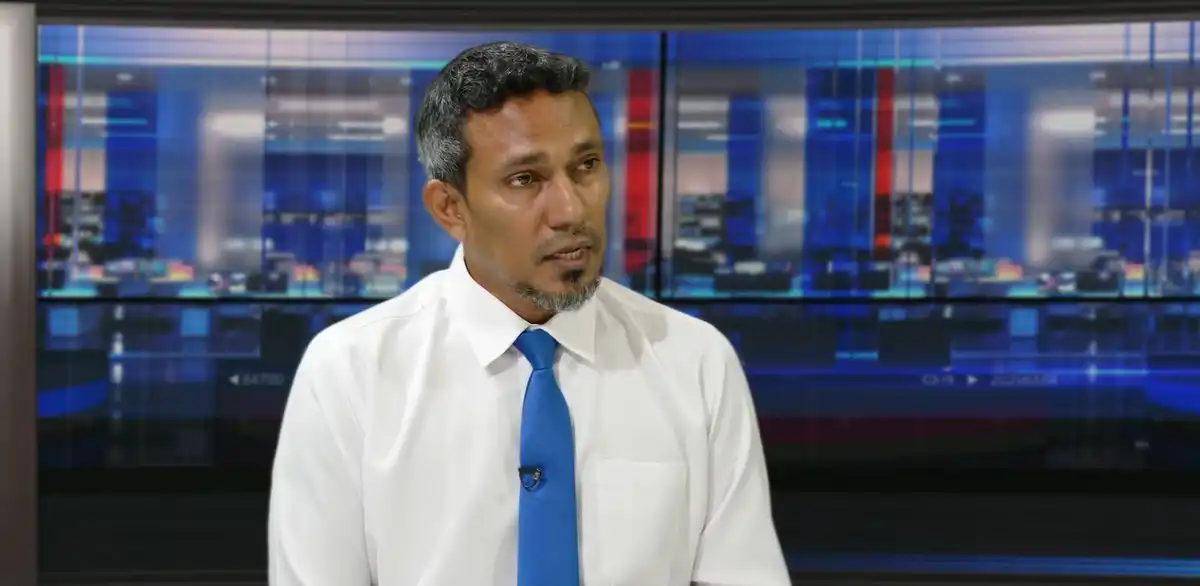
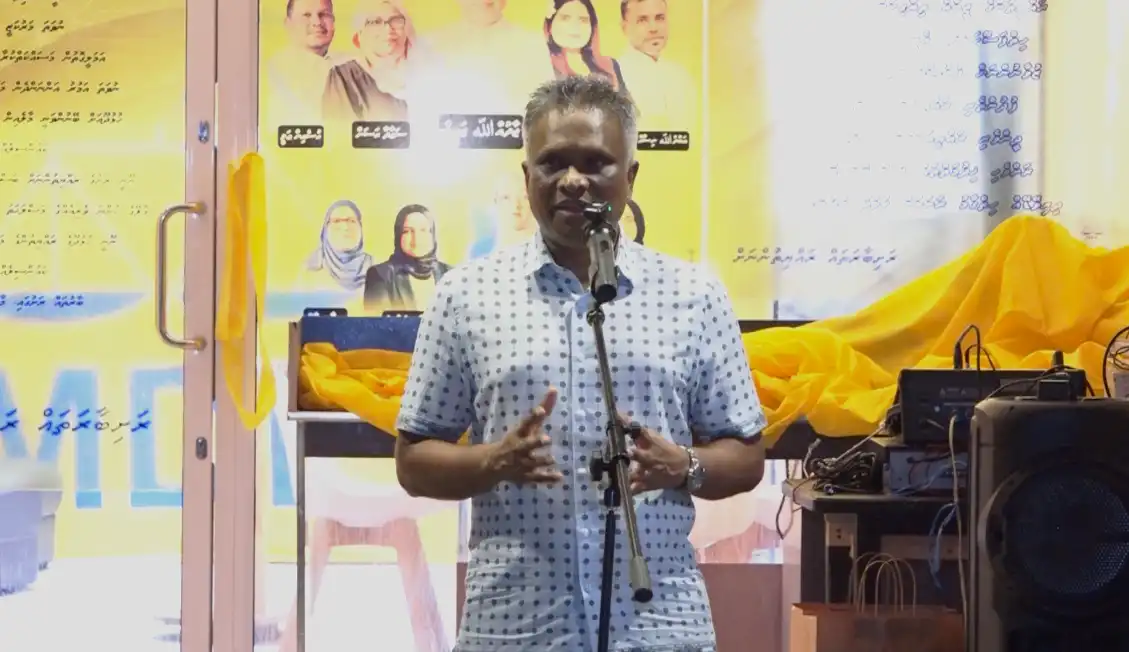
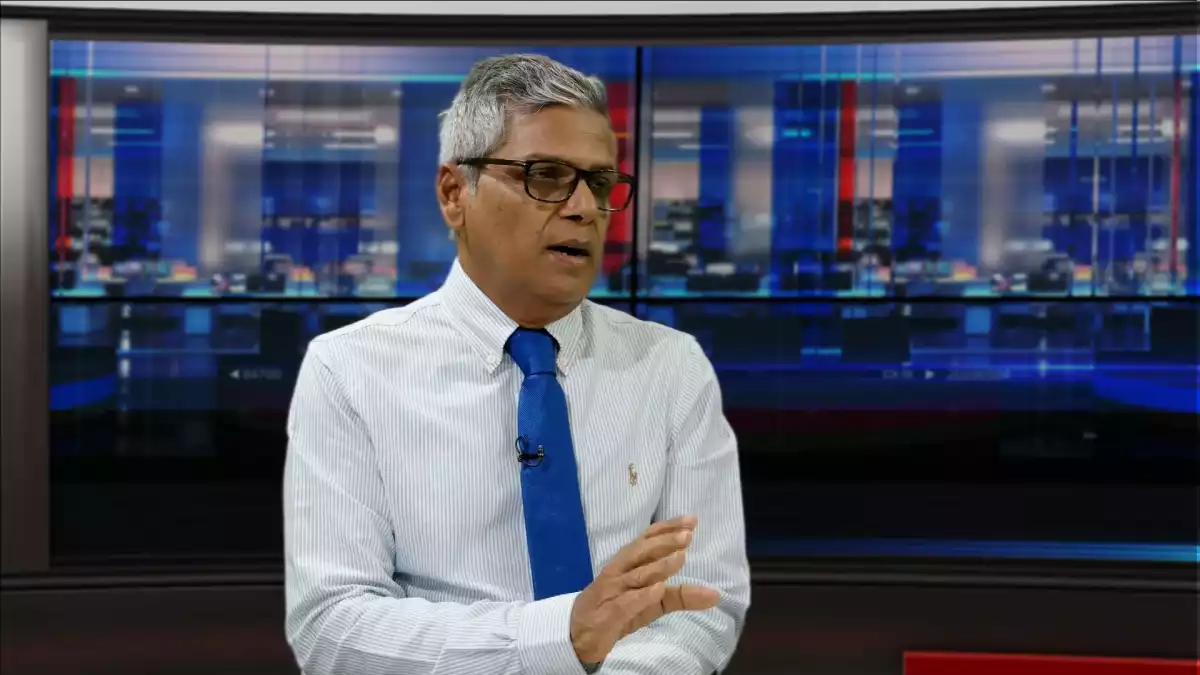
Fuvahmulah City Mayor Ismail Rafeeq speaking during RaajjeTV’s "Fala Surukhee" program. | Raajje MV
Fuvahmulah City Mayor Ismail Rafeeq has stated that despite government officials appearing in the media to claim that medicine has been imported or that a company has been established for that purpose, the public will not accept these assertions as long as they continue to face shortages.
Speaking on RaajjeTV’s "Fala Surukhee" program, Rafeeq stated that the shortage of medicine is currently the most frequent complaint from the public and one of the most significant challenges facing the entire country. He noted that this situation is not unique to Fuvahmulah City but is a reality across every island.
The Mayor stated that despite the government’s assurances in the media regarding the availability or upcoming supply of medicine, the public is still unable to access these essential drugs, which is why they remain skeptical of the government's claims.
The most frequent complaint and challenge faced by the public is the shortage of medicine. This is a concern we hear constantly—not just in Fuvahmulah, but across all islands. Despite the government and news reports claiming that medicine has been imported, the public has yet to see any tangible benefit or relief. Even as the government continues to assert through the media that supplies have arrived, companies have been established, and responsibilities have been assigned, what is the point if the medicine does not actually reach the people?Ismail Rafeeq, Mayor of Fuvahmulah City
Rafeeq reiterated that the public is facing significant challenges in accessing essential medication. He further noted that medicines previously covered under the Aasandha scheme are currently unavailable, forcing citizens to purchase an increasing number of prescriptions out of pocket. The Mayor emphasized that these combined issues have placed a heavy burden on the people.
The Mayor stated that the government's stance on this issue remains unclear. Rafeeq noted that questions must be raised as to whether the medicine shortage is a result of budget cuts, a consequence of broader austerity measures, or if funds are being diverted to cover the high salaries of political appointees.
Rafeeq stated that essential services must be provided to the public, even if it requires reducing the salaries of political appointees. He noted that while it remains unclear whether the budget prioritizes hundreds of millions in monthly spending on political salaries, such costs should not come at the expense of basic public services.
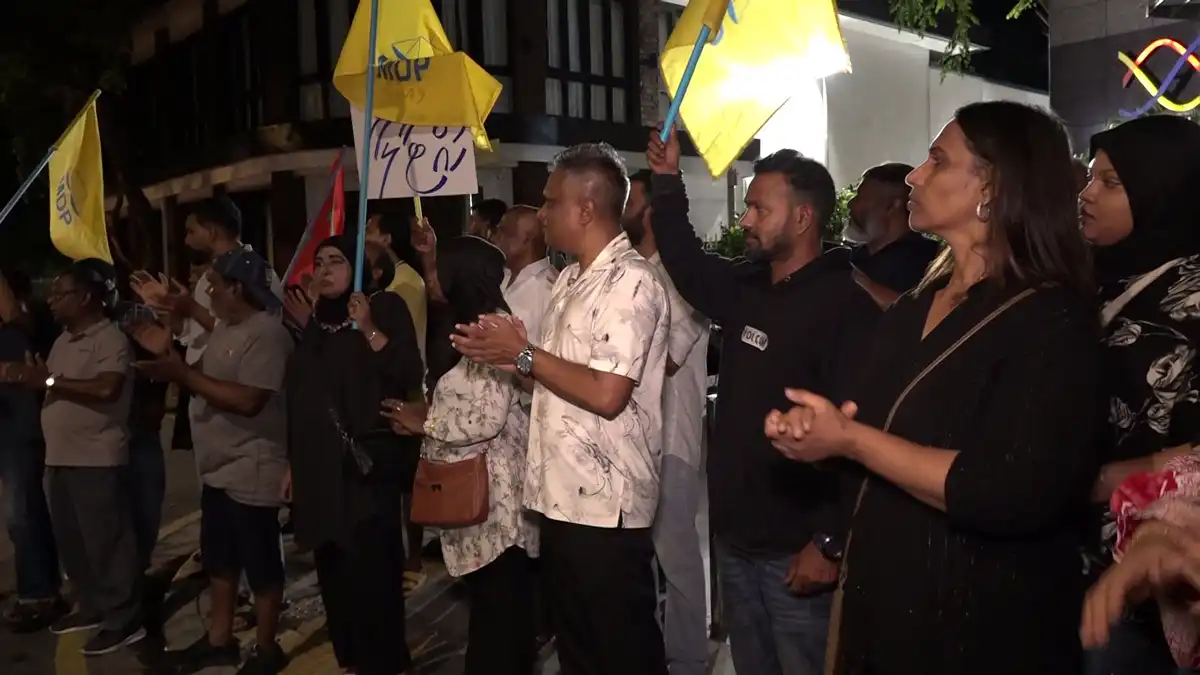
Concerns have escalated recently over the lack of adequate healthcare services, with growing complaints that even basic medications previously available are now out of stock. In response to the situation, the opposition Maldivian Democratic Party (MDP) submitted an emergency motion to the People’s Majlis. However, the motion was subsequently rejected by the parliament.