Chaos at the helm: the great cabinet carousel and the death of stability
16 އެޕްރީލު 2026 | ބުރާސްފަތި 09:40The sudden dismissal of ministers and lack of leadership in state-owned enterprises have created a climate of instability that stalls essential reforms and economic progress. Public trust is eroding as the government fails to deliver on key campaign promises like housing while prioritizing the consolidation of executive power. This lack of transparency and strategic foresight suggests an administration more focused on political maneuvering than addressing the urgent needs of the people.


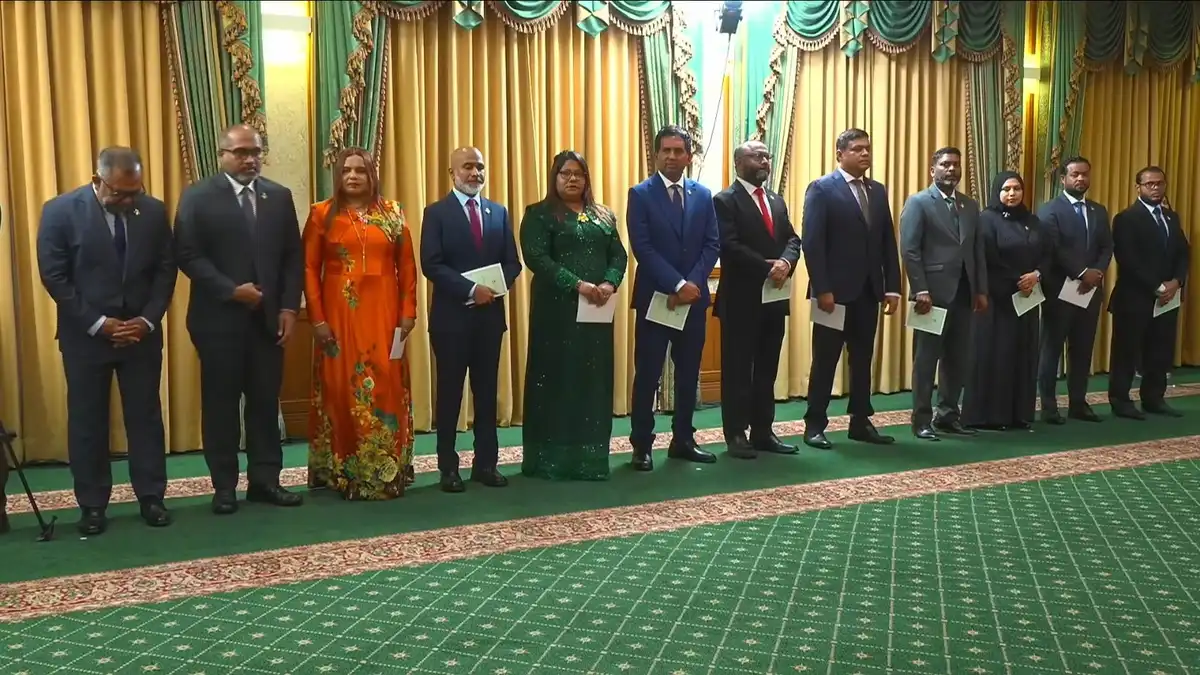
President Dr. Mohamed Muizzu (R) alongside the 10 ministers who recently resigned from the cabinet (L). | RaajjeMV | Raajje MV
Musical chairs in the marble halls
The abrupt exit of 10 government ministers and the frantic reshuffle that followed have done nothing but fuel a fire of public anxiety and doubt. While the administration tries to spin this structural upheaval as a move made for the country's benefit, the people aren't buying the sales pitch. To the cynical observer, this looks less like a master plan and more like a collection of biased reactions from President Dr. Mohamed Muizzu. These moves scream of a leader lacking a long-term roadmap, pointing toward an unstable administration that has no idea where it’s actually heading. It’s exactly this kind of aimless wandering that is killing off any remaining public faith in the current leadership.
The illusion of progress
The President’s Office would love for everyone to believe that tossing out and swapping ministers all at once is just an attempt to listen to the people, but the ground reality is far messier. These impulsive pivots do nothing but jam the gears of ongoing projects and stall essential institutional reforms. Instead of progress, the government is successfully creating a toxic environment of instability within the civil service, where no one knows who will be left standing tomorrow.
Empty chairs and economic despair
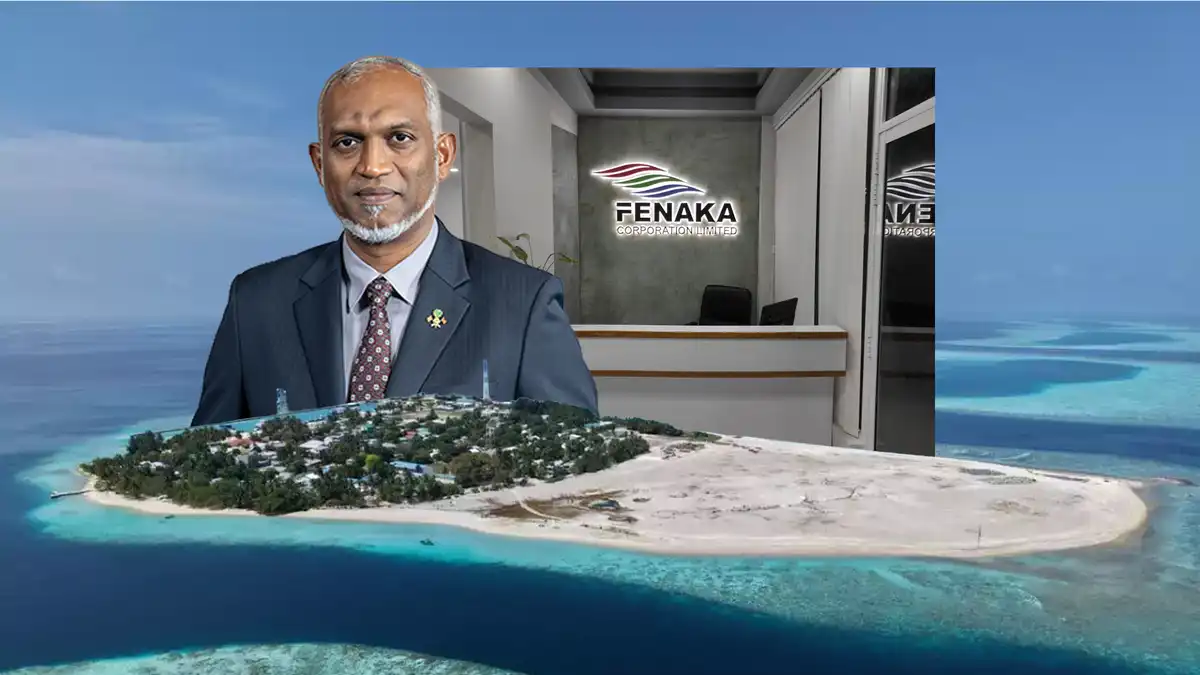
The rot isn't just at the top of the cabinet; it’s spreading through the nation’s economic backbone. Several state-owned enterprises are currently drifting without Managing Directors, a glaring neon sign of administrative incompetence. These companies are supposedly the pillars of the Maldivian social and economic structure, yet they’ve been left to rot without leadership. Thanks to this erratic behavior, corporate governance has descended into a disorganized mess and decision-making has slowed to a crawl. With the economy already facing pressure from every side, leaving these vital institutions leaderless makes it look like the government has its priorities backward and lacks even a shred of strategic foresight.
Broken promises and homeless hopes
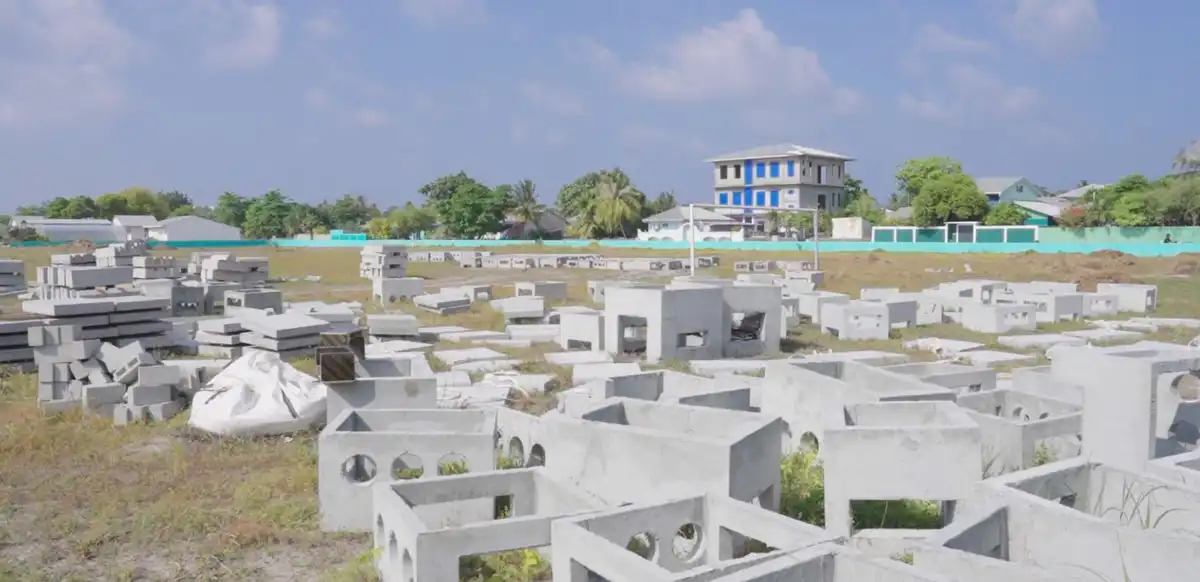
Regular citizens couldn't care less about these high-stakes political games; they want a life that actually functions. The demand for peace, stability, and a decent standard of living is getting louder and yet the government’s campaign promises remain unfulfilled. Housing is a desperate priority for families, but after this latest round of chaos, no one is sure if the administration can actually provide the shelter it pledged.
Power trips and dying patience
It’s getting harder to swallow the excuse that this turmoil is "necessary reform" when the entire process is shrouded in secrecy and has produced zero positive results.
Why fire ten ministers in a single breath?
Where is the plan to keep the country running during the fallout?
Without answers, it’s obvious that the only real goal here is the consolidation of executive power. The Maldivian public isn't asking for a miracle, but they do expect a government that can stay steady and keep its word. Until that happens, no amount of shuffling the deck will hide the fact that the people’s patience has finally run dry.