Musical chairs at the top: Muizzu administration’s recipe for economic chaos
14 އެޕްރީލު 2026 | އަންގާރަ 01:42The Muizzu administration is facing criticism for its chaotic management of state-owned enterprises, characterized by frequent leadership changes that paralyze essential services. This revolving door at the executive level has eroded public confidence and stalled long-term economic projects during a period of global instability. To protect the nation, the government must prioritize administrative consistency and professional vision over political maneuvering to restore trust.

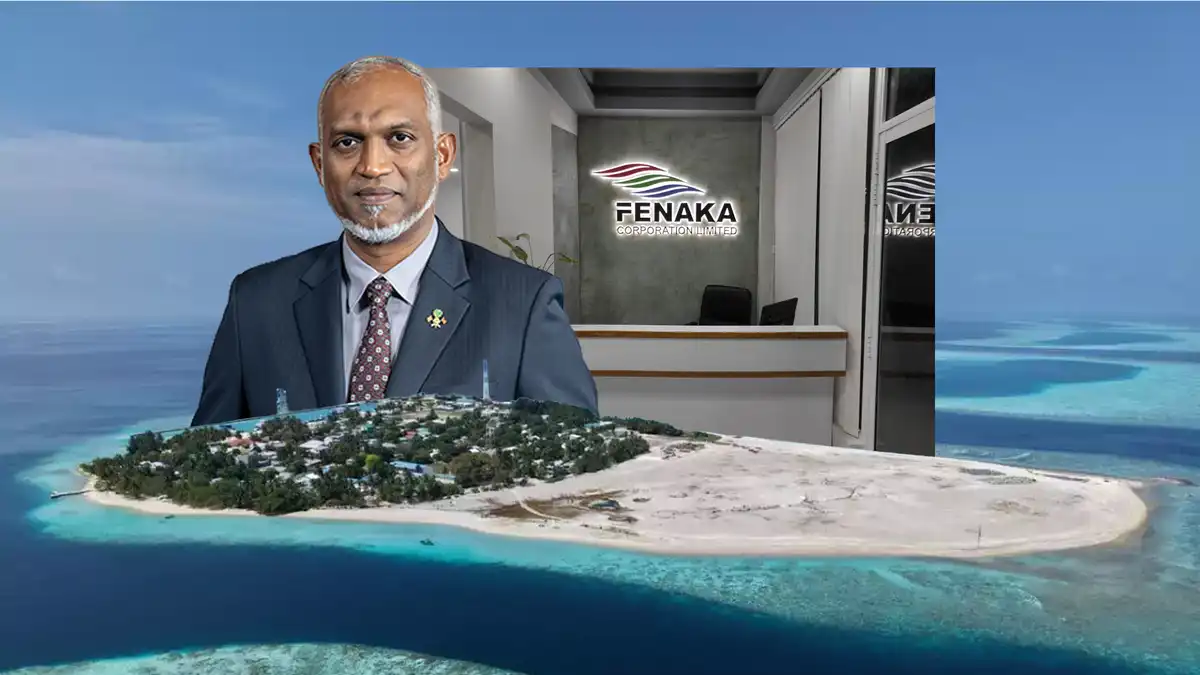
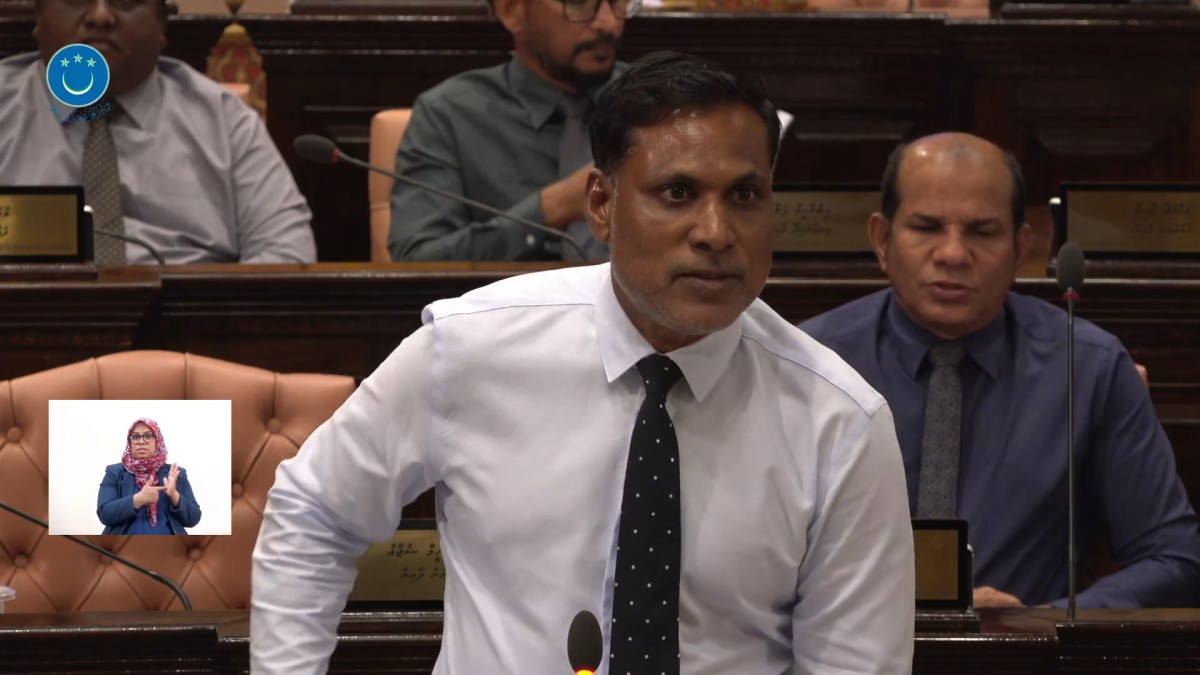
Muizzu stated that while the current administration initially intended to hire only 10 employees for the Fenaka branch in Feeali, a total of 39 staff members have been recruited to date. | RaajjeMV | Raajje MV
While the rest of the globe tightens its belt and crafts strategic blueprints to survive the fuel price hikes and logistical nightmares born from Middle Eastern conflicts, Maldives is taking a much more chaotic approach. Instead of offering a roadmap for stability, the incumbent administration of President Dr. Mohamed Muizzu is successfully breeding deep-seated anxiety and leaving the population with a mountain of unanswered questions.
Management by whim
In a period where economic shields are a necessity, what the public is actually getting is a front-row seat to administrative collapse. The most glaring symptom of this dysfunction is the constant, knee-jerk cycling of senior management within State-Owned Enterprises (SOEs). This revolving door at the executive level has many convinced that the government is operating without a compass. When Managing Directors are hired and fired like temporary staff, it suggests that long-term policy has been traded for aimless reaction.
Sabotaging economic pillars
SOEs are far more than just bureaucratic offices; they are the literal backbone of the country, controlling everything from transportation and housing, to fisheries and basic utilities. During a financial squeeze, these sectors require steady hands and professional vision. Instead, the frequent leadership purge is paralyzing decision-making, trashing long-term projects and leaving employees in a state of perpetual dread.
A leadership vacuum in plain sight
The message being broadcast to the public is loud and clear: the current leadership is losing its grip on national affairs. This isn't just backroom gossip anymore; it is the dominant conversation in the streets. People are rightfully asking if these sackings are based on actual performance or if these officials are just pawns in a political game. Does a strategic vision even exist, or is the administration simply flailing under pressure?
Confidence in freefall
In a crisis, public trust is just as valuable as a balanced budget. However, rather than seeing any genuine effort to slash waste or tackle economic hurdles, the citizenry is witnessing a total lack of clarity. Maldives has survived global disasters before including the global Covid-19 pandemic and previous crashes which were handled by administrations that focused on minimizing public panic through steadfast leadership.
Fixing the house from within
At present, both leadership and trust seem to be in short supply. If the incumbent has any real intention of protecting the nation from the looming global economic storm, it needs to stop the internal bleeding. Before it can fix the economy, it must first resolve the constant administrative fluctuations and internal inconsistencies that are currently defining its rule.