Amru: Government blaming others for its failures after the election, citing the war as an excuse
8 އެޕްރީލު 2026 | ބުދަ 11:51Former STO Managing Director Hussain Amru has criticized the government for prioritizing political gain over addressing the Maldives' deteriorating economic and financial situation. Amr accused the administration of deceiving the public by manipulating commodity prices ahead of elections and announcing unrealistic mega-projects despite a lack of foreign reserves. He further expressed concern over the government's failure to take adequate measures to address critical challenges, including medicine shortages and a decline in tourism performance.

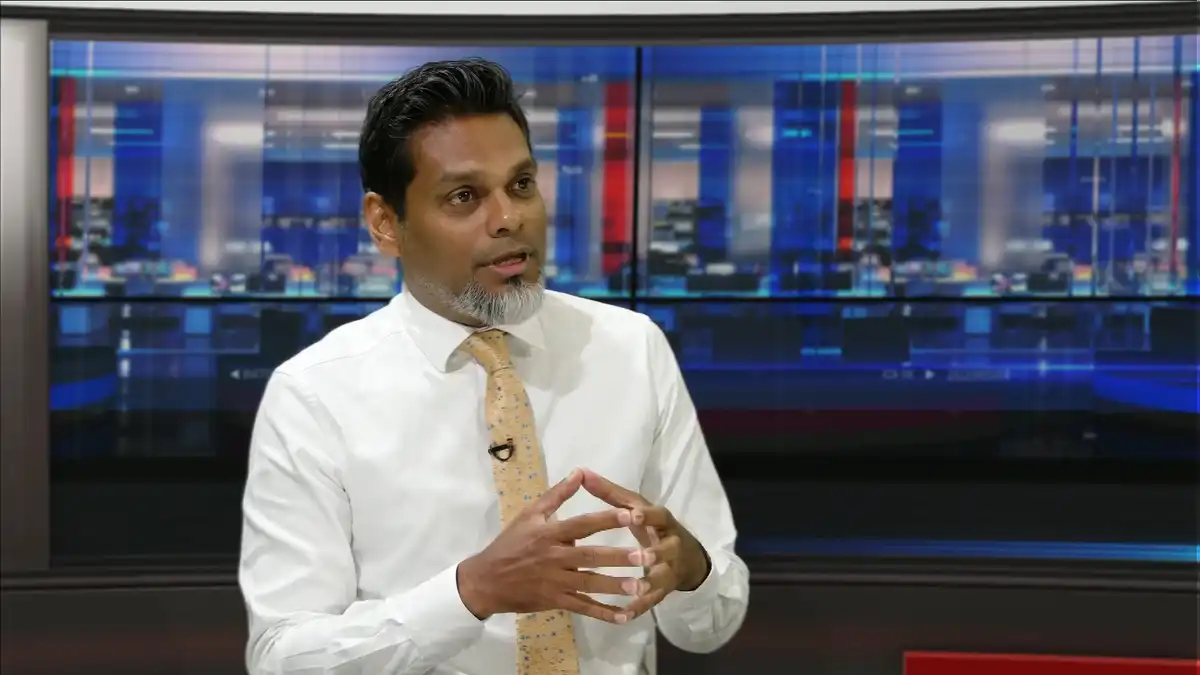
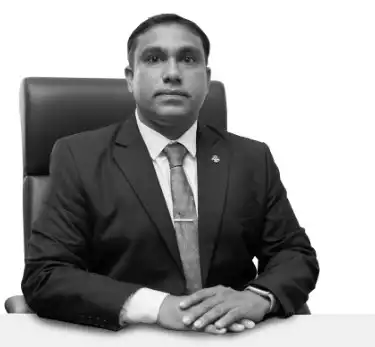
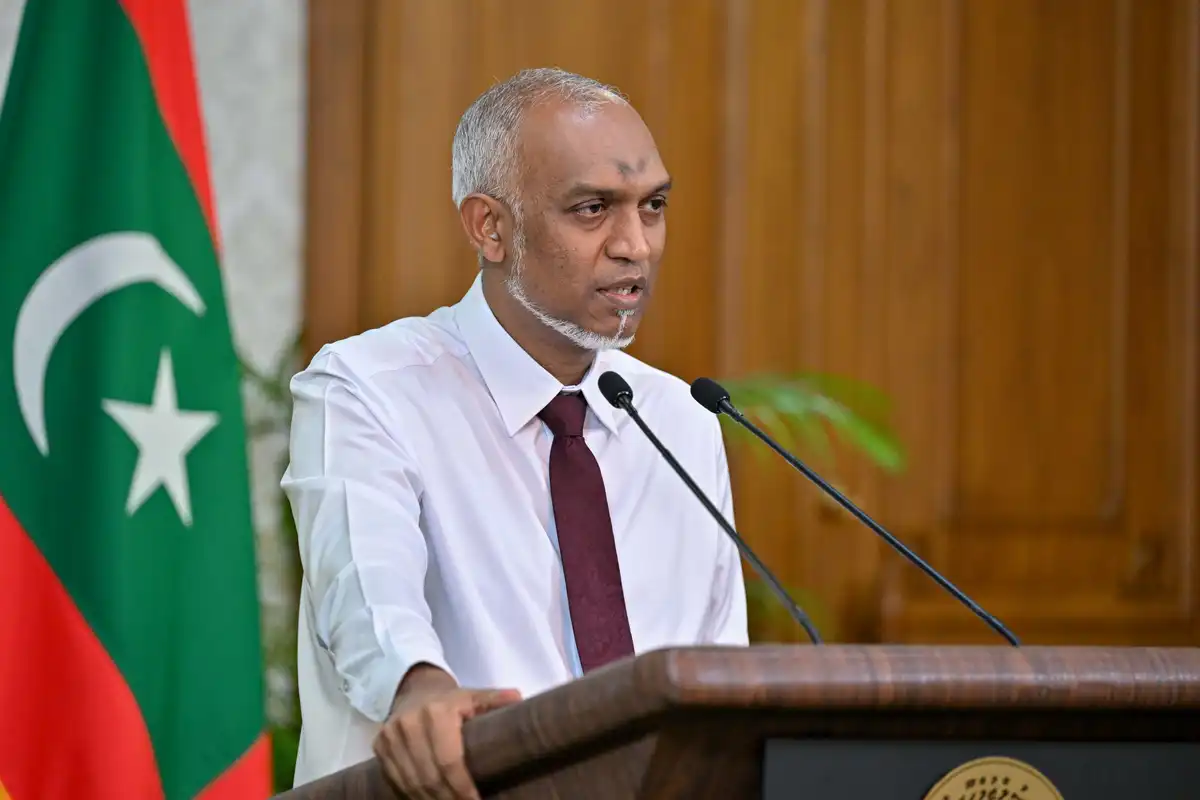
Hussain Amru, the former Managing Director of STO. | RaajjeMV | Raajje MV
Former Managing Director of STO, Hussain Amru, has stated that the government is attempting to shift the blame onto others for its failure to manage the economic shifts caused by the ongoing conflict in the Middle East, now that the elections have concluded.
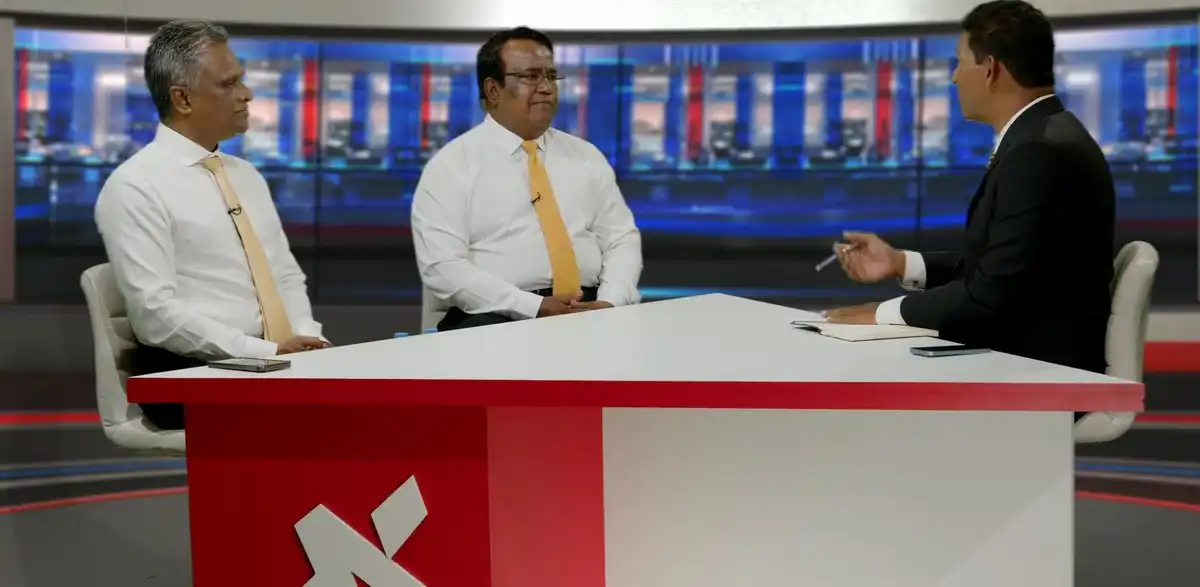
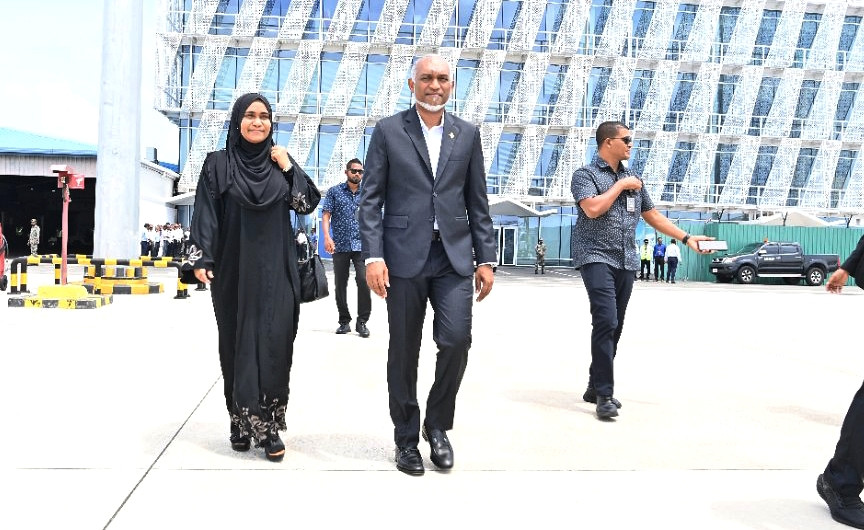
Speaking on RaajjeTV’s "Fala Surukhee" program, Amru stated that the recent local council elections and the referendum served as a clear indication of the public's lack of confidence in President Dr. Mohamed Muizzu.
Amru stated that the government took the initiative to distribute canned tuna in the month leading up to the election, only to hike prices on the very first day after the polls closed. He noted that following a public outcry, the government reversed the decision and lowered the prices by sunset that same day. Amru described the move as a deception of the public, pointing out that the government distributed canned tuna for electoral gain despite being fully aware of the losses incurred by MIFCO, only to raise prices immediately after the election concluded.
Criticizing government policies, Amru described the administration's claim of establishing a one-year fuel reserve as "baseless rhetoric" with no grounding in reality. He noted that the fuel alone would cost one billion dollars, while an additional billion would be required for infrastructure, including storage tanks, jetties, and fire safety systems. Amru further argued that discussing a two-billion-dollar project is irrational at a time when the country lacks sufficient reserves even to purchase basic fuel supplies.
With only two months remaining, we are effectively out of options. We are deeply concerned about the current situation. Until now, the government appeared complacent, operating under the assumption that these obligations would be met through a sukuk or another loan. However, as the deadline arrived, the funds failed to materialize. To settle the debt, they had to scrape together funds from the Bank of Maldives, facilitate a loan through STO, and exhaust the entirety of the national reserve. What are the consequences of this? Tourist arrivals to the Maldives are currently declining, with a 30 percent drop already recorded. Meanwhile, fuel costs are skyrocketing, leading to a massive increase in foreign currency outflow while inflows continue to dwindle. The national reserve is intended to balance such economic shocks, but it has now been depleted. All of this is unfolding while global conflicts continue to persist.Hussain Amru, the former Managing Director of STO
Amru stated that while other nations were implementing economic measures, the Maldives remained stagnant, waiting for the elections to pass. He further noted that despite the government's claims that other countries were taking such actions for political reasons, the Maldives' current situation has reached a critical state.
Highlighting the challenges within the healthcare sector, Amru stated that the shortage of essential medicines has reached a critical level. He noted that while the government discusses creating a platform to track medicine availability, this implies that doctors would be forced to prescribe medication based on what is currently in stock rather than what the patient actually needs. Amru expressed deep concern, stating that this reflects the government's current approach to the issue.