Hidden motives lie behind proposed amendments to Education Act regarding children with special needs: Ihusan
21 ނޮވެމްބަރު 2026 | ހޮނިހިރު 11:38Former Deputy Minister Ihusan has expressed concern that proposed amendments to the Education Act could deprive students of essential professional therapeutic support in schools, potentially leading to the social exclusion of children with special needs. He noted that while homeschooling is already a recognized option, these changes risk undermining the fundamental objectives of inclusive education.

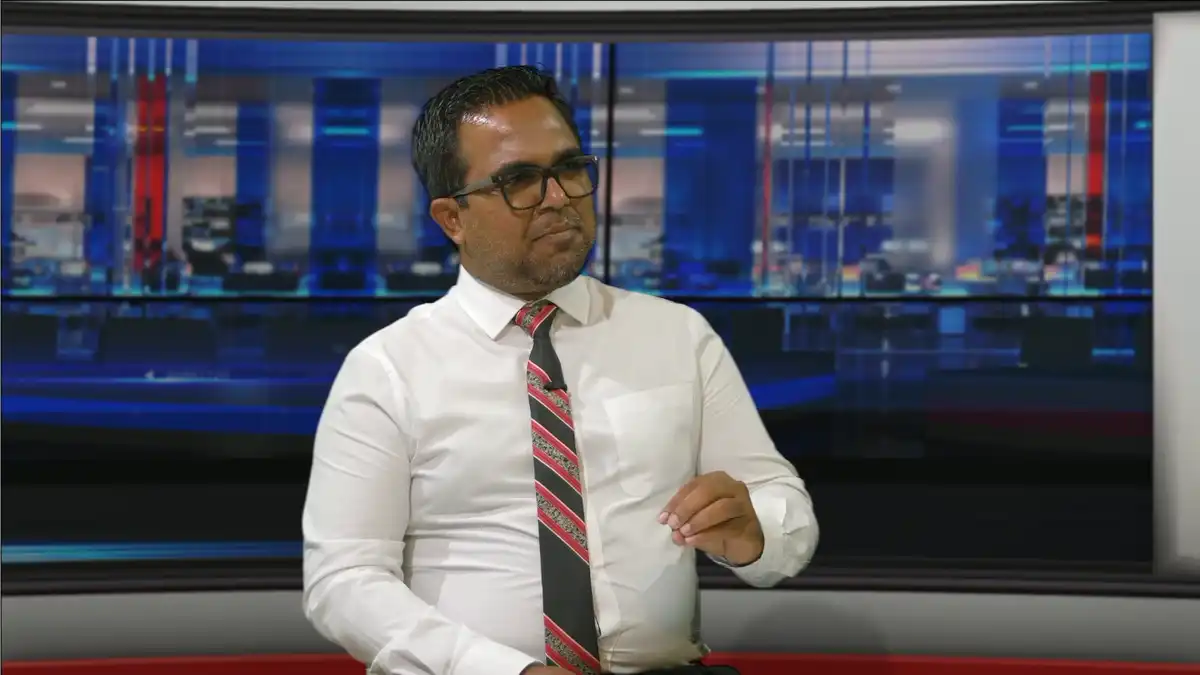
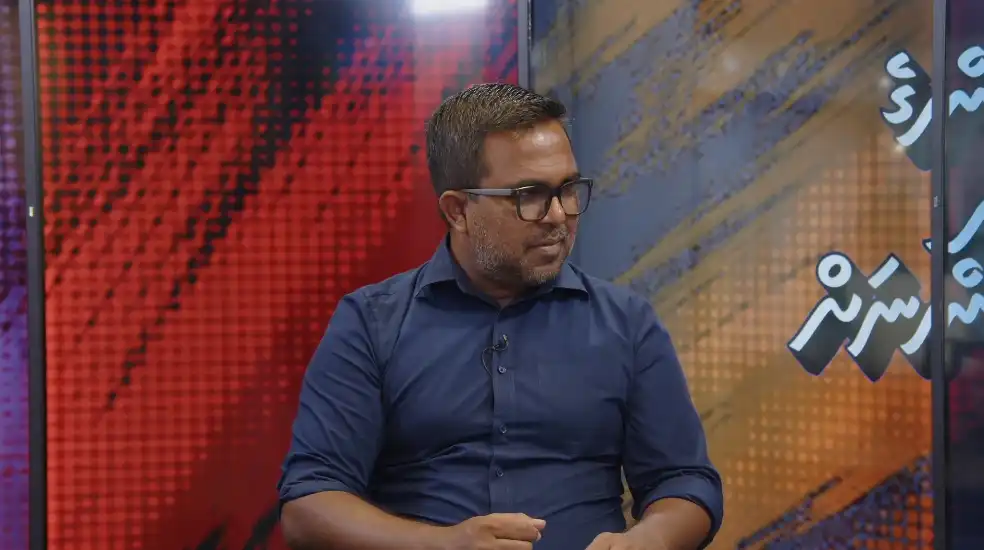
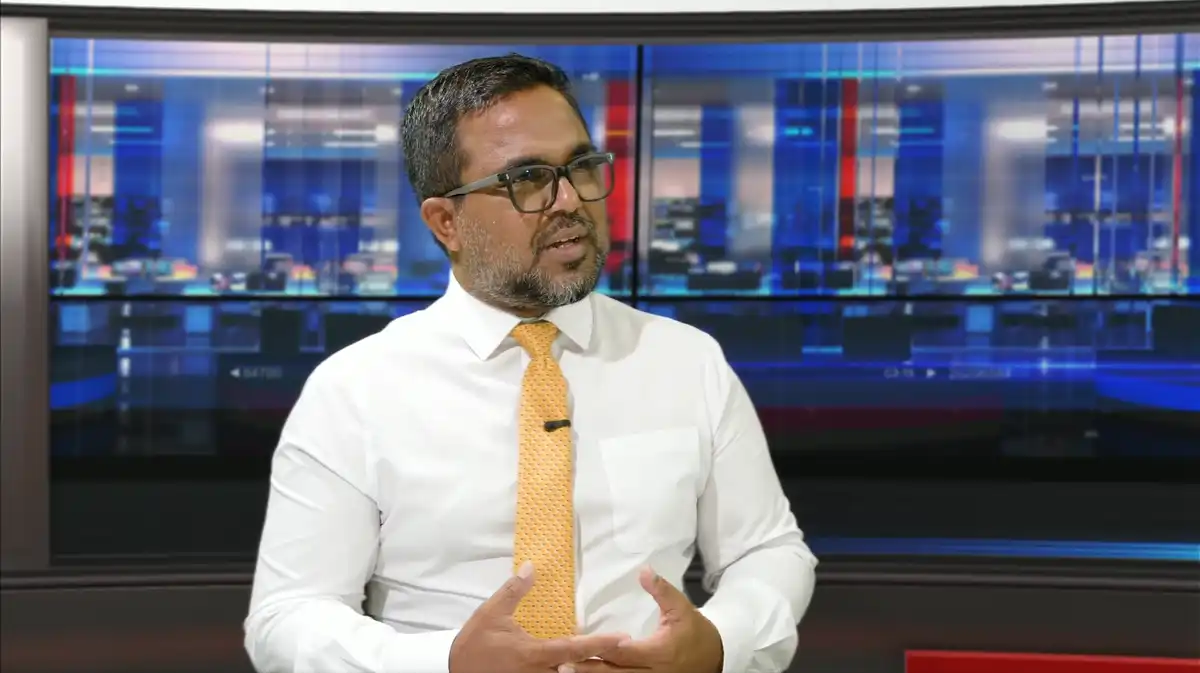
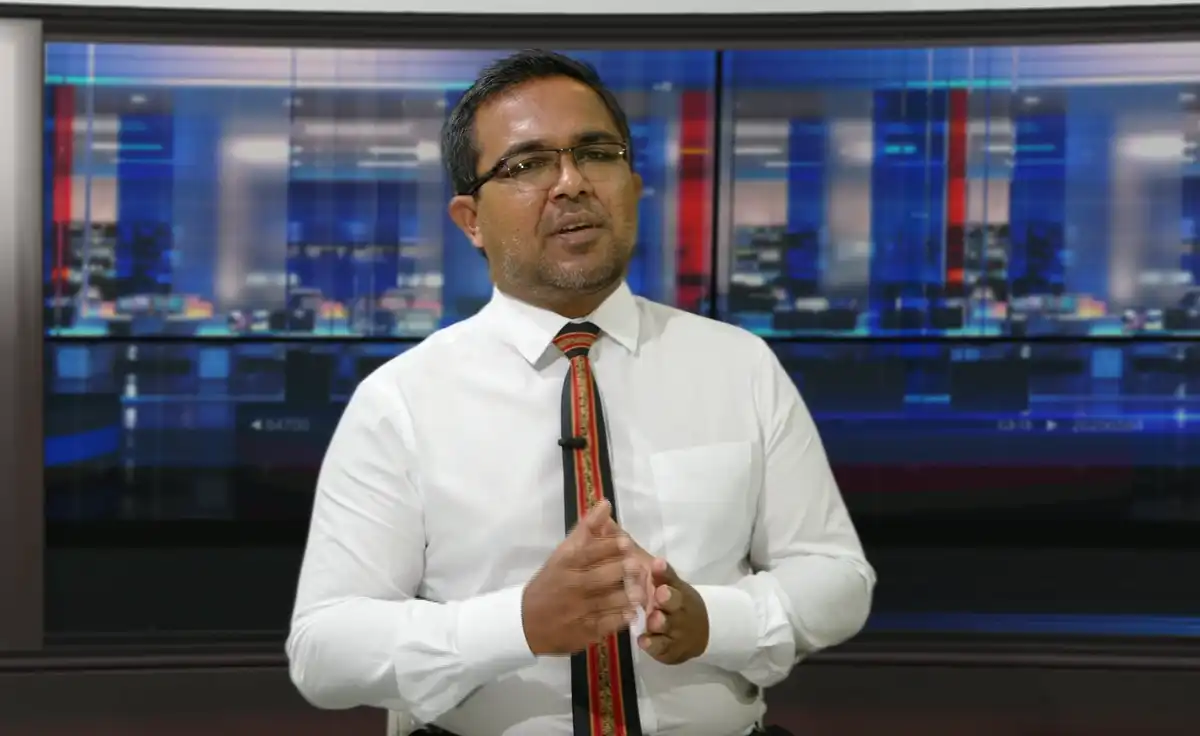
Former Deputy Minister of Education Mohamed Ihusan speaking during Saturday's "Fashaairu" program. | RaajjeMV
Former Deputy Minister of Education Mohamed Ihusan has stated that the proposed amendments to the Education Act, introduced under the guise of expanding opportunities for children with special needs, are unnecessary and driven by deceptive motives.
Speaking on Saturday's "Fashaairu" program, Ihusan stated that current laws and regulations already provide the framework to facilitate home-based learning for children under special circumstances. He emphasized that this is not a matter that requires the drafting of new legislation or regulations to be implemented.
Ihusan stated that he does not believe establishing the home as a permanent place of learning through homeschooling is the most conducive approach for a child's development. He noted that while some government members in Parliament highlighted that this practice exists in other countries, there remain significant concerns regarding these proposed changes.
I would characterize these changes as unnecessary. When individuals persist in pursuing such actions, there are inevitably deceptive motives behind them. Upon examining the details, we have begun to see evidence that supports this view.Mohamed Ihusan
Ihusan stated that the Education Act, passed in 2020, includes several provisions to promote inclusive education in schools, such as the requirement to include therapists as part of the school staff.
However, noting that the current version of the bill excludes therapists, he stated that this is equivalent to halting the essential professional support that schools must provide to students.
Furthermore, Ihusan stated that isolating and marginalizing children with special needs from society is not a solution.
He stated that the true essence of inclusive education lies in tailoring schools and their services to meet the specific needs of students, which includes providing assistant teachers and additional supportive resources.