Internal audit report reveals RDC violated Pension Act
9 ނޮވެމްބަރު 2026 | ހޯމަ 13:47An internal audit report of the Road Development Corporation (RDC) has revealed that the company has failed to consistently deduct mandatory pension contributions following recent salary adjustments. This non-compliance with the Pension Act jeopardizes employee benefits, prompting a recommendation for the corporation to urgently identify all outstanding arrears and remit the funds to the Pension Office.

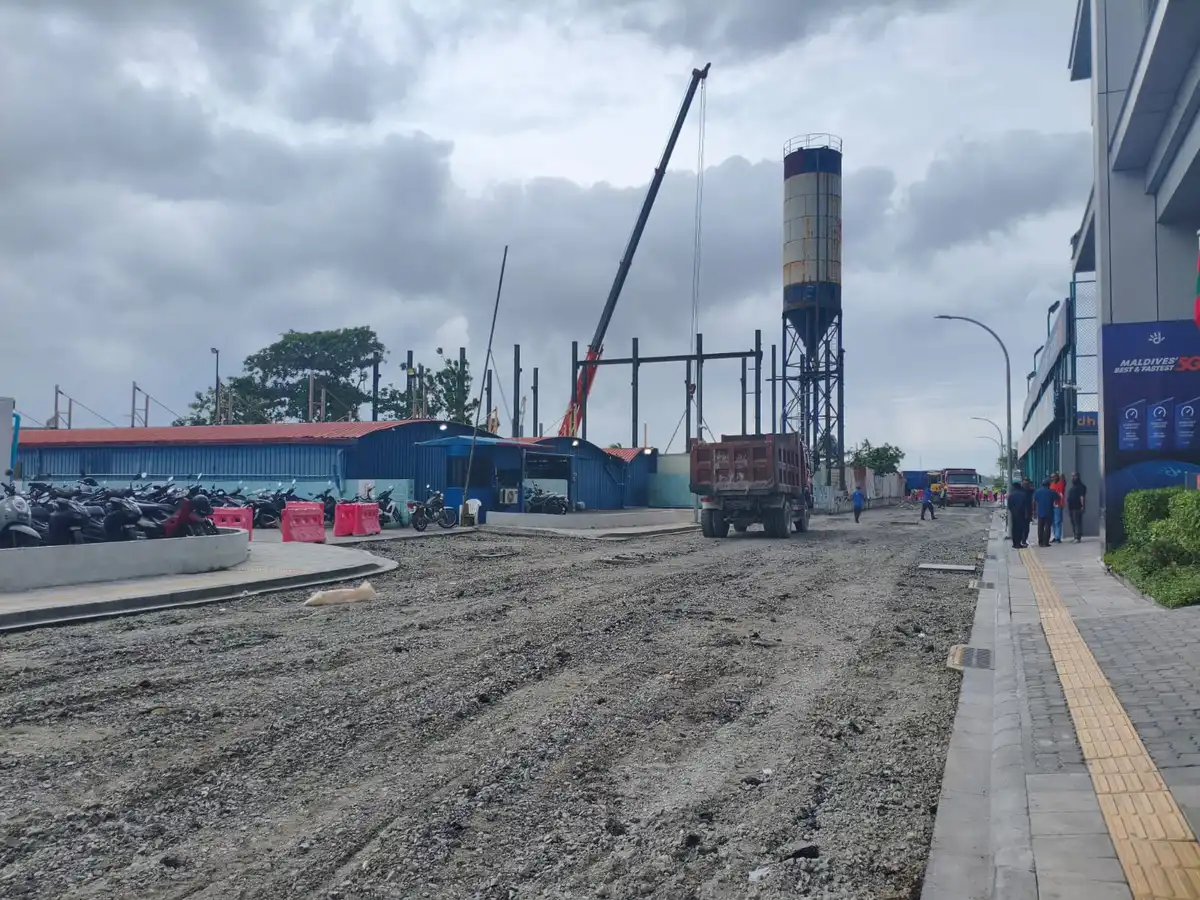
Former Managing Director of RDC, Ibrahim Nazim (C), inspects the ongoing projects being carried out by the corporation at Sultan Park. | RDC
An internal audit report has revealed that the Road Development Corporation (RDC), a 100% state-owned enterprise, has acted in violation of the Pension Act.
This report surfaces amid mounting allegations of government mismanagement and operations conducted outside of established laws and regulations. It highlights that Road Development Corporation (RDC) has failed to recalculate and deduct pension contributions when issuing salary reimbursements—such as back-pay for previously deducted sick leave or other adjustments—made over the past few months. Although such adjustments are typically integrated into the payroll processing for the relevant month, RDC has neglected to subtract the required pension contributions from these specific payments. Consequently, the report emphasizes that the funds deposited into the Maldives Retirement Pension Scheme (MRPS) do not accurately reflect the pensionable wages earned by employees during those periods.
In accordance with the Maldives Pension Act (Law No. 8/2009) and the Maldives Retirement Pension Scheme Regulation, every employee between the ages of 16 and 65, along with their employer, is required to contribute a total of 14 percent of the employee’s pensionable salary to the Pension Fund. This contribution consists of 7 percent deducted from the employee’s salary and a matching 7 percent paid by the employer. The pensionable salary is defined as the basic salary specified in the employment contract. Consequently, any subsequent adjustments to the basic salary or any retroactive salary payments must also be subject to pension deductions in compliance with the Pension Act.
The report highlighted that the failure to deduct pension contributions from retroactive salary adjustments constitutes a violation of the Pension Act. This oversight has resulted in underpayments to the pension fund by both employees and employers, leading to the submission of inaccurate data in reports provided to the Maldives Pension Administration Office (MPAO). Furthermore, the report noted that these discrepancies expose the organization to potential legal action and financial penalties. It also warned of likely grievances from staff, as the reduced contributions will diminish the retirement benefits available to employees upon their retirement.
The report states that the HR and Payroll Department must review all past salary adjustments and recalculate pension contributions based on the components of the salary subject to pension deductions. Furthermore, the report instructs the department to identify any outstanding pension contributions from both employees and the employer, and to ensure these funds are deposited with the Maldives Pension Administration Office without delay.
The information presented in this report covers the review period from October 1, 2024, to September 30, 2025. During this timeframe, the company’s human resource policies, procedures, and operational systems were analyzed and evaluated to ensure the accuracy and integrity of HR-related data. Furthermore, the review assessed the level of compliance with internal policies, established protocols, and all applicable legal and regulatory requirements.