Male' City Council decides to seek injunction to halt transfer of disputed powers to Greater Male' Office
4 ނޮވެމްބަރު 2026 | ބުދަ 18:15The Male' City Council has decided to initiate legal proceedings challenging the constitutional validity of recent amendments to the Land Transport Act, which they argue restrict the council's statutory mandates and powers. Expressing concern over the transfer of decentralized local authority to a central government agency, the council has also passed a resolution to seek a court injunction to stay the implementation of these changes until a final judicial ruling is reached.


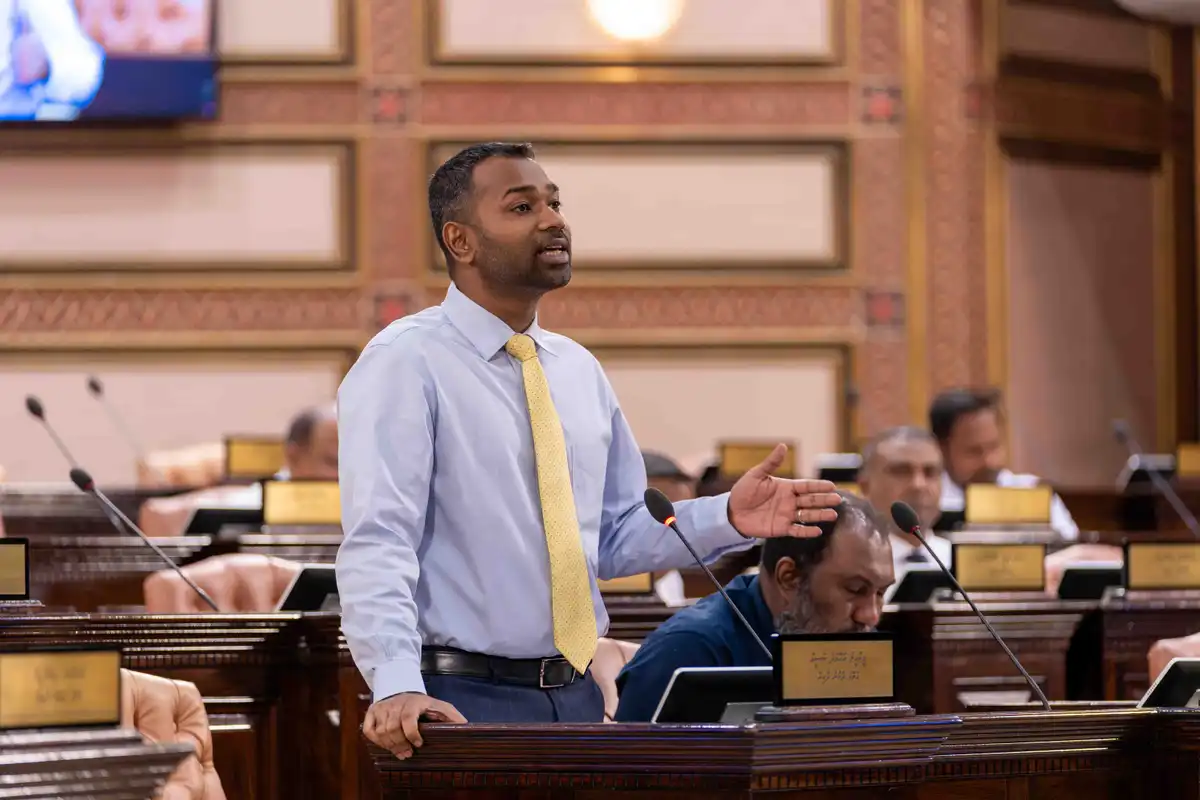
From the Male' City Council meeting. | Social Media
The Male' City Council has decided to seek an injunction to halt the transfer of contested powers to the Greater Male' Transport and Mobility Office (GMTMO).
The Male' City Council reached this decision during its 24th official general meeting of the 5th session, held on Wednesday. During the session, Hussain Furushan, the council member for the North Maafannu constituency, asserted that legal action must be initiated against recent amendments to the Land Transport Act. He argued that these changes have redistributed or restricted the Council's statutory responsibilities in order to empower the Greater Male' Transport Market Operator (GMTMO).
Furushan further noted that there are overlaps between the mandate of the Greater Male' Transport Market Operator (GMTMO) and the ongoing work of the Male' City Council. Consequently, Furushan proposed that the council seek a court injunction to halt the transfer of the disputed powers until a final decision is reached on the matter.
The Male' City Council has unanimously voted to initiate legal proceedings challenging the constitutionality of several provisions within the Land Transport Act. All 13 council members present at the meeting supported the motion, which argues that the current legislation undermines the council's statutory powers.
Furthermore, the Male' City Council stated that while legal powers are vested in them under the Decentralization Act (Act No. 7/2010), they believe that transferring long-standing responsibilities of an elected council to an office established under the central government raises serious constitutional questions.