Playing the Chagos card out of pure desperation
2 ނޮވެމްބަރު 2026 | ހޯމަ 12:42The current administration is being accused of deviating from the pledges it made regarding the Chagos archipelago issue prior to assuming office, with its rhetoric on the matter shifting inconsistently over time. Furthermore, there is a widespread public perception that the establishment of a presidential commission to investigate the Chagos issue is a politically motivated move, intended to divert attention from the growing criticism surrounding the Ras Malé project
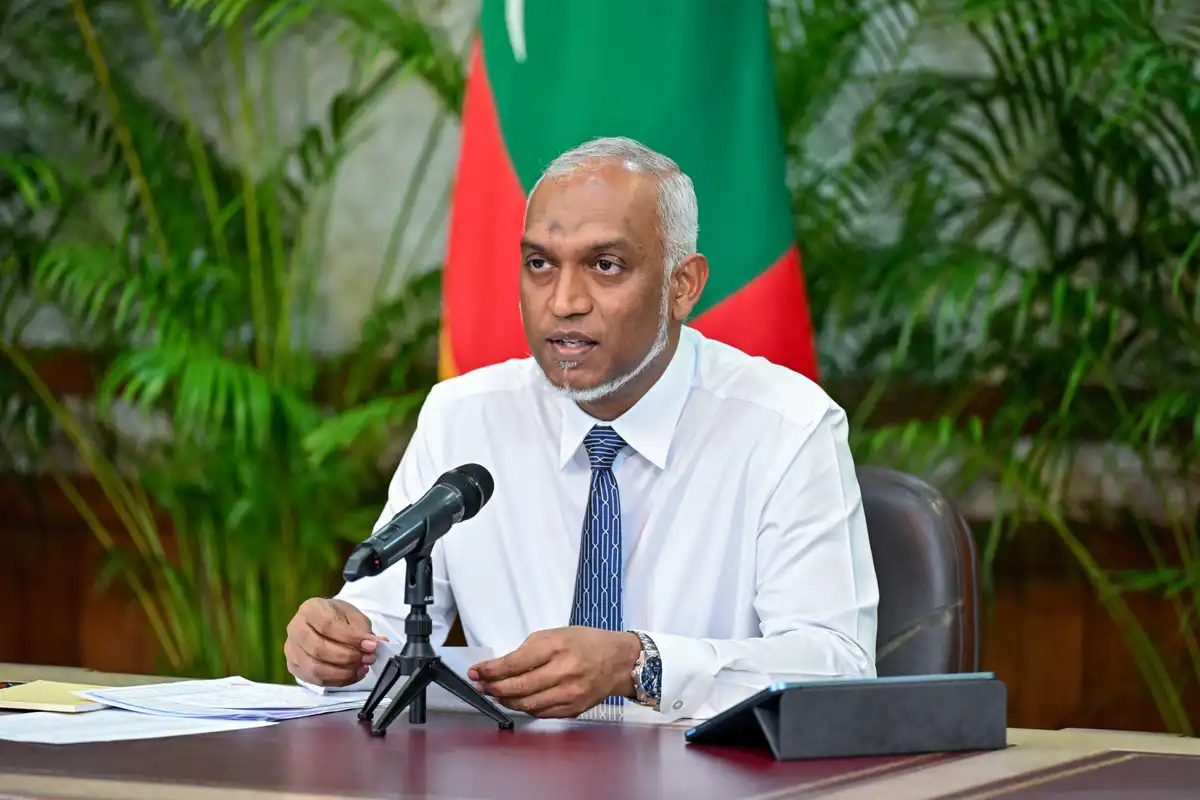
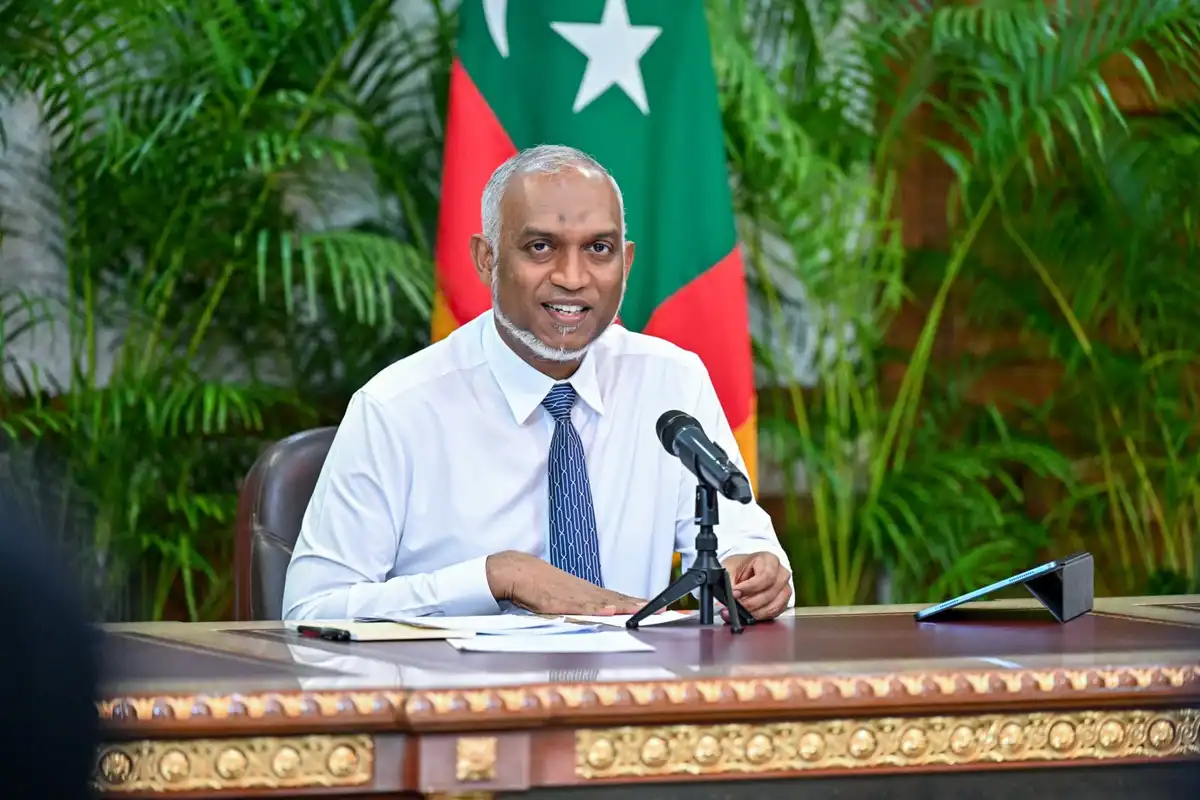
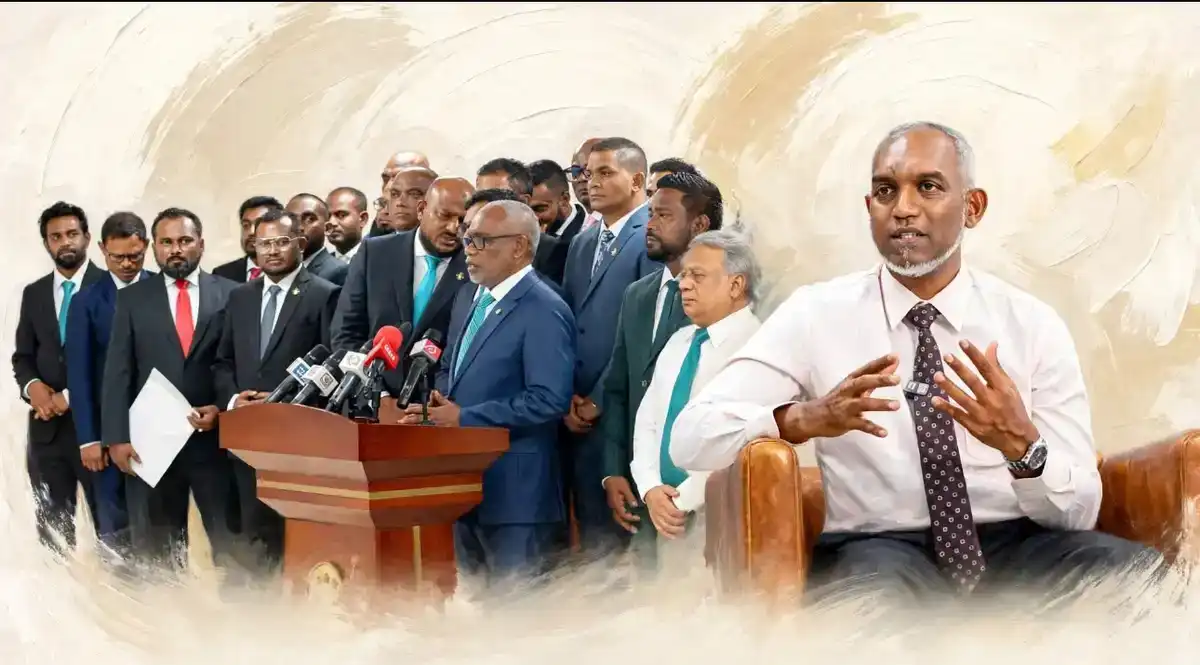
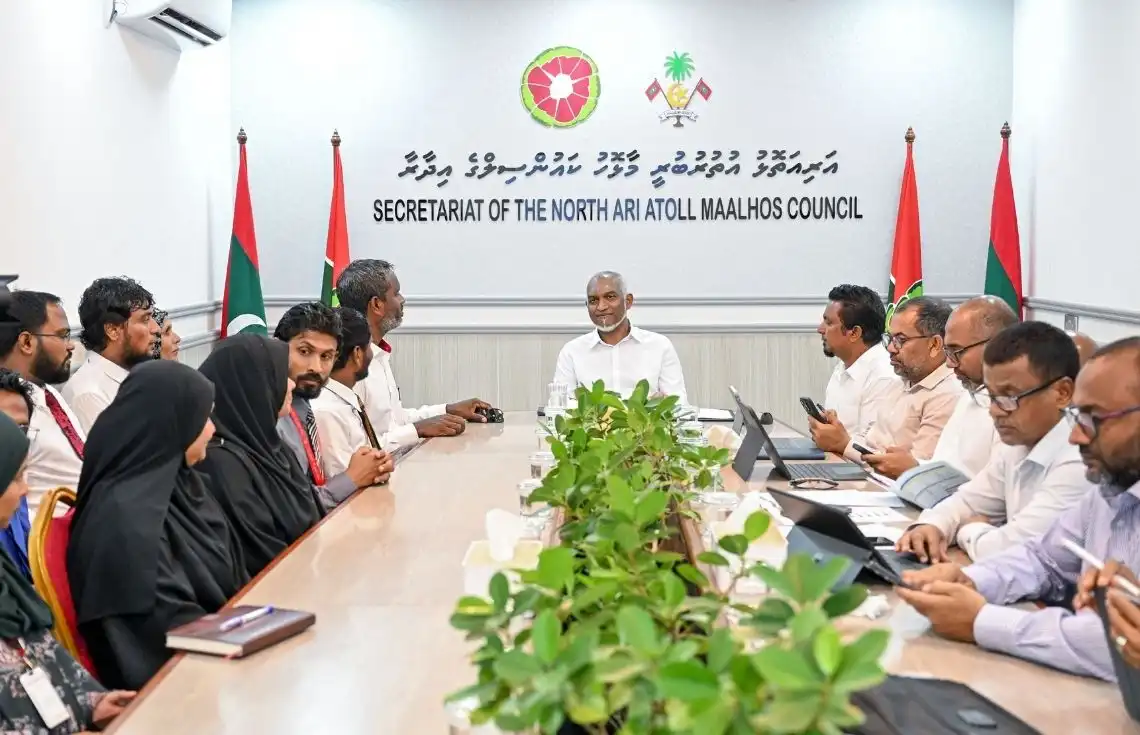
President Dr. Mohamed Muizzu speaking to press | Presidents Office
A massive slice of national waters was bartered away while ordinary fishermen were working out on the open sea. Sovereign rights were handed over on a platter, treated like surplus inventory traded to a foreign entity.
The country was told this was never going to be the end of the story; it was supposed to be a rallying cry to battle. The public was promised that every missing nautical mile would be tracked down, the entire oceanic expanse would be reclaimed, and the shadowy transaction would be thoroughly investigated, with all guilty parties dragged before the law to answer for it.
About three years in the past, these bombastic pledges rang out everywhere with volcanic, flag-waving fury. The messaging took the form of a holy verbal war, calculated to stir patriotic panic. Unsurprisingly, the masterminds behind this rhetoric are the very figures seated in state power today.
It was an elaborate election theater used to win voters over, whip up public resentment toward the former rulers, and fabricate a neat moral imperative for why the incumbent regime desperately had to be replaced.
The baton was passed, and the crusaders took hold of the executive reins they so desperately craved. However, as the calendar inches toward three full years since citizens handed them control of the nation, the fierce grandstanding about lost seas has quieted to a pathetic whisper.
The grand narrative on Chagos underwent a brazen and complete reversal. The change in tune was not handed down through some disposable political underling; it came right from the mouth of the leader who had turned the entire grievance into his personal ladder to high office, President Dr. Mohamed Muizzu himself.
Once ordinary citizens began daring to press for results on the grand promises that won the election, Muizzu stumbled from one excuse to the next. The executive branch pretended grand gears were spinning behind the scenes, claiming that diplomatic correspondence was flying out the door and high-profile international legal geniuses were being contracted to accelerate the crusade.
The entire show was choreographed to convince the public that securing the territory was essentially an impending done deal.
The storm of angry nationalism dwindled down into an eerie calm, like wind dying out over the ocean. With the administration barely a single month away from marking its third year in power, the old fire-and-brimstone rhetoric looks utterly unrecognizable compared to what is muttered today. Once upon a time, Muizzu had sworn up and down that not a single shred of uncertainty existed regarding Maldivian ownership of Chagos, insisting on record that historical record and self-evident reality proved the territory was rightfully part of the nation.
The Attorney General’s Office did its part in the performance, announcing that outside legal experts were supposedly recruited and busy engaging in high-level consultations. However, in the same breath, state legal officials conceded that nobody could even dream of setting a schedule for action until those consultations finished.
They added that putting together an international court petition would follow these dialogues, only to acknowledge that absolutely zero dates had been pinned down to actually file the lawsuit.
When dragging the case into court went nowhere, Muizzu fell back on merely mailing a solitary letter to the British government, and only after British diplomats had routinely ignored and brushed aside repeated pleas for bilateral discussion.
To make matters worse, an administration that climbed into power waving the banner of radical transparency went on to hide the response sent back by the United Kingdom, locking it away behind closed doors.
With zero territory recovered, Muizzu simply pulled a total turnaround on his own platform. Speaking on the state television program Nation Chat on PSM, he casually declared that while the historically Maldivian waters rightfully ought to be transferred to the Maldives if given to anyone at all, keeping things precisely as they stand now is actually not a problem whatsoever. It represented a breathtaking reversal, walking backward on the very bedrock of his original outrage.
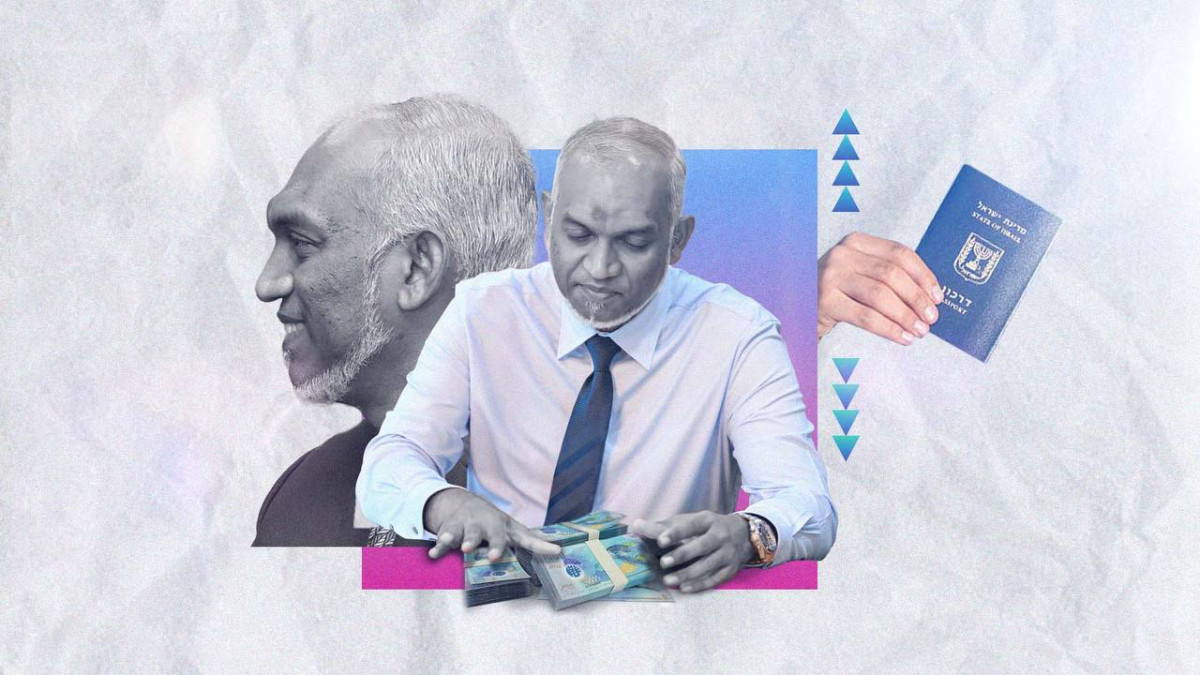
From that point on, official chatter around the sea withered away into total silence. However, as the regime neared three years of achieving nothing on the maritime front, a massive firestorm erupted over national territory being handed over to a foreign actor for Zionist settlement under the convenient guise of a ninety-nine-year lease that is practically perpetual.
Facing public outrage and widespread national instability, a cornered Muizzu suddenly dragged the Chagos grievance out of retirement to play it as his final verdict. In an effort to distract the populace from the simmering Ras Malé debacle, a sweeping Presidential Commission was suddenly enacted to punish individuals over the original sea transaction.
The administration erased all their previous narratives and pressed the reboot button, hoping this desperate maneuver would silence domestic outcry, drown out critics of the Ras Malé land deal, and terrorize the political opposition and other dissenting voices into submission.