MP Ibrahim submits formal letter to Aasandha regarding difficulties in accessing intravitreal injections for specialized eye care
14 އޮކްޓޯބަރު 2026 | ބުދަ 09:59MP Ibrahim highlighted that citizens are facing significant financial burdens and administrative delays when seeking assistance from Aasandha and NSPA for eye injections. Emphasizing that the high cost of treatment and slow processing times could lead to serious health risks, he called for an urgent solution to address these challenges.

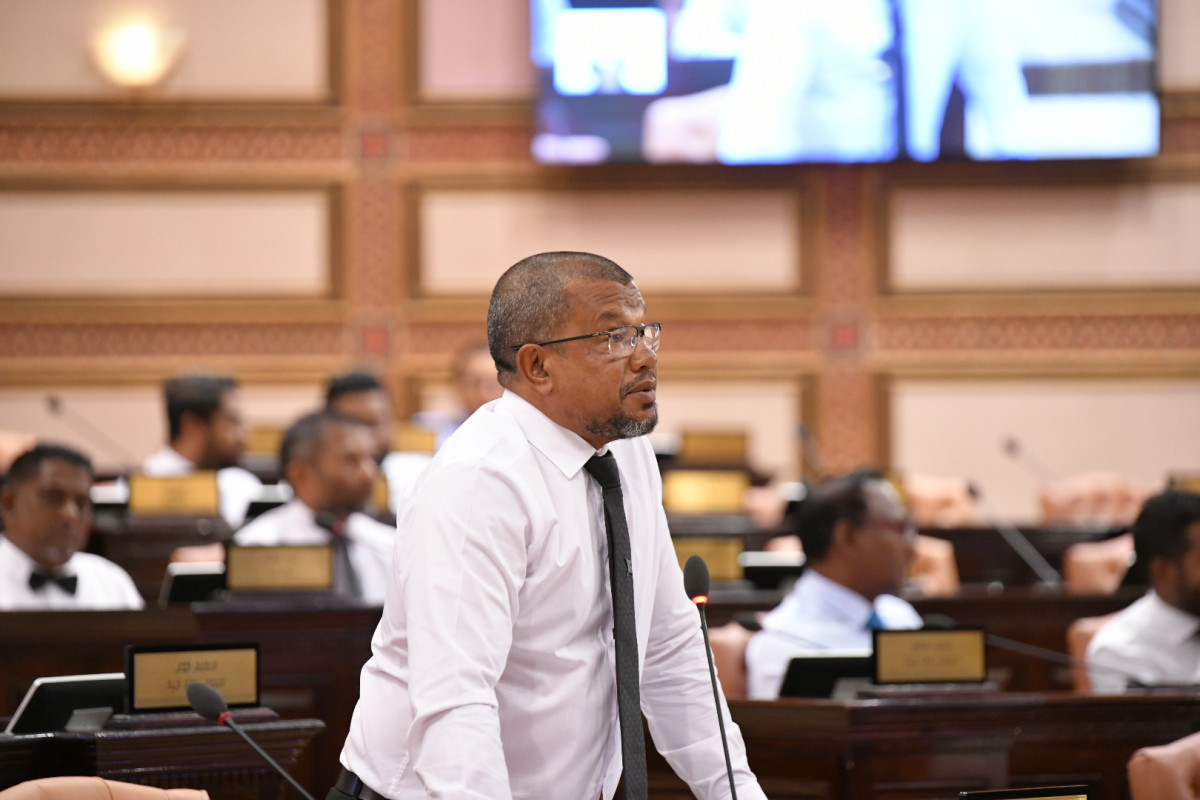
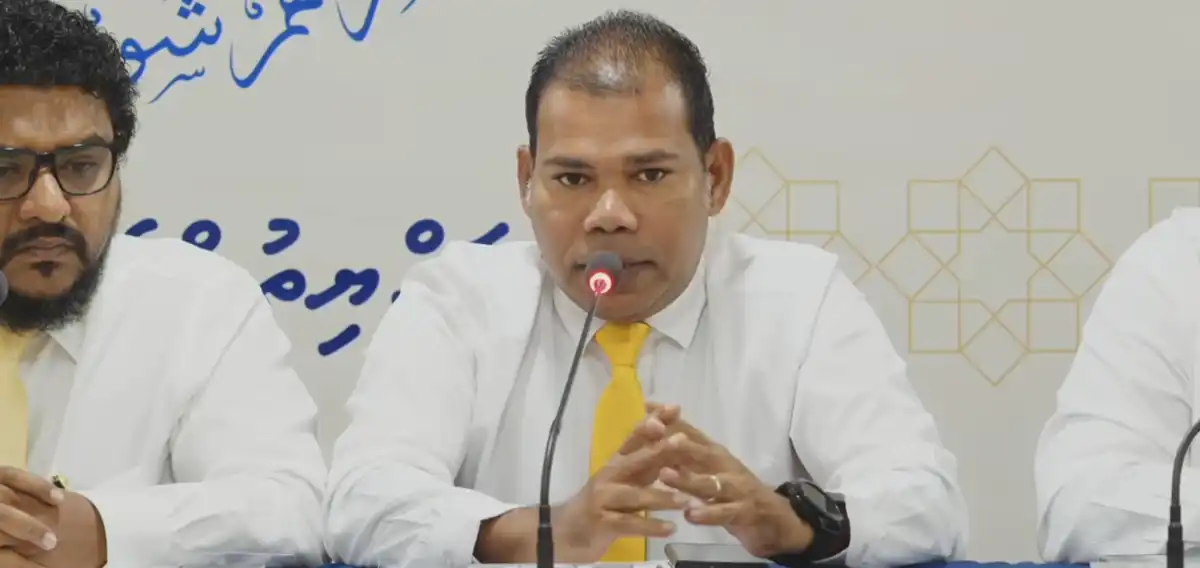
Mohamed Ibrahim, Member of Parliament for the North Galolhu constituency. | Majilis
Mohamed Ibrahim, the Member of Parliament for the North Galolhu constituency, has sent a formal letter to Aminath Zeeniya, the Managing Director of Aasandha Company, seeking a resolution to the difficulties faced by citizens when applying for NSPA assistance for intravitreal injections, a specialized eye treatment.
In the letter, MP Ibrahim highlighted the significant challenges citizens face in accessing this essential service. He noted that although the injection was previously covered under the Aasandha national health insurance scheme, it is no longer available through the system. The letter further emphasized that since patients often require three or more doses, paying MVR 7,900 out-of-pocket for each injection imposes an immense financial burden on ordinary citizens.
The letter further highlighted that the processing of NSPA applications for medical procedures not covered by Aasandha takes an excessive amount of time. It noted that when citizens contact the hotline for updates, they are not provided with adequate information or a specific timeframe; instead, they are often told that the matter is a private transaction between the hospital and Aasandha. The letter also pointed out that visiting specialists for such treatments are typically available for only a three-day period. It noted that while patients are consulted on the first day and scheduled for procedures—such as injections—on the second day, the necessary financial assistance is frequently delayed and remains unapproved by the time the procedure is due.
The letter noted that if patients proceed with the procedure at their own expense, the costs are not reimbursed later. It further emphasized that as this is a matter directly linked to public health, failure to provide an urgent solution would result in significant hardships for the citizens.
In light of these considerations, the member's letter urged for an expedited solution to be found to alleviate the difficulties faced by the public.