Statistics offer no real safety when Maldivians demand visible policing on the streets
28 ސެޕްޓެމްބަރު 2026 | ހޯމަ 10:29Despite official statistics suggesting a decline in criminal activity, the prevailing threats of street violence and the pervasive drug crisis have instilled profound fear within the community. Consequently, rather than merely presenting numerical data as evidence of progress, it is imperative to rigorously enforce the law and take substantive action to ensure that citizens genuinely experience a sense of safety and security

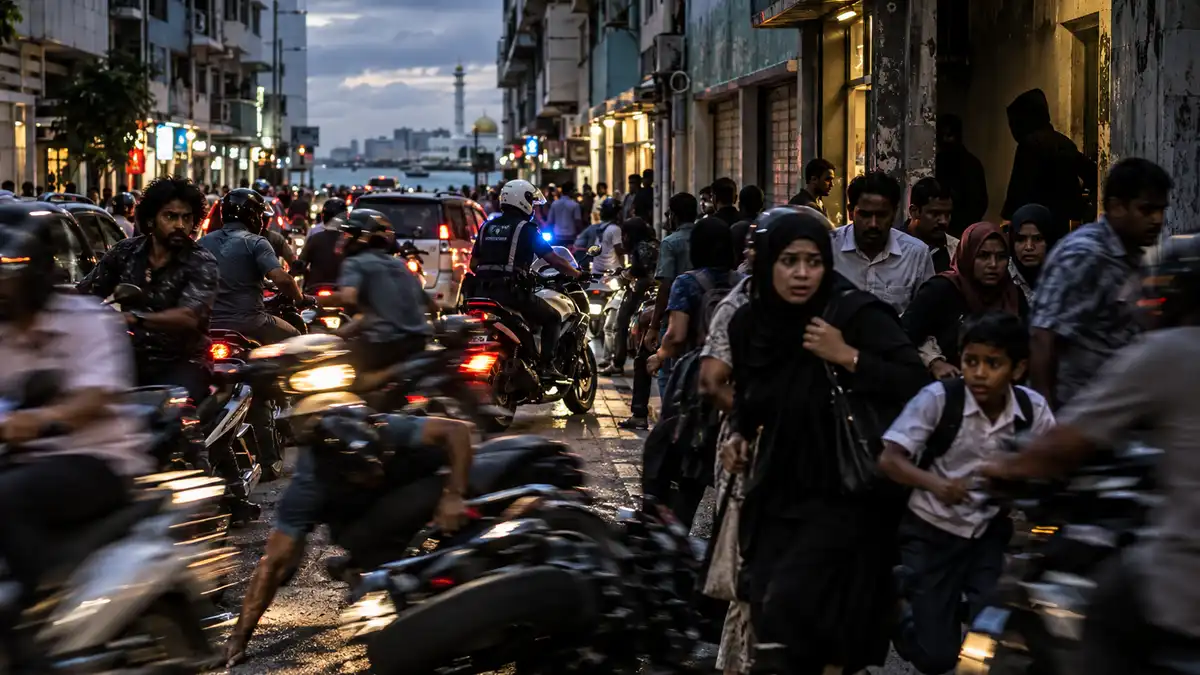
Maldivians deserve a stronger and more effective law enforcement system, one that improves everyday life, protects communities, and makes people genuinely feel safe | Raajje MV
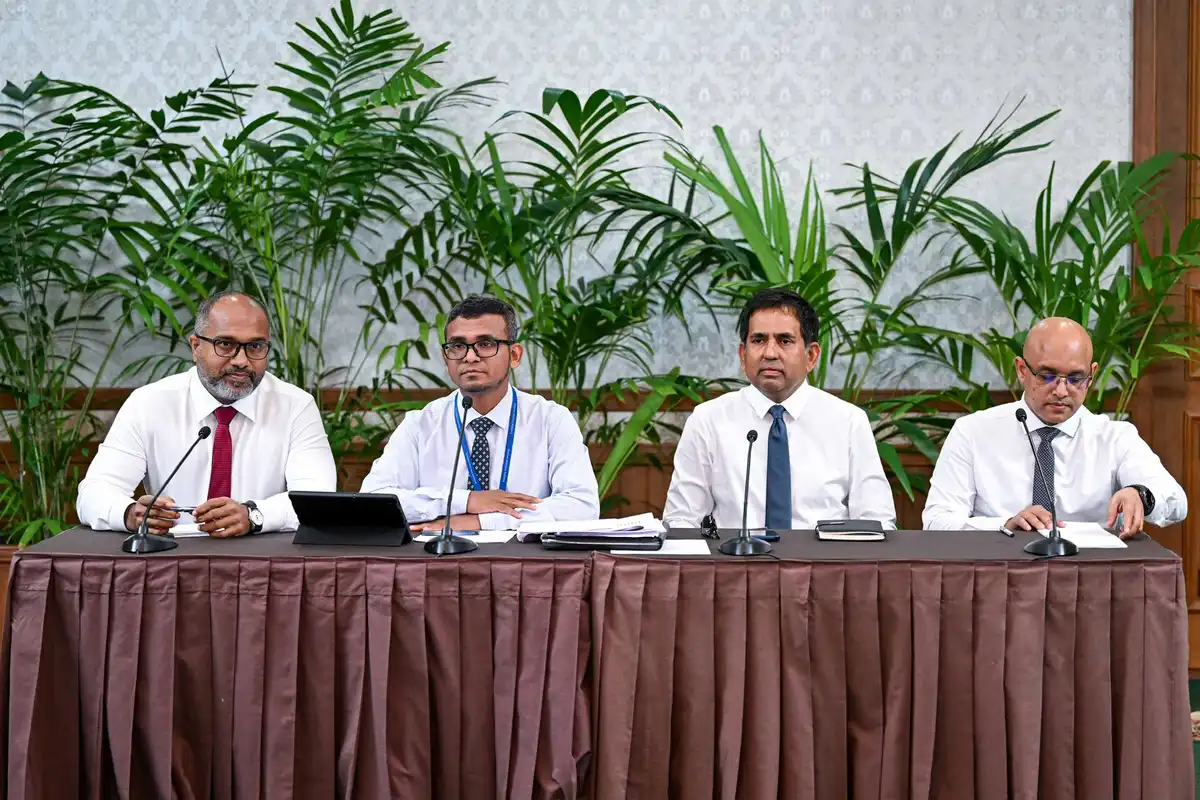
During an appearance at the Ahaa Forum, the Minister of Homeland Security, Labour and Technology Ali Ihusaan, rolled out an impressive arsenal of data. The official scorecard was packed with figures detailing seized illegal narcotics, active probes into narcotics syndicates, roundups tied to criminal gangs, stop-and-frisk totals within gang turf, traffic stops, shuttered narcotics dens, and the biometric tracking of more than a hundred thousand migrant workers. On paper, it sounded like an administrative triumph.
However, beneath this statistical barrage lies an uncomfortable reality: how secure do ordinary Maldivians actually feel?
Genuine protection cannot be tallied merely through police field operations. True safety is an instinct felt by an ordinary person stepping out of their front door and navigating local roadways. As long as reckless speed demons, motorists lacking permits, drivers intoxicated by illegal substances or alcohol, illicit narcotics distribution, gang syndicates, undocumented foreign laborers, and unregistered storefronts remain plainly visible to anyone walking by, all the towering tallies recited by state officials will never convince the public that they are truly secure.
Blood on the asphalt and the illusion of traffic control
The Maldives Police Service’s Crime Dashboard for 2026 tells an alarming story, documenting 2,137 road collisions. Broken down over the calendar year, this translates to roughly eight vehicular crashes reported every single day. Within 2026, traffic crashes alone consumed 23.9 percent of the entire police caseload. Alongside these roadway disasters, the dashboard tabulated 2,468 theft complaints, 1,909 illicit narcotics violations, and 461 cases of physical assault. When compiling every offense category tracked by the official portal, the collective average reached 8,950 total cases to date.
The human toll of these statistics hit home on September 25, when Aishath Mahidha, 26, lost her life following devastating trauma suffered during a crash along Sosun Magu in Malé City. Law enforcement verified that the 21-year-old youth navigating the motorbike was completely unlicensed. Officers eventually took him into custody and secured a 15-day remand.
However, this tragedy exposes a damning systemic failure: why was an unlicensed driver, who had already piled up multiple official penalties, permitted to continue tearing through the roads until a young woman paid with her life?
The public does not want retroactive wrist-slapping after blood has already been spilled. Citizens demand proactive legal deterrence before fatal collisions occur, cutting down lawlessness and establishing actual peace of mind.
Millions in seizures while street-level trade carries on
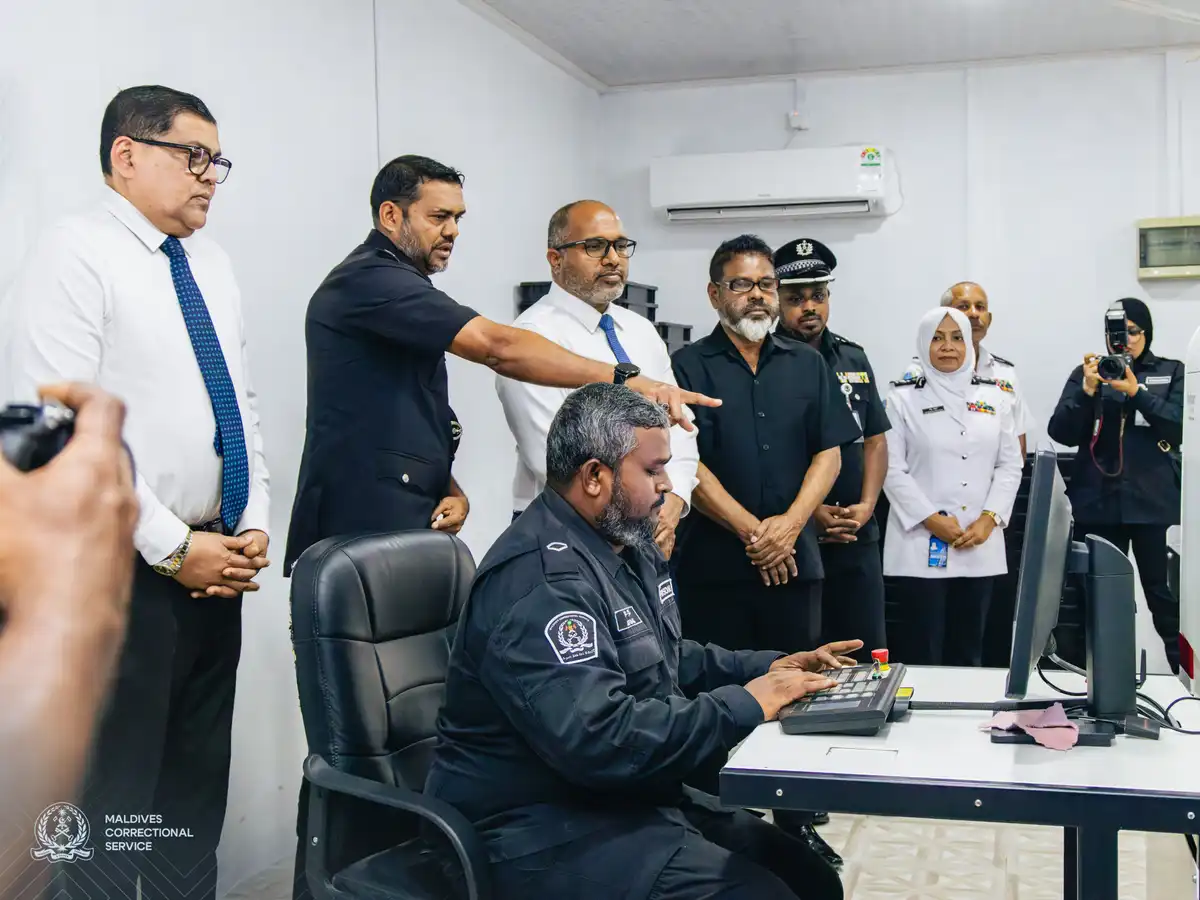
Minister Ihusaan also presented hefty narcotics tallies, announcing that authorities confiscated 1.3 tonnes of illegal substances over the prior two and a half years, carrying a street valuation of MVR 1.5 billion. The minister went on to claim that 24 narcotics networks are under active scrutiny, with files for three groups sent off to court.
Further, financial recoveries tied to suspected illicit drug operations reached MVR 3.6 million alongside USD 148,000. Through judicial mandates, 17 narcotics dens were shut down, specifically 12 across Malé City, four located in Addu, and one situated in Fuvahmulah.
State representatives added that every remaining narcotics den in the capital would be dismantled by late November.
However, what do these grand tallies actually achieve on the ground? If two dozen illicit rings are marked, how many have actually been smashed to pieces? How many cartel bosses have been convicted behind bars? What volume of illicit property has been permanently stripped away by the courts? Has the street-level supply of illegal substances openly witnessed by local residents actually dried up? Have drug-fueled overdoses, street brutality, and knife wounds declined? Is it any harder for young citizens to get their hands on a fix?
These are the only benchmarks that reflect genuine progress. Confiscating contraband matters only if it disrupts supply lines and chokes off availability. A criminal inquiry only carries weight when solid proof yields successful courtroom convictions. Padlocking an illicit consumption cafe is completely pointless if the clientele simply packs up and sets up shop around the corner.
Fatal, narcotics-fueled violence continues unabated during this administration. In July 2025, 29-year-old Moosa Ibrahim from L. Maavah succumbed to stab wounds. Police classified the fatality as an assault, subsequently arresting Mohamed Ibrahim and securing his remand under murder allegations. Contemporary accounts from island inhabitants and local reporting revealed that the fatal brawl erupted over an unpaid MVR 500 narcotics tab. Authorities also confirmed the accused held a prior record for narcotics violations.
This grim episode proves that state statistics must be taken with heavy skepticism.
Rebranding murders does not make communities secure
Minister Ihusaan boasted that gang violence has fallen drastically. Backing this claim, his presentation cited more than 50 targeted anti-gang operations, during which over 10,000 people were searched, 517 individuals were taken into custody, 670 vehicles were impounded, 26 properties tied to gang operations were shuttered, and 212 minors were extracted from criminal settings to receive support.
The minister also declared that 10 individuals pegged as syndicate bosses are under active investigation.
Most dramatically, the minister emphasized that, based on official logs, not a single Maldivian has perished from a gang-related assault over the past three years. Assuming these records are accurate, it is a welcome sign.
Still, cherry-picking this single data point cannot serve as the universal barometer for community protection. A citizen murdered over a narcotics transaction is routinely excluded from the gang killing column. A lethal drug overdose is never logged as a gang casualty. A violent brawl between players in the narcotics trade is easily shuffled outside the gang violence framework.
However, the stark weight of a life snuffed out under the shadow of narcotics is just as horrific as a gang slaying. The minister must confront this reality. Remedying the crisis demands abandoning cosmetic crackdowns on corner peddlers to aggressively target the major figures bringing massive drug shipments into the country, while slamming shut the maritime access routes used to smuggle them. The minister surely knows who these kingpins are.
The judicial system must produce transparent outcomes in organized crime prosecutions. Similarly, immigration crackdowns cannot remain a spectator event on the roads of Malé; enforcement must penetrate island workplaces, local businesses, fishing vessels, agricultural islands, and neighborhood communities. Rooting out undocumented labor from every corner of the economy remains an active, unresolved crisis.
Data sheets demonstrate ministerial exertion. Data sheets illustrate departmental workloads. Data sheets record police intervention. But cold numbers alone do not forge genuine security in the hearts of the public.
Real safety cannot be achieved by officials parading impressive statistics on stage; it happens only when law enforcement is felt, seen, and experienced by every ordinary citizen walking the street.