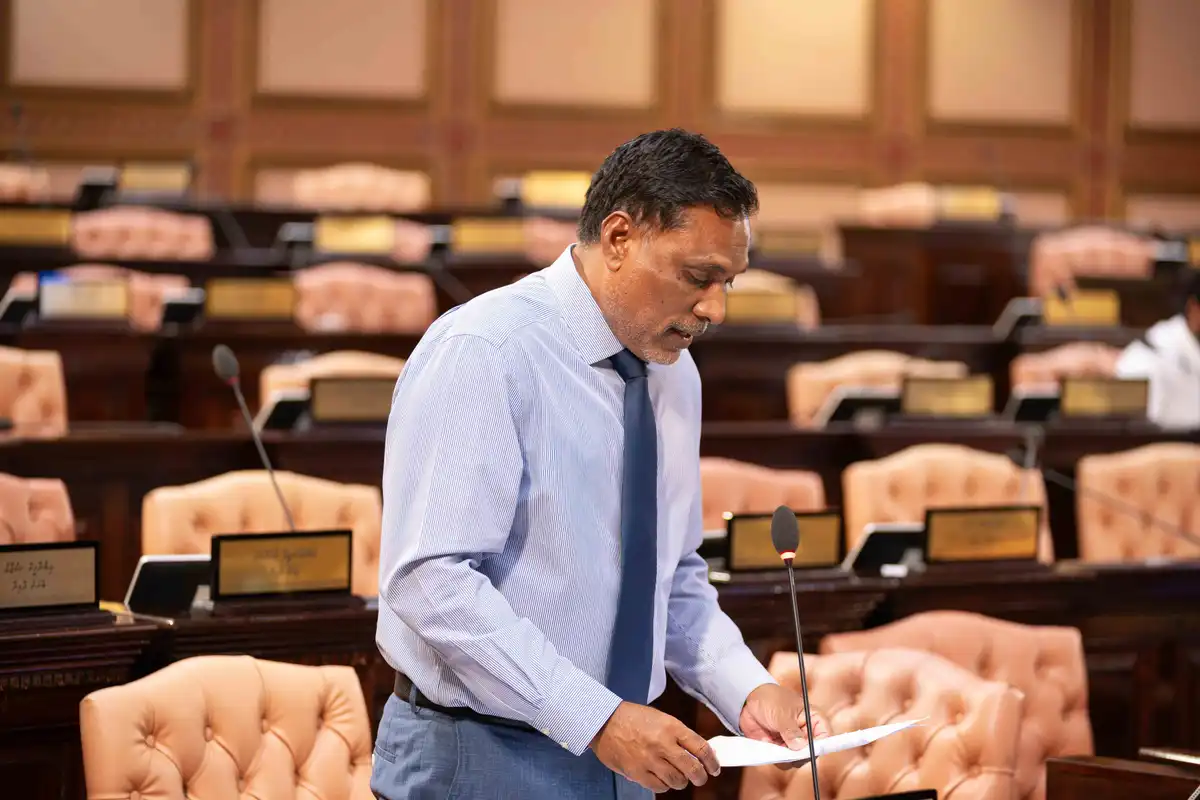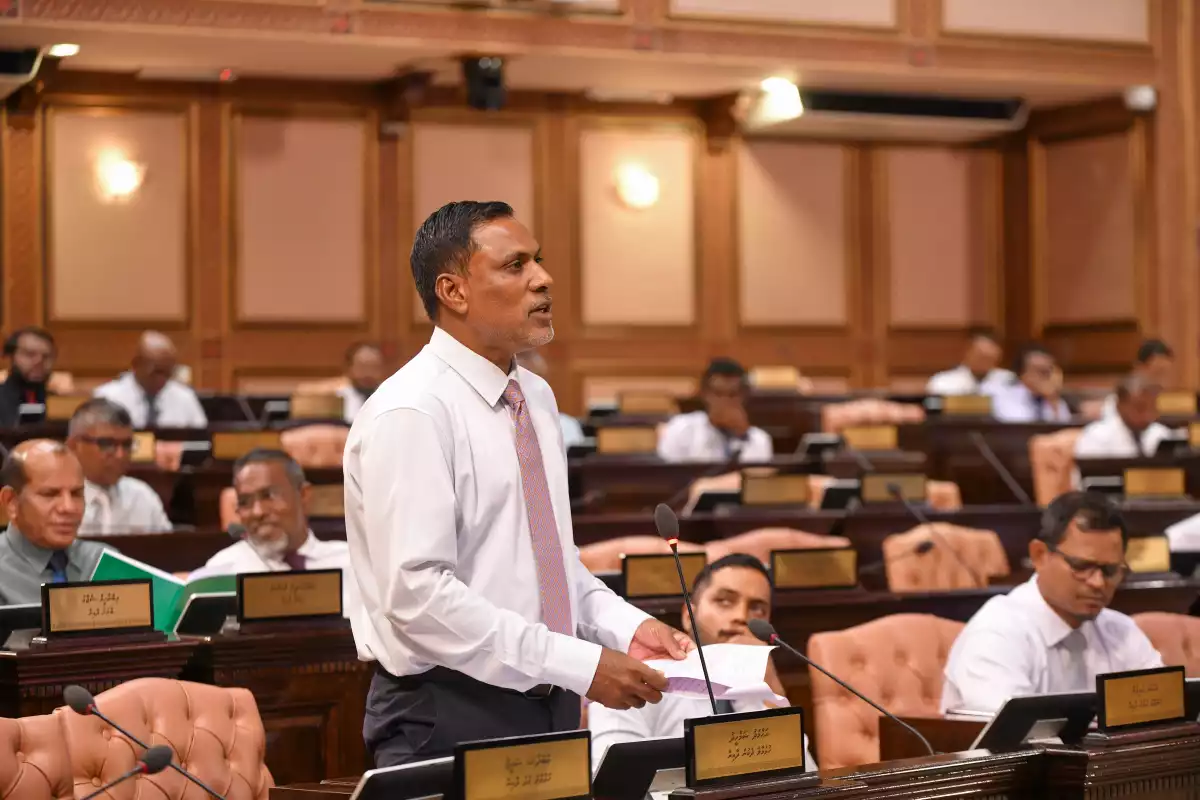
Ras Male' is one of Maldives' most valuable assets; we must oppose leasing it: Shamheed
23 ސެޕްޓެމްބަރު 2026 | ބުދަ 12:07MP Dr. Shamheed has warned that leasing valuable state assets, such as Fushidhiggaru and Enboodhoo lagoons, to foreign entities without parliamentary oversight poses a significant threat to the nation's future. Questioning the legal validity of agreements that fail to ensure adequate public returns from land reclaimed using taxpayer funds, he called for greater transparency and accountability in the management of such strategic national resources.

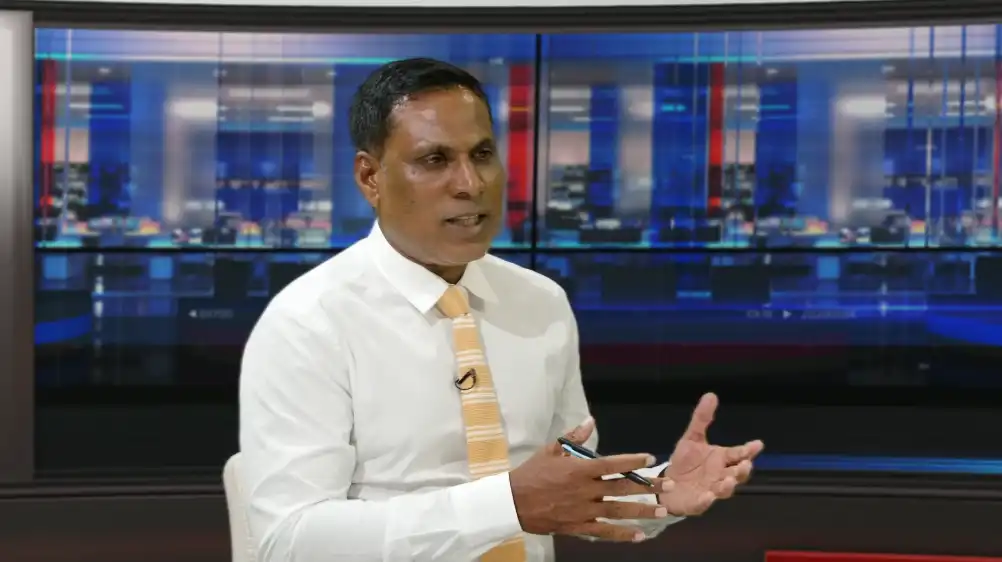
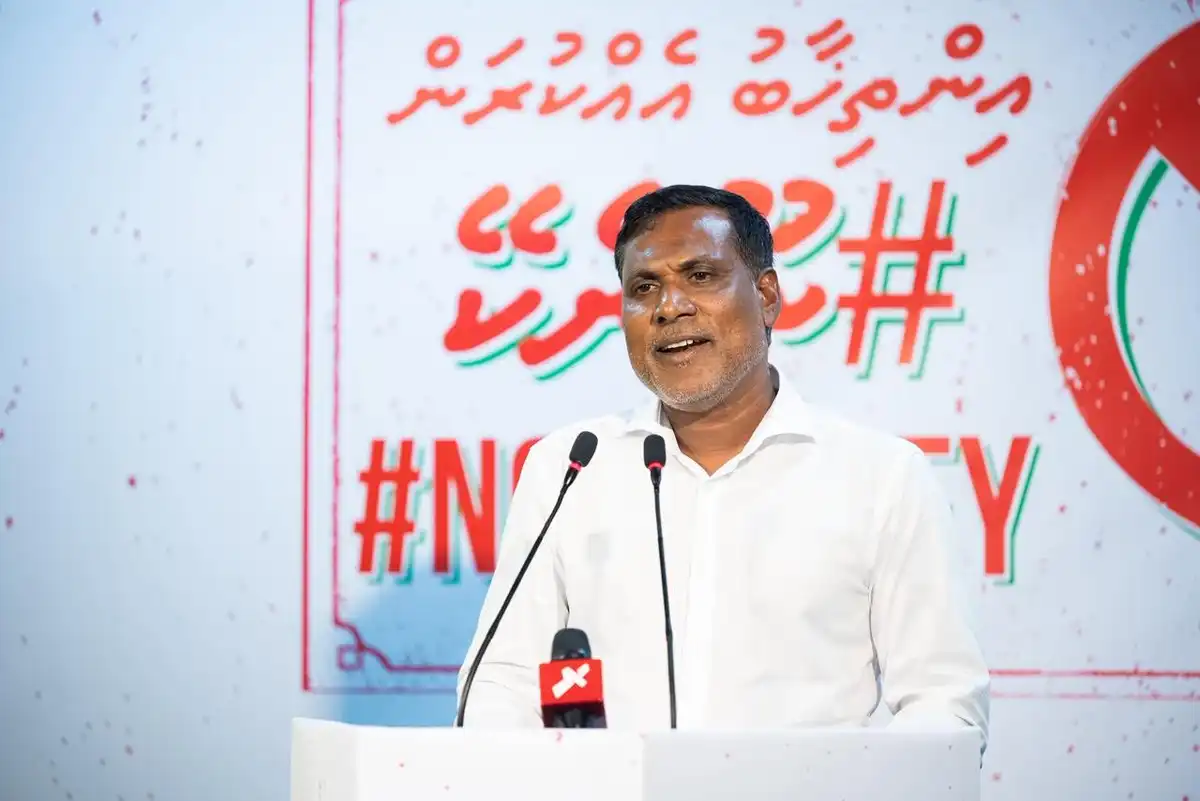
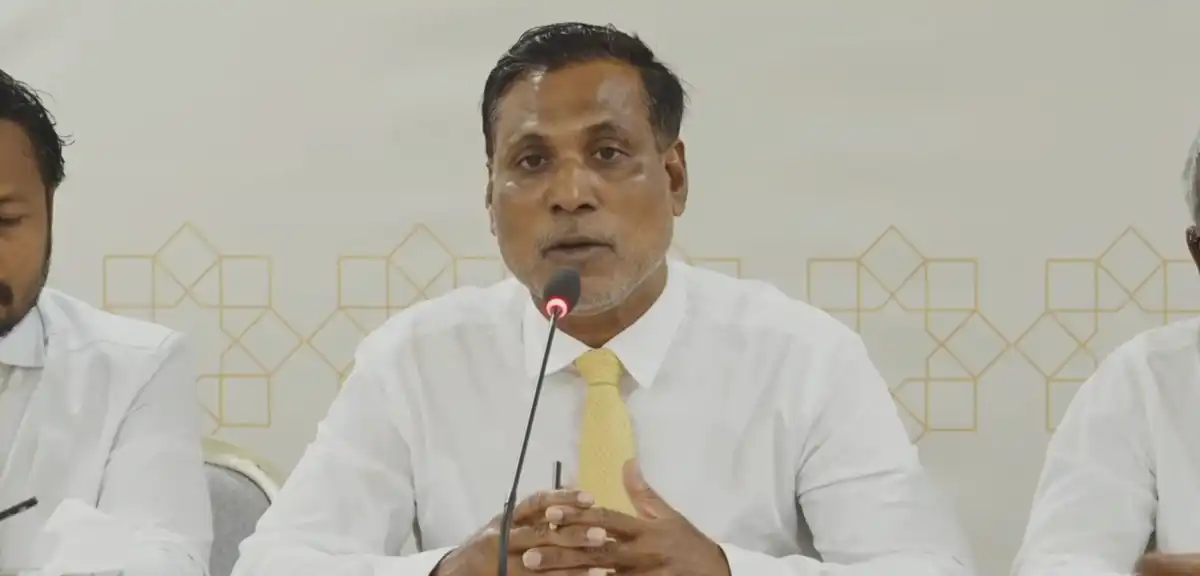
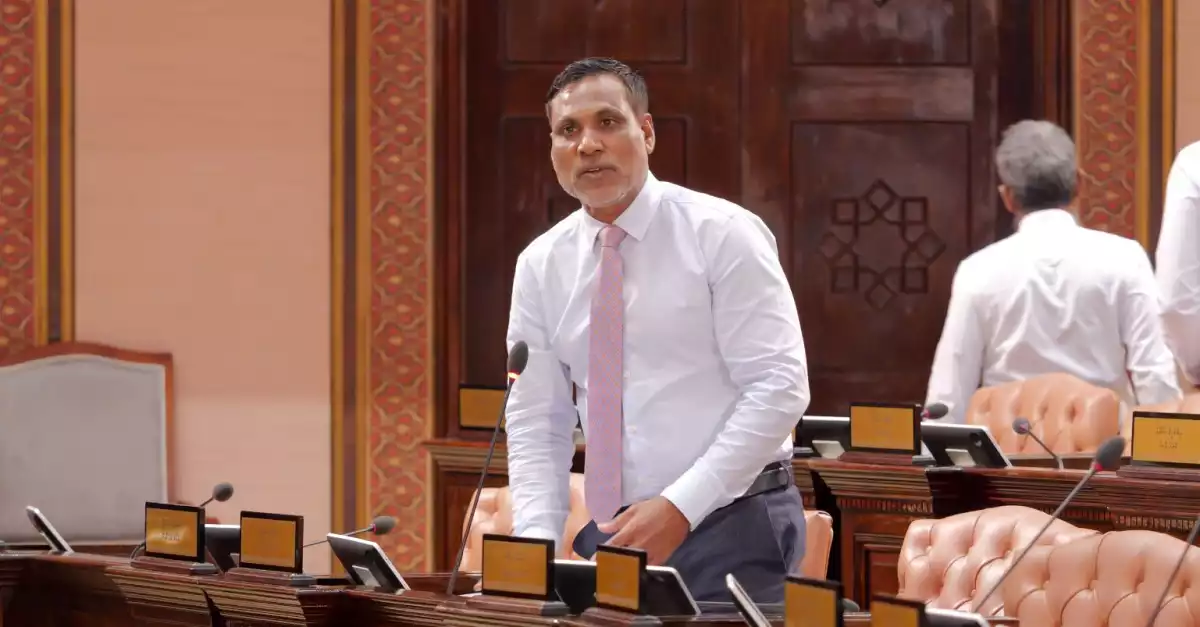
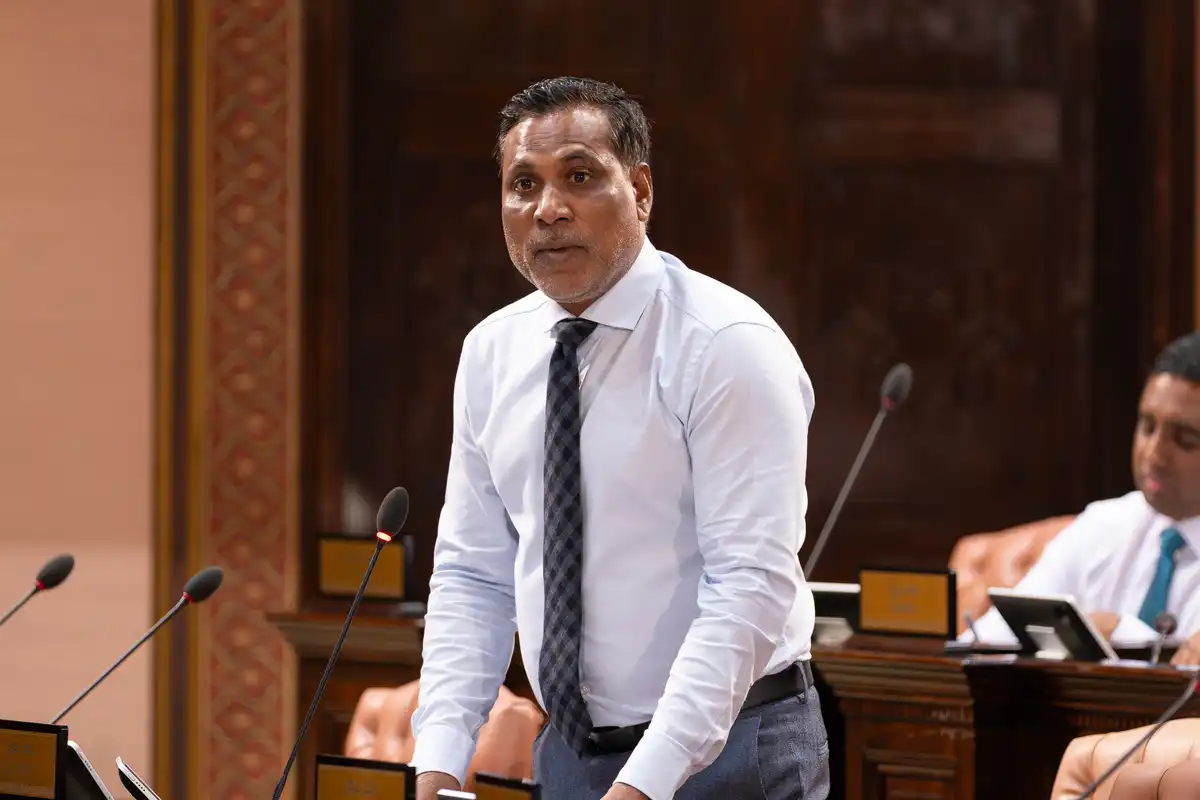
Dr. Ahmed Shamheed, Member of Parliament for the South Hulhumale' constituency, delivering his remarks. | RaajjeMV
Dr. Ahmed Shamheed, the Member of Parliament for the South Hulhumale' constituency, has stated that the Fushidhiggaru and Enboodhoo lagoons are the state's most valuable assets, directly linked to the future development of the Maldives, and must not be leased out.
In a post shared on X, Dr. Shamheed expressed his concerns regarding the long-term leasing of such strategically significant areas to foreign entities.
Dr. Shamheed stated that it is absolutely unacceptable to lease strategically important areas of the country to foreign entities for long periods based solely on the discretionary power of the incumbent head of state. He further emphasized that while the Constitution of the Maldives vests the primary responsibility of holding the government accountable in the People’s Majlis, such invaluable state assets must not be sold or leased in secrecy, even from the parliament.
Furthermore, Dr. Shamheed raised serious questions regarding the legal validity of agreements where land is reclaimed using public tax money without any mechanism for the state to recover the reclamation costs. Based on current land values in Hulhumale', he estimated that the market value of these reclaimed areas would range between $10 billion and $17 billion.
Highlighting the necessity of substantial investment for national economic growth, Dr. Shamheed emphasized the need to reject agreements structured to provide undue advantages to specific parties at the expense of the state. He further asserted that such matters must proceed with transparency, subject to parliamentary oversight and scrutiny.
Regarding the matter, Dr. Shamheed further stated that since state property and land belong to the public, it is essential to ensure that the benefits derived from them directly reach the state and its citizens. He also warned that such transactions, conducted in a manner that results in significant losses to the state, will have a detrimental impact on the nation's future.