Long-serving employees sidelined as Kamadhoo Fenaka branch staff transition to STELCO
22 ޖުލައި 2026 | ބުދަ 04:43Long-serving permanent employees at the Fenaka branch in B. Kamadhoo have been left in a state of uncertainty following the transfer of services to STELCO, as they find themselves unable to report to work. While STELCO has reportedly only absorbed temporary staff under the new transition, the sidelined permanent employees have yet to receive any official documentation regarding their employment status or guarantees concerning their salaries.


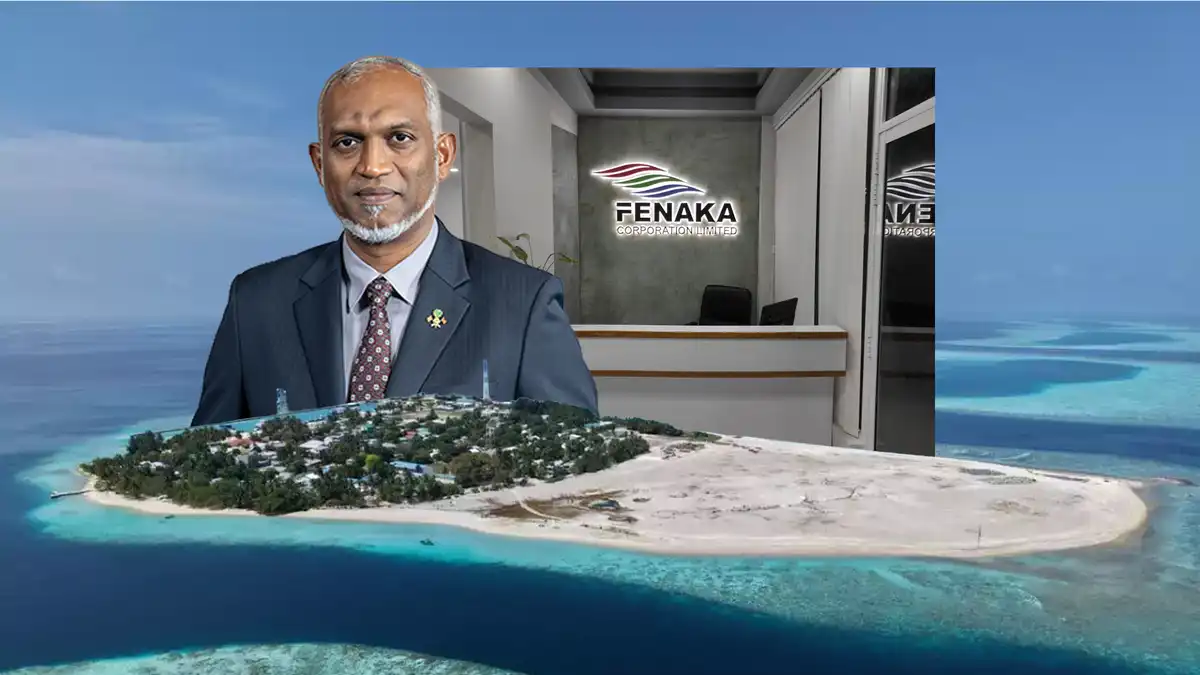
Fenaka Corporation Limited. | Copporate Maldives
Long-serving employees at the Fenaka Corporation branch in B. Kamadhoo have been left in a state of uncertainty and without a means to report for work following the transfer of the island's utility services to STELCO.
According to a resident of Kamadhoo who provided information on the matter, several employees were informed today that they are no longer required to report for work following the transfer of the Kamadhoo Fenaka office to STELCO. The source noted that those dismissed include permanent staff members who have served at the utility for many years. However, he further alleged that STELCO has only retained staff who were previously employed by Fenaka on a temporary or contract basis.
As neither Fenaka Corporation nor STELCO have officially communicated with the staff regarding these changes, the sidelined employees remain in a state of uncertainty and distress, with no assurance regarding their salaries. A local source stated that although no official termination notices have been issued yet, they have received information through informal channels indicating that the decision to dismiss them has already been made.
"No official letter has been received, nor has there been any formal notice of termination; we were simply told not to report for work today. It remains unclear whether we will be paid or not. Absolutely no information has been provided."A resident of Kamadhoo spoke with the press.
He further noted that the sidelined employees include administrative staff, technicians, and manual laborers. He described the situation as a grave injustice, pointing out that while temporary and contract workers were transferred to STELCO, permanent employees who had served the company faithfully for many years were left behind.
While the current administration continues to terminate ordinary employees at state-owned enterprises under the guise of cost-cutting—leaving many families in financial distress—the number of political appointees continues to rise. This trend has drawn widespread public criticism toward President Muizzu and his government. Although President Muizzu assumed office with a pledge to limit political appointments to no more than 700, over 3,000 individuals have been appointed to political positions within the past two and a half years.