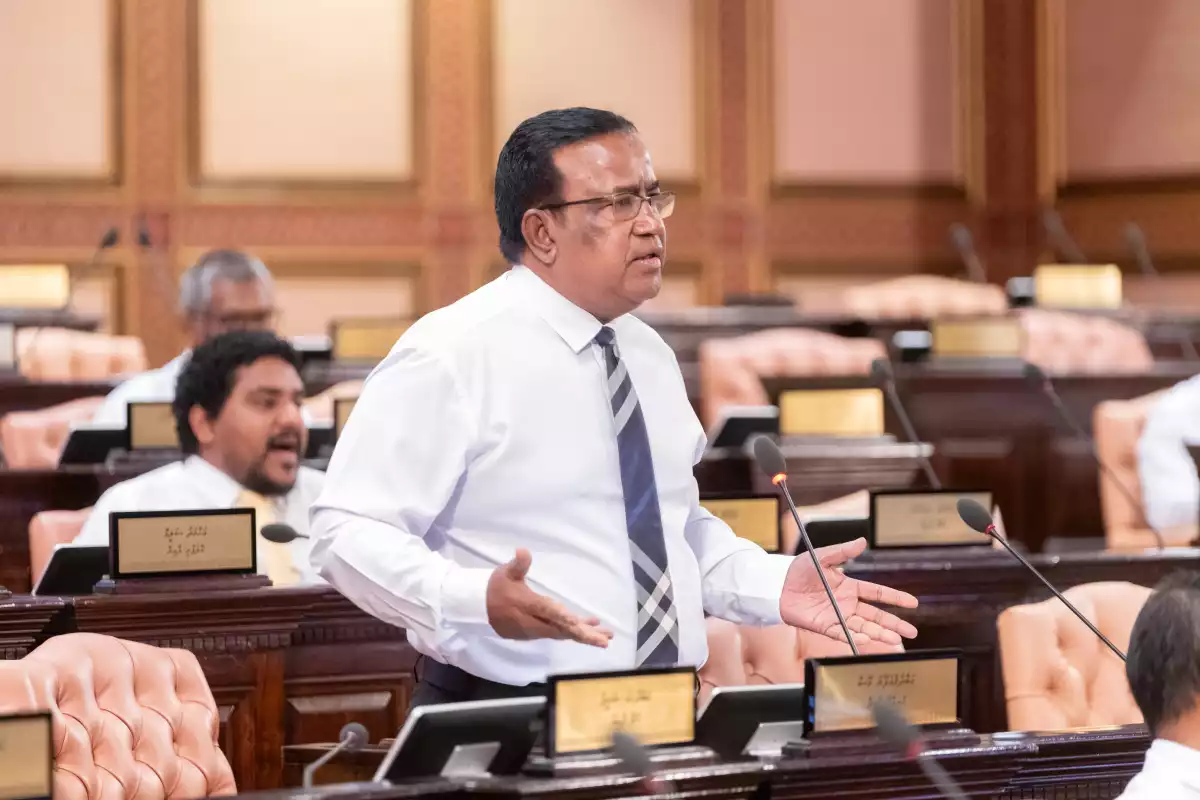
Didi opposes ministerial control of citizens' personal data
6 ޖުލައި 2026 | ހޯމަ 09:01While acknowledging the positive objectives of the Digital Identity Bill, Maradhoo MP Ahmed Didi has expressed concerns over granting a politically appointed minister or government agency the authority to manage citizens' personal data. He emphasized that, consistent with international best practices, such systems should be overseen by an independent institution free from political influence, and called for further scrutiny of the legislation. The People's Majlis has since accepted the bill and forwarded it to the relevant committee for detailed review.

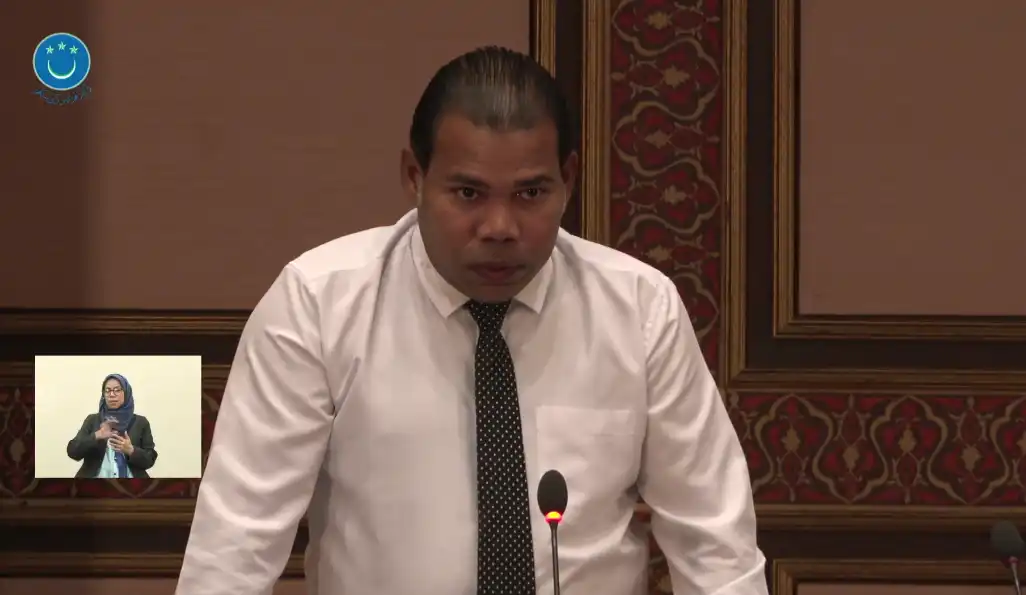
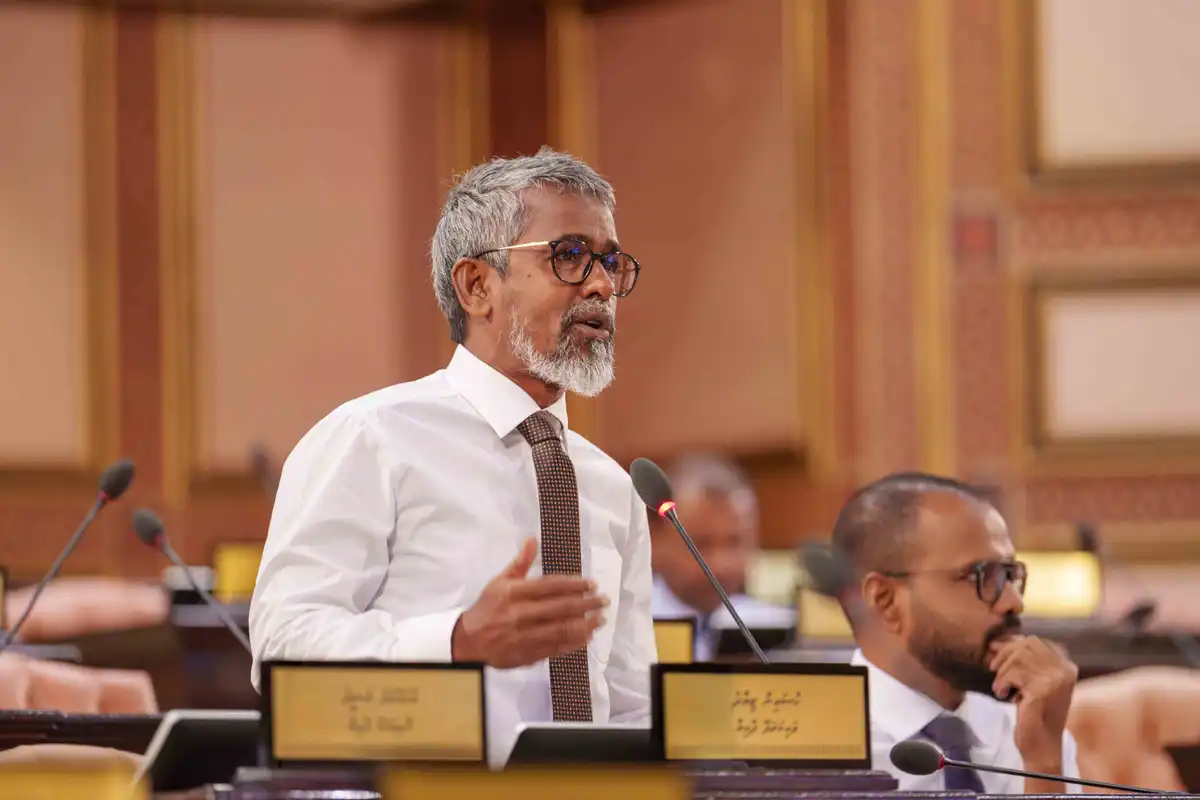
Ahmed Didi, the Member of Parliament for the Maradhoo constituency, delivers his remarks during a parliamentary sitting. | RaajjeMV
Ahmed Didi, the Member of Parliament for the Maradhoo constituency, has stated that the authority to manage the personal data of citizens must not be granted to a government minister or any individual under government influence.
During Monday's parliamentary sitting, MP Ahmed Didi stated that the Digital Identity Bill is a significant piece of legislation with commendable objectives.
However, he stated that the government's motives remain questionable, expressing concerns over granting extensive legal powers to "Maldives Digital Service"—an agency operating under the Ministry of Homeland Security and Technology—to manage citizens' personal data. He further noted that the Home Minister’s role as the oversight authority for this entity raises significant questions.
Didi emphasized that no politically influential individual should be granted the power to track or access the personal data of Maldivian citizens at their discretion. He noted that further consultations with relevant stakeholders and additional research are necessary, highlighting that the bill involves highly technical complexities.
Furthermore, Didi stated that while similar laws are enforced in other countries, such responsibilities are typically entrusted to independent institutions or authorities free from political influence. He emphasized that the Maldives should adopt the same approach.
As the bill is currently drafted, the Home Minister—or a ministry designated by the government—is granted oversight of all these matters, including digital identity and the initiatives proposed under "Maldives 2.0." This has led many to question whether the public's data will be adequately protected. Concerns arise from past instances where ministerial powers, particularly under this administration, have been misused to serve party interests or government agendas. Therefore, I believe it is crucial for the committee to review these provisions during its deliberations. It is essential that oversight of these systems be entrusted to an independent body or a separate, autonomous institution to ensure accountability.Ahmed Didi, Member of Parliament for the Maradhoo constituency.
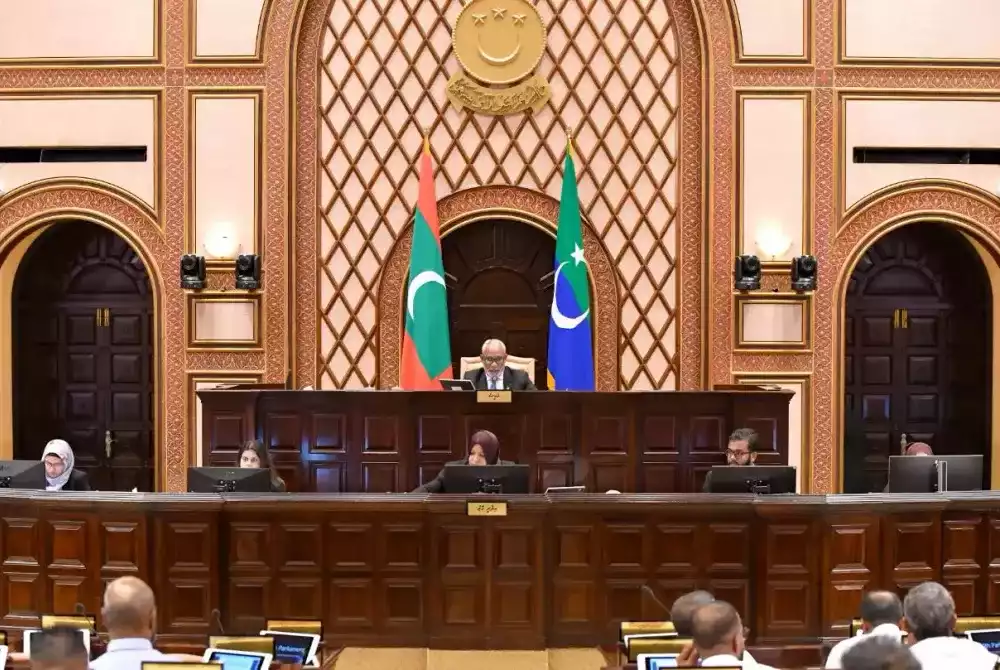
During Monday's sitting, the Maldives 2.0 Digital Transformation Bill was accepted with 49 votes in favor and subsequently forwarded to committee. The bill will be reviewed by the Information Communication Technology Committee.
The Digital Transformation Bill, as currently drafted, limits the Parliament's role in overseeing and holding the proposed institution accountable. According to the bill, the agency will function under the Ministry of Homeland Security, Labour and Technology, with the Minister being the sole authority responsible for answering to Parliament on all matters related to the institution.
Once the bill is enacted into law, the Maldives Digital Service—established on January 16, 2026—will be headed by the Commissioner for Digital Technology. The President holds the authority to appoint and dismiss the Commissioner. Furthermore, the Commissioner shall be accountable to both the Minister of Homeland Security, Labour and Technology and the President.