Fenaka Amends Redundancy Policy to Facilitate Mass Layoffs Amid Ongoing Political Appointments
22 މެއި 2026 | ހުކުރު 11:14Following the Privatization and Corporatization Board’s (PCB) directive to transfer certain Fenaka services to STELCO, a new policy has been established allowing for staff redundancies as part of an administrative restructuring. While the company maintains that these measures are necessary to improve operational efficiency and service quality, it has faced public backlash for expanding political appointments while simultaneously preparing to downsize its workforce due to financial constraints.

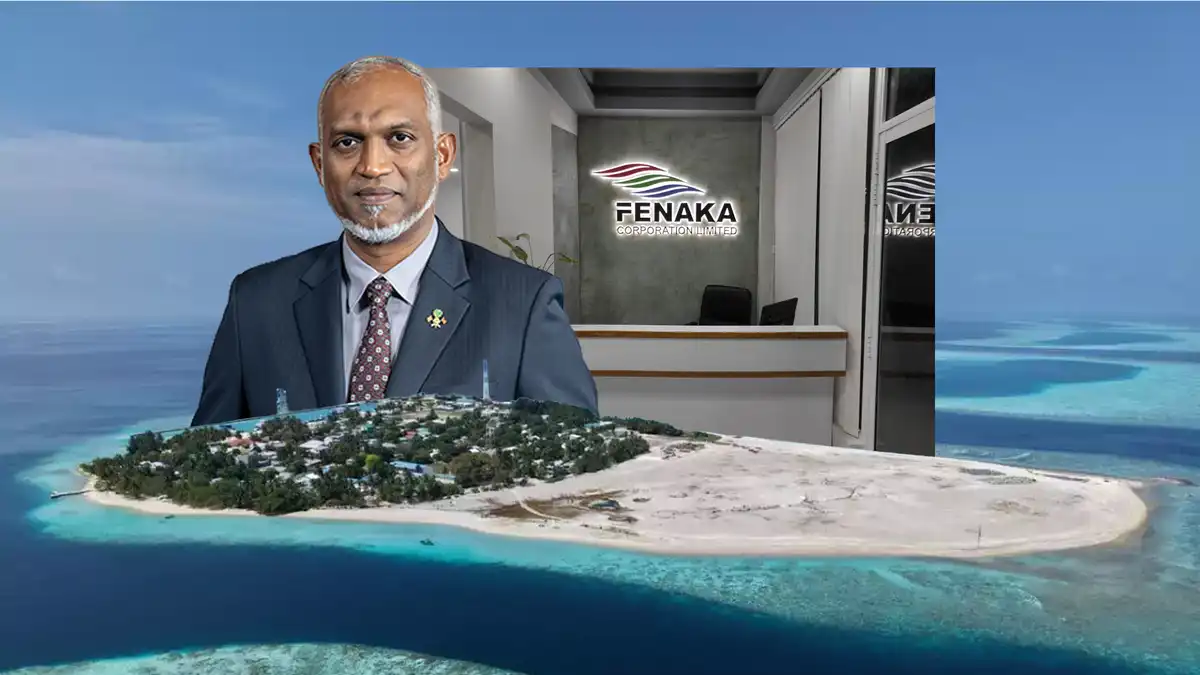
In the lead-up to the elections, the current administration has created thousands of jobs within Fenaka Corporation, despite the utility provider operating under significant financial losses. | RaajjeMV
Fenaka Corporation Limited has amended and implemented its "Redundancy Policy" to allow for large-scale staff layoffs, citing the move as a necessary measure to overcome the severe financial challenges currently facing the company.
The new policy was approved during the company's Board of Directors meeting held on May 13.
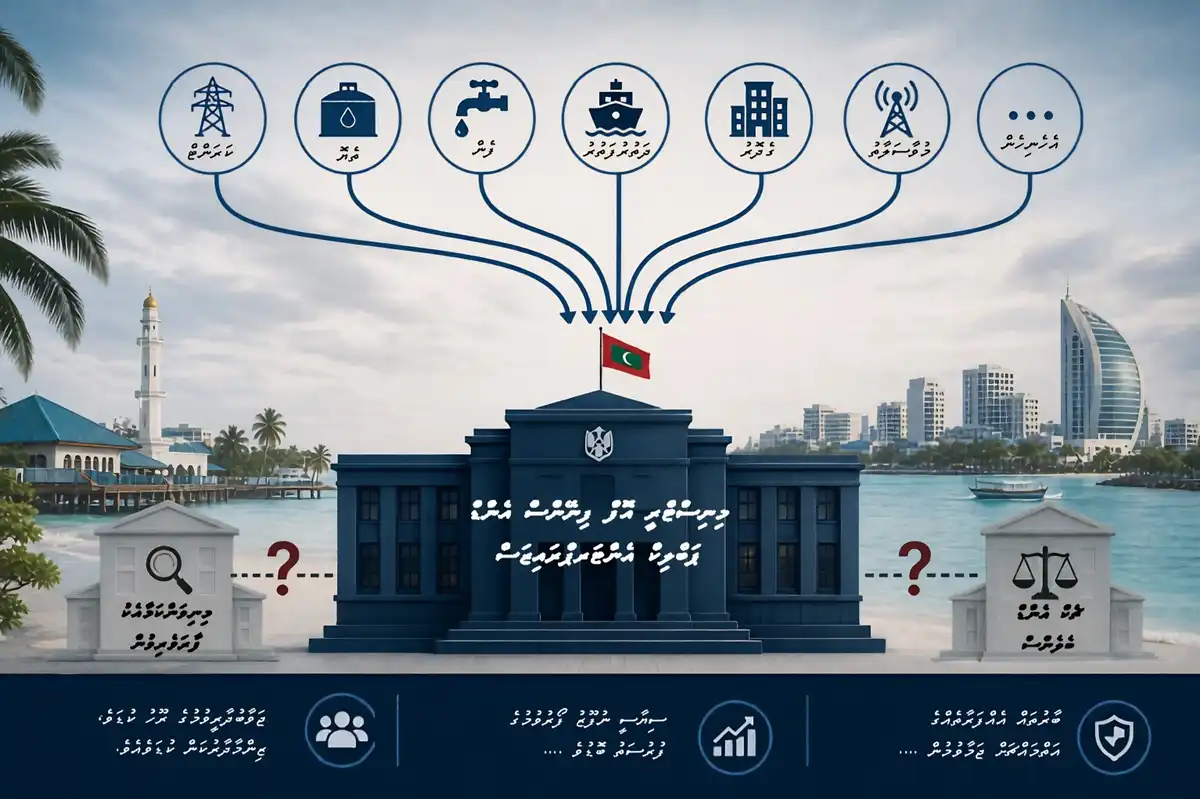
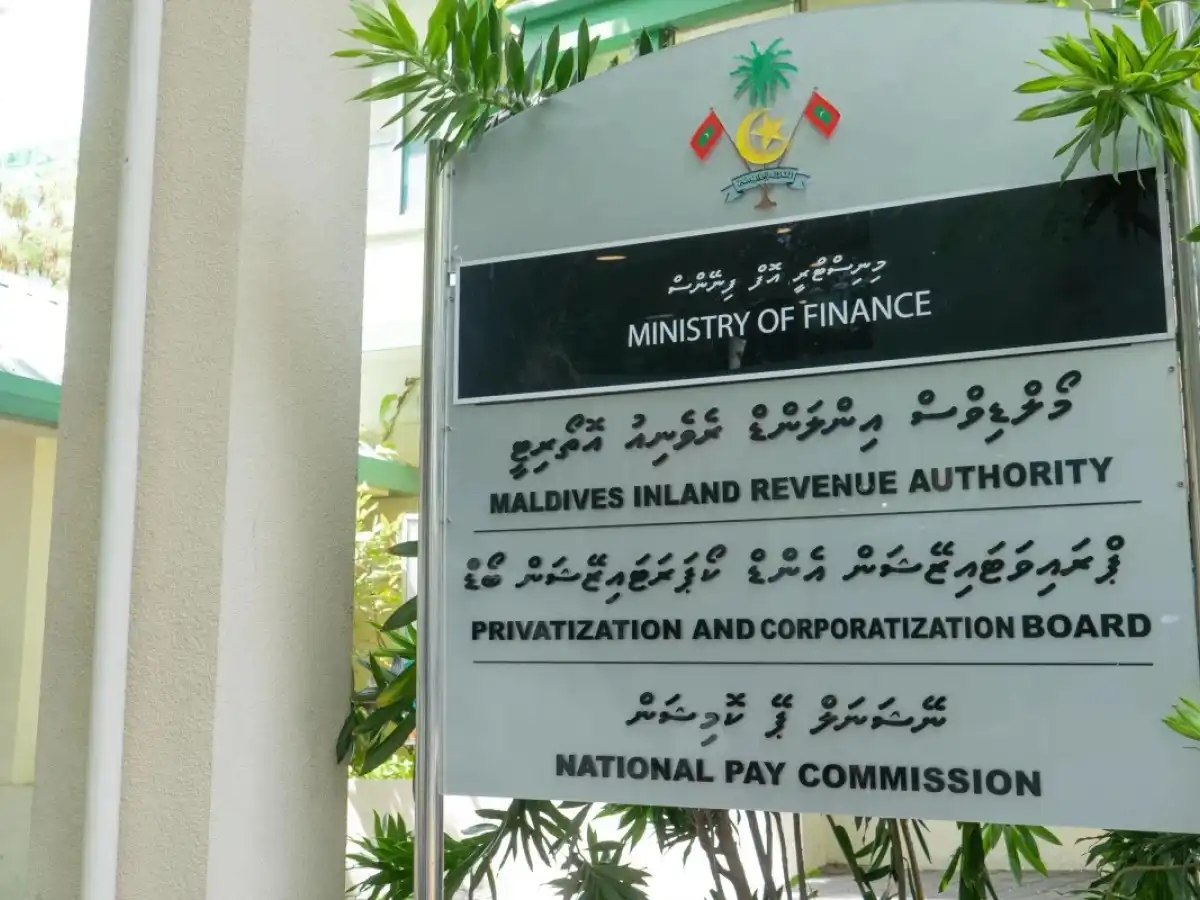
In a circular issued by Fenaka Corporation, the company stated that the Privatization and Corporatization Board (PCB) has directed it to implement necessary measures to improve its financial standing and streamline operations. Furthermore, the PCB has instructed Fenaka to transfer all services it currently provides across the region spanning from Baa Atoll to Meemu Atoll to the State Electric Company Limited (STELCO).
In light of these structural changes to the company's administrative framework, the "Fenaka Corporation Limited Redundancy Policy 2024" outlines the procedures to be followed in instances where employee termination becomes necessary. Under this policy, four primary circumstances have been established under which an employee may be made redundant.
These include instances where a business operation or service provided by the company is discontinued, or where a position is made redundant due to organizational changes. Furthermore, the policy empowers the company to terminate employees if a position is eliminated through structural restructuring, or in situations where downsizing becomes necessary due to a decline in the company's financial standing.
Fenaka stated that these changes are aimed at enhancing the quality of services provided to the public and facilitating the swift implementation of corporate decisions. The company further noted that its Human Resources Department will provide assistance to employees seeking additional information regarding these developments.
However, while a new policy has been formulated to terminate employees due to the company’s deteriorating financial situation, public outcry is growing over allegations that new staff are still being recruited for political purposes. As fears of mass layoffs loom, many believe that the continued distribution of jobs through political influence will only further exacerbate the company’s financial instability.