Revolving door of influence within PNC
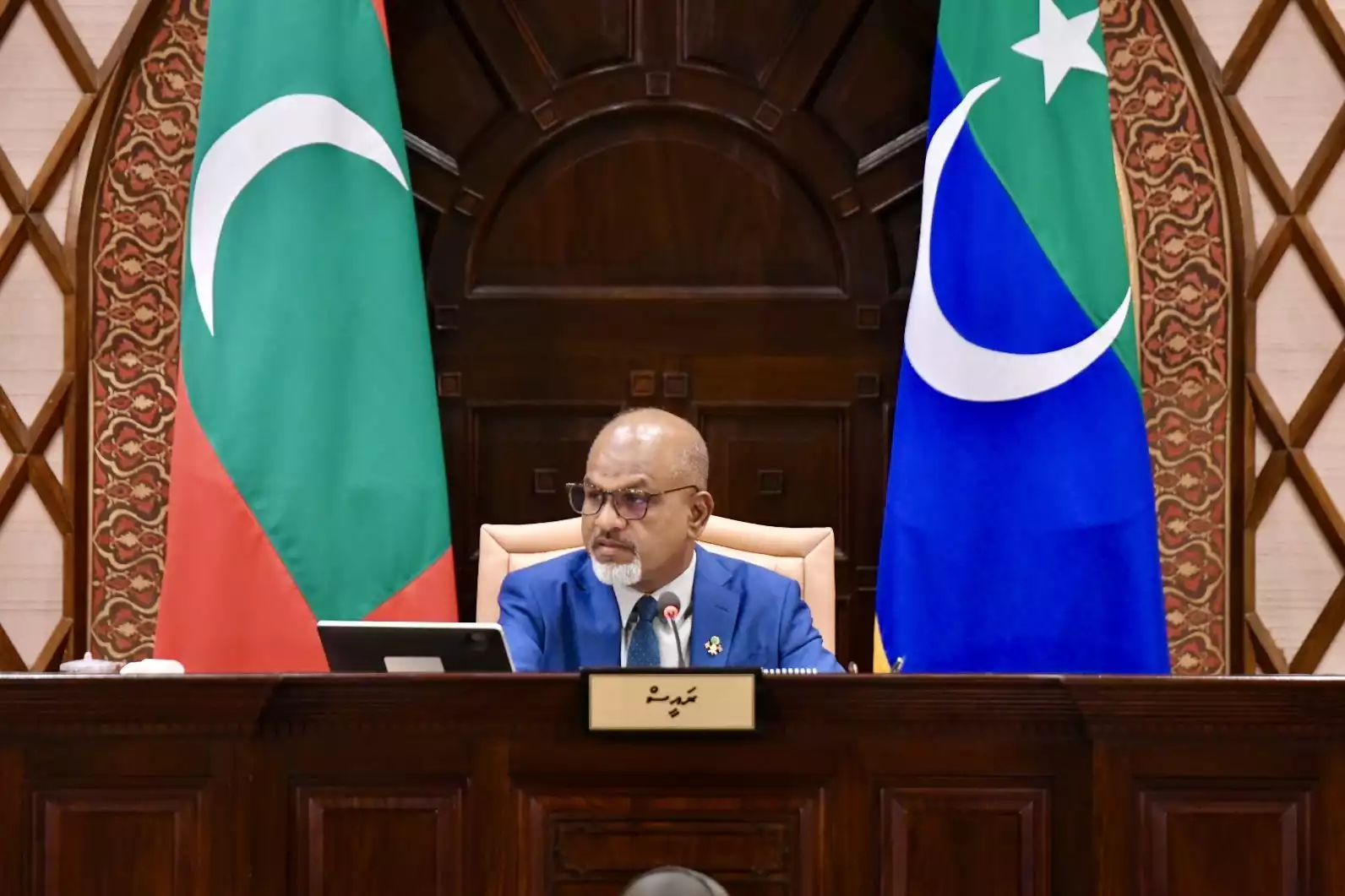
14 މެއި 2026 | ބުރާސްފަތި 12:50The political landscape within the ruling party is marked by volatile shifts in power and influence. Speaker Abdul Raheem, once sidelined after being the administration's primary architect, has recently regained his status as a key presidential ally. Meanwhile, the president’s cousin, Ahmed Nazim, has been systematically ousted from his leadership roles and parliamentary committees. These rapid cycles of favor and isolation highlight the party's unpredictable internal dynamics.


President Muizzu and some members of the PNC PG Group. | RaajjeMV
Maldives is traditionally defined by two seasonal shifts, the southwest monsoon and the northeast monsoon. However, those familiar with the main ruling People’s National Congress (PNC) know that the party operates on its own erratic meteorological cycle. Predicting the climate within PNC is a fool’s errand, as the political weather determines who basks in the sun of favor and who is left shivering in the cold of isolation. Power is granted and snatched away with the speed of a passing storm, leaving the political landscape littered with the remains of former favorites.
Era of indispensable architect
There was a time when the machinery of government seemed incapable of turning without Abdul Raheem Abdulla, the Speaker of the People’s Majlis. He was never shy about his role, frequently taking to podiums to remind the public that he was the mastermind who orchestrated the electoral triumph of President Dr. Mohamed Muizzu. During this peak season of influence, Abdul Raheem was the puppet master of the administration, steering key appointments, purging officials and vetting candidates with absolute authority.
He was the undisputed face of PNC rallies and the primary counsel behind the selection of ministers and state ministers. His dominance was so complete that his own son was handed the Ministry of Tourism, arguably the most vital portfolio in the entire Muizzu cabinet. Back then, the idea of the president functioning without his top advisor was unthinkable.
A sudden chill for the Speaker
The political winds, however, eventually turned frostier for Abdul Raheem. The first sign of a seasonal shift was the dismissal of his son from the cabinet. The cold front intensified during a supposedly record-breaking PNC rally where the speaker was notably denied a chance to address the crowd. The most cutting blow came from the president himself; having previously lauded Abdul Raheem as the engine of his victory, Muizzu used that night to pivot toward a narrative of self-reliance, omitting any mention of his formerly essential advisor.
The once-mighty speaker soon appeared like a bird trapped in a cage, sidelined within the very parliament he was supposed to lead. As his influence withered, whispers began to echo through the halls of power suggesting that a move to strip him of the speakership was already in motion.
Rise of the presidential cousin
As Abdul Raheem’s star faded, the spotlight found a new target in Ahmed Nazim, the Deputy Speaker and MP for Dhiggaru constituency. Being a cousin of the president certainly did not hurt his ascent, and soon the air was thick with praise for his administrative brilliance. Nazim became the face of the government’s controversial Media Control Bill and emerged as the primary shield for the administration's policies.
His work on two of the most influential parliamentary committees became the talk of the town, and his rising profile began to cast a long shadow over Abdul Raheem. It seemed a foregone conclusion to many observers that the Deputy Speaker was destined to seize the Speaker’s gavel and cement his status as the new power broker.
Another monsoon of betrayal
In PNC, however, no season lasts forever. The party’s parliamentary group has now pivoted, deciding to cast Ahmed Nazim out of the Deputy Speaker’s seat. The campaign to isolate him was methodical, starting with his eviction from the two most significant bodies in parliament, the Public Accounts Committee and the National Security Services Committee.
The exclusion became digital when he was purged from the primary WhatsApp group used by party members. The final humiliation came when his own colleagues boycotted a parliamentary session specifically to ensure he could not preside over the chamber.
Return of the old guard
As Nazim is pushed into the shadows, the cycle has miraculously swung back in favor of Abdul Raheem. The speaker is suddenly back in the limelight, his voice once again echoing at major state events. The narrative has shifted yet again, with renewed efforts to brand him as the president’s most trusted ally.
The internal waters of PNC remain dangerously choppy, proving that even blood relations like Nazim’s cannot withstand the party’s volatile political currents. With the cousin’s influence effectively dead, the only question remaining is who will be the next figure to rise before the seasons change once more.