Numerous international and local organizations call on Muizzu administration to halt its efforts to implement death penalty in Maldives
17 އެޕްރީލު 2026 | ހުކުރު 08:28Ten international and local organizations have voiced their opposition to the Maldivian government's decision to introduce a bill to implement the death penalty. Highlighting that the bill contravenes international human rights treaties, the groups called for the repeal of provisions allowing capital punishment for drug-related offenses. As many countries worldwide continue to abolish the death penalty, these organizations urged the government to reconsider its decision, citing significant concerns regarding the integrity of the Maldivian judicial system.
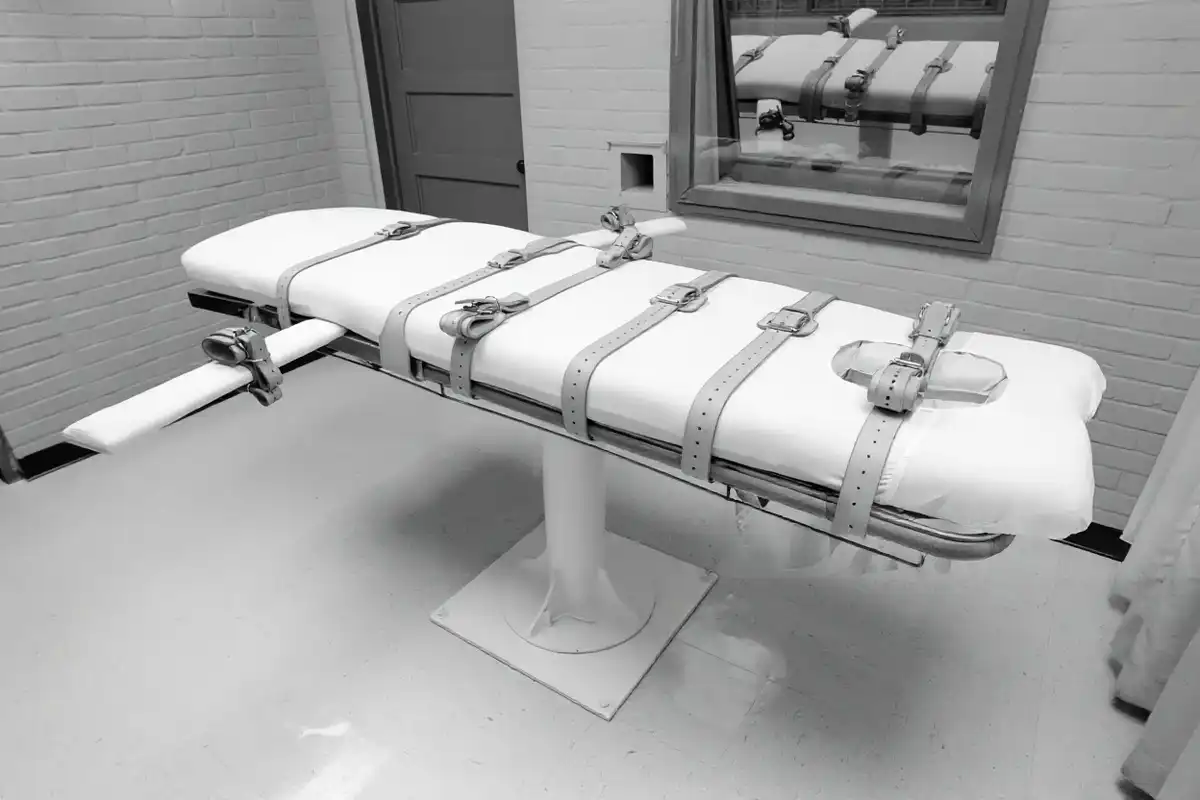
The execution chamber at the state penitentiary in Huntsville, Texas. | Getty Images | getty images
Ten local and international human rights organizations have called on the Maldivian government to halt efforts to introduce a death penalty bill aimed at ending the country's long-standing moratorium on capital punishment. In a joint statement, the organizations also urged authorities to repeal recent amendments to the Drug Act that allow for the death penalty in drug-related offenses. Furthermore, they appealed to the government to maintain the current moratorium on executions and to work toward the total abolition of the death penalty in the Maldives.
The organizations joining this call include Advocates for Human Rights, the Anti-Death Penalty Asia Network, the Capital Punishment Justice Project, ECPM: Together Against the Death Penalty, the International Federation for Human Rights, Harm Reduction International, Human Rights Watch, the Maldivian Democracy Network, Parliamentarians for Global Action, and the World Coalition Against the Death Penalty.
The organizations highlighted that the proposed bill concerning the death penalty violates the international human rights obligations the Maldives is bound by under the International Covenant on Civil and Political Rights (ICCPR), which the country joined in 2006. They further noted that the bill contradicts UN General Assembly resolutions aimed at protecting the rights of those facing the death penalty, as well as efforts to restrict its application and reduce the number of capital offenses. These organizations expressed their unconditional opposition to the death penalty under any circumstances.
At a press conference held on March 23, 2026, Dr. Mohamed Muizzu announced the government's intention to draft and submit a bill to the People's Majlis during the current session ending in mid-May, aimed at facilitating the implementation of the death penalty. It is understood that the Attorney General's Office is currently working to finalize the legislation.
President Muizzu stated that following the ratification of this bill, the implementation of the death penalty for individuals who have exhausted all stages of the Maldives' judicial process will proceed without delay.
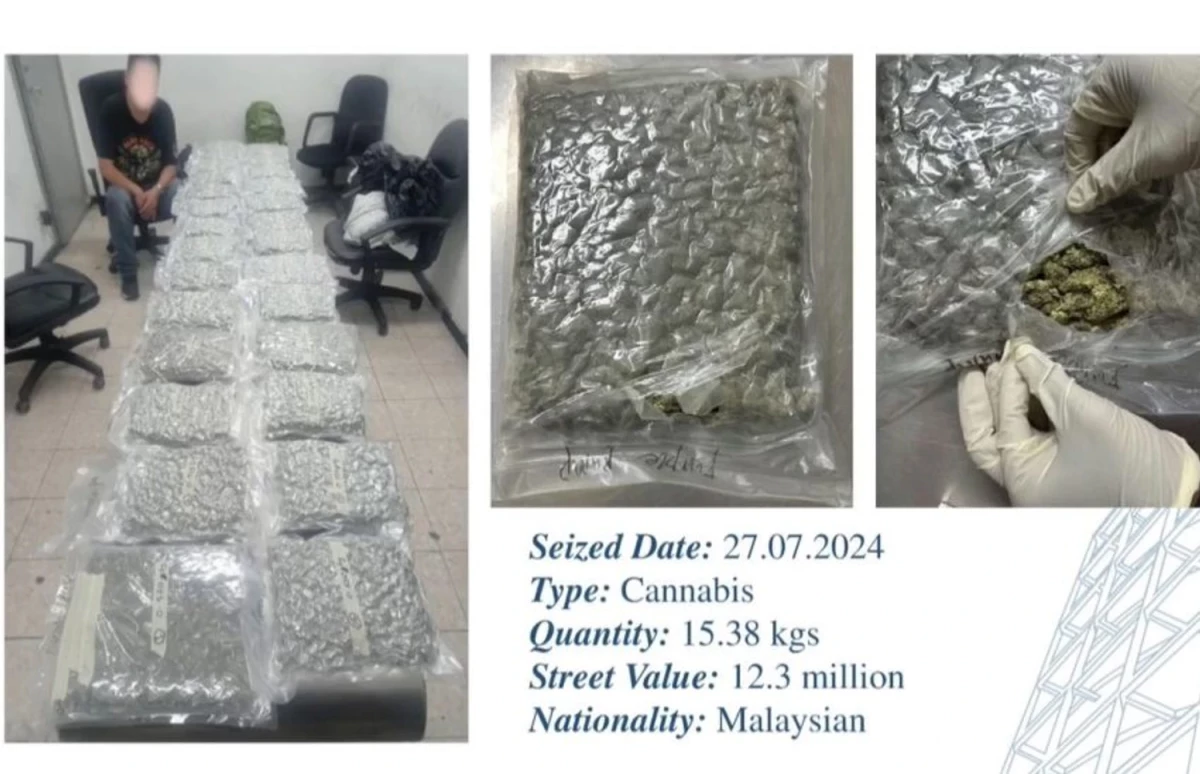
These measures have been implemented following the ratification of amendments to the Drugs Act on December 6, 2025. Under these amendments, the scope for imposing the death penalty for drug trafficking offenses in the Maldives has been significantly expanded. Capital punishment can now be applied to those convicted of trafficking more than 350 grams of cannabis, 250 grams of diamorphine, or more than 100 grams of any other controlled substance listed under Schedule 1. Furthermore, the penalties for trafficking, importing, and exporting smaller quantities of narcotics have also been strengthened.
Prior to the introduction of these amendments to the Drug Act, human rights organizations had already petitioned the government and the People’s Majlis, urging them to refrain from such legislative changes and to avoid expanding the scope of the death penalty. Furthermore, these organizations called for immediate steps toward the abolition of capital punishment and the commutation of sentences for those currently on death row.
Reintroducing the death penalty for an offense that did not previously carry such a sentence contradicts the objective of abolishing capital punishment as outlined in Article 6(6) of the International Covenant on Civil and Political Rights (ICCPR). Furthermore, the article stipulates that countries maintaining the death penalty must restrict its application solely to the "most serious crimes." International experts, including the UN High Commissioner for Human Rights, maintain a consensus that drug-related offenses do not fall within the category of such serious crimes.
International and local organizations have been expressing concern since President Muizzu’s administration announced its intention to resume the implementation of the death penalty in December 2023. These concerns were further highlighted during the review of the Maldives' situation at the 61st session of the UN Human Rights Council. The primary apprehension regarding this move stems from allegations of corruption and political influence within the Maldivian judicial system, as well as the system's historical failure to deliver justice for past crimes.
It has been 70 years since the Maldives last carried out a death sentence, with a moratorium on capital punishment in place since 1954. Resuming executions would distance the Maldives from the global trend toward abolition, a path already taken by 113 countries worldwide. In December 2024, when the United Nations General Assembly voted on a resolution calling for a moratorium on the use of the death penalty, more than two-thirds of member states—130 countries in total—voted in favor of the measure.
Several Asian nations are undergoing significant legislative shifts aimed at reducing the imposition of the death penalty. Notably, on June 25, 2025, the Vietnamese Parliament abolished capital punishment for eight specific offenses, including drug trafficking. Similarly, while Taiwan's High Court upheld the constitutionality of the death penalty in September 2024, it simultaneously introduced stringent new regulations governing its application.
While Pakistan abolished the death penalty for drug-related offenses in 2023, Malaysia has also moved to eliminate the "mandatory" death penalty for crimes such as drug trafficking, murder, and treason. Furthermore, following the complete abolition of capital punishment for seven other specific offenses, the death sentences of more than 1,000 inmates have been commuted.
Civil society organizations have called on President Muizzu’s administration to abandon plans to introduce this bill, citing global efforts to abolish the death penalty and acknowledging that capital punishment undermines fundamental human rights. The organizations further urged Parliament to reject the bill should it be submitted. They also appealed for the complete abolition of the death penalty for all crimes and called for immediate steps to commute existing death sentences.