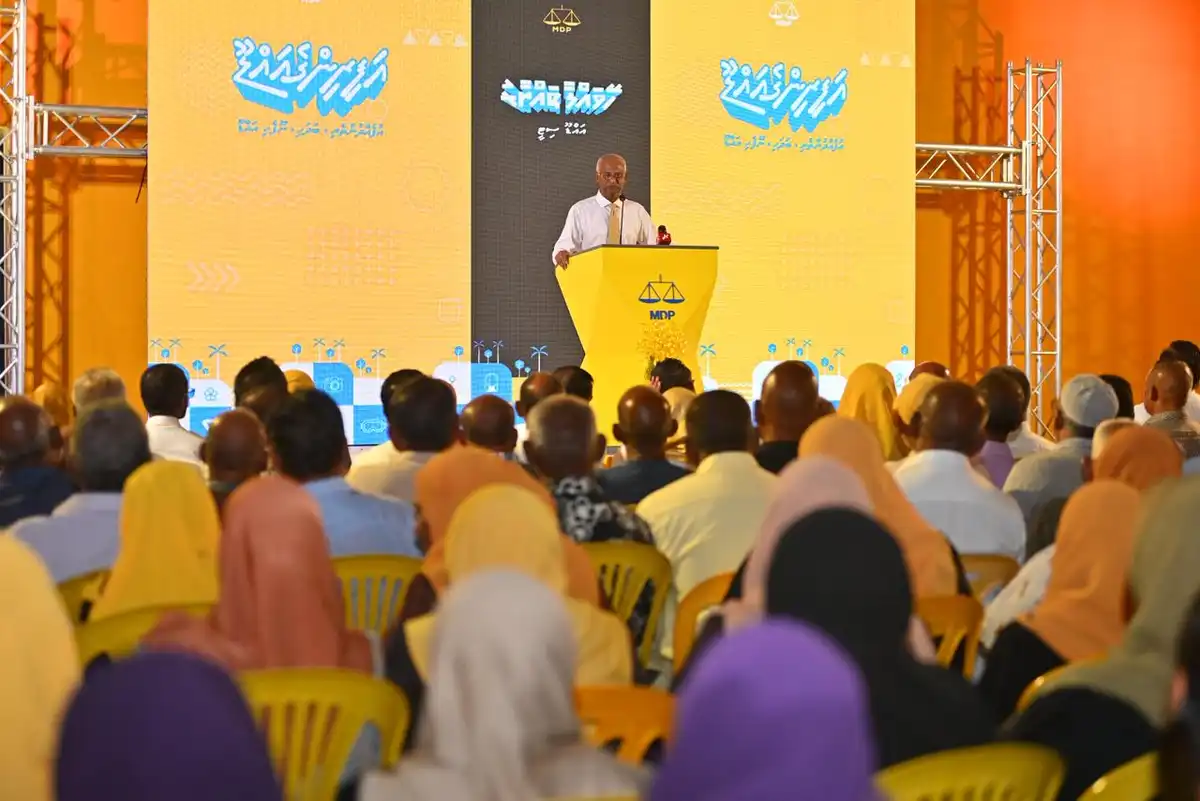
Constitution does not permit unelected officials to govern administrative divisions if Atoll Councils are abolished: Suood
16 އެޕްރީލު 2026 | ބުރާސްފަތި 13:59Former Justice Husnu Al Suood has challenged the Local Government Authority’s (LGA) assertion that abolishing atoll councils poses no legal obstacle to the decentralization system, arguing that such a move is unconstitutional. Suood contended that allowing unelected officials to govern administrative divisions violates the spirit of the Constitution and remains legally impermissible even through an Act of Parliament. Conversely, the LGA maintains that administrative continuity is ensured as the authority has been legally mandated to assume the responsibilities of the atoll councils.

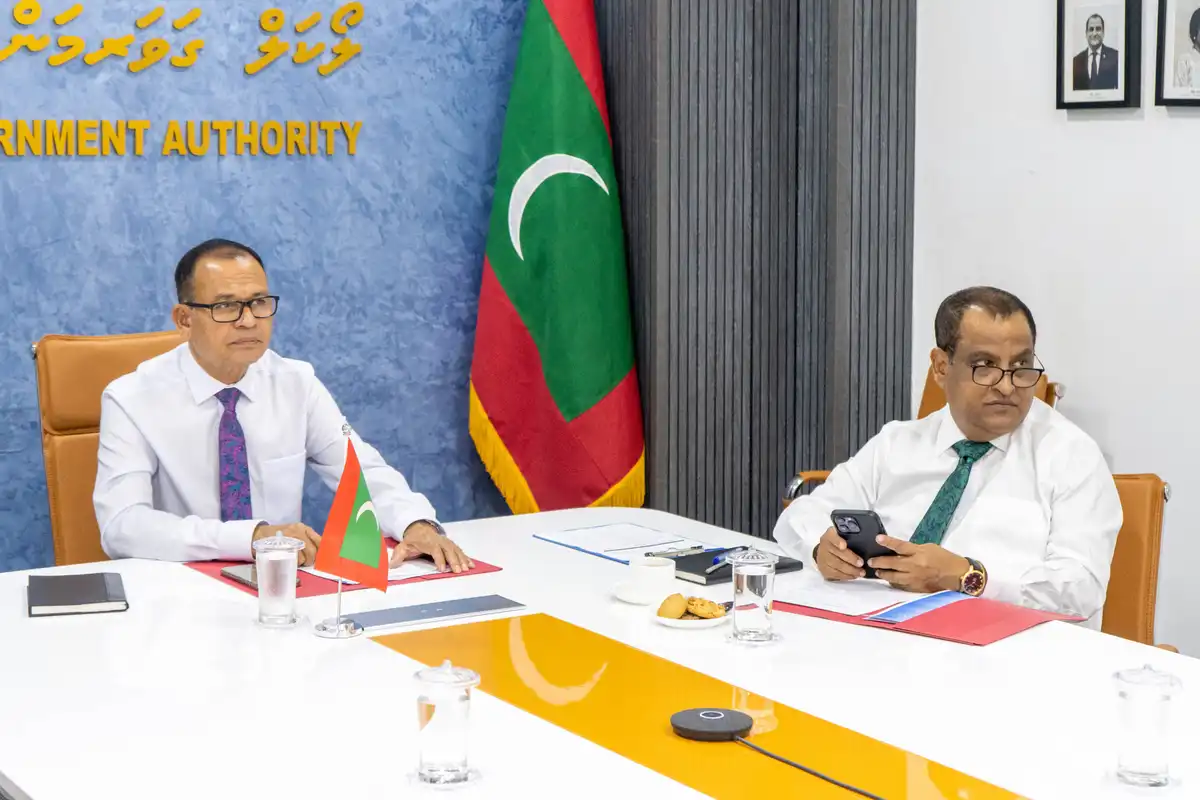
Following the dissolution of atoll councils, the Ministry of Local Government in Malé has decided to take over the direct administration of atoll offices. | MGA | LGA
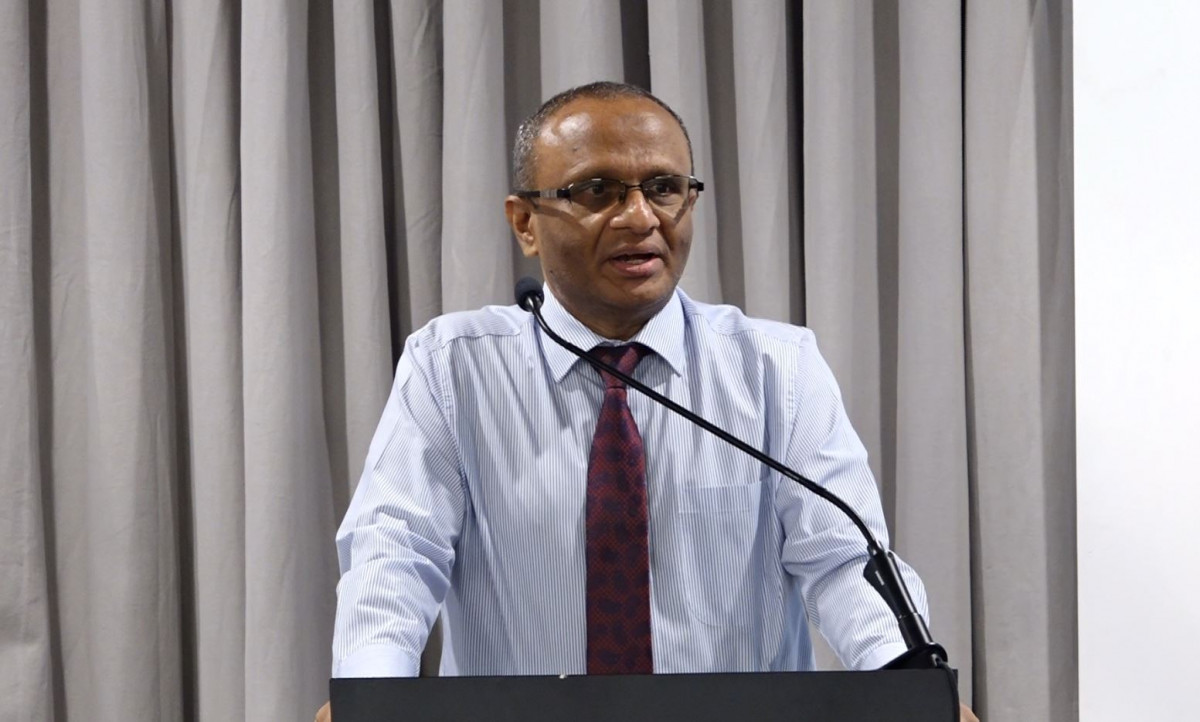
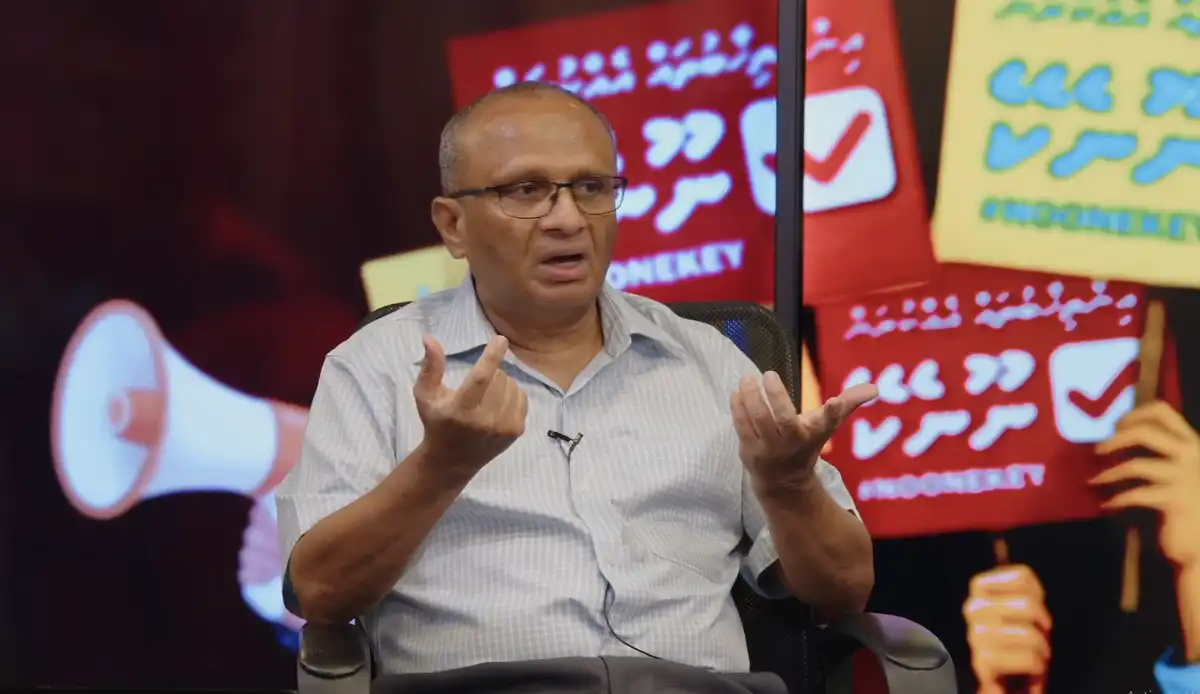
Former Supreme Court Justice Husnu Al Suood has stated that the Constitution does not permit unelected individuals to manage administrative divisions in the event that Atoll Councils are abolished.
Justice Husnu Al Suood made these remarks in a post on X, following a statement by the Local Government Authority (LGA) asserting that the decentralization of the Maldives' administrative divisions would remain unaffected even if the Ministry of Cities, Local Government and Public Works and atoll councils were to be abolished.
Suood stated that under Articles 230 and 231 of the Constitution, it is not permissible for any administrative division listed in Schedule 2 to be governed by an individual who has not been elected by the people. He emphasized that an act prohibited by the Constitution cannot be authorized through a law passed by Parliament. Furthermore, he noted that the governance of administrative divisions by popularly elected councils represents the most significant structural change introduced to the state's governance framework by the 2008 Constitution.
Suood stated that this principle constitutes a core feature of the Constitution. He further noted that the Constitution does not permit administrative constituencies to be governed by unelected officials, even if atoll councils are abolished.
In a press statement, the Local Government Authority (LGA) noted that Article 230 of the Constitution mandates that administrative divisions must be governed through a decentralized system. The Authority further highlighted that, as stipulated in the Constitution, the President is required to establish the Island and City Councils necessary to facilitate this decentralized administration. The LGA also emphasized that under the Decentralization Act, it is legally obligated to provide the support and cooperation essential for councils to deliver all services mandated by the law.
The Local Government Authority (LGA) stated in its announcement that following the dissolution of atoll councils, the legal responsibility for providing all services previously managed by them has been transferred to the LGA. The statement further clarified that the 17th amendment to the Decentralization Act explicitly grants the LGA the authority to establish its own administrative offices within the various administrative divisions following the dissolution of the atoll councils.
Consequently, the Authority stated that it does not believe the dissolution of the Ministry of Cities, Local Government, and Public Works would create any legal obstacles or a vacuum in the decentralized administration of administrative divisions as mandated by the Constitution and the Decentralization Act.