Shujau attempts to misinterpret the law, claiming the President could have synchronized elections without public consultation if he so desired
11 އެޕްރީލު 2026 | ހޮނިހިރު 10:36The majority of the public has overwhelmingly rejected the proposal to hold presidential and parliamentary elections concurrently, according to recent referendum results. Despite the Constitution explicitly requiring a public referendum for any amendment affecting the parliamentary term, MP Ibrahim Shujau has faced widespread criticism for suggesting that the President holds the authority to make such changes. Citizens have accused the lawmaker of misinterpreting the Constitution, noting that any bill lacking public consent remains legally invalid under existing laws.


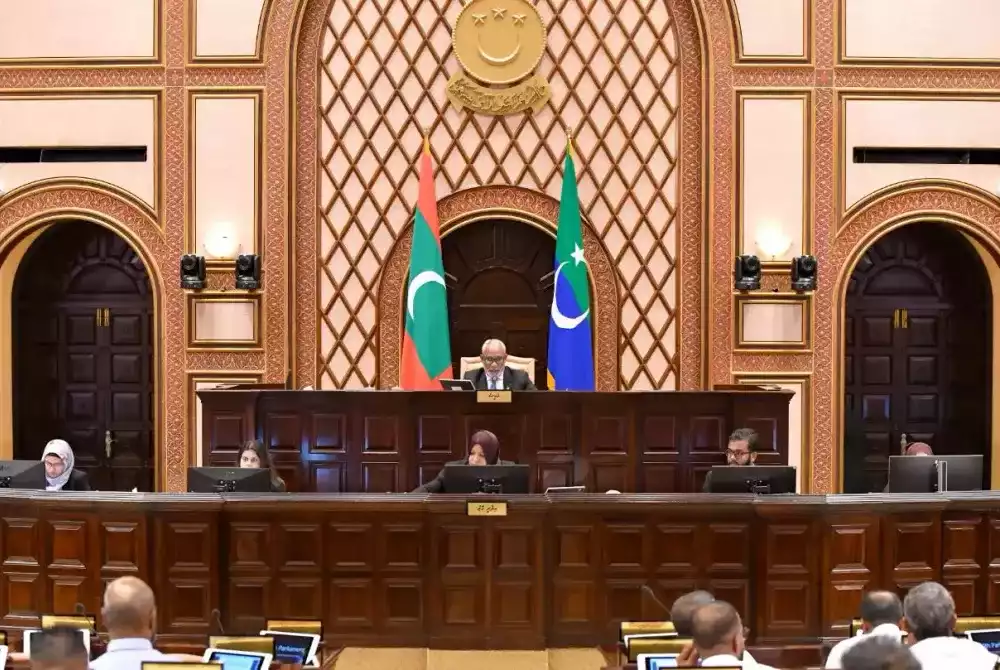
MP Shujau, representing the Baarah constituency, speaking at a parliamentary committee meeting. | Majlis | Majlis
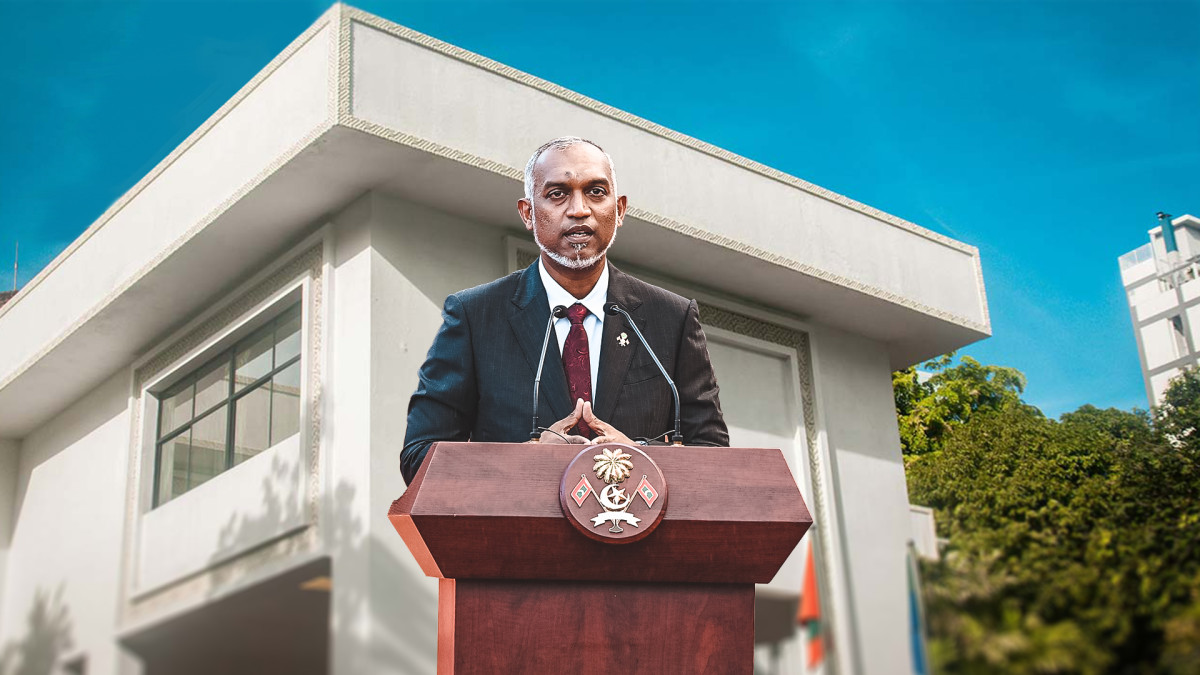
Ibrahim Shujau, the Member of Parliament for Baarah constituency, has attempted to misinterpret the Constitution by claiming that President Dr. Mohamed Muizzu possesses the authority to synchronize presidential and parliamentary elections at his discretion, without the requirement of a public referendum.
On April 4, a public referendum was held to gauge the people's opinion on synchronizing the parliamentary and presidential elections. According to the preliminary results, 148,859 voters expressed their opposition to holding the two elections together. In contrast, 67,680 people voted in favor of consolidating the elections.
Speaking on an MMTV program regarding the matter, Shujau stated that had President Muizzu wished, he could have ratified the bill to consolidate the two elections without seeking a public referendum. He further noted that the President could have exercised the mandate granted to him by the people to hold the elections concurrently, without the necessity of a public vote.
Despite Shujau’s remarks, Article 262(b)(2) of the Constitution mandates that any amendment to Article 79(a) must be approved by a public referendum. Article 79(a) of the Constitution specifically defines the term and duration of the People’s Majlis.
Even if the People's Majlis passes a bill to synchronize the two elections, the Constitution mandates that any amendment concerning specific provisions—such as the parliamentary term—must first be approved by the public. Under these legal requirements, the President may only ratify such a bill if a majority of voters support the amendment in a national referendum held to determine public consent.
The Constitution explicitly states that if a proposed amendment fails to secure a majority in a public referendum, the bill shall be deemed void.
Shujau is facing widespread criticism for making remarks that misinterpret clear legal provisions in his capacity as a Member of Parliament. Many have also condemned the MP for misleading the public by claiming that the referendum was held solely due to President Muizzu’s generosity.