Why heads are rolling after Muizzu's job-buying scheme failed
13 އެޕްރީލު 2026 | ހޯމަ 04:49Following a disappointing election performance, Muizzu has initiated a purge of high-level officials and heads of state-owned enterprises. These dismissals and forced resignations target leaders at companies like Fenaka, MPL, and HDC who failed to translate massive pre-election hiring drives into political support. The restructuring serves as a punishment for corporate heads who oversaw ballooning payrolls and political recruitment schemes that ultimately failed to deliver votes.

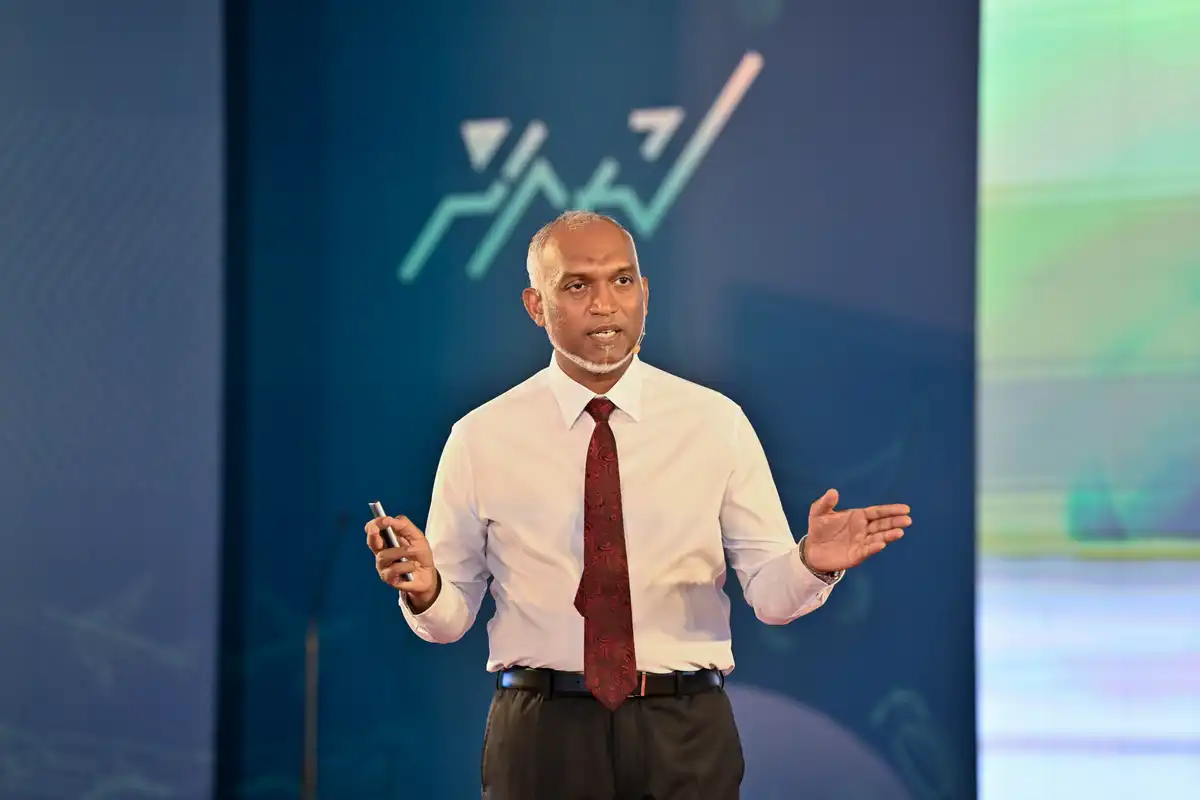
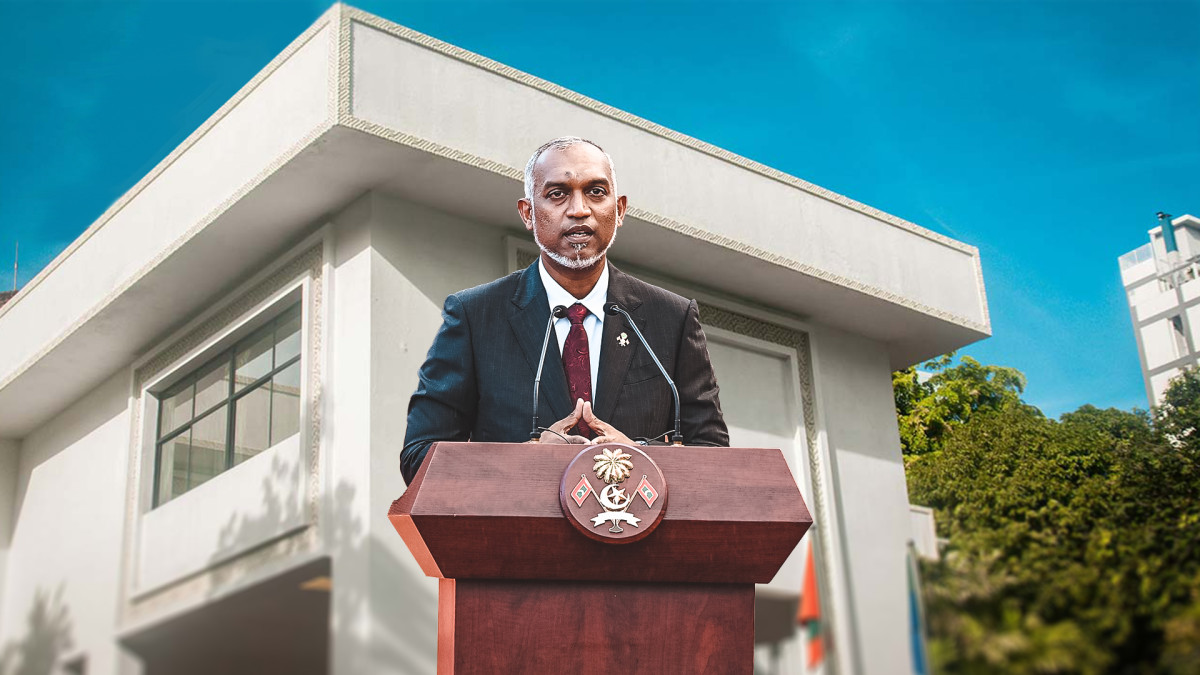
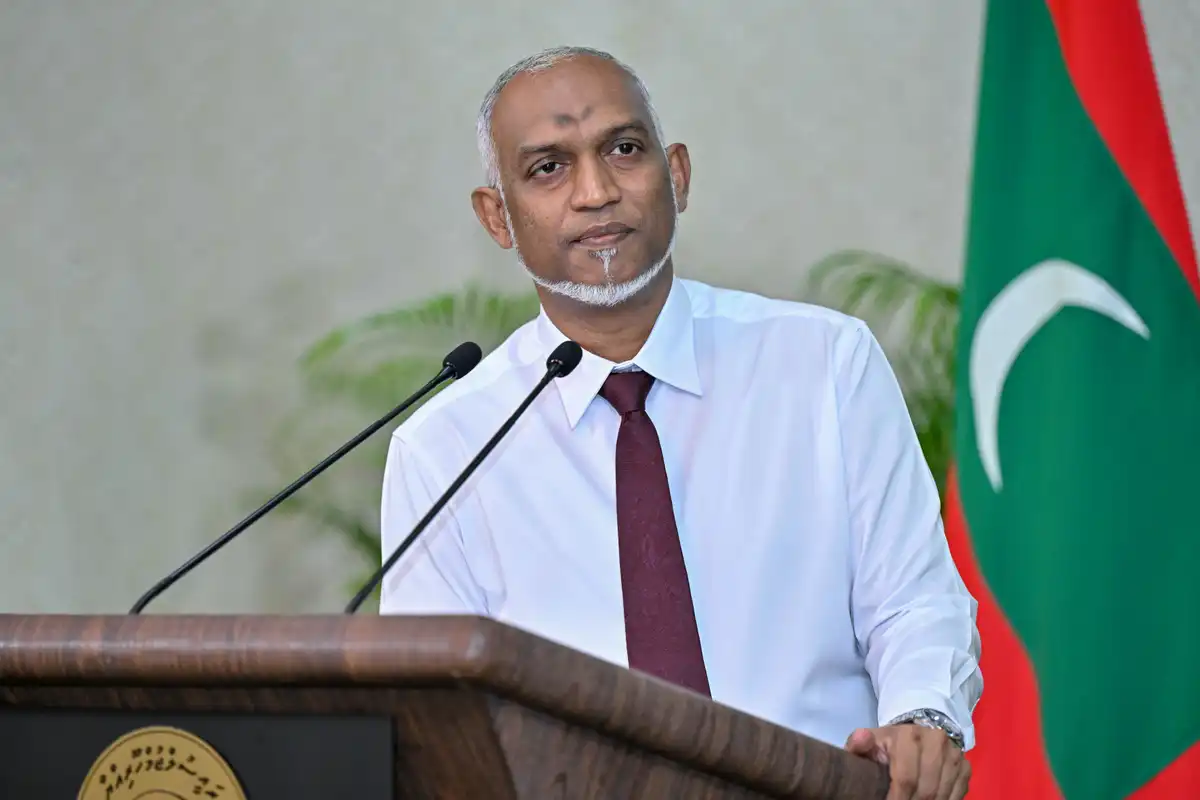
Speech by His Excellency President Dr. Mohamed Muizzu at the ceremony marking Week 104 of "Rayyithunnah Eku Kuriah." . | President's Office | Presidents Office
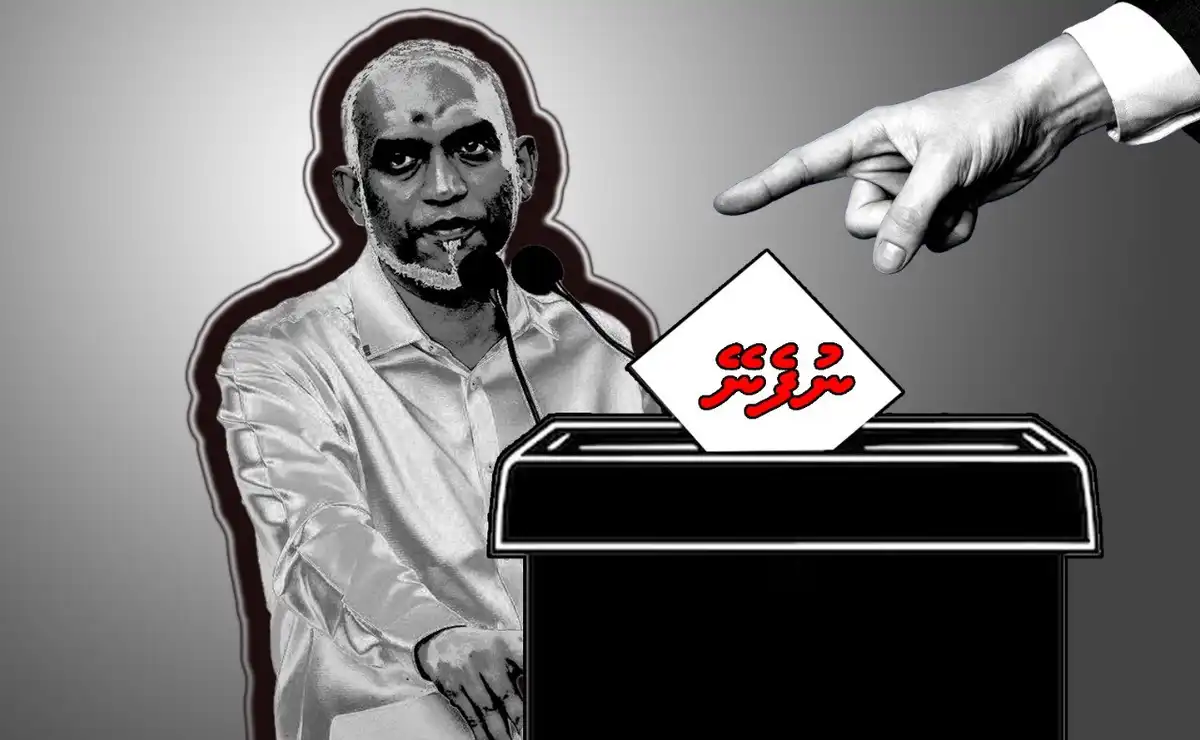
Halfway through the current term, the public has handed President Dr. Mohamed Muizzu a stinging vote of no confidence. Even with the administration’s desperate attempts to tilt the scales including shoveling out government jobs, handing out financial perks, threatening employees and rushing through last-minute projects, the government still faced a humiliating defeat. In what was effectively a symbolic referendum, the number of citizens who rejected the administration actually exceeded the total that initially put Muizzu in power.
The Mulee'aage meltdown
While the incumbent publicly played the part of a leader accepting reform, the scene behind closed doors was far more volatile. At a high-level gathering at Mulee'aage, Muizzu reportedly turned his fury on his own Cabinet Ministers and Members of Parliament. He demanded to know what more they could possibly have needed and promised a ruthless restructuring. The message was clear: loyalty is measured in results and even top-tier ministers are now staring at the exit sign.
The Fenaka money pit
The first head to roll in this post-election cleanup, conveniently sparing any relatives of MP Asma, was Mohamed Najah, the Managing Director of Fenaka Corporation. Under his watch, Fenaka became a dumping ground for political hires, causing the company’s monthly payroll to balloon from 24 million MVR to a staggering 100 million MVR just before the election. Beyond the financial drain, the corporation was notorious for weaponizing its workforce through political intimidation and pressure.
The domino effect of forced exits
The purge quickly spread to other state-owned enterprises that were used as hiring hubs during the campaign. Mohamed Rishwan, the Managing Director of Maldives Ports Limited (MPL), was instructed to resign following a massive last-minute recruitment drive. Similarly, Hussain Didi was stripped of his role as Managing Director of Agro National Corporation, another entity that had been busy distributing jobs right before the polls opened.
Shady deals and slashed banners at HDC
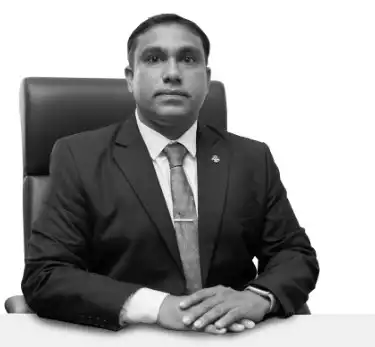
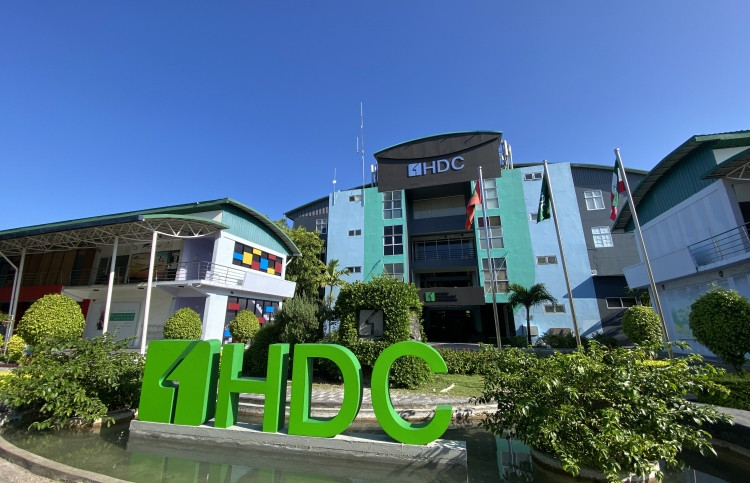
The Housing Development Corporation (HDC) also felt the heat with the dismissal of Deputy Managing Director Mohamed Asbah Ali Naseer. While the top boss survived for now, the DMD’s removal points to HDC’s heavy lifting in the pre-election job distribution scheme, which saw their payroll costs climb from MVR 27 million to MVR 47 million. The corporation didn’t just stop at hiring; it faced serious allegations of selling off Hulhumalé slots at inflated prices and actively sabotaging the campaign materials of opposition candidates.
The Mecca purge and the illusion of resignation
Even the holy city of Mecca didn't distract the incumbent from his corporate hit list, as he orchestrated several dismissals while on his Umrah pilgrimage. This included the removal of Ibrahim Shahid, the Deputy Managing Director of MWSC, for his role in the pre-poll hiring frenzy. Upon the president’s return, the strategy shifted from public firings to "voluntary" resignations to save face.
High-profile figures like MIFCO’s CEO Faruhath Shaheer and MWSC Managing Director Abdul Matheen suddenly decided to step down without any public justification. In the cynical world of state-controlled corporations, these exits are rarely a choice; they are forced departures carried out under the looming threat of a formal firing.
The bitter truth behind the "secret"
The mystery of these sudden departures is not much of a mystery at all. The incumbent’s entire strategy for survival relied on bypassing the Civil Service framework to stuff State-Owned Enterprises (SOEs) with an unprecedented number of workers across Malé City and outlying atolls. The hiring was so reckless that some new employees found themselves with no desks or even an office to report to.
The purge is the direct result of these political calculations failing to add up. Because this massive recruitment drive didn't translate into votes for the main ruling People’s National Congress (PNC), the corporate heads are now paying the price. They are being punished for the ultimate sin: failing to deliver the specific number of ballots the president expected in exchange for those taxpayer-funded jobs.