The great purge: Muizzu sacks the help after voters say no!
7 އެޕްރީލު 2026 | އަންގާރަ 13:44Muizzu has initiated a wave of dismissals targeting high-ranking officials and state company heads following a perceived loss of public trust. While the administration frames these firings as reform, critics view them as retaliation for electoral failures or internal leaks, specifically noting the removal of MP Asma's family. Despite the purge of corporate managers, key inner-circle figures remain in power, leading to accusations of selective accountability.

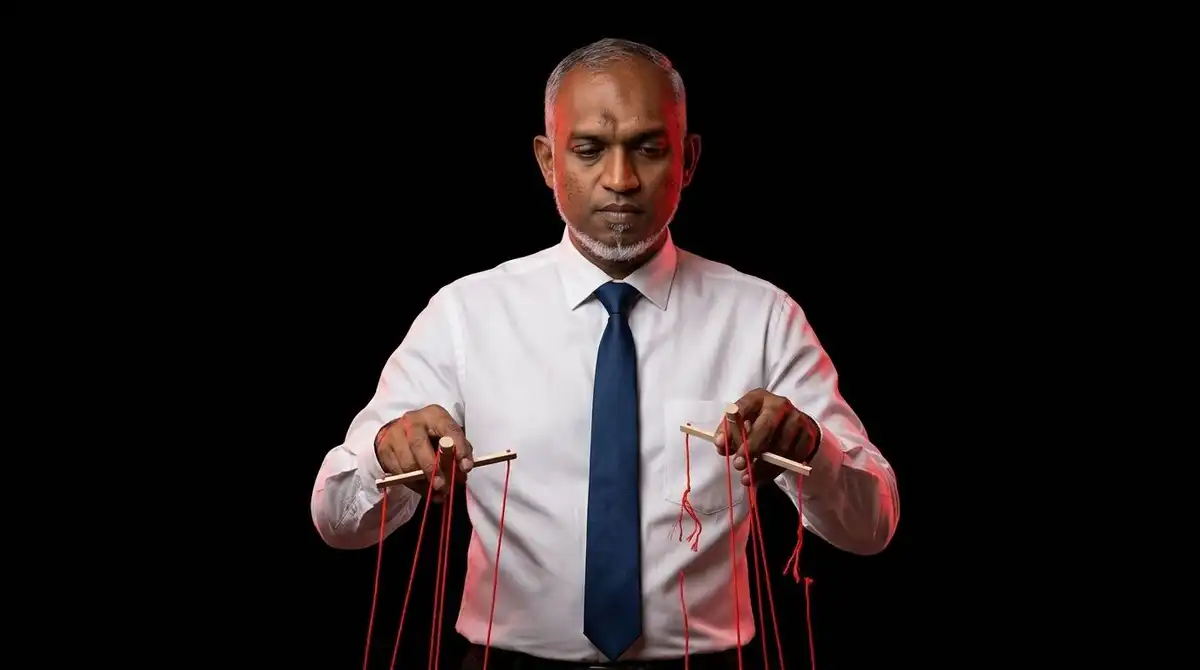
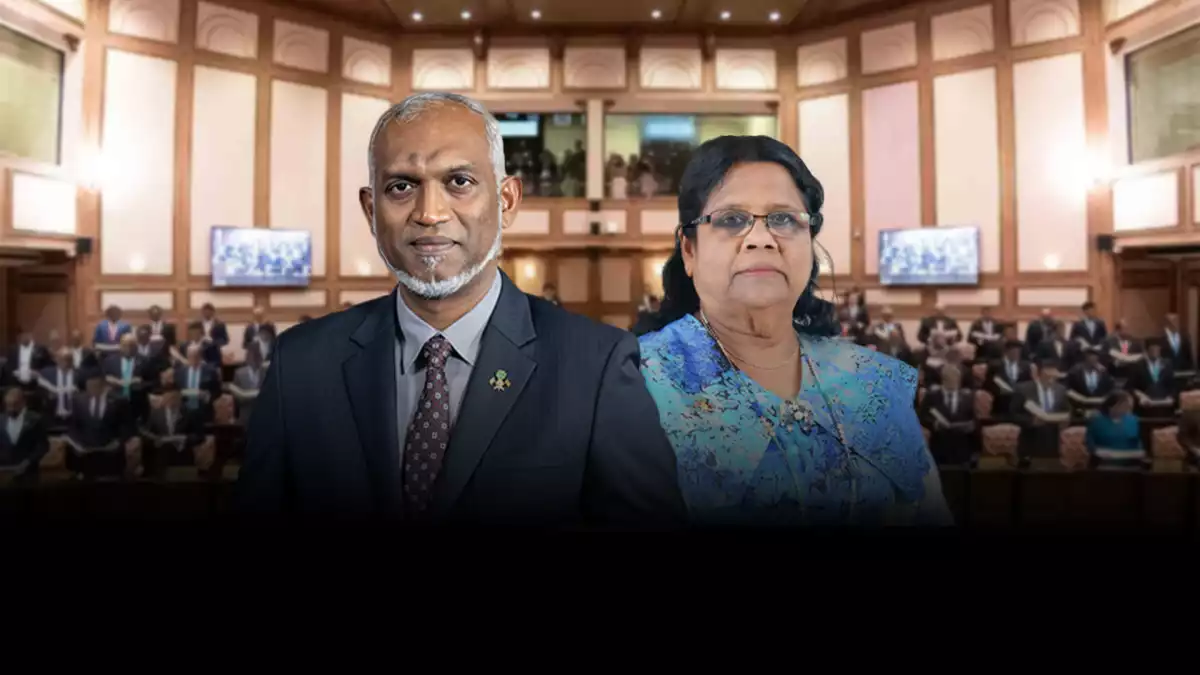
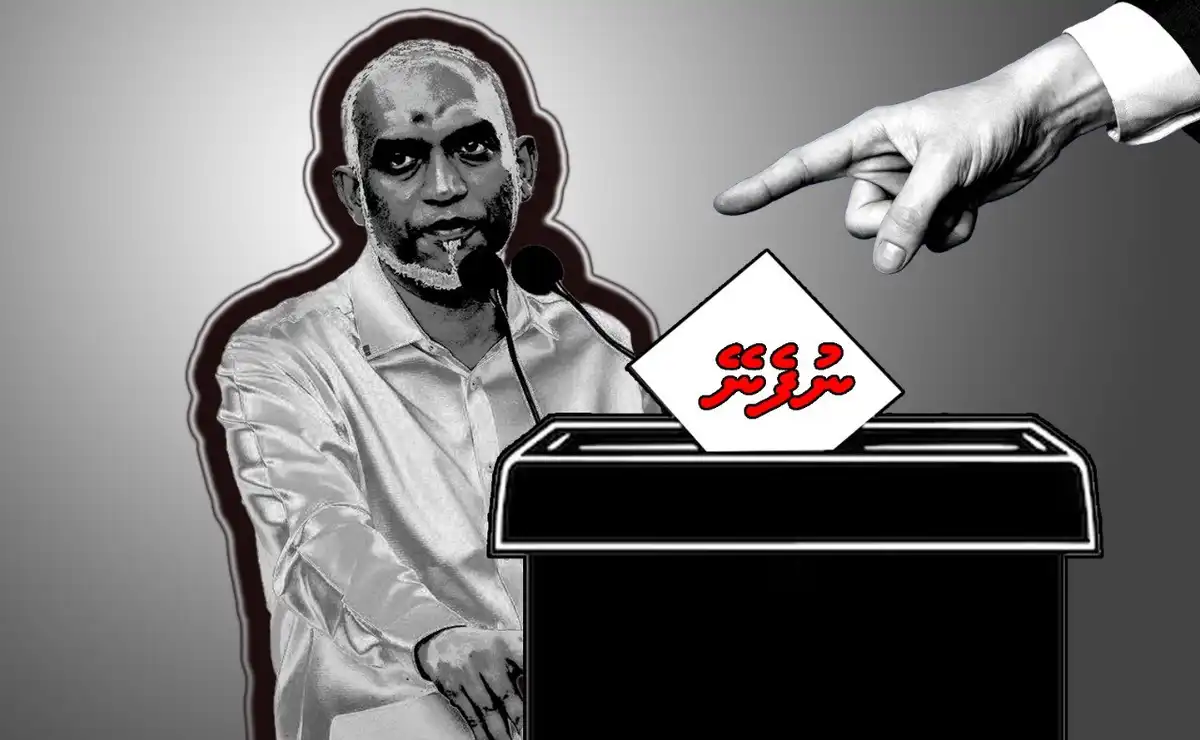
With power in both hands, President Muizzu begins cutting ties, launching a wave of dismissals after a stark electoral message. | RaajjeMV Graphics | Raajjemv graphics
A midterm reality check
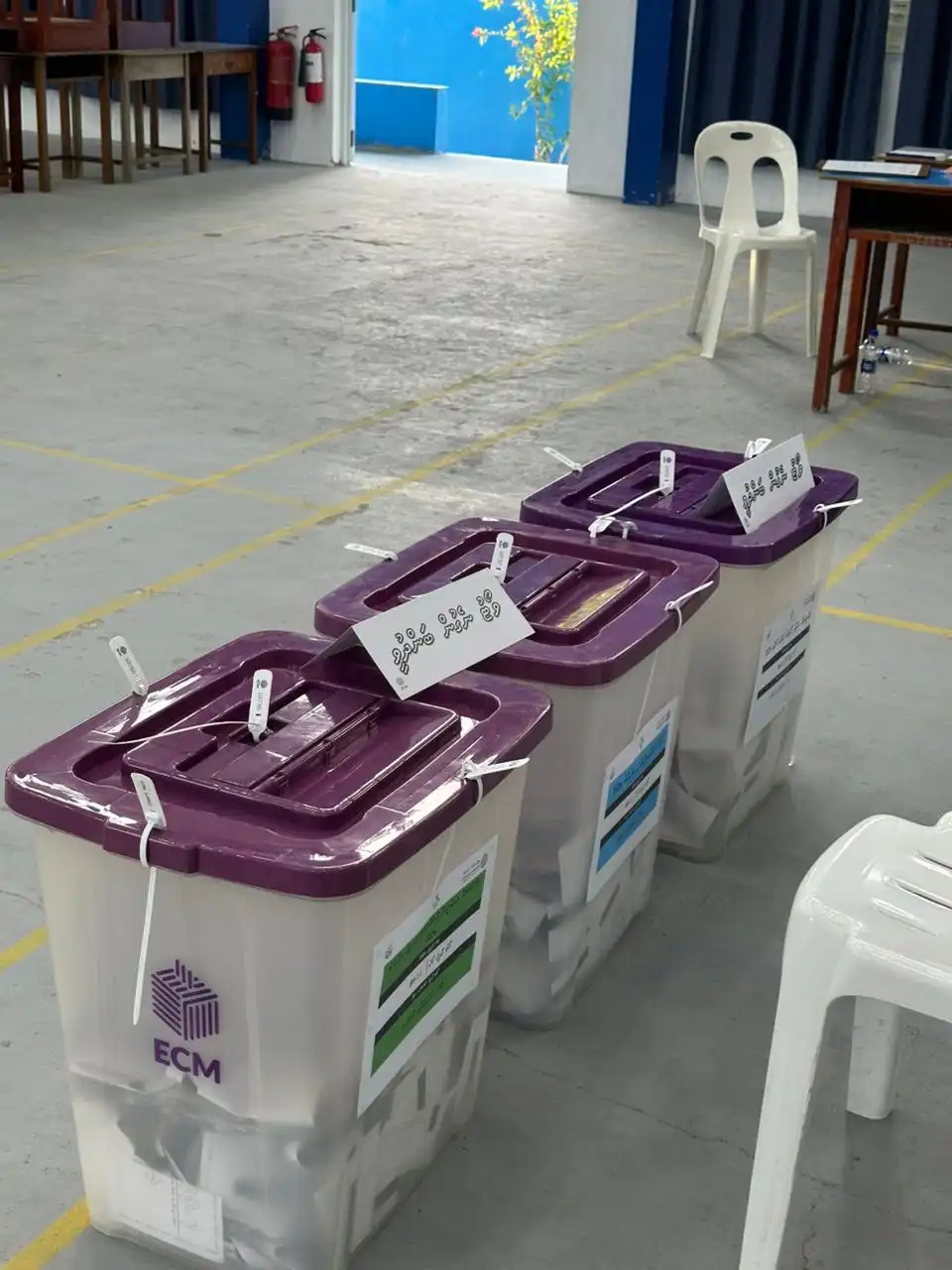
The public has officially handed the government a failing grade halfway through its tenure, signaling a massive collapse in trust for President Dr. Mohamed Muizzu. Even with an aggressive playbook of handing out jobs, distributing questionable financial "gifts," bullying workers and frantic last-minute project launches, the administration still managed to lose. This wasn't just a defeat; it was a referendum where those rejecting the leadership now outnumber those who originally put Muizzu in power. While the president has acknowledged the mess and promised "reform," the ensuing wave of firings looks less like a cleanup and more like a desperate face-saving mission.
The Asma Rasheed family wipeout
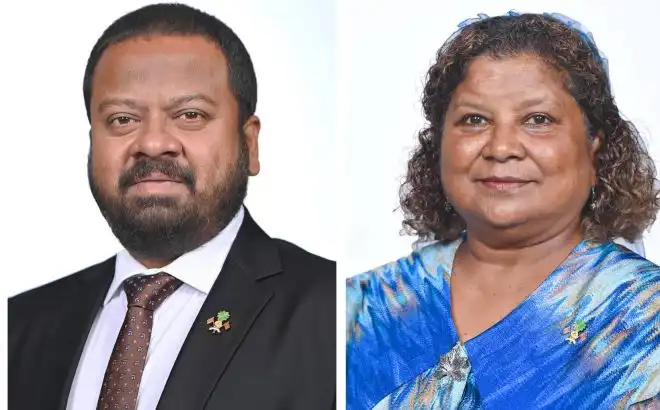
The so-called "reforms" began by gutting the family of Central Maafannu MP Asma Rasheed. Her son UAE Ambassador Mohamed Hussain Shareef and Fisheries State Minister Aminath Hussain Shareef were dumped alongside Geneva Permanent Representative Dr. Salma Rasheed. The real reason behind the family’s exit appears to be a leaked phone call where a relative allegedly caught a case of honesty, telling a PNC activist that Muizzu is a one-term president and warning against campaigning without a guaranteed promotion.
Corporate scapegoats for electoral crimes
The axe also fell on Mohamed Najah, head of Fenaka Corporation, which turned into a massive hiring hall during the election. Fenaka’s monthly wage bill bloated from MVR 24 million to a staggering MVR 100 million, all while the company was busy intimidating employees for votes.
Others sent packing include:
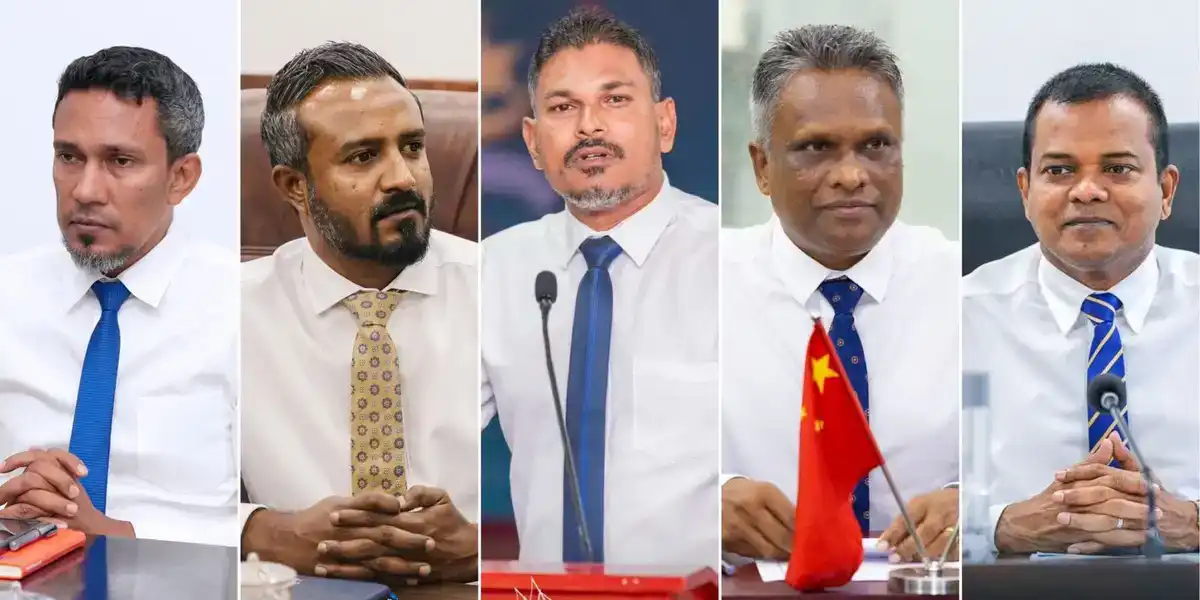
- MPL Managing Director Mohamed Rishwan; who resigned following orders after his own eleventh-hour hiring spree. Agro National Corporation MD Hussain Didi; another participant in the job-for-votes scheme.
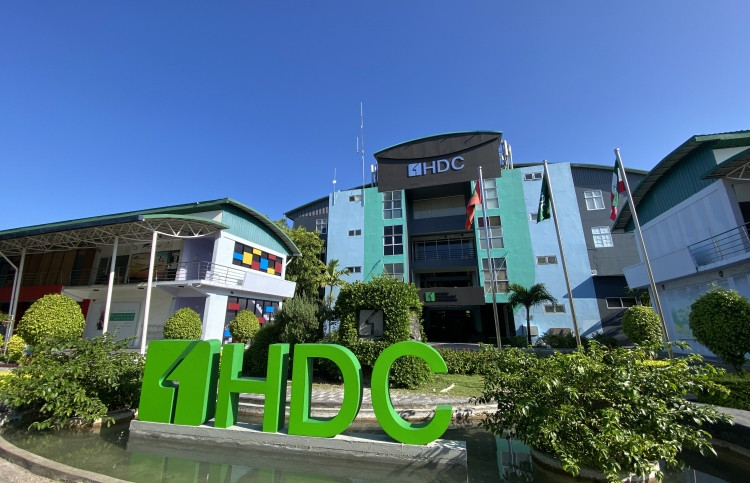
- HDC’s DMD Mohamed Asbah Ali Naseer; whose company saw salary costs jump from MVR 27 million to MVR 47 million. HDC also famously allegedly bypassed rules to sell land in Hulhumalé at sky-high prices and tore down opposition campaign posters.
- MWSC’s DMD Ibrahim Shahid; yet another executive from a company that went on a hiring binge before the vote.
The untouchables: Heena and the inner circle
The public is rightfully skeptical because the most hated figures are still sitting pretty. Critics point out that these companies couldn’t have carried out such systemic corruption without Muizzu’s direct orders, making the firing of these managers a convenient distraction.
While some are out, those responsible for the biggest disasters remain:
- Heena Waleed: the NSPA head and Presidential Spokesperson keeps her job despite the ‘Aasandha’ healthcare collapse and claims she used NSPA funds to build the president a TV channel.
- Abdulla Mohamed: the Maldives Gas chief remains despite gas shortages and mysterious disappearing funds meant for shipments.
- Mohamed Shimad: STO’s leader is still there while people struggle with medicine shortages and soaring costs for fuel and food.
- Minister Saeed: the Economic Minister retains his seat even though the U.S. dollar has spiked past MVR 20 and his "major projects" are nowhere to be seen.
- Ahmed Shakeeb: the PSM head remains in control of the government’s propaganda machine despite heavy backlash.
Reform or retaliation?
Calling this a "reform" is a stretch. It looks far more like retaliation against those who failed to buy enough votes, or perhaps a fallout over how the campaign funds were spent. By firing the foot soldiers but protecting the ministers, the government is avoiding true accountability. While the purge continues, the question remains: why are figures like Heena Waleed still protected while others are thrown under the bus?
The public and the administration are currently at a standoff over whether this is a new beginning or just a bitter end.