Parliament or playground? the vanishing act of the 20th Majlis
9 އެޕްރީލު 2026 | ބުރާސްފަތި 14:59The current legislature is facing criticism for its frequent cancellations and lack of productivity despite members receiving full taxpayer-funded salaries. Critics argue the ruling party's supermajority has transformed the parliament into a rubber-stamping body for the executive, prioritizing election campaigning over constitutional duties. This legislative paralysis has sidelined critical national issues and weakened the democratic oversight of the government.

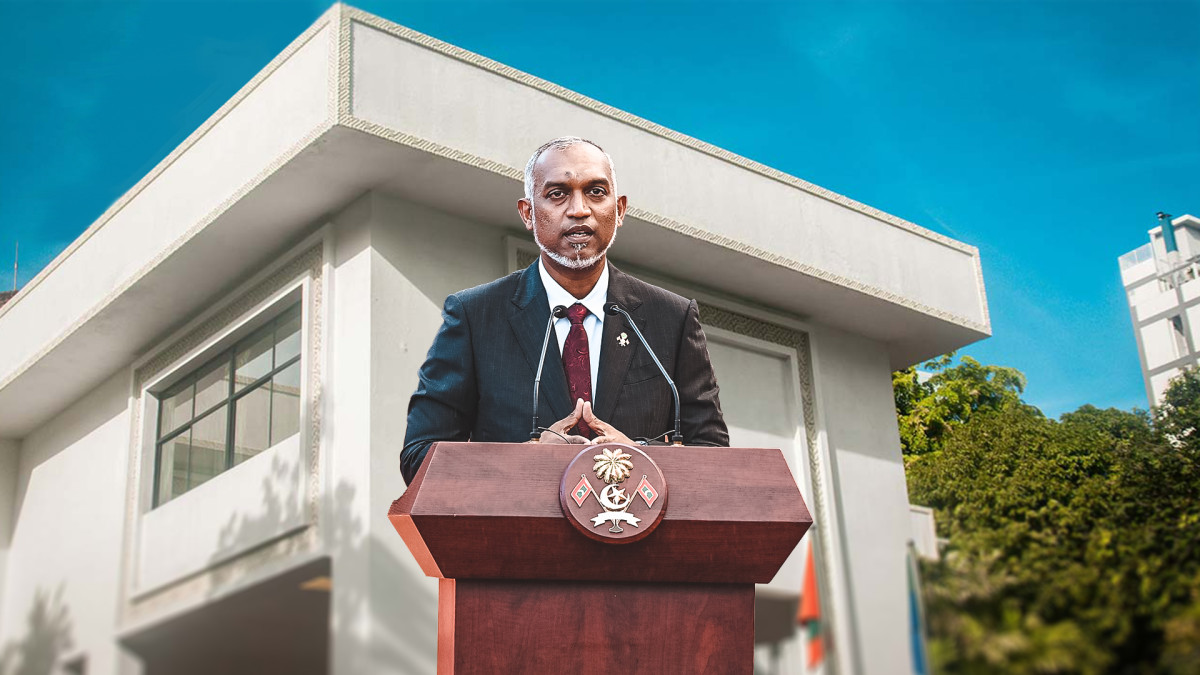
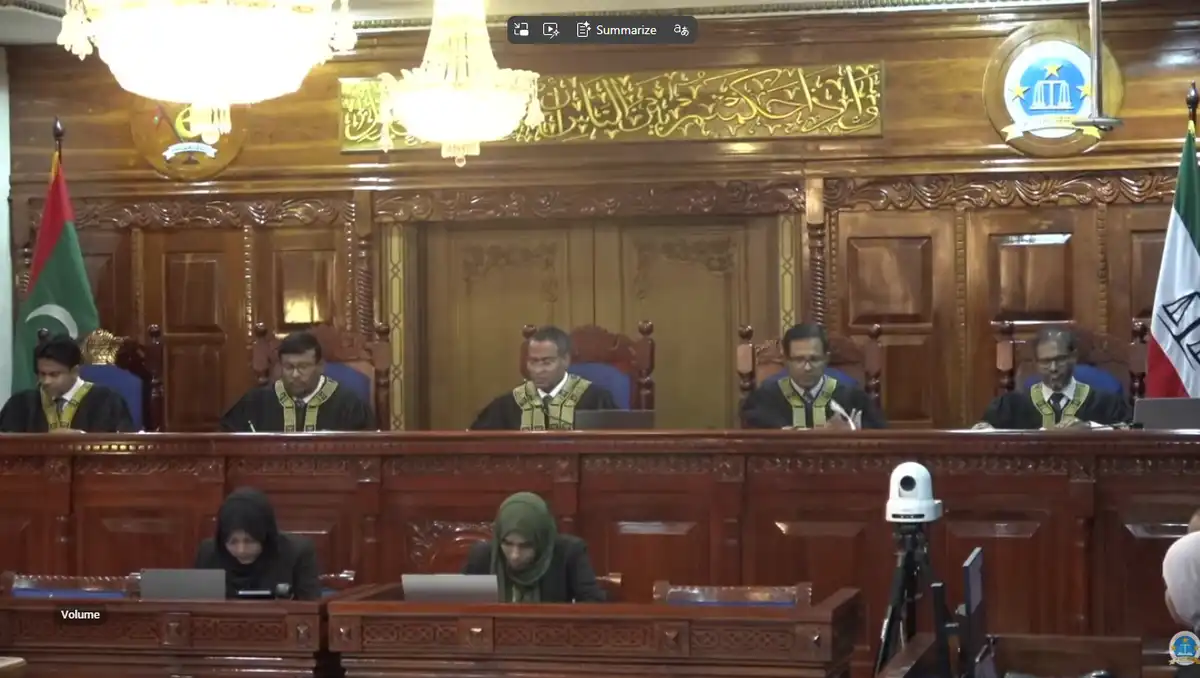
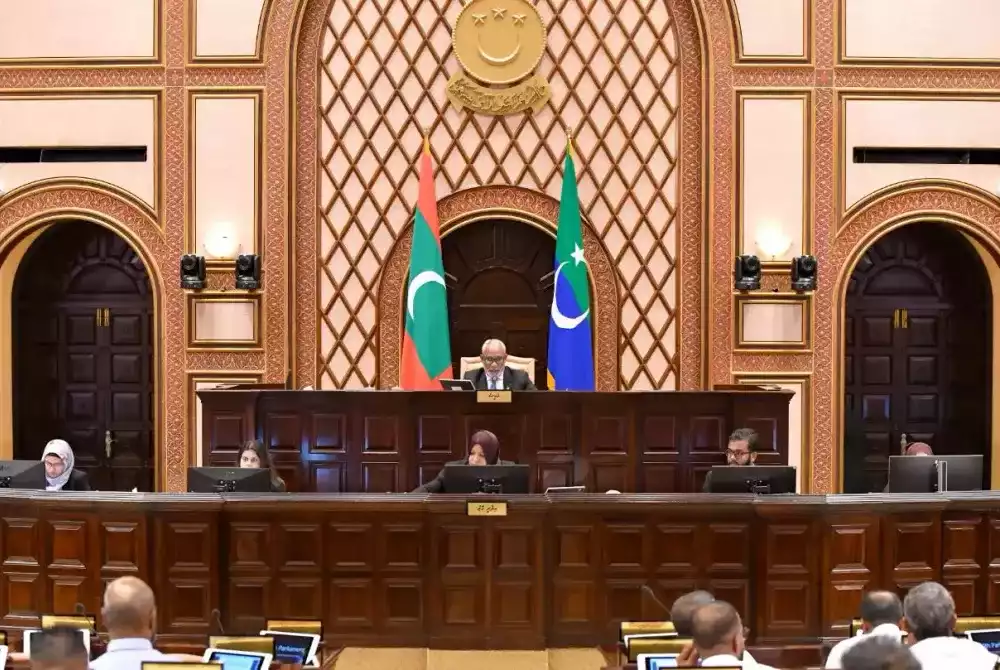
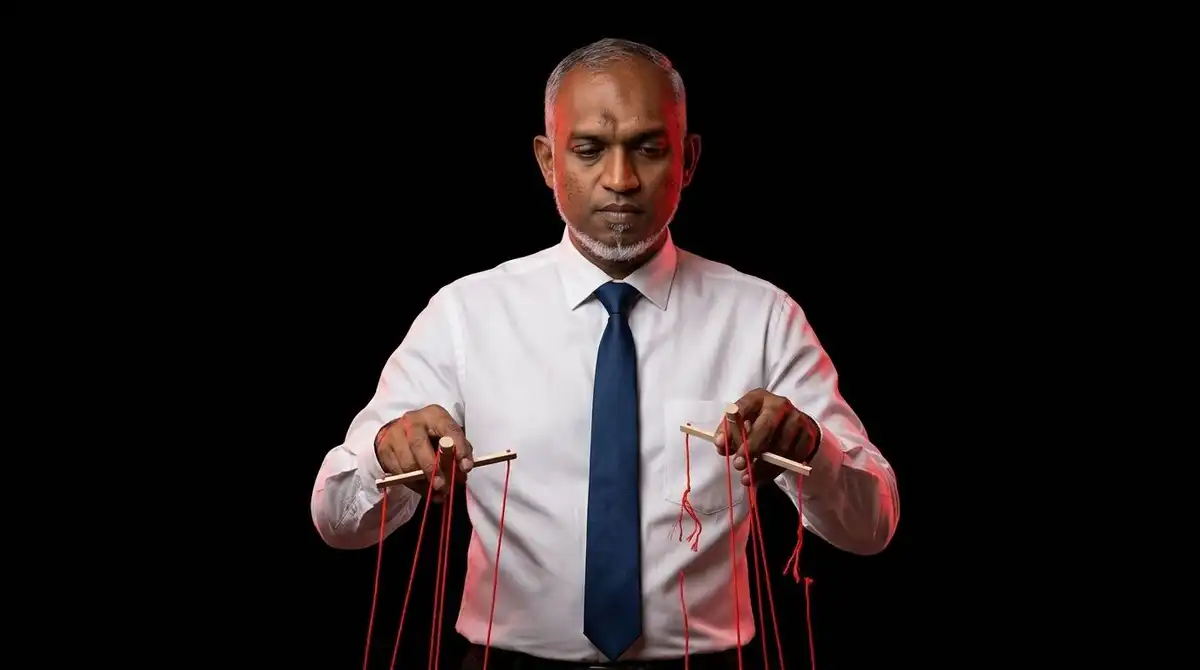
President Dr. Mohamed Muizzu's PNC currently holds at supermajority in parliament. | RaajjeMV Graphics | RaajjeMV
A pillar crumbling under political whimsy
The Constitution of the Maldives frames the People’s Majlis as a vital foundation of governance, intended to be the heart of democracy where the public voice resonates and the executive faces scrutiny. As the state branch most intimately connected to the citizens, its role is supposed to be paramount. Yet, the grim reality of the current legislature suggests it exists only in name, having been degraded into a mere instrument for those currently holding the reins of power.
The ghost town of legislative sittings
With the main ruling People's National Congress (PNC) enjoying a supermajority, the act of holding a sitting now feels like a voluntary hobby rather than a constitutional mandate. The first session of 2024 has been anemic, featuring only five sittings. After returning from a two-month break on February 5, the chamber has spent three months mired in unexplained cancellations. One sitting ensued on February 17, followed by a three-week disappearance before a brief appearance on March 8. Since then, the chamber has been defined by nothing but empty chairs and silence.
Taxpayer-funded vacations amidst national crisis
While the national economy flounders and citizens grapple with a skyrocketing cost of living, this legislative deadlock serves as a slap in the face to the public. Critical state decisions are frozen and urgent issues are ignored because members have apparently decided that election campaigning is more important than their actual jobs. Despite pocketing massive state-funded salaries and benefits, these representatives prioritized their constituencies' campaign trails over their constitutional oaths. The ruling party’s absolute grip on the house has birthed an arrogant perception that the People’s Majlis can be operated whenever they feel like showing up.
A rubber-stamping subsidiary of the president
In its current state of paralysis, the 20th People’s Majlis assembly is indistinguishable from a side office of President Dr. Mohamed Muizzu. Rather than functioning as an independent check on power, it has become an administrative wing of the executive. Legislation arrives from the President’s Office and is shoved through with reckless haste, bypassing genuine research or meaningful floor debate. The ruling majority appears to have collectively agreed that any bill sent their way must be approved without a single edit or a moment of critical thought.
Performance art over policy
The committee process, once a place for refining law, has withered into a meaningless formality. Government members are more interested in speed than quality, rushing flawed bills through the system to keep the executive happy. Actual debates have been replaced by choreographed sessions of praise for the current administration. These members seem far more concerned with winning the president's favor than assessing how their legislative shortcuts affect the lives of the people they supposedly represent.
The people’s house is not private property
It is a bitter irony that the taxpayers are the ones footing the bill for these substantial parliamentary salaries. Accountability is owed to the citizenry, yet the Majlis is being treated like the private residence of the PNC; a building to be locked and unlocked at their personal convenience. After a 35-day hiatus characterized by the kind of inconsistency one expects from child's play, the secretariat has finally signaled a return to work. However, given the track record of this assembly, the public is left wondering how many days will pass before the doors are unceremoniously slammed shut once again.