President Muizzu lacks a viable formula to win presidential election, and his push to consolidate the two elections is a calculated move to exert undue influence: Solih
2 އެޕްރީލު 2026 | ބުރާސްފަތި 21:01Solih stated that the referendum was not initiated with the intention of bringing about positive change, further noting that proceeding with such a vote is unacceptable at a time when opportunities for citizens have been restricted and the timing coincides with local council elections characterized by low voter turnout.

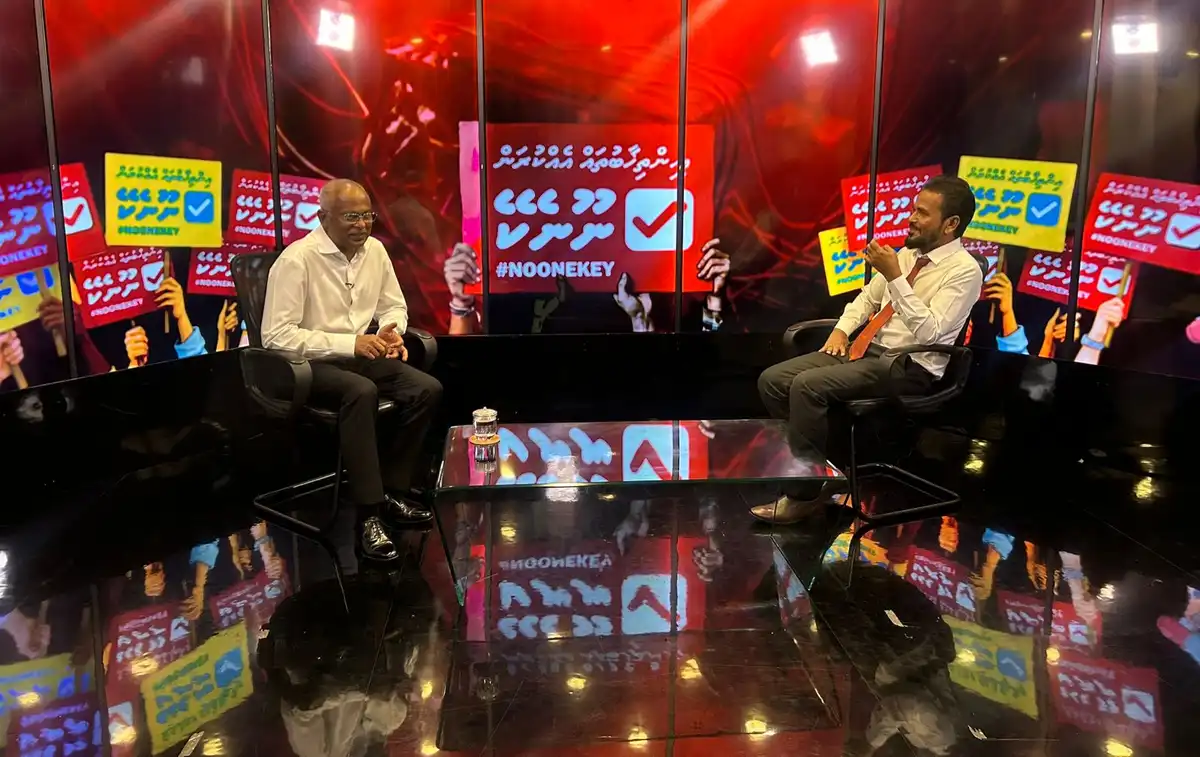
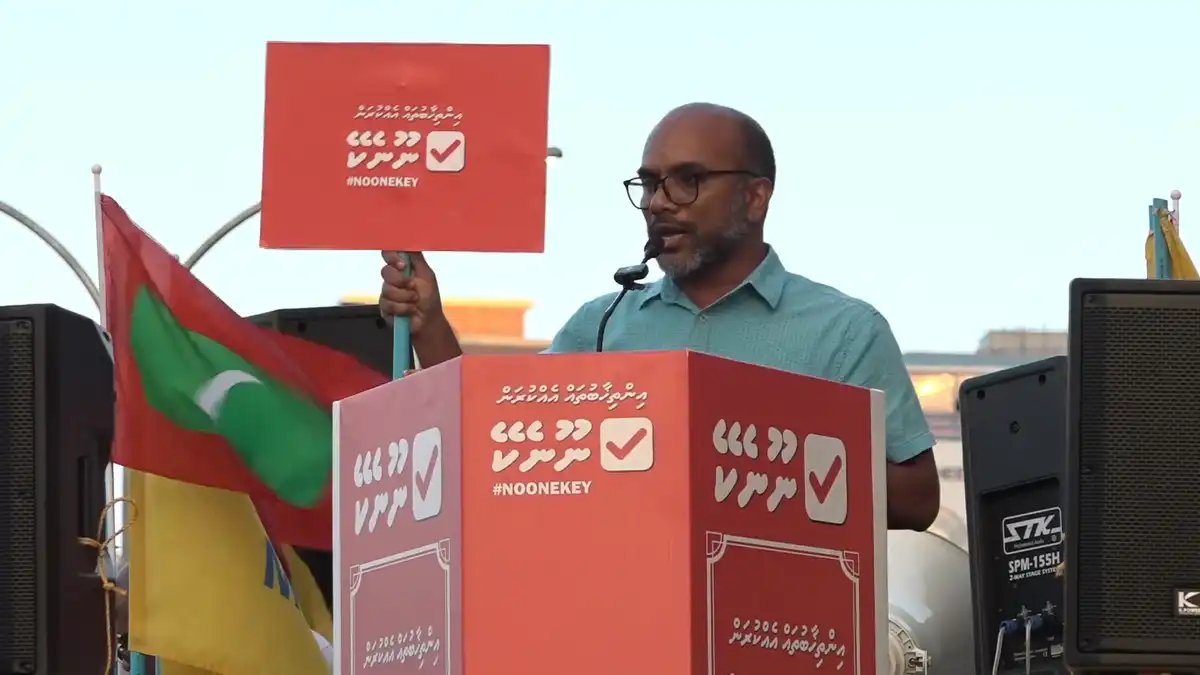
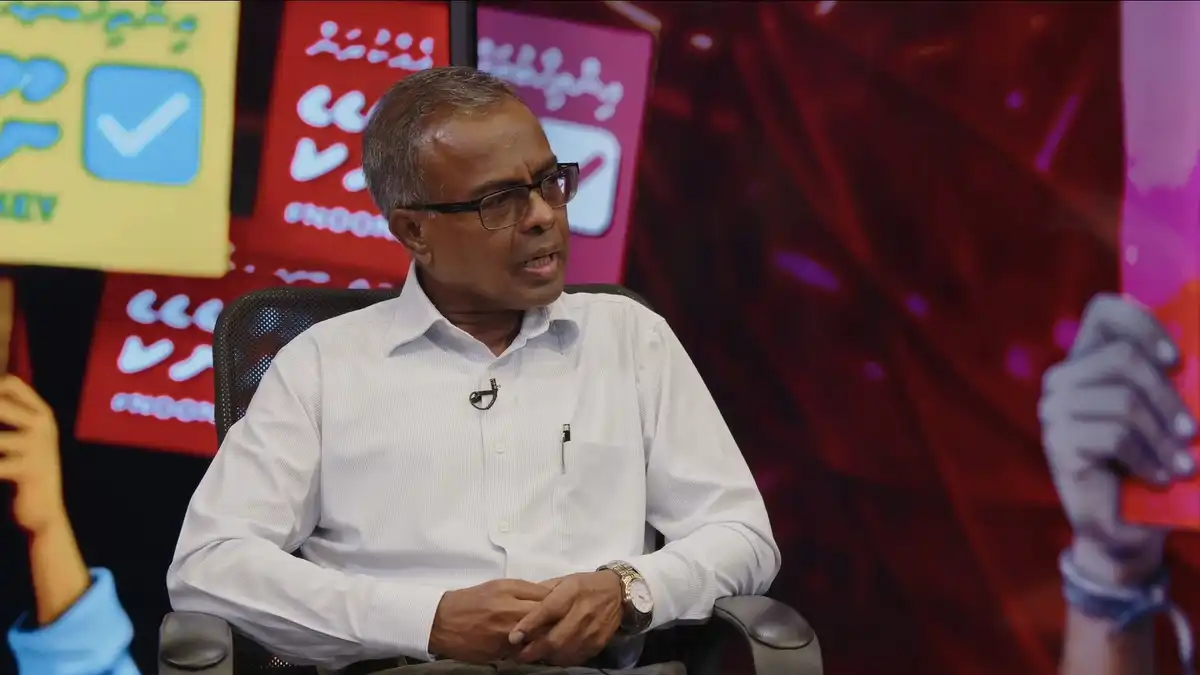
Former President Ibrahim Mohamed Solih speaks during his appearance on RaajjeTV’s "Noonekey" campaign program. | RaajjeMV | Raajje MV
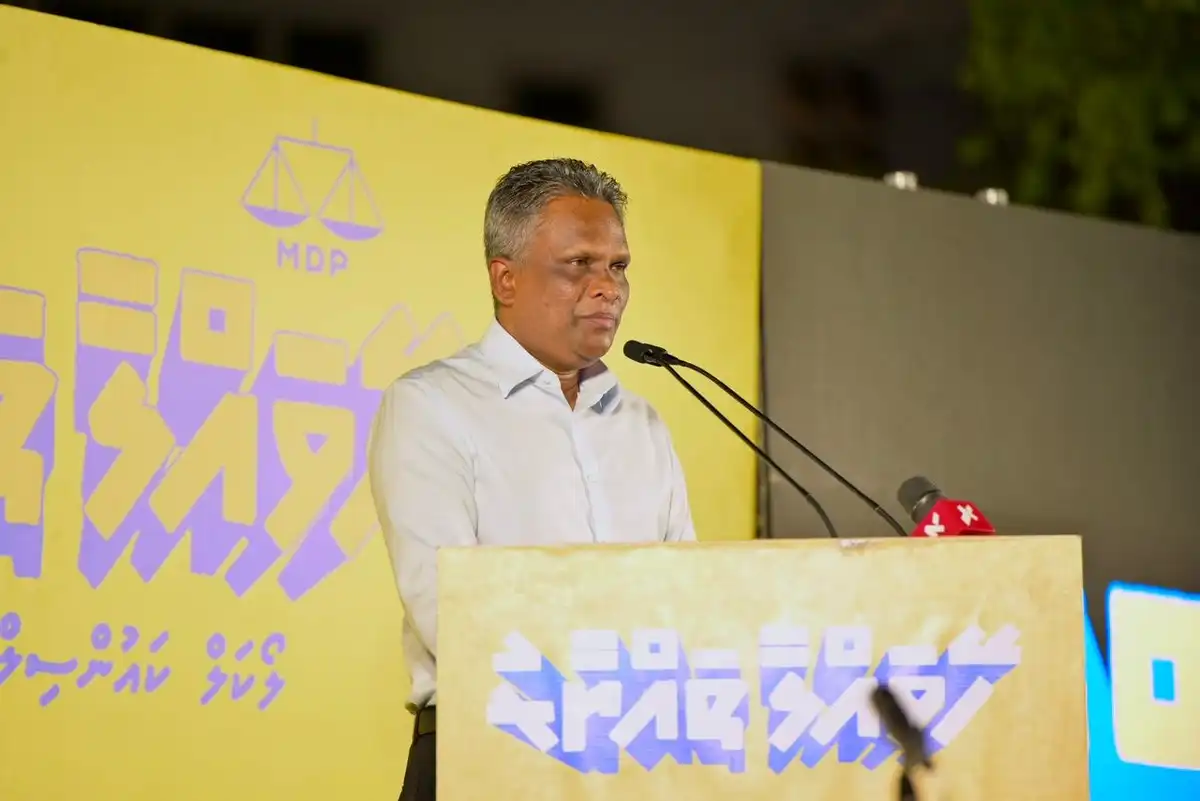
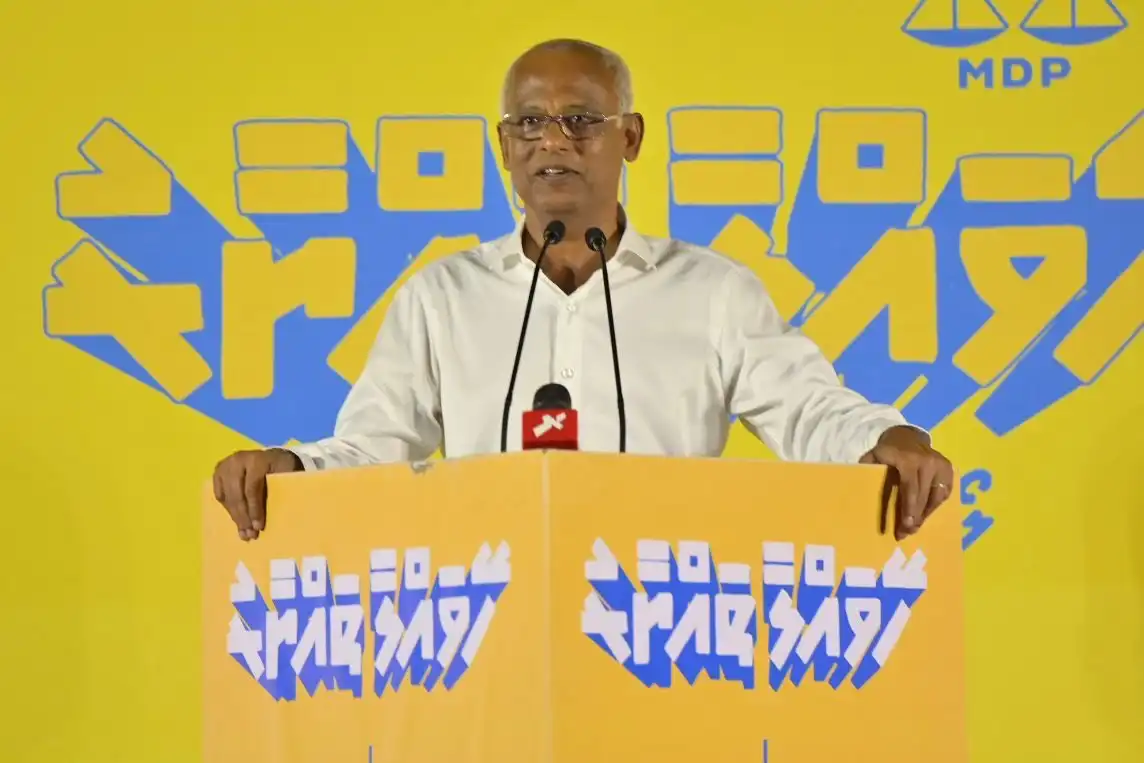
Former President Ibrahim Mohamed Solih has stated that President Dr. Mohamed Muizzu lacks a viable formula to win the upcoming presidential election. He further alleged that the proposal to hold the presidential and parliamentary elections concurrently is a calculated move to exert undue influence over the electoral process.
He made these remarks while speaking on RaajjeTV’s "Noonekey" campaign program.
Solih has asserted that while the government claims merging the two elections is a cost-cutting measure, there are numerous hidden agendas behind the move. He alleged that the true purpose of the referendum differs from the reasons being publicly presented. Furthermore, Solih stated that the government's justification of reducing expenditures is merely a deceptive tactic to mislead the public.
Furthermore, Solih stated that the proposed referendum was not initiated with the intention of bringing about positive reform. He noted that early in the current administration, the legal authority of the Parliament to act independently was undermined, with laws amended to compel members to vote and act strictly according to party directives. Solih further highlighted that once a party reaches a specific decision on a matter, individual members are effectively stripped of their right to express their own views.
"I am certain that many members would have voted 'no' in the referendum. However, they lacked the courage to do so in Parliament that day. This is because if a member breaks a party whip or votes against a party decision, they face expulsion from the party and the subsequent loss of their seat. Isn't that how this all began?" Solih said.
Solih questioned the rationale behind holding a referendum alongside the local council elections, noting that these elections typically see the lowest voter turnout. He further stated that proceeding with a referendum is unacceptable at a time when the number of ballot boxes has been reduced and opportunities for public participation have been restricted, causing difficulties for citizens.