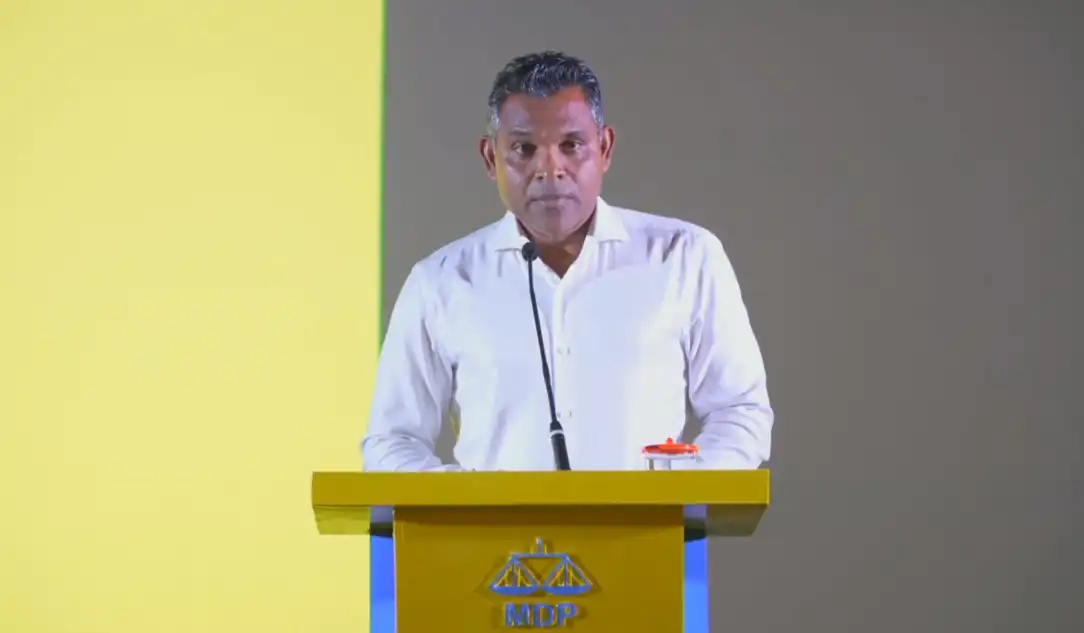
If the government cannot explain why merging two elections has become a priority over more pressing national issues, it is difficult to believe they are acting in good faith: Suood
10 މާރިޗު 2026 | އަންގާރަ 10:13Justice Suood has questioned the underlying intent behind the proposed referendum, raising concerns over whether the government has thoroughly assessed the potential implications and conducted the necessary evaluations before pursuing such a significant constitutional change.

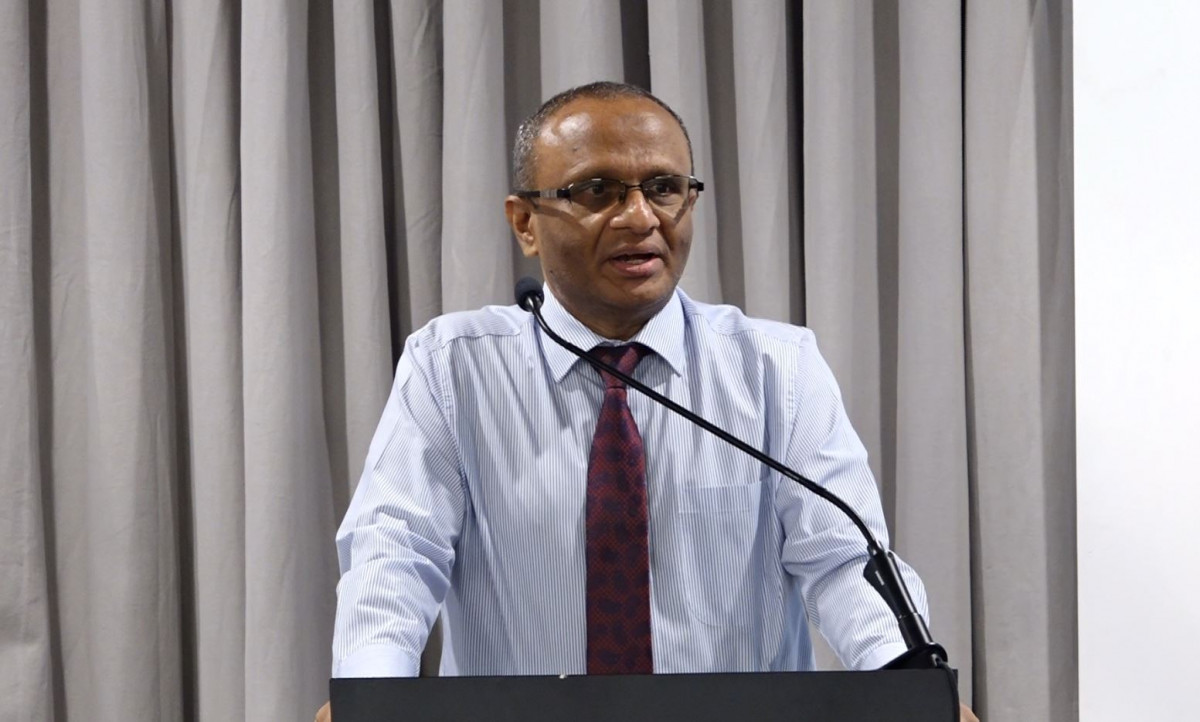
Former Supreme Court Justice Husnu Al Suood. | RaajjeMV | RaajjeMV
Former Supreme Court Justice Husnu Al Suood has stated that it is difficult to believe the government is acting in good faith if it cannot explain why synchronizing two elections has become a priority while pressing national issues remain sidelined.
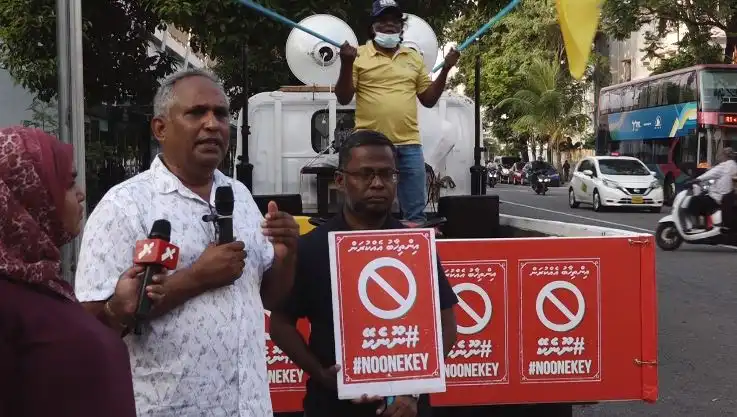
The government has decided to hold a referendum alongside the upcoming local council elections to gauge public opinion on merging two separate elections. However, a campaign has now been launched in opposition to this move. An X account dedicated to sharing information about the campaign has released a video message from Suood regarding the matter.
In the video message, Suood questioned whether the referendum was being initiated in good faith. He further inquired whether the government had conducted the necessary assessments and weighed the potential consequences before proposing such a significant change.
Suood stated that numerous measures must be taken to strengthen state governance. Highlighting the need for several constitutional amendments, he noted that the public believes it is crucial to use the Constitution to halt the continuous increase in the number of parliamentary seats every five years.
Furthermore, Husnu Al Suood noted that the public believes measures must be taken to prevent political influence within the Judicial Service Commission (JSC). He stated that this is an issue upon which all political parties have consistently reached a consensus.
Furthermore, Suood stated that the existing framework, which allows for various forms of influence over the Anti-Corruption Commission (ACC) and the Elections Commission, must be reformed. In addition, Suood highlighted several other significant areas where structural changes are urgently required.
The public recognizes that controlling and reducing the number of political appointees is an absolute necessity. Furthermore, it has become increasingly difficult for a Maldivian President to govern effectively without forcibly maintaining a parliamentary majority. These are critical issues that necessitate constitutional reform.Former Supreme Court Justice Husnu Al Suood
Suood further questioned why the proposal to synchronize the two elections was prioritized at the top of the agenda despite these outstanding issues. He added that this is a matter the government must clarify to the public.
If this action is being undertaken with sincere intentions, the government must clarify why it has been prioritized while critical national issues remain sidelined. They must explain why other pressing matters have been deferred, whether there are plans to address them, and provide a clear agenda and timeline for their resolution.Former Supreme Court Justice Husnu Al Suood
Suood stated that unless these matters are clarified, it would be difficult to claim that the government is acting in good faith.
Legal experts are warning that the vote to consolidate the two elections is merely the beginning. They contend that if the government secures a victory in this vote, there is no guarantee that future elections will remain free, fair, and transparent.