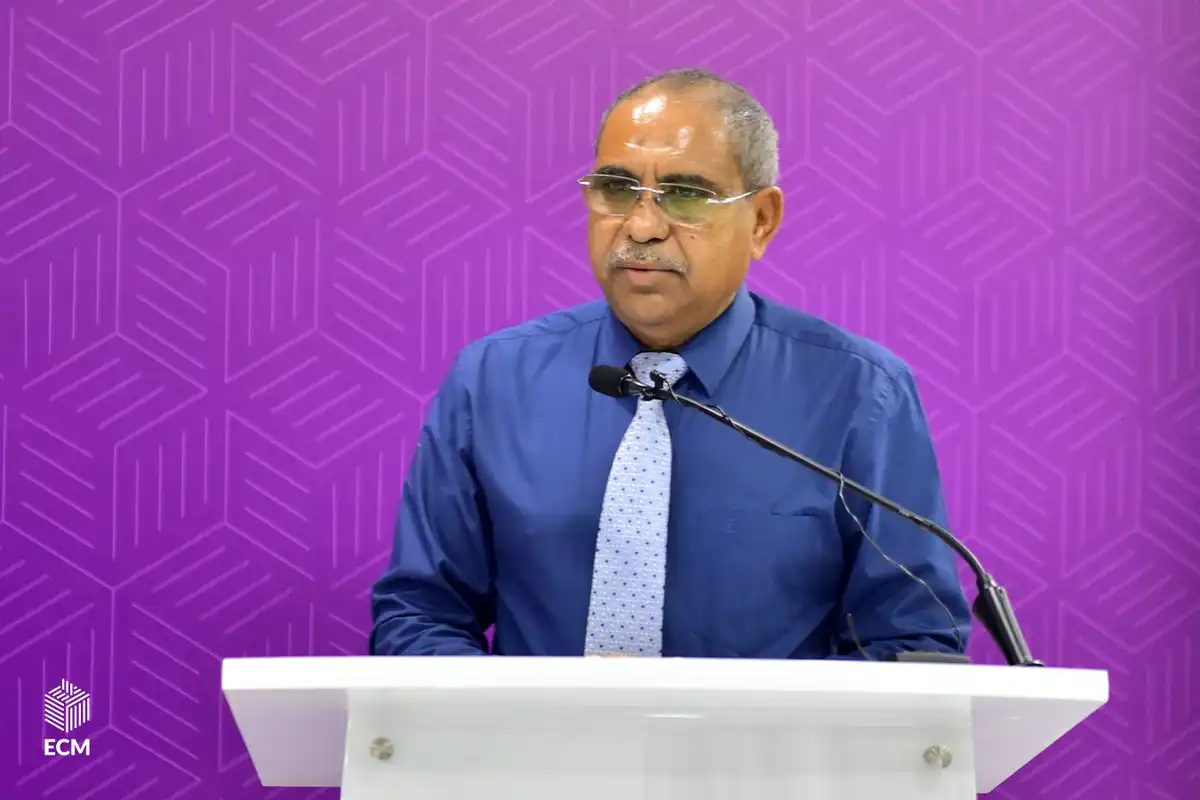
It is evident that an election is looming! After all this time of indifference, it seems these matters are finally being addressed out of a sudden sense of benevolence
15 ފެބުރުއަރީ 2026 | އާދީއްތަ 12:08The government claims it will provide numerous benefits to the public at this time; however, these actions are driven by the approaching elections rather than genuine goodwill.

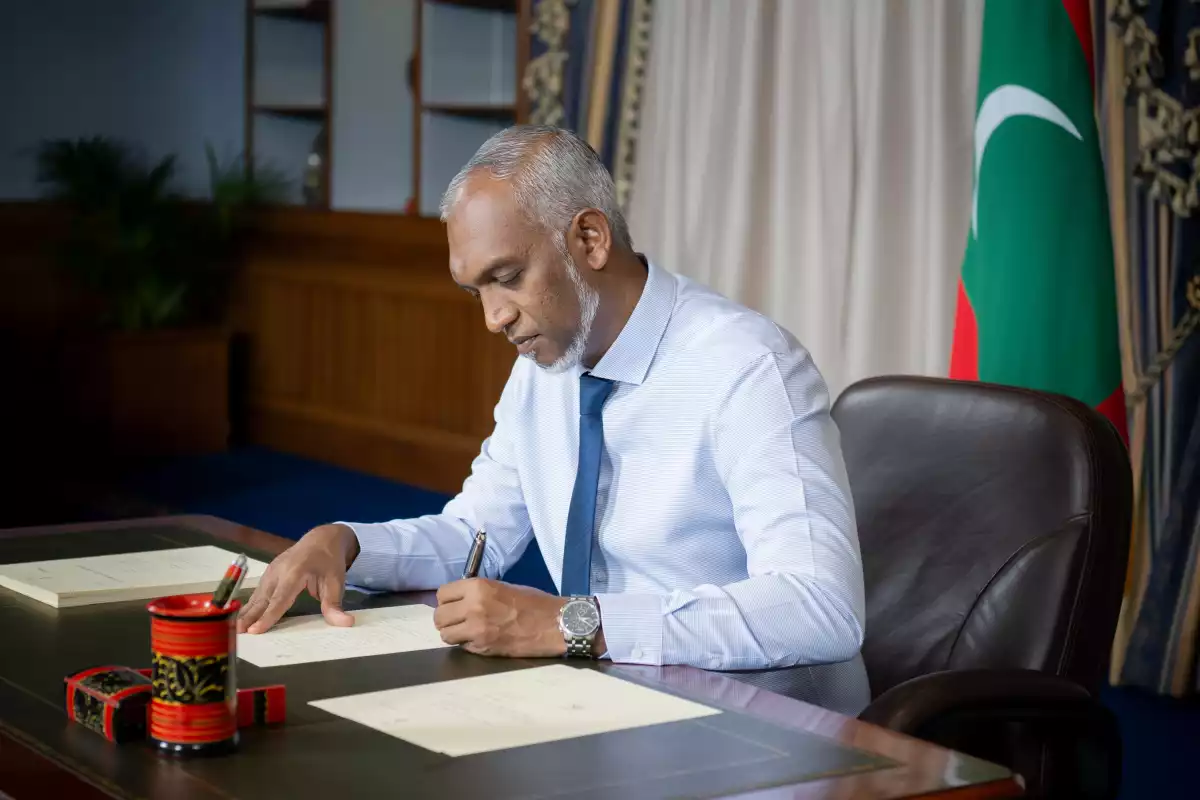
President Dr. Mohamed Muizzu ratifies bill to abolish atoll councils. | President's Office | Presidents Office
The signs of an approaching election are becoming unmistakable. This is evident as the government begins to ramp up rhetoric about projects that had long been neglected or abandoned. Projects that were stalled indefinitely or progressing at a snail's pace are suddenly being promised a swift completion. These political displays are intensifying by the day. Issues that were disregarded for years are now being addressed with newfound urgency, accompanied by assurances of rectification. These actions are being framed not as obligations, but as gestures of benevolence and goodwill.
Let us examine some of these developments. With only a month and a half remaining until the election, the State Electric Company (STELCO) has announced that electricity bills for this year's Ramadan will not exceed 400 Rufiyaa. This comes after the public has spent years voicing their frustrations over skyrocketing electricity costs. Despite these long-standing grievances, no meaningful solution had ever been offered to the people. Instead, whenever bills increased, the blame was invariably shifted onto the consumers themselves.
However, the government is now asserting that households will receive a separate bill for this Ramadan, following President Dr. Mohamed Muizzu’s decision to grant a special discount on electricity charges. With the decision to cap electricity bills at 400 Rufiyaa through these discounts this year, few Maldivians remain unaware that this is a calculated political maneuver timed to coincide with the upcoming elections.
Despite initial pledges to complete the reclamation of lagoons in the Greater Male' Area within the first year of the administration, the project has remained stalled and sidelined until now. However, as the council elections draw closer, the pace of these works has suddenly begun to accelerate. Given the timing, there is every reason to sense that an election is indeed on the horizon.
President Mohamed Muizzu’s announcement that the long-stalled land reclamation project at Giraavarufalhu resumed on Friday morning follows a familiar pattern. The timeline set for the project's completion aligns closely with the upcoming local council elections. During a meeting with the residents of Machchangolhi last November, President Muizzu stated that physical work on the Giraavarufalhu reclamation would commence in early January and be fully completed by the end of March. This deadline falls just shortly before the elections begin. However, this development is being framed as an acceleration of work driven by the President's goodwill.
During his various visits to the atolls last year, the President was seen actively participating in groundbreaking ceremonies and laying foundations, often seen with a trowel and mortar pan in hand. Since then, the government has been repeatedly issuing new commencement dates for projects that have remained stalled or seen no progress to this day. Furthermore, following the pattern of initiating works during the parliamentary election campaign only to halt them once the polls concluded, the government is now in the process of announcing new restart dates and resuming some of these activities.
All these arrangements are being orchestrated to reinforce the government's narrative that progress will grind to a halt if voters fail to support government candidates in the upcoming local council elections. The current surge in mass employment opportunities and the distribution of significant sums of money by senior PNC officials are calculated moves intended to secure victory in the council elections by any means necessary. As the elections draw closer, the government will increasingly pledge to fulfill public demands and initiate projects in rapid succession. These actions are not born out of genuine goodwill, but are strategically timed for the election cycle. Deceiving the public in the lead-up to an election is a familiar tactic for this administration.