Ignoring the roar on the streets and social media: is the Ras Malé backlash really just a minority?
21 ނޮވެމްބަރު 2026 | ހޮނިހިރު 17:36President Muizzu has faced widespread criticism for characterizing the opposition from the public and scholars regarding the sale of land in Ras Malé to a foreign company as the concern of only a minority. Despite mounting calls for a direct public mandate on this decision, the government’s actions appear to demonstrate a disregard for the sentiments and concerns of the citizenry

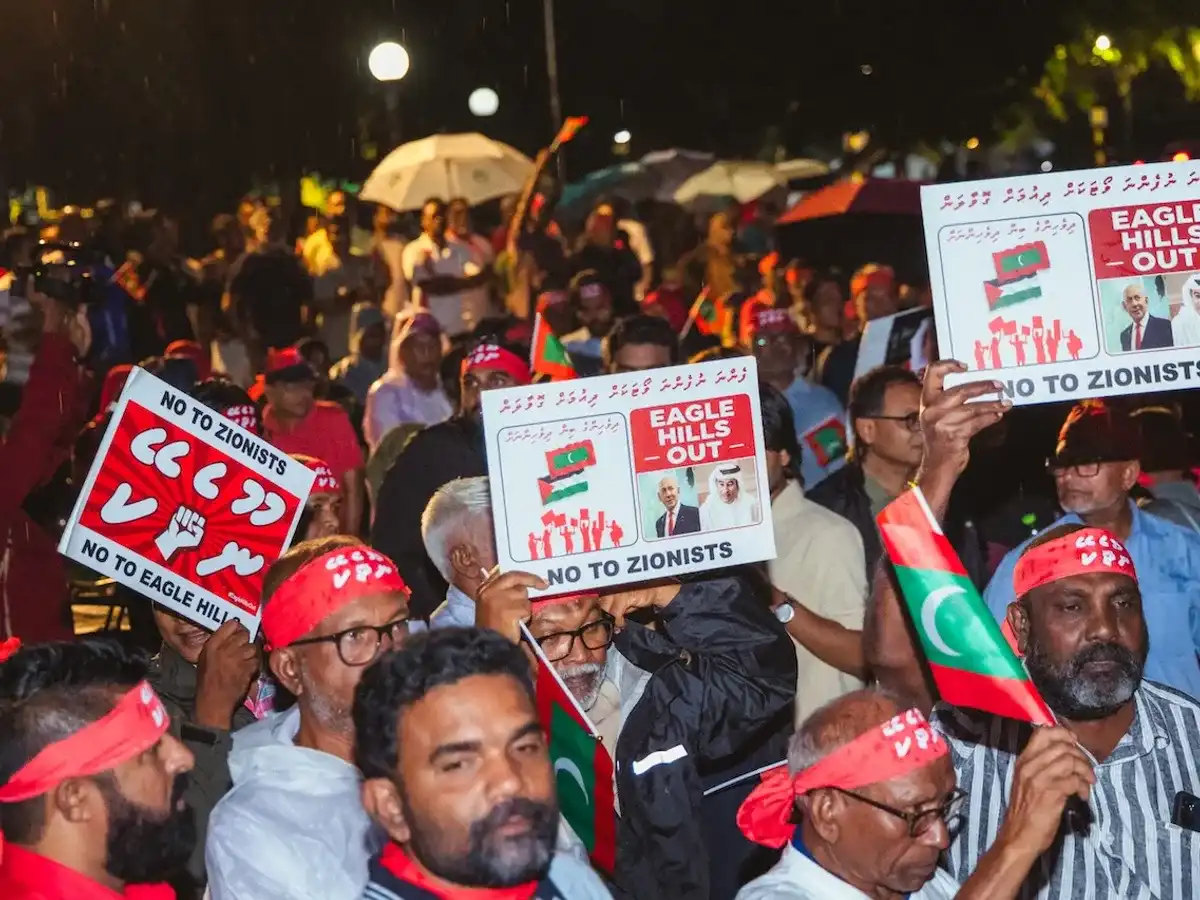
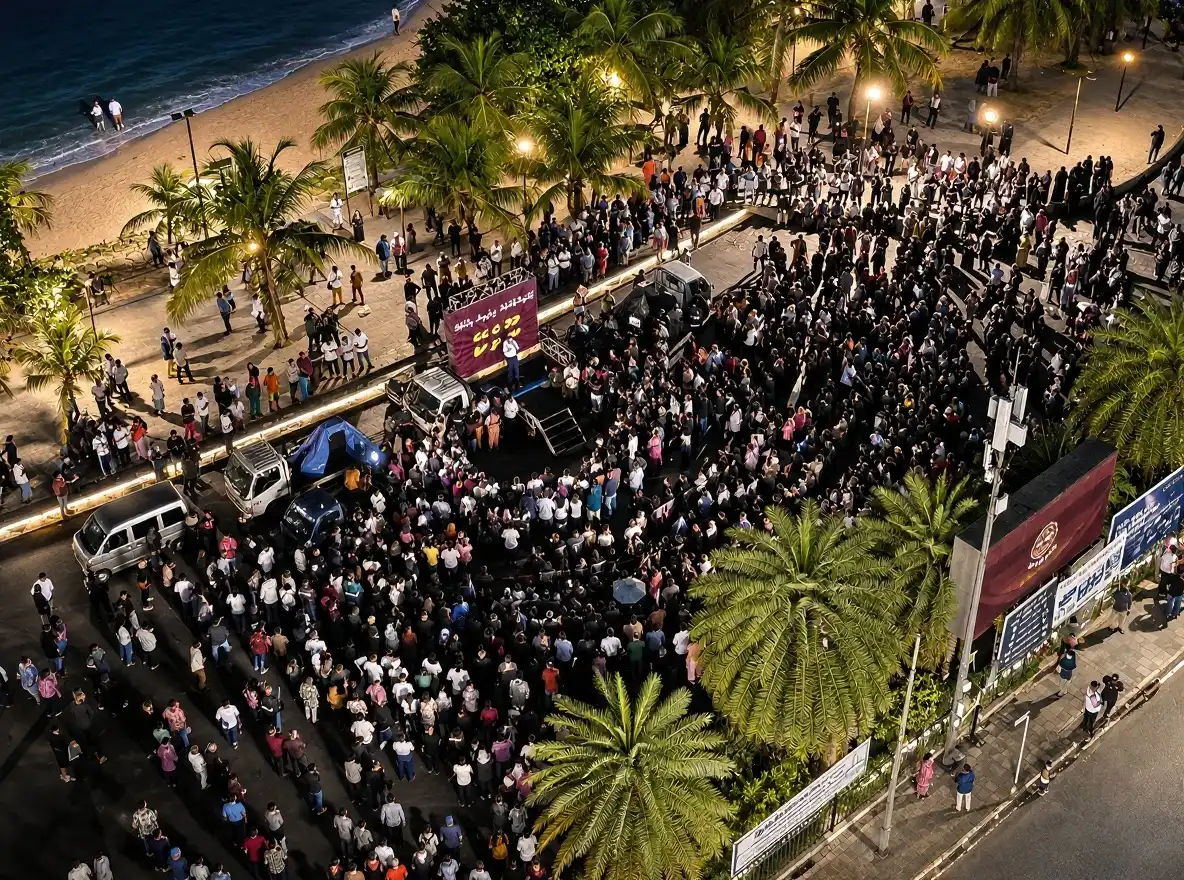
Protest held against the Ras Malé project | Maldives Independent
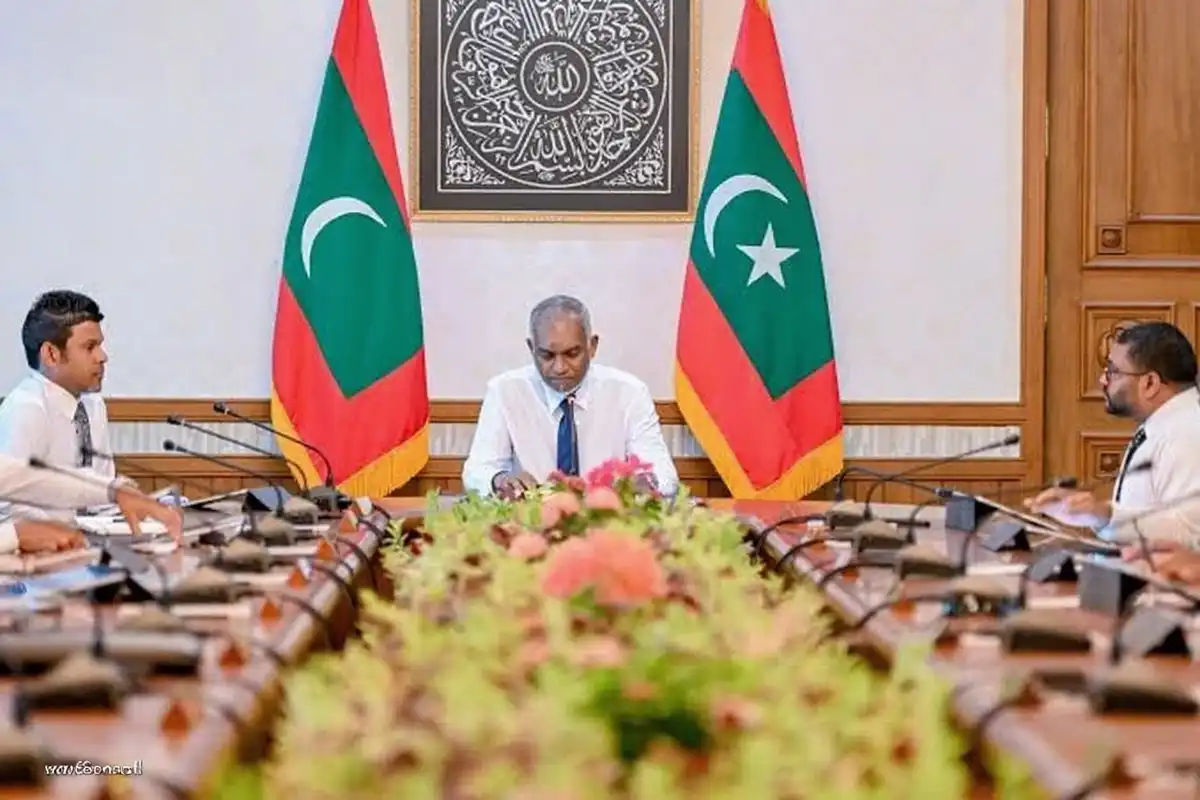
Speaking at the official Republic Day ceremony, President Dr. Mohamed Muizzu implied that resistance to transferring a section of Ras Malé to the UAE-based firm Eagle Hills is limited to a tiny fraction of the population.
That claim clashes blatantly with what is playing out in the streets and online. And to many, it feels like a deliberate dismissal of legitimate public alarm. To frame his stance, the incumbent drew on history, pointing to Mohamed Ameen’s push for girls' education alongside Ibrahim Nasir’s role in mechanizing fishing vessels and launching the tourism sector as proof that Maldivians have historically welcomed modernization and development.
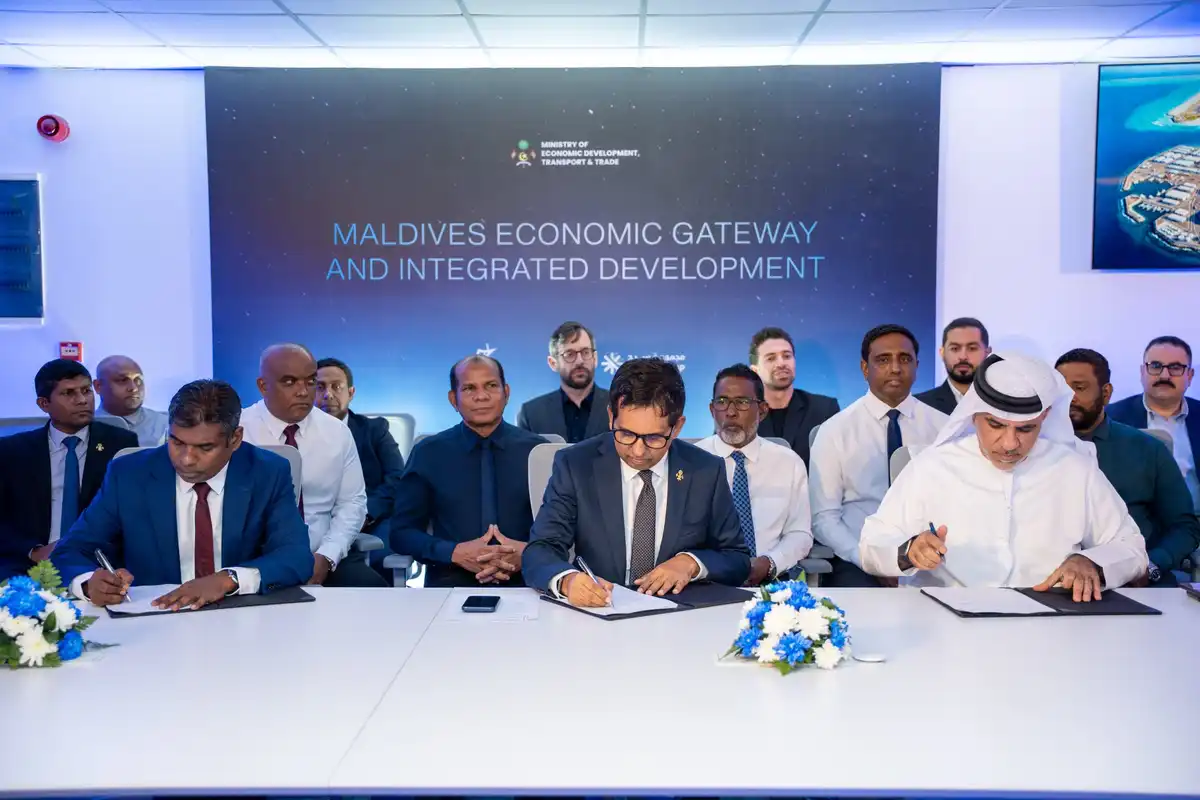
However, on the ground, vast numbers of citizens are sounding the alarm over the severe economic and national risks tied to the commercial terms agreement that would sell off 500 hectares of Ras Malé to Eagle Hills.
Far from being an extreme complaint, a swelling chorus of people is speaking out in frustration and pressing anxiety. With resistance intensifying both online and in public squares, brushing off this broad backlash as petty partisan politics or the noise of a vocal few comes across as an insult to the intelligence of ordinary citizens.
At its core, the Ras Malé development is tied directly to the most urgent aspiration of everyday citizens: having a place to live. Turning over a massive stretch of publicly funded reclaimed land to a foreign corporation is a consequential move that strikes at the heart of the people's rights and long-term prospects.
Stripped of party politics, this controversy directly affects hundreds of families already enduring severe hardship due to the housing crisis. Across social media, the anxiety over this land transfer is impossible to miss, as citizens publicly debate what it means for domestic land ownership and Islamic unity.
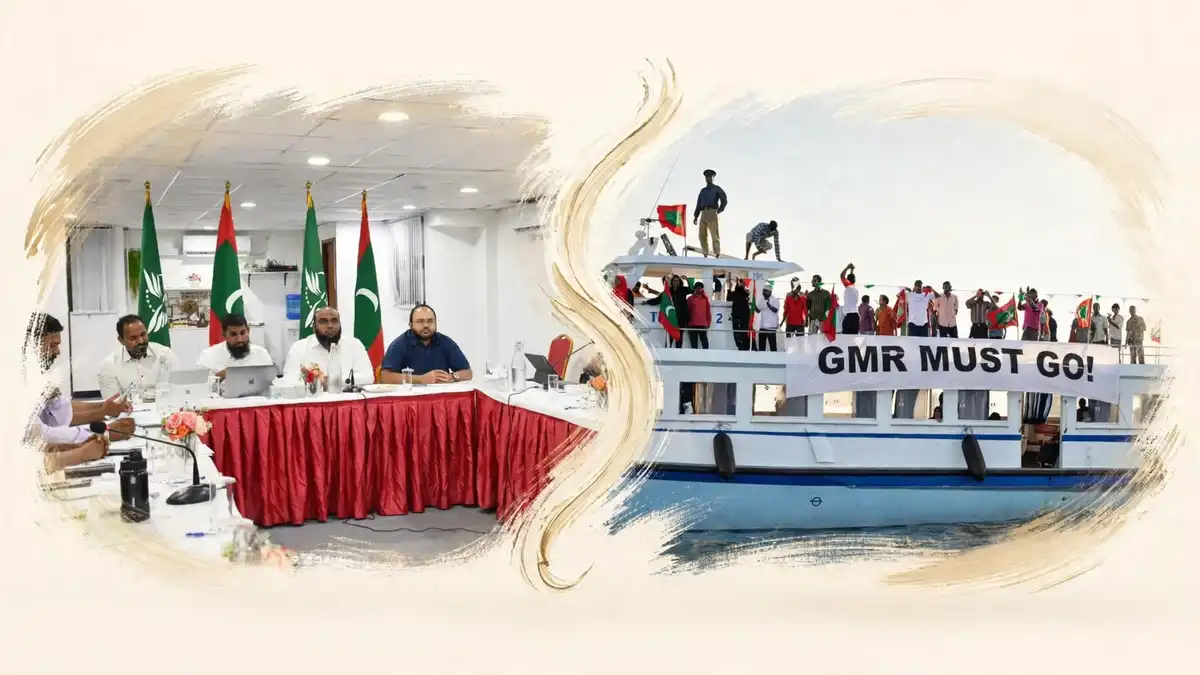
Meanwhile, the continuous demonstrations and public gatherings only underscore the growing chasm between the administration’s talking points and the reality experienced by the public.
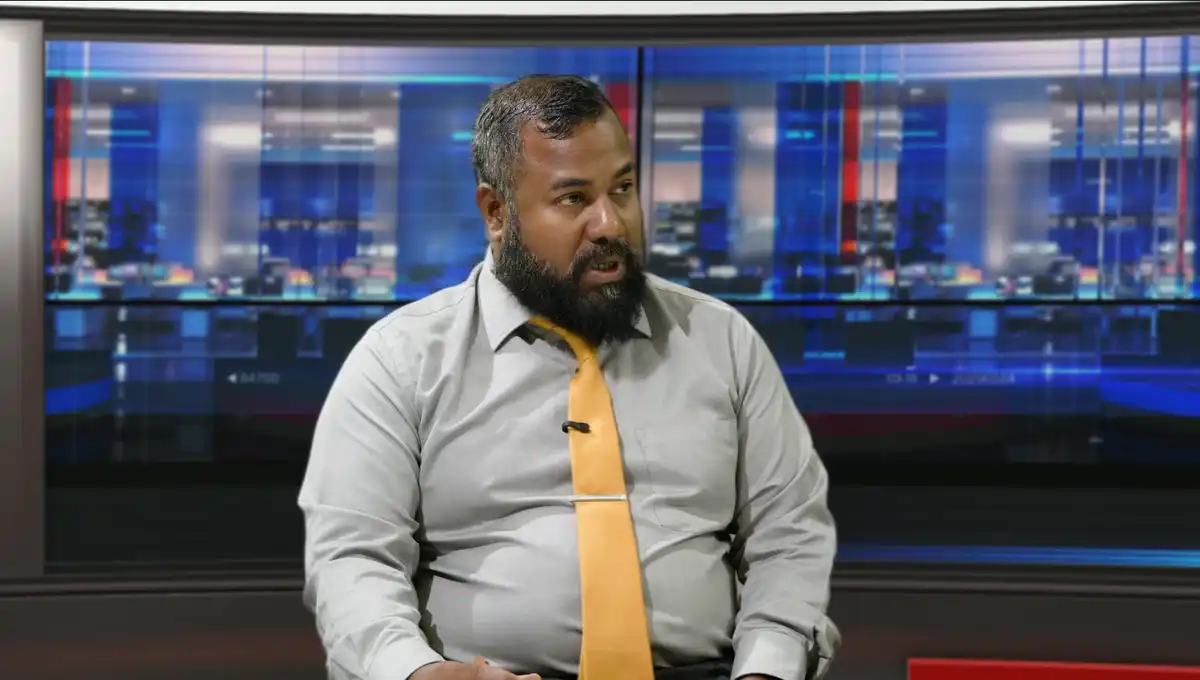
Public campaigns like the 'Dhiveheenge Bin Dhiveheennah' movement, backed by everyday citizens and lawyers and non-governmental organizations, offer clear proof of widespread public unease.
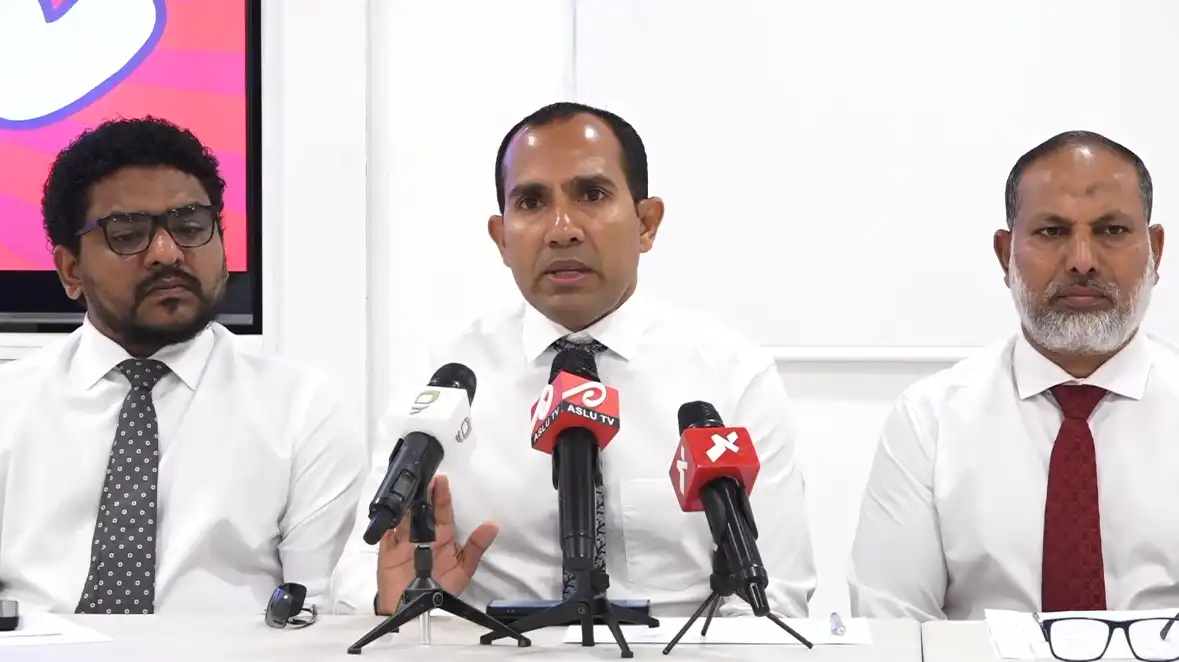
Religious scholars and numerous civil groups have also voiced their objections, urging authorities to pause the initiative before any final deal is signed.
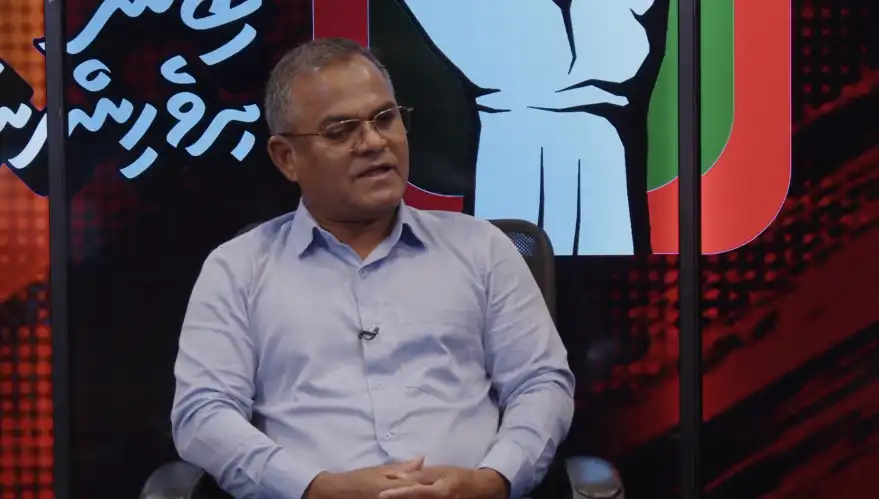
Opposition figures and political parties have similarly demanded that the issue be put to a public referendum, insisting that giving citizens a direct say on a decision of this magnitude concerning Maldivian territory is a fundamental requirement of democracy and public empowerment.
Even so, the incumbent has ruled out holding a referendum, waving away criticism of the Ras Malé deal as groundless. Turning a deaf ear to public outcry while simultaneously pushing through hasty legal amendments on 99-year leases and land ownership only reinforces the impression that this administration is shedding any pretense of being a government that really listens to its people.
Trying to place the sell-off of Ras Malé in the same league as past national breakthroughs strikes many as a manipulative spin.
Educating girls, mechanizing the fishing fleet and building a tourism industry were transformative strides achieved by Maldivians utilizing their own resources and territory to advance the nation.
Handing control of taxpayer-funded reclaimed land over to an overseas investor and raising troubling questions about how property leases will be structured, is a completely separate being, one with direct consequences for the country’s sovereignty and future.
When street protests and media commentary and the public mood all point in the exact same direction, insisting that meaningful opposition barely exists shows a willful blindness to what citizens really feel.
That widening gap between state rhetoric and everyday reality steadily chips away at public trust in leadership.
Left unchecked, this disconnect risks destabilizing the social fabric and peace, paving the way for deeper political and civic turmoil.
Preserving national harmony and genuine development requires leaders to confront the reality of these concerns head-on which appears to be a duty the current administration seems determined to dodge.