Can the gov’t truly mandate respect?
14 ނޮވެމްބަރު 2026 | ހޮނިހިރު 07:19The government-initiated 'National Campaign for Respect' has drawn widespread public criticism, with many characterizing it as a political campaign conducted at a significant cost to the state budget. Further, as employees are being compelled to participate in workshops held under this initiative, the public views it as a move that may incite resentment rather than fostering the intended spirit of respect


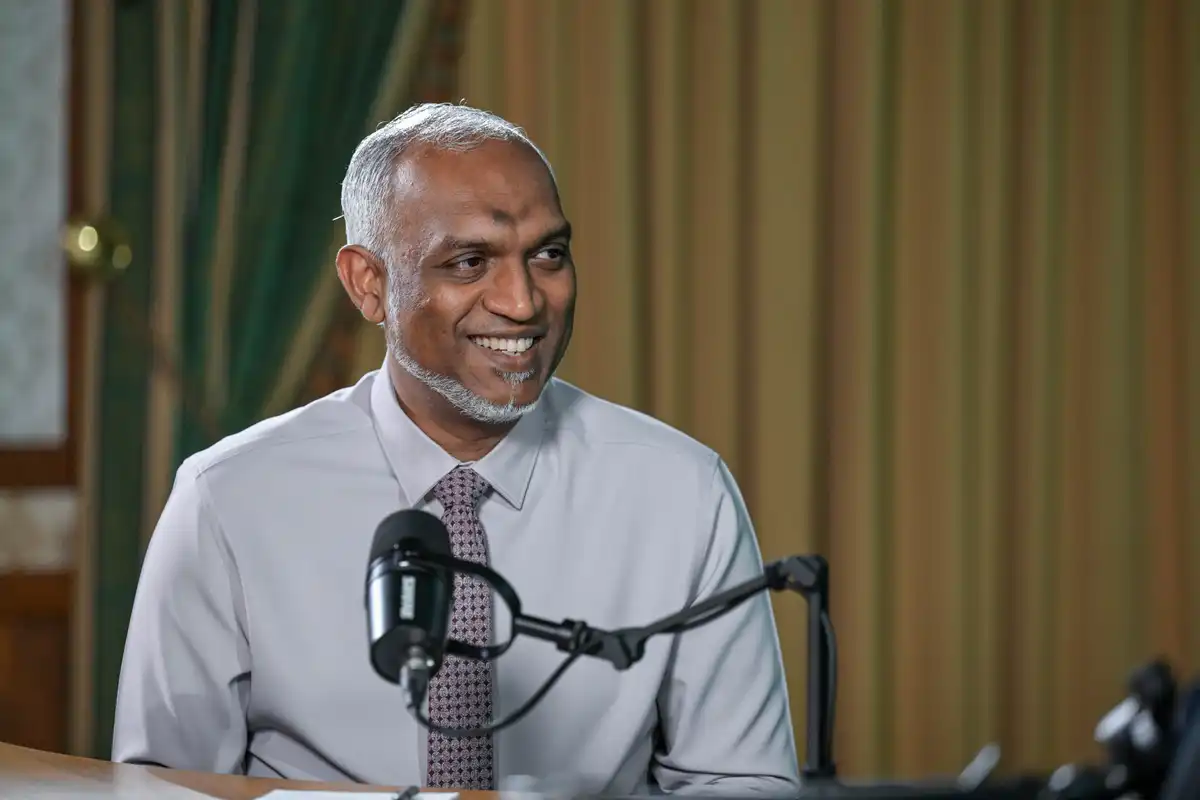
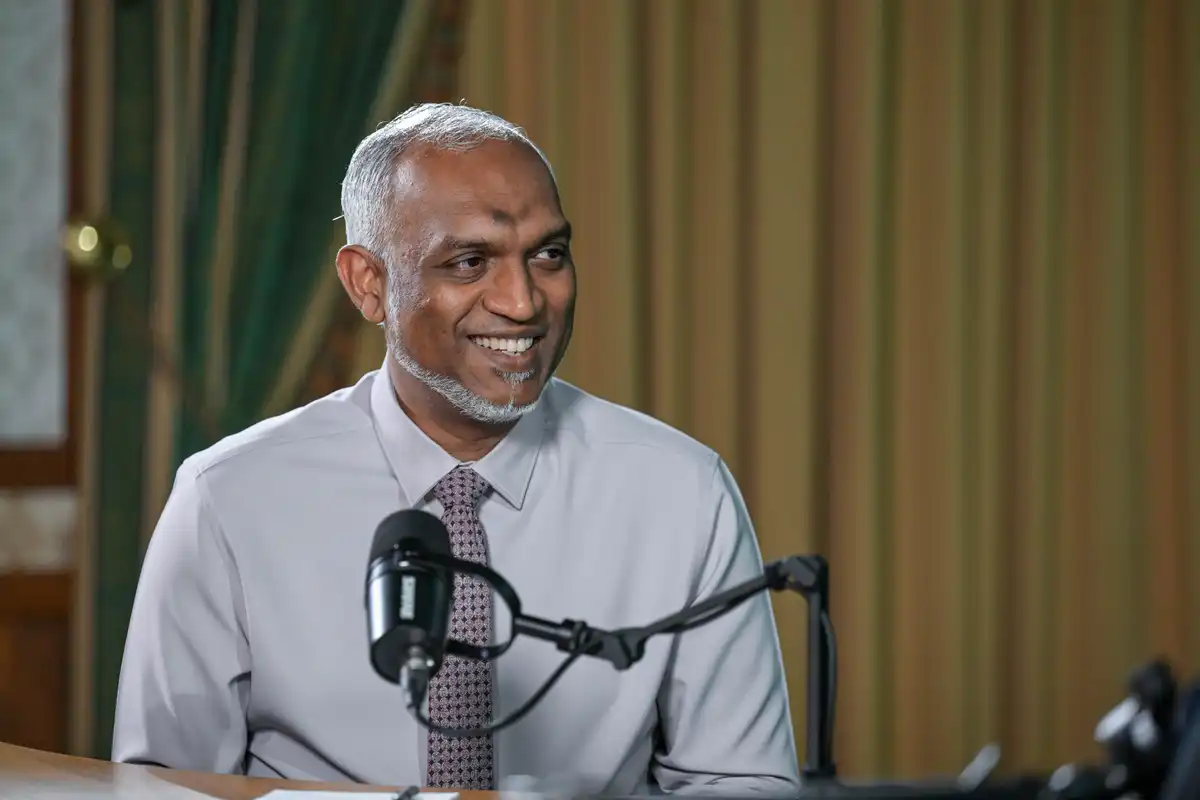
President Dr. Mohamed Muizzu chairs a Cabinet meeting | President's Office
Respect is never something that can be extracted through intimidation or the flexing of authority; it’s a two-way street. Authentic esteem from others is only ever earned through shared kindness and compassion.
However, recent developments across the Maldives point toward a concerted effort to formalize courtesy by forcing it onto workers across government bodies and state-owned companies.
Throughout history, Maldivians have deeply prized good manners and grasped the true meaning of esteem. The core of social grace and mutual consideration has long been planted in Maldivian youth from early childhood, both inside family homes and across the national school system.
Courtesy is hardly a foreign idea that needs to be reintroduced to the public by outside authorities.
Even worse, the talking points pushed by certain state officials to score political points unintentionally paint a harmful picture suggesting that our educators and dedicated parents have somehow failed to raise children with basic decency.
Doesn't this cast doubt over the whole moral fabric of our society while belittling the relentless hard work of families and teachers?
President Dr. Mohamed Muizzu’s administration has rolled out a sweeping countrywide drive known as the National Campaign for Respect.
As stated by the authorities, the campaign is meant to breathe new life into a culture of mutual regard across the nation. Operating under this banner, multiple seminars and training sessions are being held inside various public offices and state corporations, bankrolled by substantial sums drawn directly from the national treasury.
Still, the glaring issue stems from accounts that staff members are being forced to attend these sessions reluctantly. Genuine regard simply cannot take root in an environment of bitterness and coercion; on the contrary, heavy-handed tactics only cultivate apathy and hostility. That remains an undeniable reality of human behavior.
As a result, citizens are increasingly skeptical of the real motives behind this endeavor. Is it genuinely possible to plant respect inside someone’s heart by decree?
Nothing in history suggests that surface-level seminars have ever succeeded in winning over public sentiment. Amid a wave of online backlash targeting the administration over the matter, a growing number of people are wondering if the whole affair is nothing more than a political stunt designed to flex state power, all paid for out of the pockets of ordinary taxpayers.