Proposed budget for 2027 is one that will lead to increased spending, a higher deficit, and rising debt: Saruvash
10 ނޮވެމްބަރު 2026 | އަންގާރަ 11:45Saruvash noted that while next year's budget reflects a 6.6 percent increase in expenditure, there is no reliable plan to secure the funds necessary for debt repayment. He expressed concern over the lack of robust reform measures to reduce spending and the ineffective utilization of the housing budget, further highlighting the government's failure to maintain fiscal discipline.
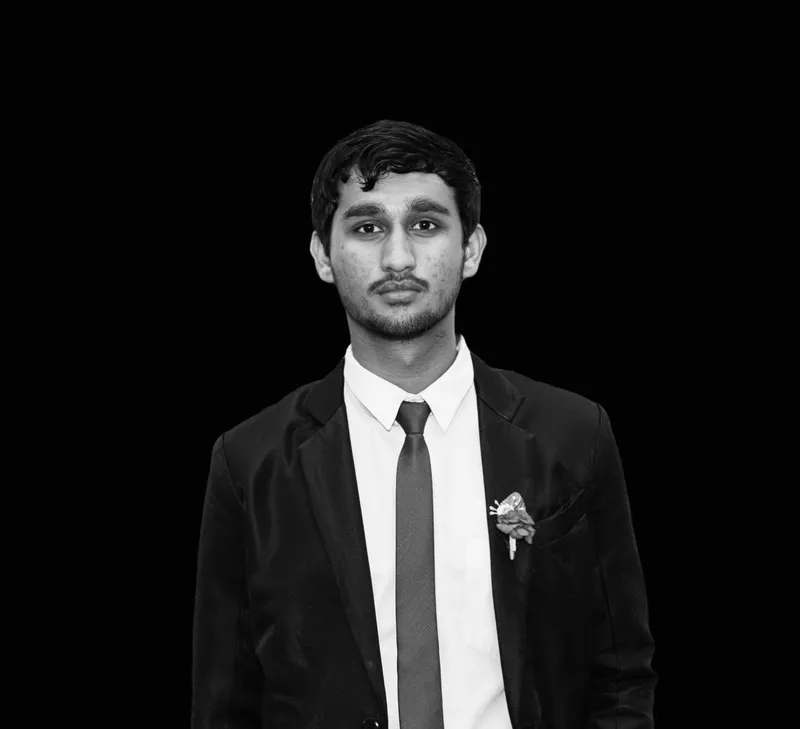
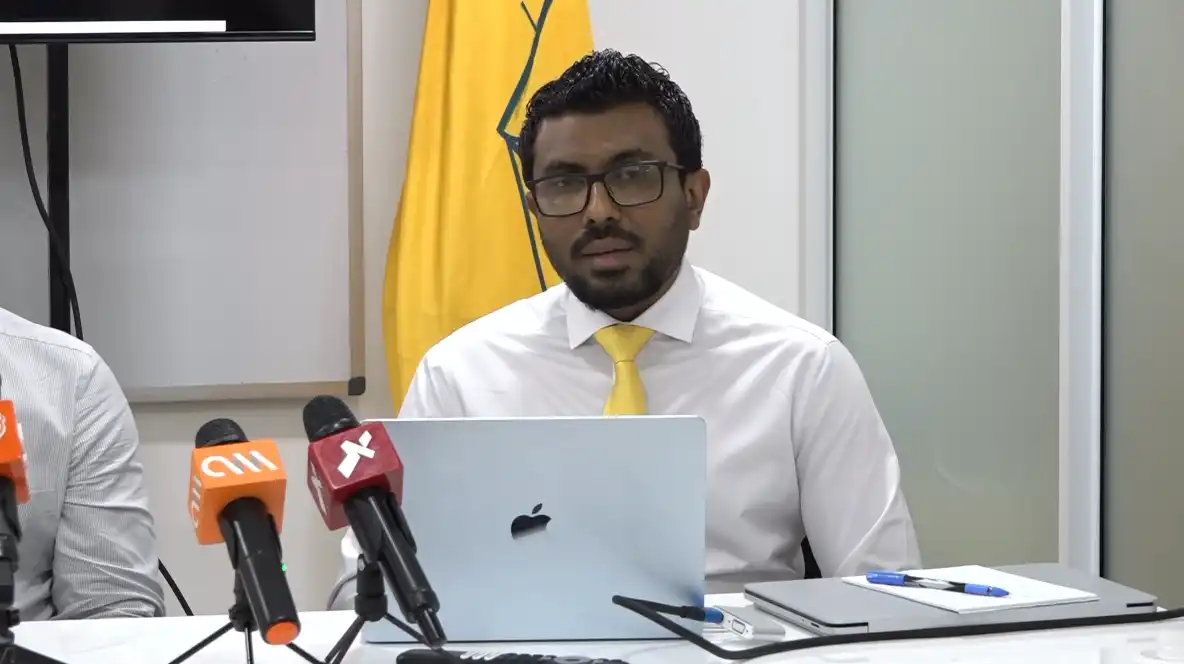
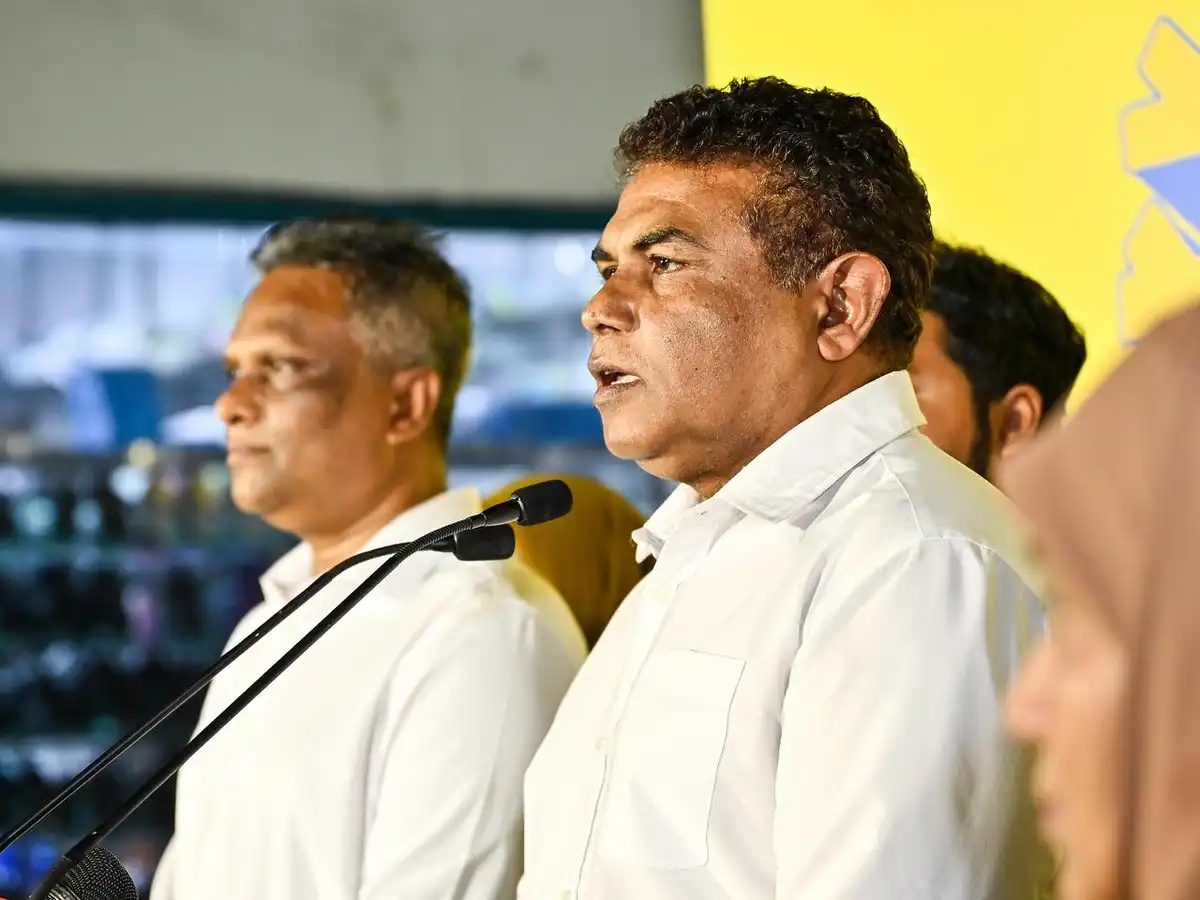
Ahmed Saruvash Adam, former Chief Financial Budget Executive at the Ministry of Finance and former member of the Pension Office Board. | Raajje MV
Ahmed Saruvash Adam, the former Chief Financial Budget Executive at the Ministry of Finance and a former member of the Pension Board, has stated that the government's proposed budget for the upcoming year will lead to an increase in spending, the fiscal deficit, and the national debt.
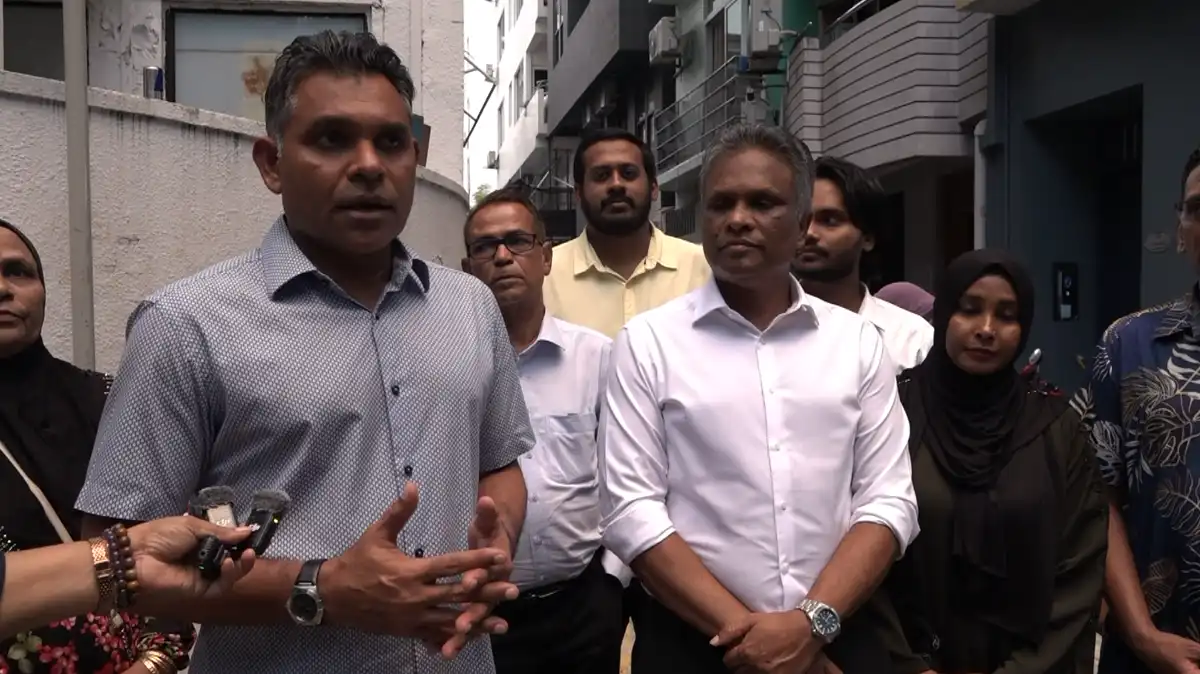
Speaking at a press conference titled "Rising Debt, Diminishing Services" organized by the MDP’s Macroeconomic Committee, Saruvash stated that despite government claims that expenses would decrease following the sukuk repayment and subsequent reduction in debt servicing, overall spending has actually increased by 6.6 percent.
Saruvash stated that expenditures have risen from MVR 49.3 billion to MVR 52.6 billion. He further noted that MVR 18.9 billion in financing is required, yet there is currently no credible plan in place to secure these funds.
The fiscal deficit stands at 7.3 percent of GDP, amounting to a shortfall of MVR 9.4 billion. Within the 2025–2029 budget cycle, the deficit projected for 2027 is the highest of all years presented. Furthermore, there appears to be a lack of credible or robust reforms aimed at reducing expenditure over the next three years.Ahmed Saruvash Adam
Saruvash further noted that there is no evidence of progress on the initiatives promised within the 2026 budget. He highlighted that while President Muizzu had characterized the 2026 budget as one focused on housing, the approved budget allocates only 1.6 billion Rufiyaa for housing projects.
However, Saruvash noted that spending on housing remained below 600 million. He further highlighted that expenditures for fuel subsidies and state-owned enterprises (SOEs) had exceeded their initial budgetary allocations.
Furthermore, Saruvash noted that the projected increase in recurrent expenditure in next year's budget indicates a lack of commitment by the current administration to maintain fiscal discipline.