Bill proposing amendments to Penal Code to include religious and economic offenses, removed from Wednesday's agenda
27 އޮކްޓޯބަރު 2026 | އަންގާރަ 18:34The People's Majlis has for the second time removed from its agenda a proposed amendment to the Penal Code aimed at criminalizing genocide and acts of economic sabotage. The bill, introduced by the Member for South Maafannu, seeks to criminalize targeted violence against specific races or religious groups. Meanwhile, the parliamentary schedule remains focused on reviewing salary structures and deliberating on several pending resolutions.

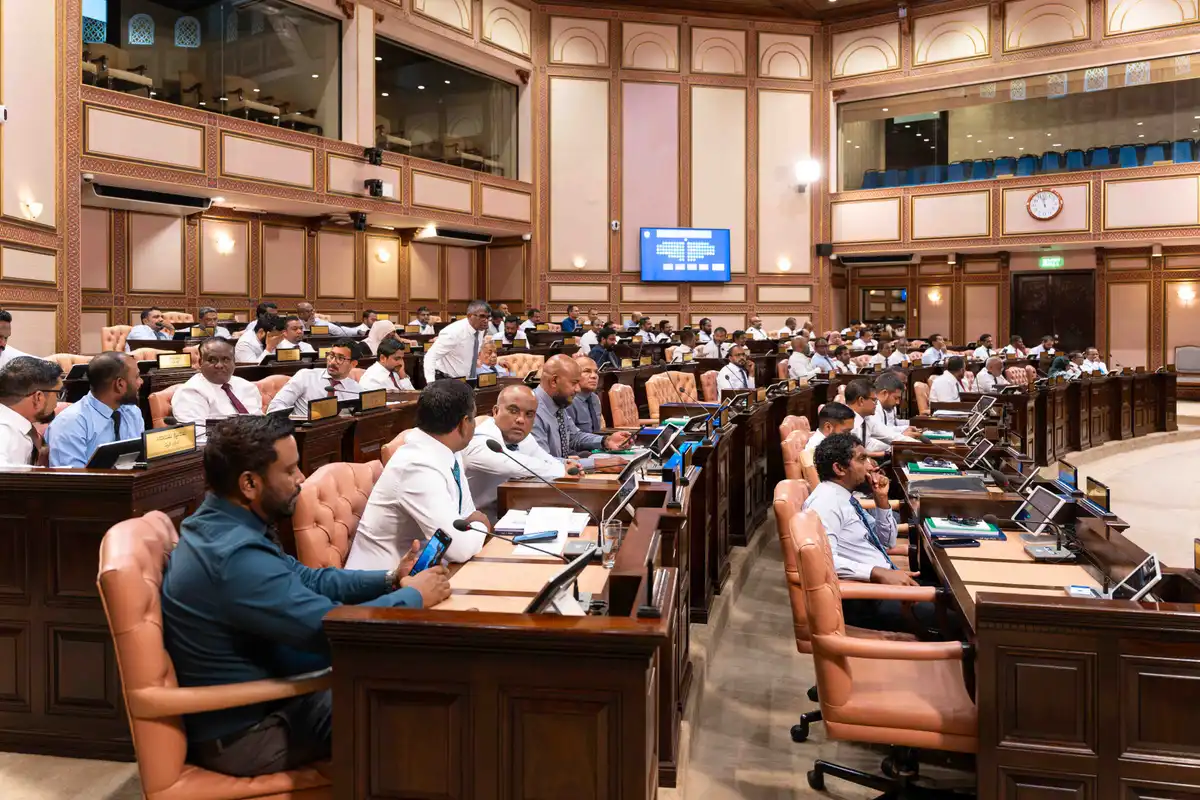
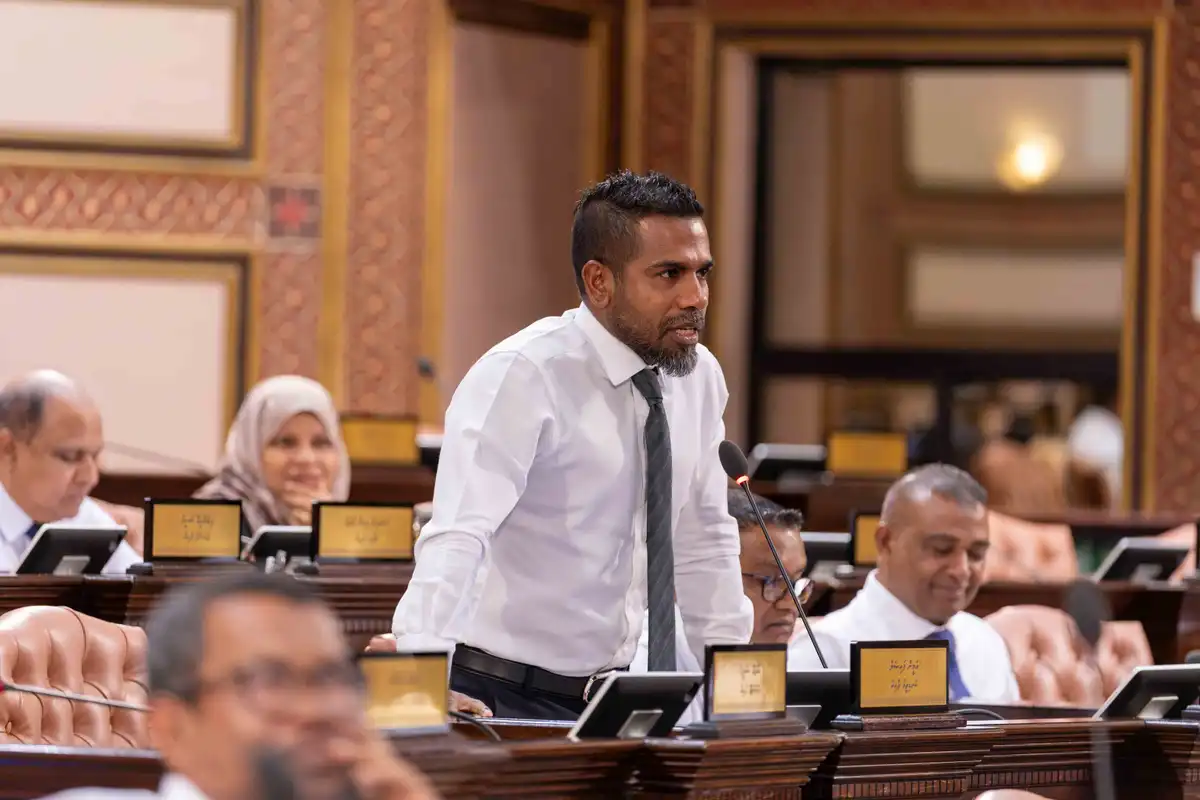
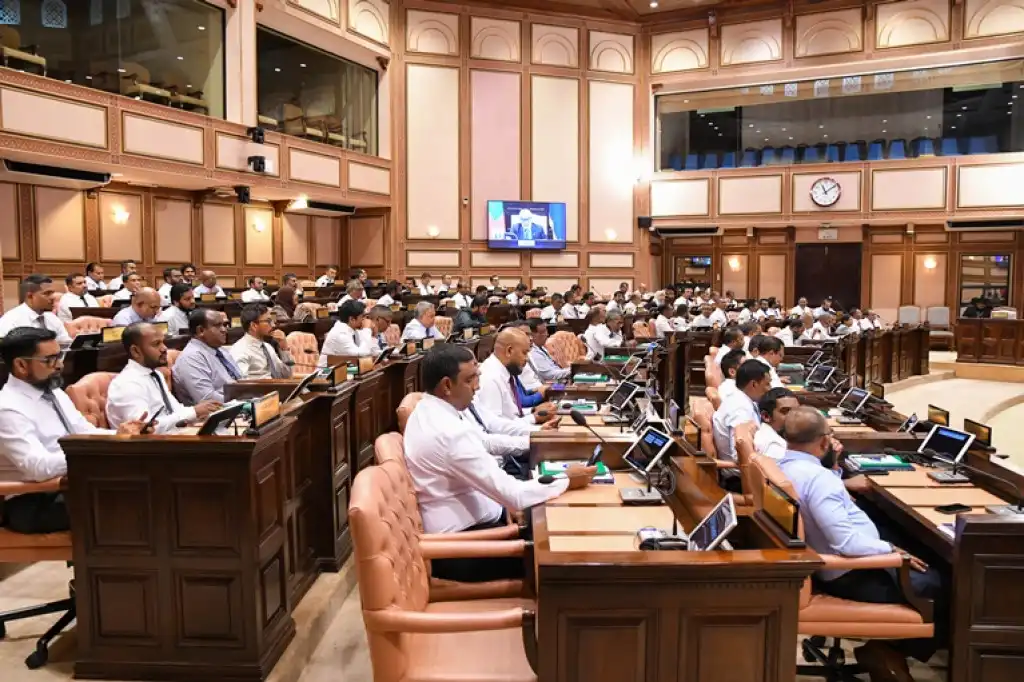
From a session of the 20th People's Majlis. | majlis
The People's Majlis has once again removed from Wednesday's agenda a bill seeking to amend the Penal Code to criminalize acts targeting specific religious groups and activities that sabotage the national economy.
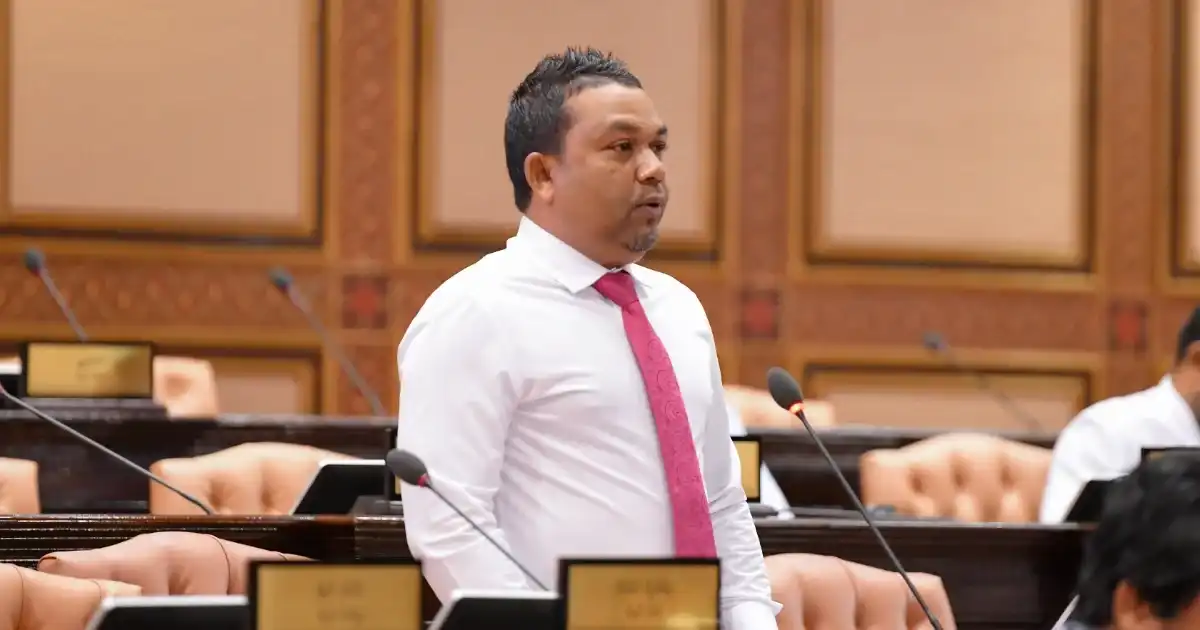
The bill was introduced on behalf of the government by MP Abdulla Rifau, the People's National Congress (PNC) representative for the South Maafannu constituency.
The primary objective of this bill is to establish genocide as a major criminal offense under Maldivian law, in alignment with the international conventions on the prevention and punishment of genocide to which the Maldives is a signatory. The first reading of the bill was initially scheduled for Tuesday. However, the agenda was subsequently amended, and the bill was removed from the proceedings.
Although the matter was subsequently rescheduled for Wednesday's session, it has been removed from the agenda for a second time.
The amendment proposed by Rifau seeks to insert a new provision concerning genocide following Chapter 140 of the Penal Code.
Under the proposed changes, acts targeting specific groups based on nationality, lineage, race, or religion with the intent to cause harm will be classified as criminal offenses. This includes actions that inflict severe physical or psychological trauma upon members of such groups.
Furthermore, the bill proposes to criminalize four specific acts committed either with the knowledge that they could cause significant economic damage to the state or with reckless disregard for such consequences.
This bill was introduced amid mounting public criticism and concern over allegations that a significant portion of Ras Malé has been permanently granted to the company Eagle Hills.
In addition to this bill, several other significant matters have been scheduled for Wednesday's parliamentary session.
Specifically, the agenda includes the first reading of two resolutions: one submitted by MP Mohamed Ibrahim of the North Galolhu constituency to ascertain the views of lawmakers regarding the dismissal of three Supreme Court justices based on unsubstantiated allegations, and another by MP Meekail Ahmed Naseem of the South Galolhu constituency to gauge parliamentary opinion on the government's decision to seize 14 plots of land previously under the jurisdiction of the Malé City Council.
Additionally, the first reading of the bill to amend the Education Act, submitted on behalf of the government by Huraa constituency MP Dr. Anara Naeem, has also been scheduled on the agenda.
Furthermore, the agenda includes debates on reports finalized by the Public Accounts Committee following its review of salaries and allowances mandated under Article 102 of the Constitution. These reviews encompass the remuneration and benefits of the Speaker of Parliament, the Chief Justice, and island councilors, as well as the official vehicle allowances for cabinet ministers.