How Majlis shirked its core duty to oversee gov’t, represent the people
26 އޮކްޓޯބަރު 2026 | ހޯމަ 16:23With over half of the parliament's workload for the second session of this year remaining incomplete, concerns are mounting over the disproportionate focus on passing government-proposed legislation. Rather than fulfilling its constitutional mandate to ensure executive accountability and oversight, the parliament appears to be endorsing government decisions without any scrutiny

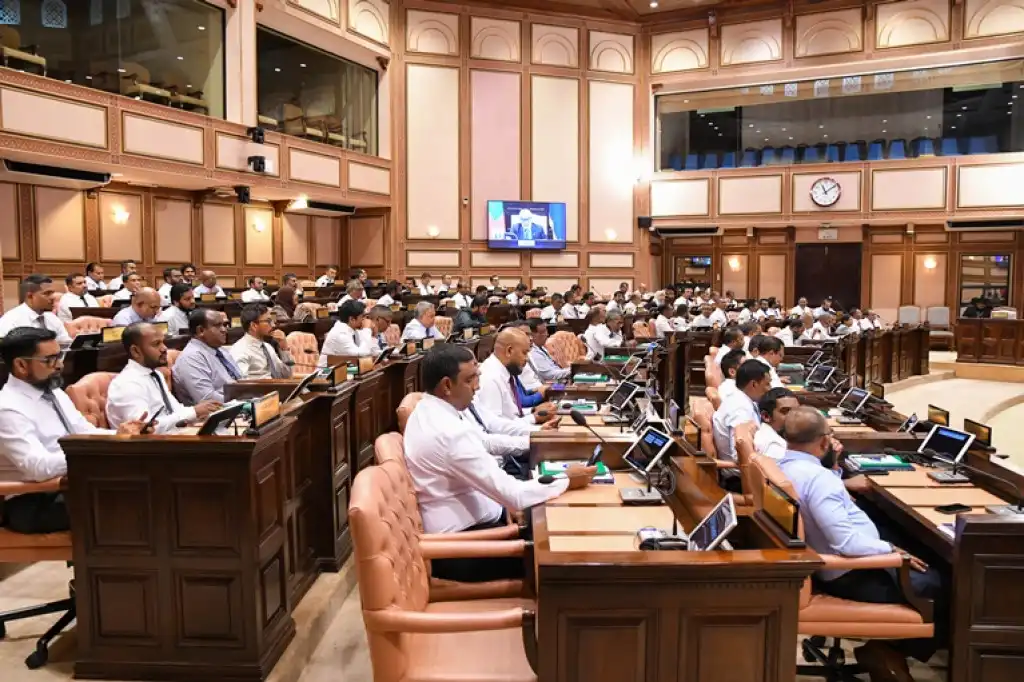
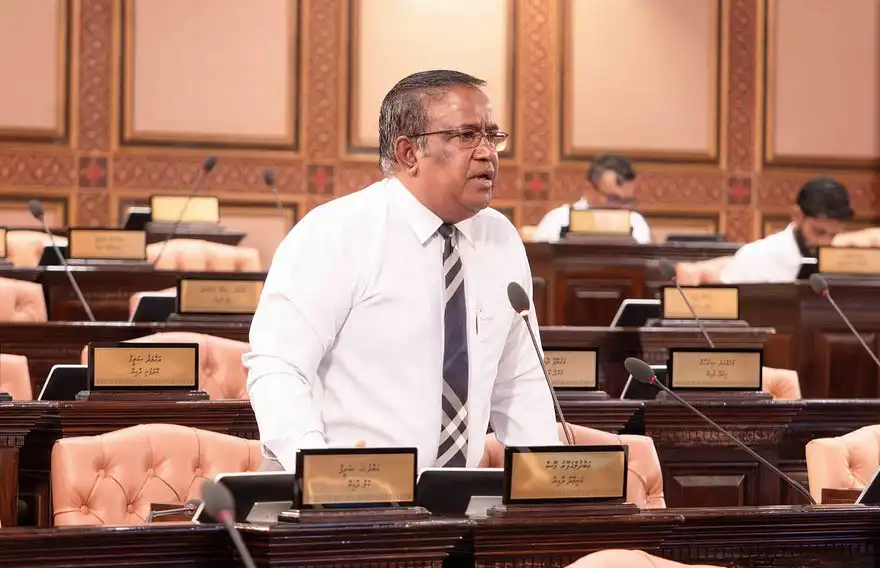
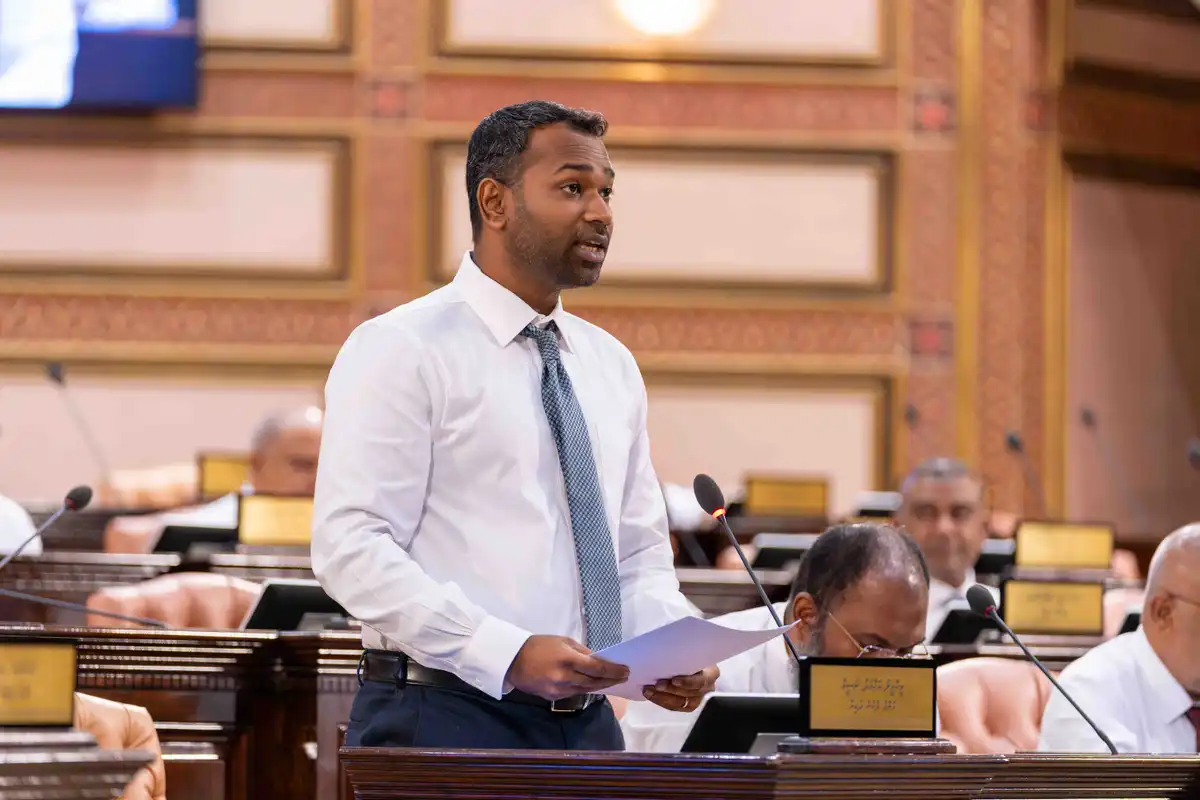
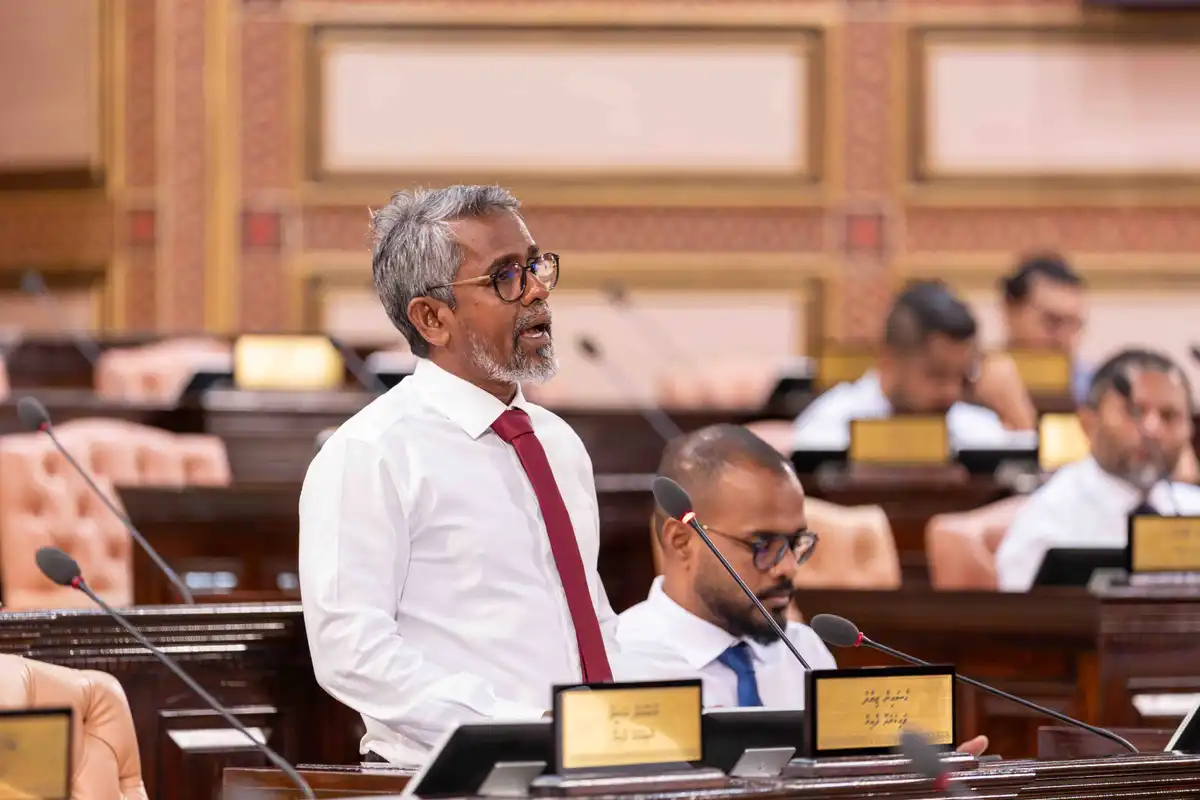
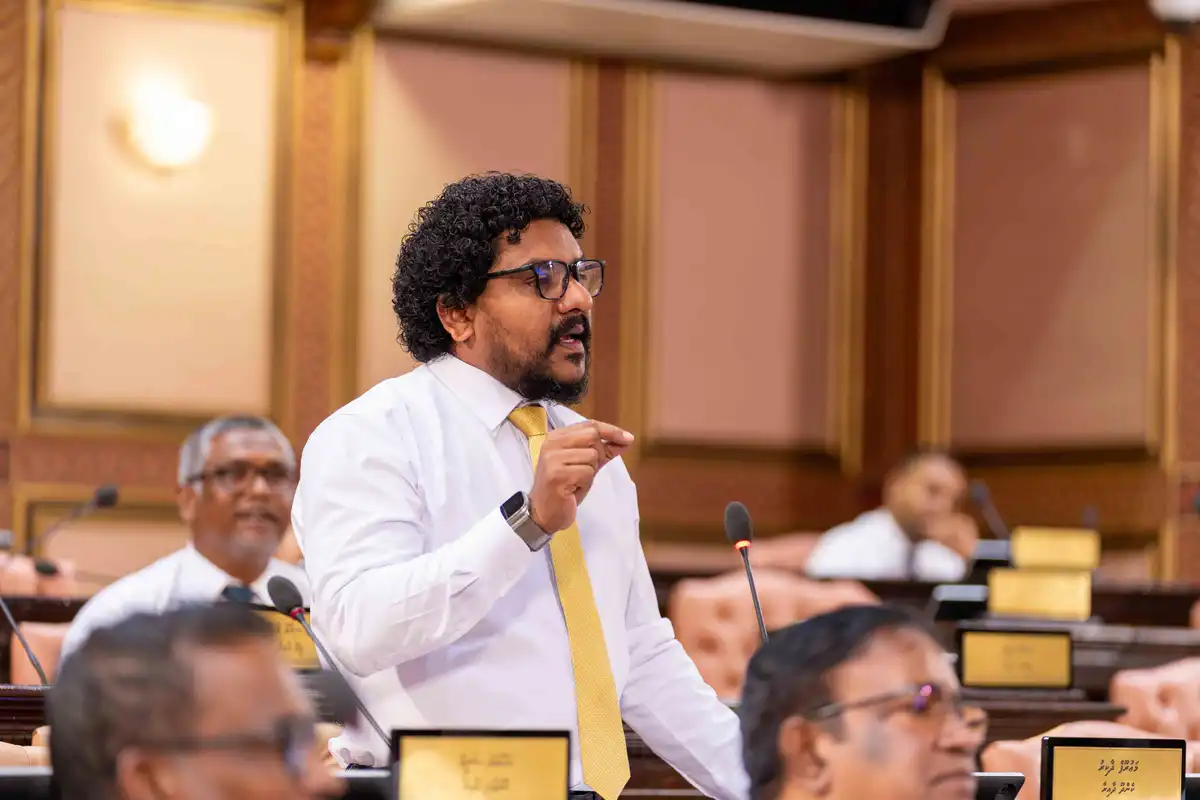
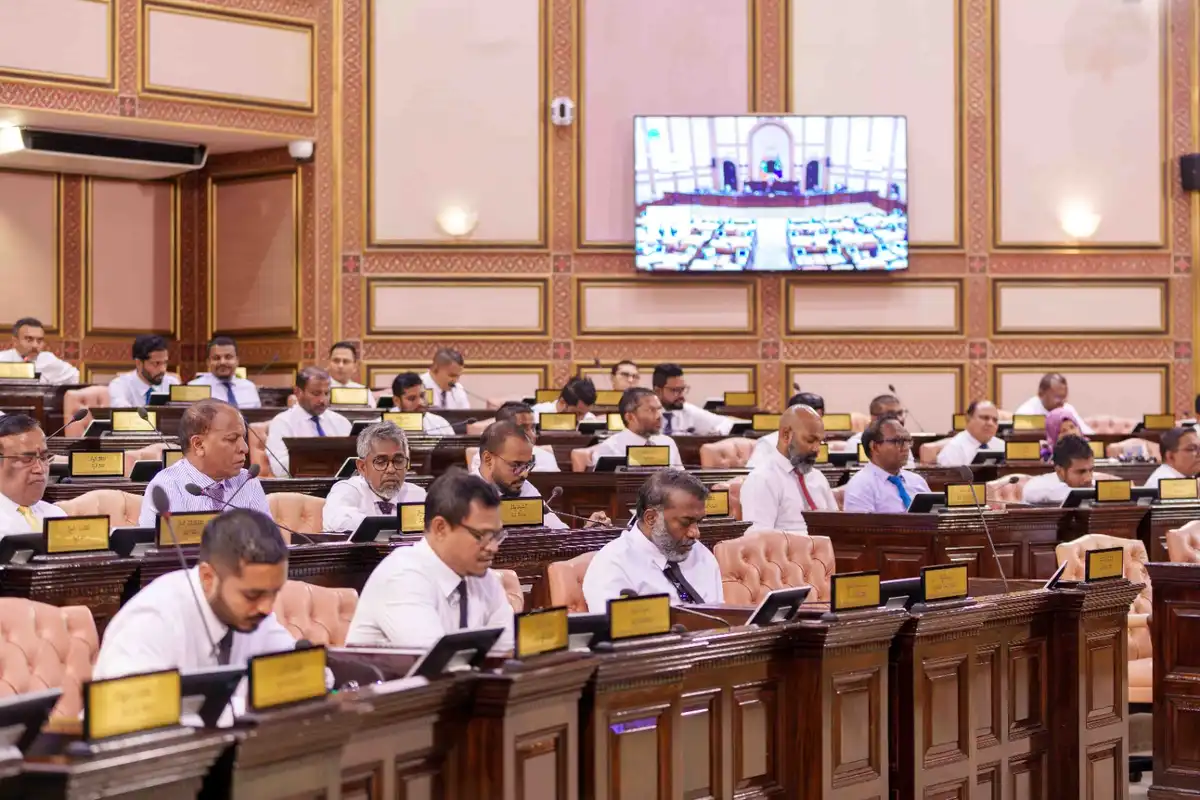
A sitting of the People's Majlis | rayyithunge majlis
The People's Majlis was never designed to operate as a compliant branch of the executive machinery. It stands as an independent constitutional pillar legally charged with drafting legislation, supervising the executive branch, championing citizen interests, and compelling state institutions to answer for their conduct.
However, the everyday spectacle unfolding across the Maldives reveals an entirely different dynamic. One only needs to inspect which items receive the floor for debate and which topics top the parliamentary priority list to see where institutional loyalties actually lie.
Data issued directly by the Secretariat of the People's Majlis tells an unflattering story. Even after parliament stretched its second term of the year through two separate extensions, the institution wrapped up a dismal 49.3 percent of the legislative and supervisory docket brought before it. A massive chunk of parliamentary business sits neglected, left either entirely unresolved or booted down the calendar into the next session.
Curiously, this institutional inertia vanishes whenever the administration requires a favor. Legislative initiatives cherished by the ruling administration such as revamping decentralization arrangements and overhauling foreign currency controls, sailed through the chamber with breakneck speed.
This glaring contrast demands an obvious question. If the parliamentary calendar can be repeatedly prolonged to accommodate the executive's policy wish list, why are the duties tied to public representation and executive scrutiny allowed to pile up unattended?
On paper, the assembly wields the authority to summon and interrogate cabinet ministers, monitor administrative choices, and dig into pressing public grievances. In everyday governance, however, these statutory muscles have completely withered.
Firing off a written inquiry to a minister is not genuine accountability. Substantive oversight requires securing exhaustive answers, retaining the freedom to counter unsatisfactory explanations with sharp follow-ups, and having the courage to challenge executive responses that resolve nothing for ordinary people.
It demands aggressively vocalizing the struggles of everyday constituents. None of this resembles what currently unfolds in the chamber.
Holding a dominant legislative majority certainly provides the votes needed to enact preferred government policies. But controlling the chamber should never translate into blindly rubber-stamping every single executive directive, nor does it grant permission to treat minority views as completely irrelevant.
The core grievance is not that lawmakers are approving executive-backed statutes. Passing state legislation remains an essential function of the assembly, and securing a numerical majority does not inherently violate democratic norms.
The real breakdown stems from an outright surrender of the duty to scrutinize executive power, foster substantive deliberation and genuinely champion the people who put those lawmakers in office.