Muththalib spins in circles as Ras Malé plot unravels!
18 އޮކްޓޯބަރު 2026 | އާދީއްތަ 08:44Housing Minister Muththalib is facing criticism over alleged inconsistencies in his statements regarding the allocation of land and the issuance of residency visas to foreign investors under the Ras Malé project. Many now believe this to be a deceptive maneuver by the government to facilitate land acquisitions that could potentially involve Israeli interests.

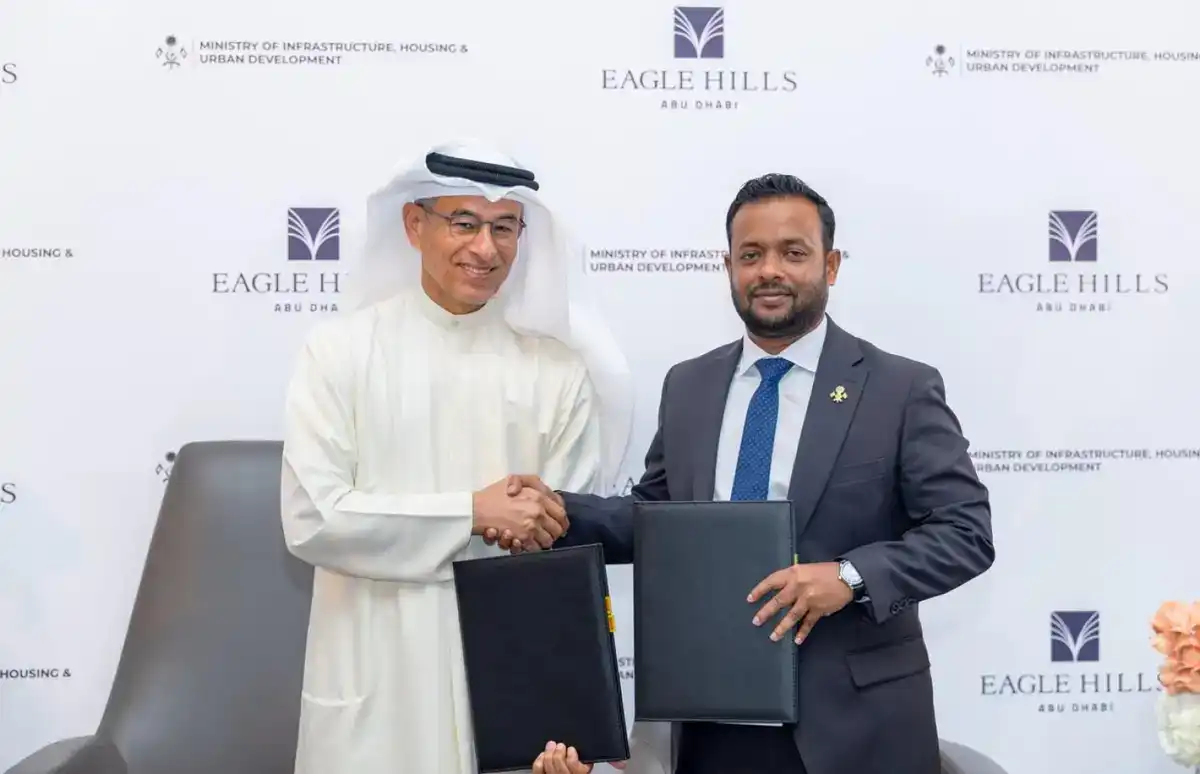
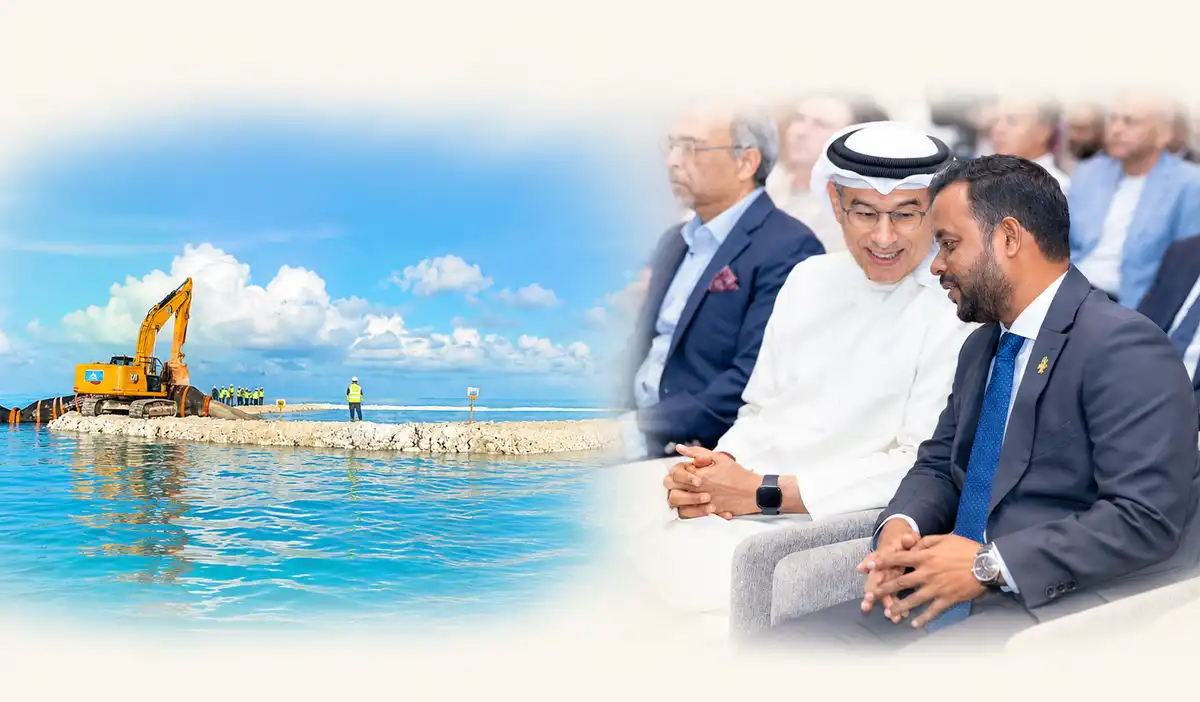
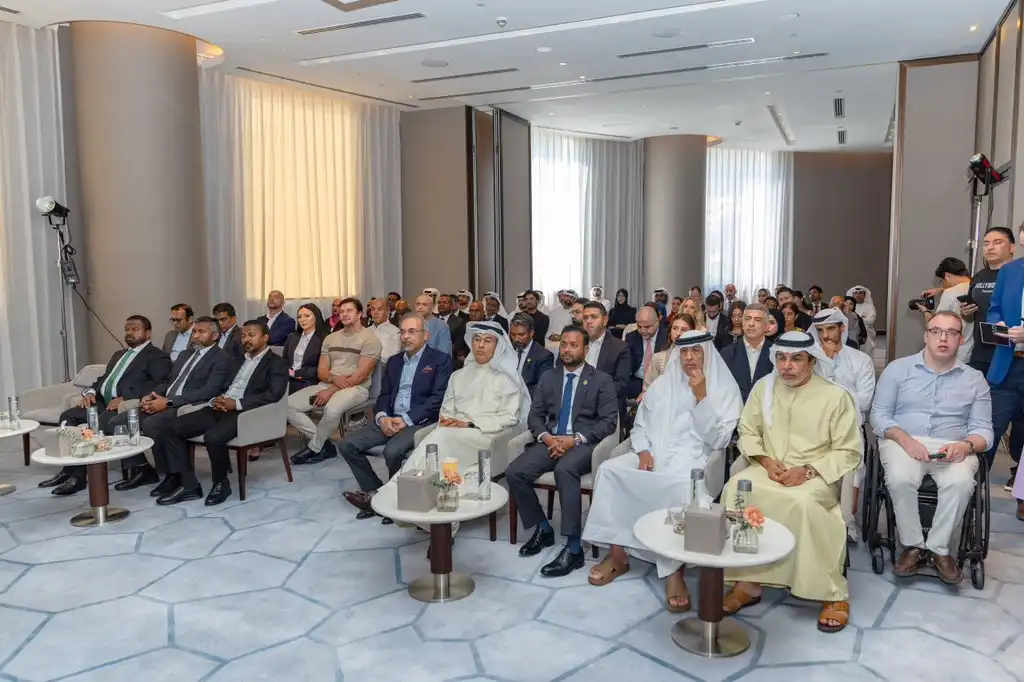
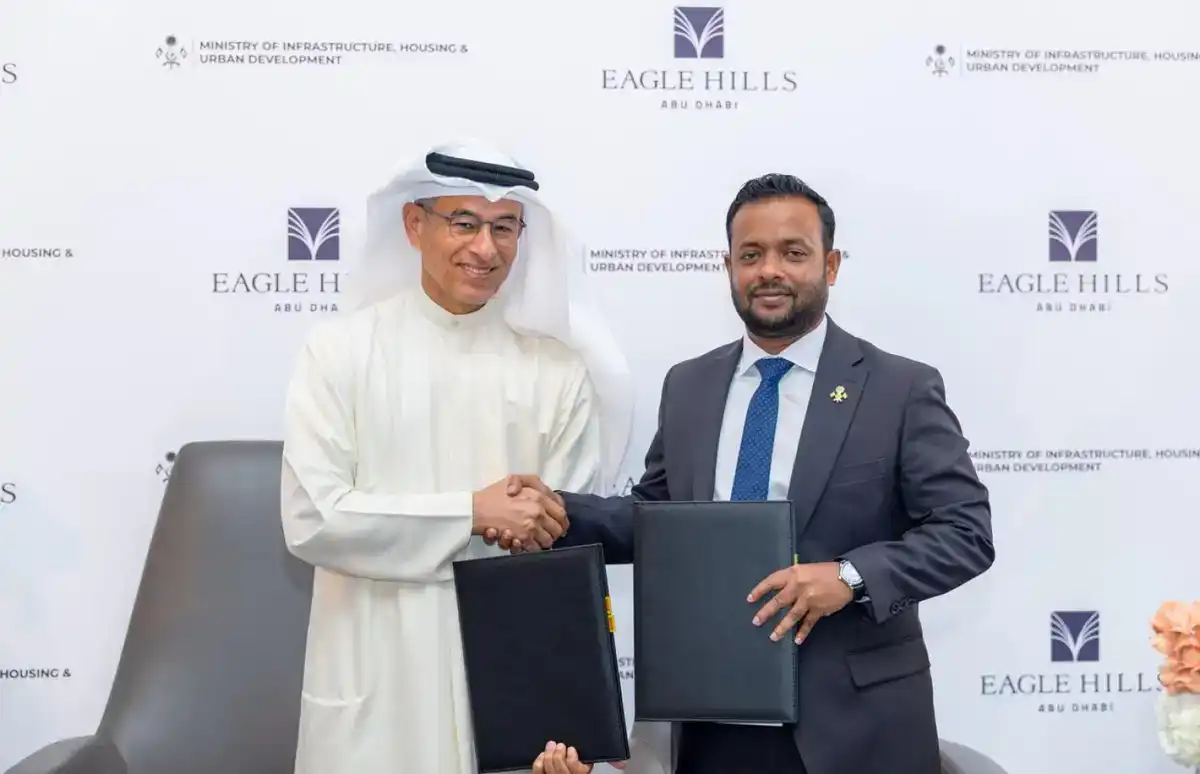
The Maldivian government and UAE-based Eagle Hills signed an agreement on Monday to develop a marina in Ras Malé. | Raajje MV
The ruling regime remains locked in a relentless campaign to hoodwink the citizens of the Maldives when it comes to the Ras Malé scheme, especially regarding the handoff of domestic territory to offshore financiers and the distribution of residency status.
Even as President Dr. Mohamed Muizzu, his loyal cabinet members, and high-ranking functionaries put in overtime to muddy the waters, their own talking points trip over each other at every turn. To compound the absurdity, official pronouncements from the regime clash outright with the disclosures handed down by Eagle Hills properties.
Right at the center of this tangled mess of half-truths, the pronouncements from the Minister of Infrastructure, Housing and Urban Development Dr. Abdulla Muththalib, stick out like a sore thumb. His slippery defenses concerning the hush-hush pact negotiated with Eagle Hills have completely collapsed into incoherence.
Over a recent span, the minister rolled out three clashing rationalizations regarding the scenario, with every single iteration only solidifying the conviction that this leadership is willfully hiding the contract details and pulling the wool over the eyes of the electorate.
Blame-the-predecessor playbook
To kick things off, Muththalib maintained that processing residency visas for deep-pocketed buyers scooping up real estate in Ras Malé would simply abide by the Corporate Residence Visa frameworks enacted back in 2015 while former President Abdulla Yameen Abdul Gayoom was steering the country.
The transparent calculation behind this opening gambit was an obvious political evasion meant to dump the fallout directly onto an earlier regime.
By painting this mechanism as run-of-the-mill administrative code meant for every single investor without exception, including parties originating from Israel, Muththalib scrambled to pretend this government is just harmlessly observing legacy statutes already sitting on the books.
Performative nationalism meets reality
Quickly moving the goalposts, government ministers then took great pride in boasting that the current regime had barred anyone bearing Israeli travel documents from setting foot in the archipelago.
Their self-righteous posture insisted that an administration adopting such a fierce, patriotic frontier position could never possibly subvert its own sacred tenets behind closed doors just to cater to Israeli commercial appetites via Ras Malé land deals.
This grandstanding was calculated strictly to market the authorities as an uncompromising nationalist regime carrying an unflinching posture against Israel.
Border security loophole admission
That patriotic veneer, however, fell apart shortly thereafter when a technical caution surfaced. The public was informed that although Israeli travel papers are officially barred, this roadblock is restricted exclusively to the actual physical credential rather than individual Israeli nationals themselves.
Muththalib went so far as to confess that with roughly 10 percent of Israelis carrying dual nationality, combined with the domestic border control agency's total inability to screen or flag secondary citizenship papers at points of entry, those very individuals are perfectly able to slip into the country and channel their investments by flashing an alternate sovereign passport.
A tangled web of incompetent spin
Taking a step back to view this patchwork of public comments together, any semblance of a coherent official position is lost in the fog. After first scrambling to point the finger of blame at a previous regime, Muththalib pivoted to boast that the country had completely shut its gates to Israelis, only to subsequently acknowledge that dual-passport holders retain frictionless passage to stroll right in and pour their capital into the country.
This profound absence of internal consistency paints a picture of an administration where Muththalib himself can no longer keep up with his own evolving spin.
The administration desperately chases domestic political capital by pretending to shut down access to Israeli nationals, while quietly flashing a green light signaling that the back gate is wide open for those same buyers to snap up land and secure long-term stay rights through secondary documentation.
Trying to wash their hands of these loopholes by dragging out old laws drafted by a previous administration only serves to shatter what little legitimacy their excuses had left. When an administration cannot even synchronize its own storylines, the incompetence behind the deception becomes glaringly obvious.
Rather than offering the public straight answers explaining why the contractual commitments surrounding Ras Malé are shrouded in secrecy, the state's ongoing bluster looks like a deliberate smoke screen masking the massive perils tied to surrendering sovereign territory into foreign hands over the long haul.
Muththalib’s poor admissions lay bare just how far the state is ready to sideline fundamental national security interests simply to roll out the red carpet for foreign financial barons.
For a regime that never misses a chance to posture as a nationalist movement laser-focused on the security and prosperity of the Maldivian citizenry, its real-world agenda is heading in the polar opposite direction.