Ras Male' project is a "massive scam" designed to defraud the state: Fayyaz
28 ސެޕްޓެމްބަރު 2026 | ހޯމަ 09:13Fayyaz Ismail has expressed deep concern over the lack of financial and legal transparency surrounding the Ras Male' project, calling for the immediate disclosure of the agreement. He warned that the long-term leasing of land could undermine national sovereignty and urged the government to conduct a proper land valuation and ensure full transparency in its dealings.
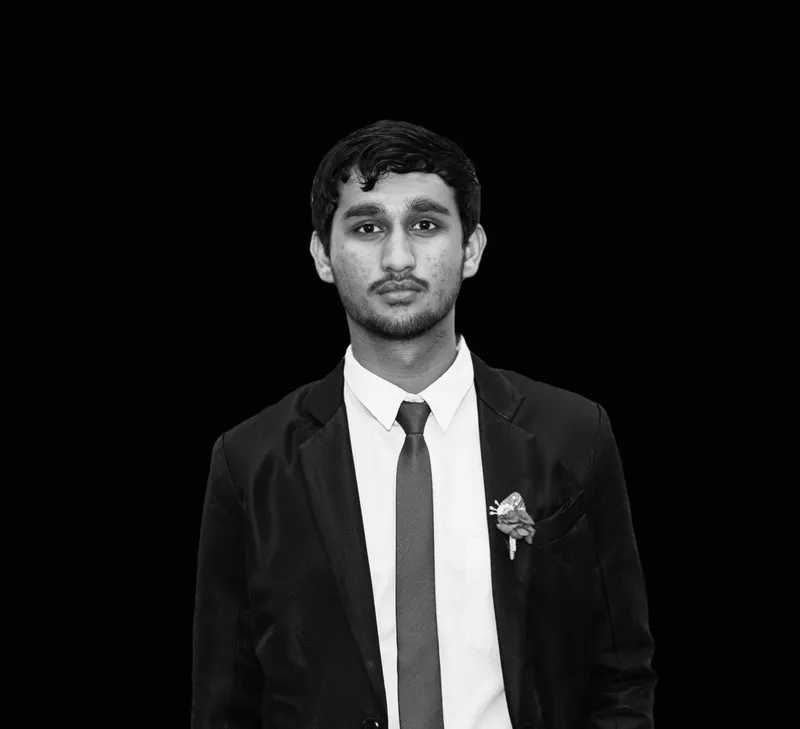

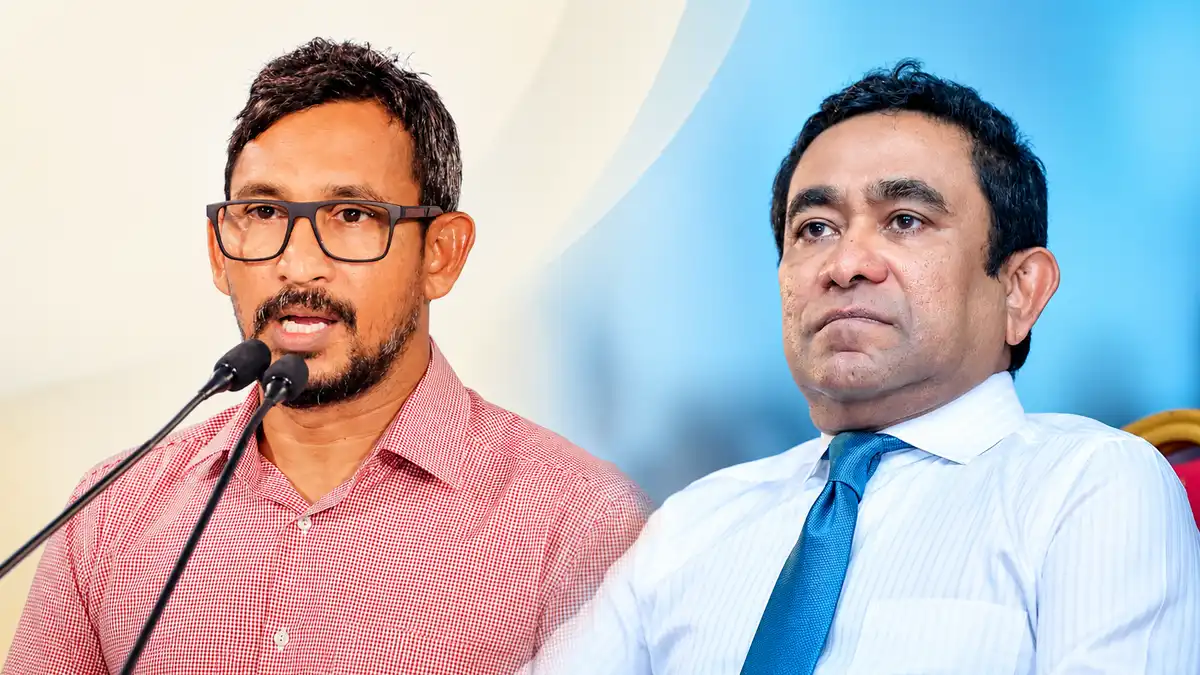
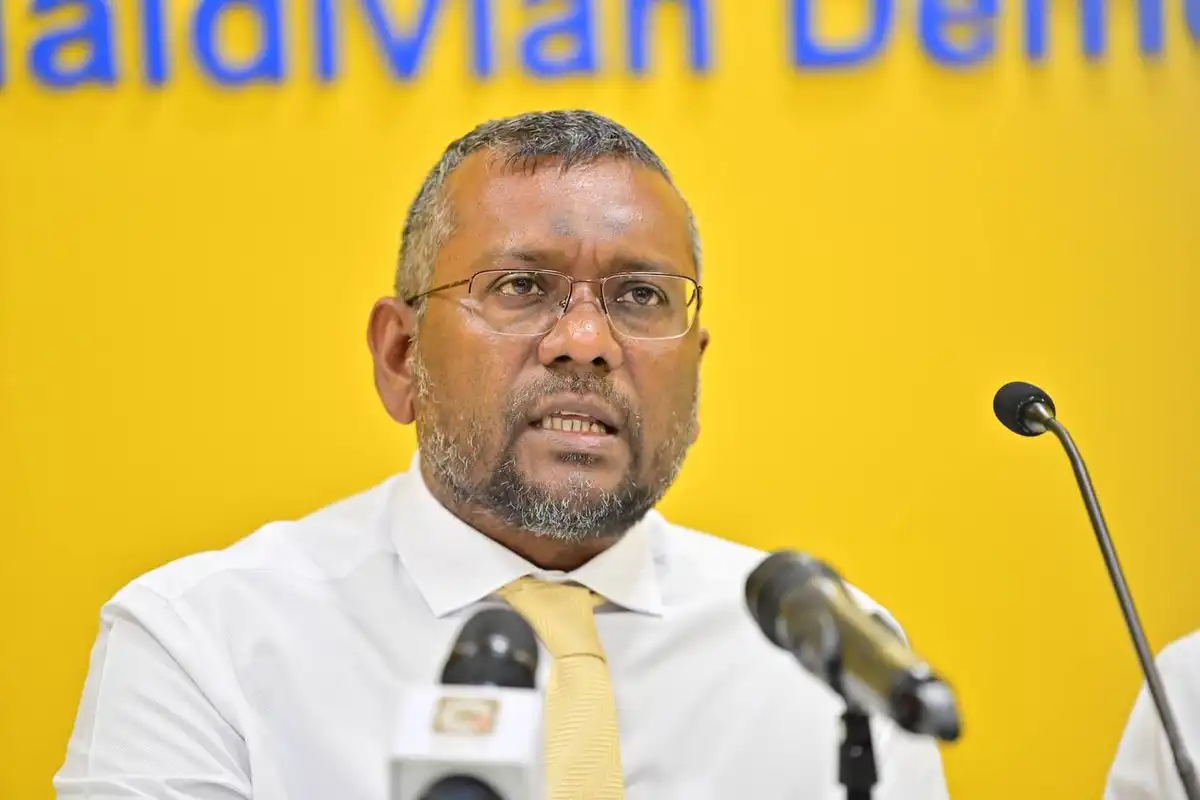
Former Economic Minister Fayyaz Ismail. | MDP
Former Economic Minister Fayyaz Ismail has called on the government to disclose the details of the agreement signed with Eagle Hills for the development of Ras Male', labeling the project a "massive deception" designed to disadvantage the state.
In a statement, Fayyaz noted that while a decision has been made to grant 500 hectares of land from Ras Male', the value of the land remains unassessed, and the financial and legal details of the agreement have been withheld from the public. He further emphasized that foreign investments must be welcomed through transparent processes that ensure maximum benefit to the state.
Fayyaz stated that the $20 billion investment figure cited by the government regarding this project is not a legally binding obligation within the agreement, but rather a mere projected figure. The government has failed to disclose the specific amount Eagle Hills is required to invest, the timeline for the expenditure, or the penalties and procedures to be followed should the project remain incomplete.
Furthermore, Fayyaz noted that while it has been stated that the government will receive 10 percent of the revenue generated from Ras Male', the specific criteria for this calculation remain unclear. He expressed concern that if this figure is based on net profit rather than gross revenue, there is a significant risk that the state may end up receiving nothing at all.
According to a report by Abu Dhabi-based news outlet "The National," land in Ras Male' will be leased for 99 years, with the lease term resetting for another 99 years each time ownership is transferred. Fayyaz described this arrangement as effectively granting perpetual ownership of Maldivian land to foreign entities. He warned that such a move could compromise the nation's independence and sovereignty, while posing significant risks to the livelihood and housing rights of the citizens.
Fayyaz highlighted that compared to Eagle Hills' projects in other countries, the agreement made by the Maldives is significantly undervalued. As an example, he noted that Georgia holds a 33.3 percent stake in their local project, while the Belgrade project in Serbia provides that country with a 32 percent share. However, Fayyaz stated it is a profound disadvantage to the nation that despite surrendering 500 hectares of the Maldives' most valuable land, the government secured no equity stake, agreeing instead to a mere 10 percent revenue share.
Fayyaz stated that while the Ras Male' reclamation project is estimated to cost $1.4 billion, the state will not receive any revenue from it for many years to come. He noted that since the first $400 million to $500 million generated from Ras Male' must be allocated to service debts incurred for housing projects in Hulhumalé, this is not an economically sound decision at a time when the country is in desperate need of foreign currency. Furthermore, he pointed out that although Ras Male' is being promoted as a housing solution, the government has yet to disclose any criteria or policies for the allocation of land plots or flats from the project.
In relation to this matter, Fayyaz has proposed five specific actions for the government to take. These include the full disclosure of the agreement, providing clear answers regarding land ownership and residency rights, conducting an international independent valuation of the land, and clarifying why the Maldives entered into an agreement that appears less favorable than those secured by other nations.
He further urged the government to refrain from submitting any legislation related to the project to Parliament without first disclosing all pertinent details. Fayyaz warned that unless the process is conducted transparently, the project would only benefit investors, leaving Maldivian citizens to bear the burden for generations to come.