Safeguarding our nation: a constitutional duty rather than a leader's generosity
21 ސެޕްޓެމްބަރު 2026 | ހޯމަ 09:54Protecting the independence and sovereignty of the Maldives is a constitutional obligation mandated upon the president, rather than a personal favor or a special privilege granted by an individual. Despite the current administration's previous criticism of the former government's close ties with India, they are now maintaining a similar relationship. Therefore, instead of utilizing the discourse of national independence as a political tool, it is imperative to prioritize the overarching national interest

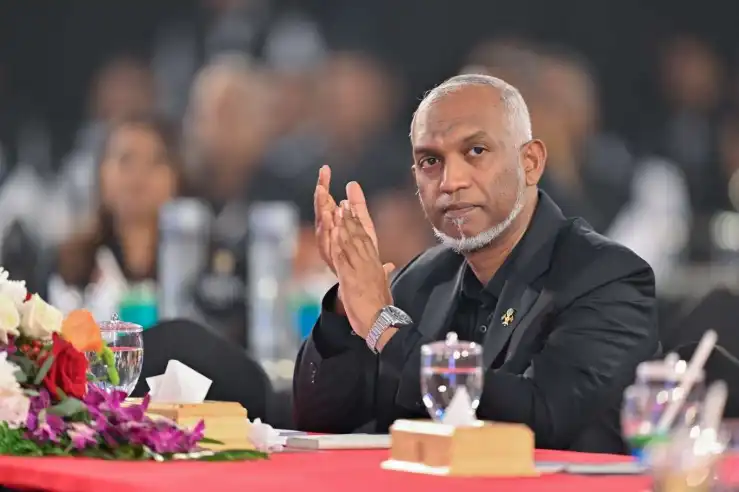
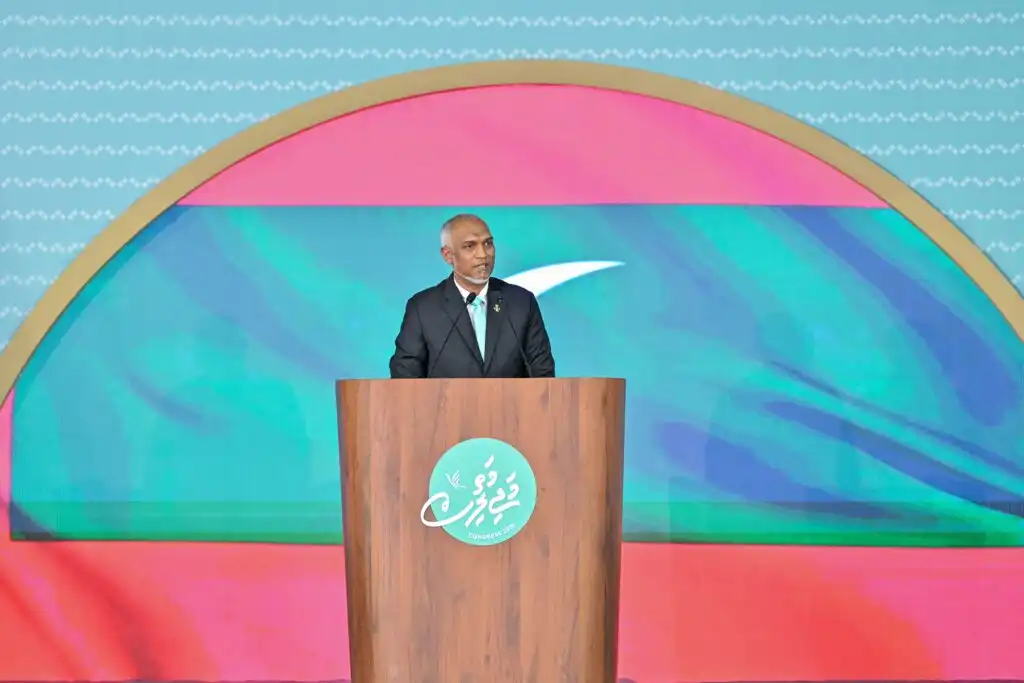
President Dr. Mohamed Muizzu | Social Media
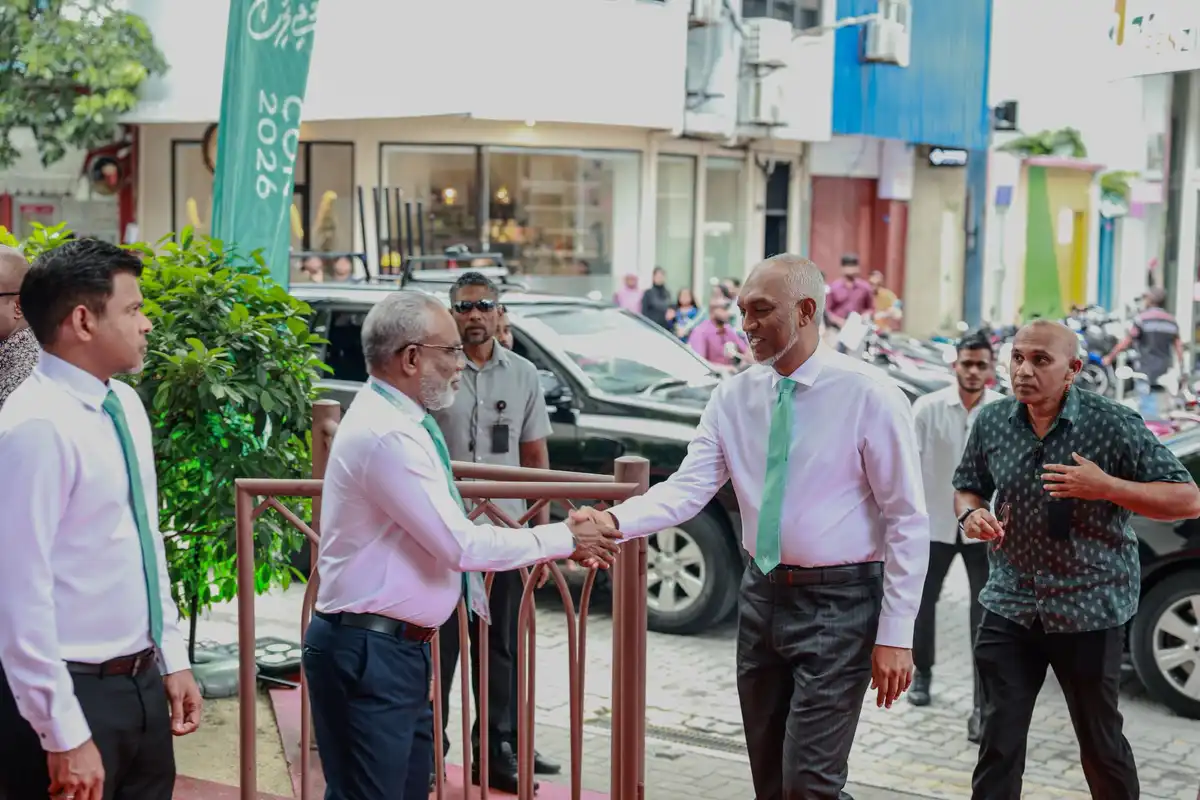
Hardly an appearance goes by without President Dr. Mohamed Muizzu trotting out his favorite theatrical guarantee: under his watch, foreign hands will never seize so much as a single particle of Maldivian shoreline. It has evolved into an inescapable, mechanical fixture of his public rhetoric.
However, someone ought to point out that the Maldives was hardly sitting around waiting for Dr. Muizzu’s swearing-in ceremony to suddenly awaken as a free, self-governing entity.
Fulfilling basic job descriptions is not generosity
The nation is explicitly laid out in the Maldivian Constitution as an autonomous and self-standing sovereign state. Its soil, waters, and self-determination are anchored by fundamental law, which explicitly forces the person holding the presidency to defend that geographic wholeness and legal independence.
It is an unavoidable legal demand of the office, not a generous bonus check or a paternalistic offering hand-delivered by the incumbent to the populace.
Underscoring the value of liberty is harmless enough in theory, but trouble begins when the national story is twisted to pretend that genuine independence is an exclusive perk born of one specific politician, or when cheap innuendo is deployed to paint every predecessor as having casually surrendered the islands to outside powers.
Campaign demons and the convenient rebrand
This selective storytelling becomes downright absurd when reviewing the path to power. The incumbent’s whole electoral bid was engineered atop the frantic momentum of the "India Out" agitation, hammering home the claim that stationing Indian armed forces within local borders directly imperiled the survival of Maldivian freedom.
Former President Ibrahim Mohamed Solih’s governance was relentlessly battered on this exact issue. The former regime's warm diplomatic closeness with New Delhi was continuously attacked as suspect, while India’s regional presence was cast as a mortal menace eating away at local sovereignty.
Double standards in plain sight
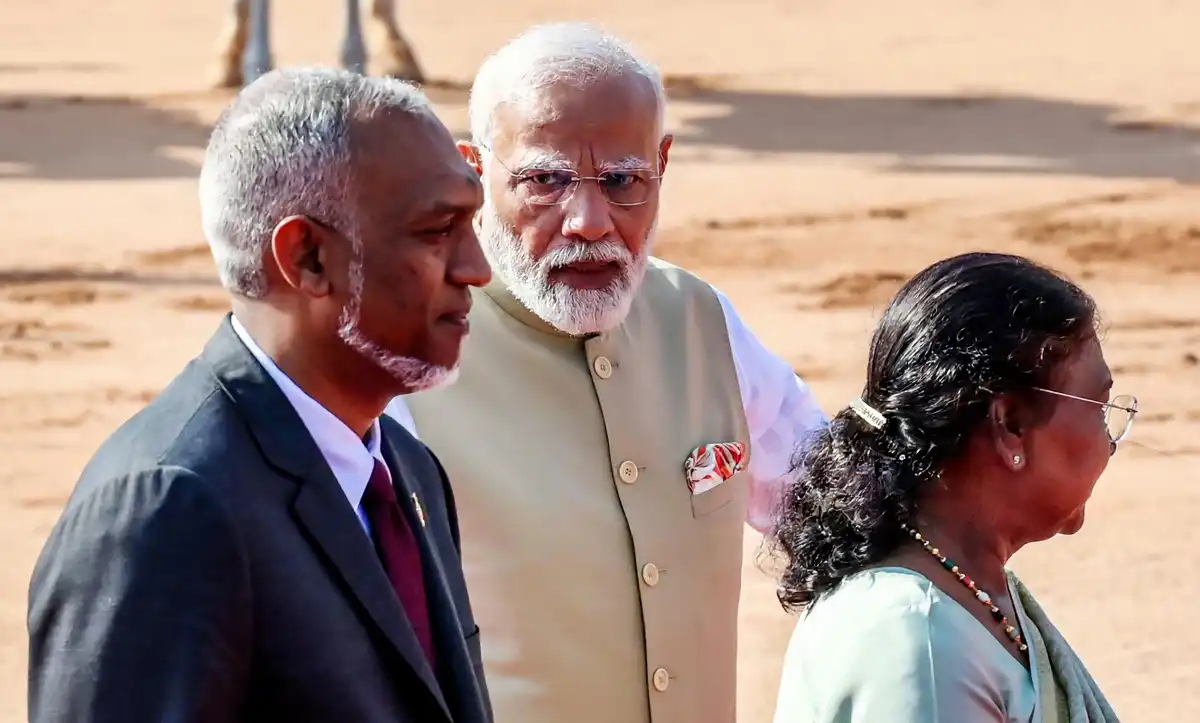
Fast-forward past the election, and the incumbent settles comfortably behind the desk of state. In a dramatic shift, his government now cheerfully cultivates an intimate bond with the very same foreign capital.
Financial aid continues to flow from India, joint developmental undertakings march forward with Indian backing, and the two countries operate hand in glove. In fact, the incumbent himself now heaps praise upon this dynamic, celebrating New Delhi as an essential, dependable ally.
This leaves a glaring hole in the political narrative. If cordial relations and cooperative ventures with India under the incumbent do not amount to betraying the republic's autonomy, there is zero consistent logic in claiming that Solih’s historical alignment with India was clear-cut proof of selling out the motherland.
Caretakers, not saviors
So, while the podium continues to vibrate with vows that not one speck of sand will be forfeited from a land that was already thoroughly free, shielding Maldivian borders is hardly an invention of the current leadership. It is merely the bare minimum baseline commanded by constitutional law.
Heads of state are never the source of a nation's freedom; they are simply temporary caretakers contractually bound to protect it without hypocrisy.