ACC launches investigation into alleged corruption in township project
31 އޯގަސްޓު 2026 | ހޯމަ 18:26Allegations of corruption have surfaced following the abrupt reclassification of the "Project Isla" resort development in Noonu Atoll as a "Sustainable Township" under the Special Economic Zone (SEZ) framework, a move critics claim will deprive the state of significant revenue. Concerns have been raised that the project could pose a threat to national security, leading to a formal request for the Anti-Corruption Commission (ACC) to issue an injunction to halt all work pending a full investigation.


ACC President Adam Shamil. | RaajjeMV
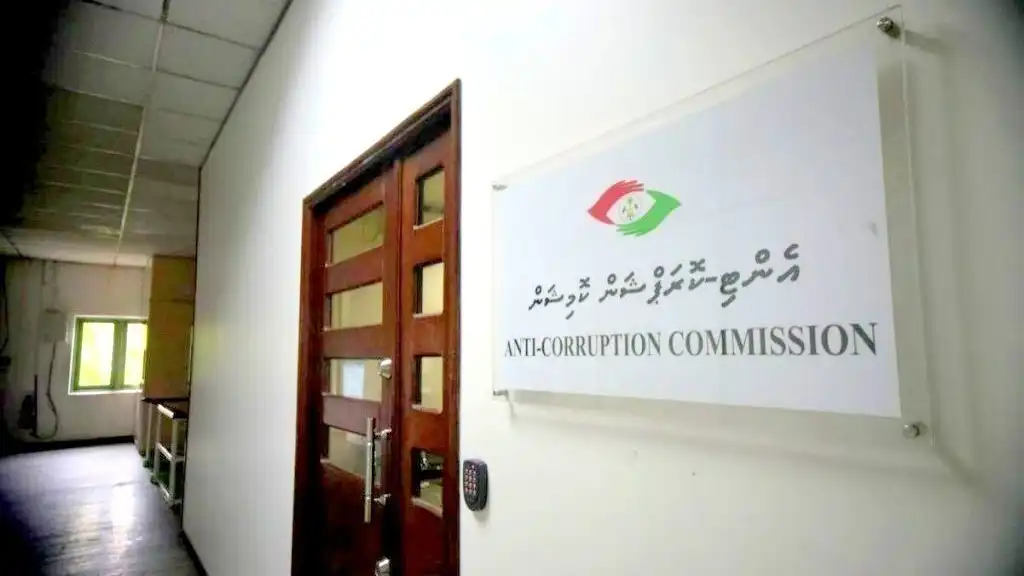
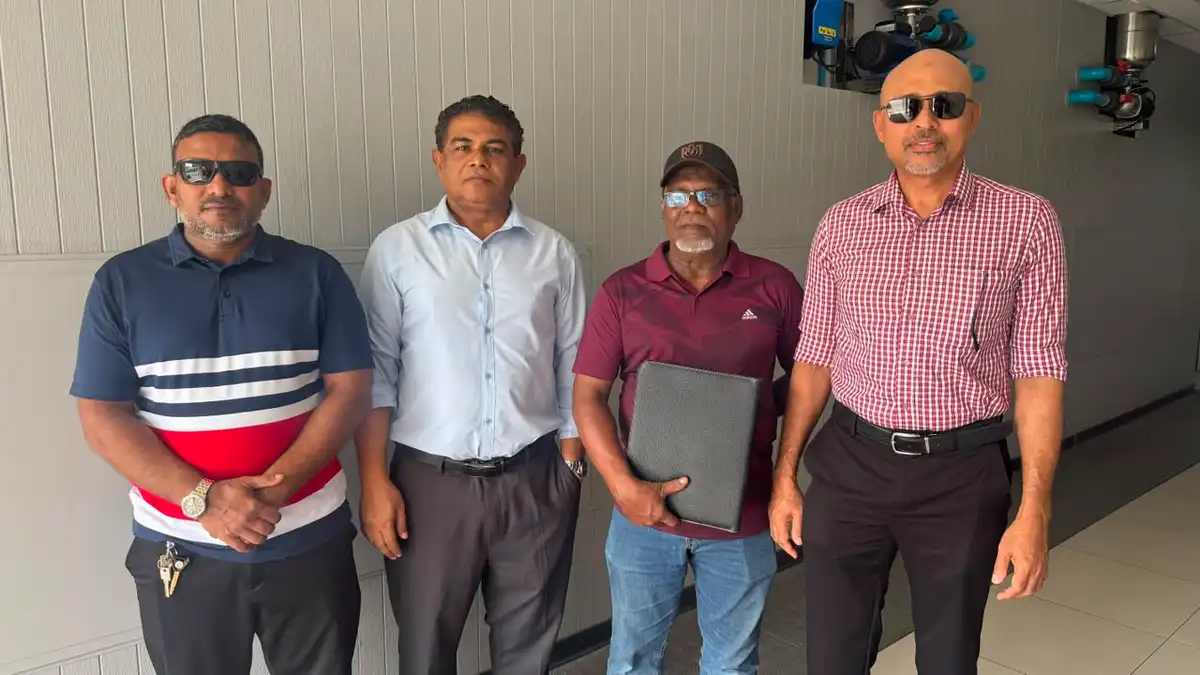
The Anti-Corruption Commission (ACC) has launched an investigation into a complaint filed by a private citizen, Ahmed Saleem (Maz Saleem), alleging corruption in a government-led township project. The formal complaint was addressed to the President of the ACC, Uz. Adam Shamil.
The Anti-Corruption Commission (ACC) has informed Saleem that the case has been officially registered and forwarded to the investigative division for further inquiry.
The petition states that while land reclamation was already underway to develop N. Digufaru and Dekunufaru as a 262-room ultra-luxury tourist resort under "Project Aila," President Dr. Mohamed Muizzu’s administration abruptly amended the Special Economic Zone (SEZ) Act. This amendment introduced a new category titled "Sustainable Township," under which the resort project was subsequently granted SEZ status.
The case highlights significant concerns regarding the decision to grant Special Economic Zone (SEZ) status to the Aila project—a pre-existing resort development—and its subsequent conversion into a sustainable township. The fact that these changes were finalized less than a month after the relevant legislative amendments came into effect has raised numerous questions.
The legal proceedings further noted that if the property is developed as a 262-room ultra-luxury resort, it has the potential to generate over 70 million Maldivian Rufiyaa annually in direct government revenue. This projected income would be derived from land rent, TGST, Green Tax, and corporate income tax.
However, it was also noted that due to the substantial tax exemptions and customs duty concessions granted under the SEZ framework, the state would receive only a minimal fraction of the revenue typically generated by a resort.
The letter further noted that while Maldivians are currently required to pay an 8 percent GST to the government when purchasing housing in the general market, there is a possibility that taxes on transactions within these townships could be reduced to approximately 1 percent.
The letter states that abruptly reclassifying this project as a Special Economic Zone (SEZ) initiative to facilitate easier terms for wealthy foreign luxury property buyers—rather than for Maldivian citizens purchasing homes—is alleged to be a calculated move intended to pave the way for corruption.
The letter further emphasized that Henley & Partners, the firm awarded the contract for the Maldives' residency-by-investment visa program, has faced significant international criticism and serious allegations regarding similar investment migration schemes. It noted that an investigation is necessary to determine the process by which the project was awarded to this particular company.
The letter therefore requests an injunction to halt the project and calls for an expedited investigation into the matter.
The letter noted that during the Maldives-Singapore Business Forum held in Singapore last July, the government signed an agreement with Henley & Partners to introduce a 'Residence by Investment' program in the Maldives. However, the government did not disclose how the firm was selected for the project at the time, nor did it provide details regarding the commercial transactions involved in the deal.
The letter further expressed concern that this project, which involves the misuse of power and influence in a matter that could have otherwise yielded significant benefits for the state, will result in ongoing losses. It warned that if the Anti-Corruption Commission (ACC) fails to issue an injunction to halt the work, the state treasury could face losses amounting to billions of dollars, posing a severe threat to the nation's sovereignty and national security.