President ratifies amendment to increase board members of the Utility Regulatory Authority
24 އޯގަސްޓު 2026 | ހޯމަ 10:50President Dr. Mohamed Muizzu has ratified an amendment to the Utility Regulatory Authority Act, increasing the number of board members to seven. This restructuring introduces a newly appointed Chief Executive and a legal expert to the board. While the government maintains that the expansion is aimed at streamlining administrative efficiency, critics have voiced concerns over the potential increase in state expenditure.
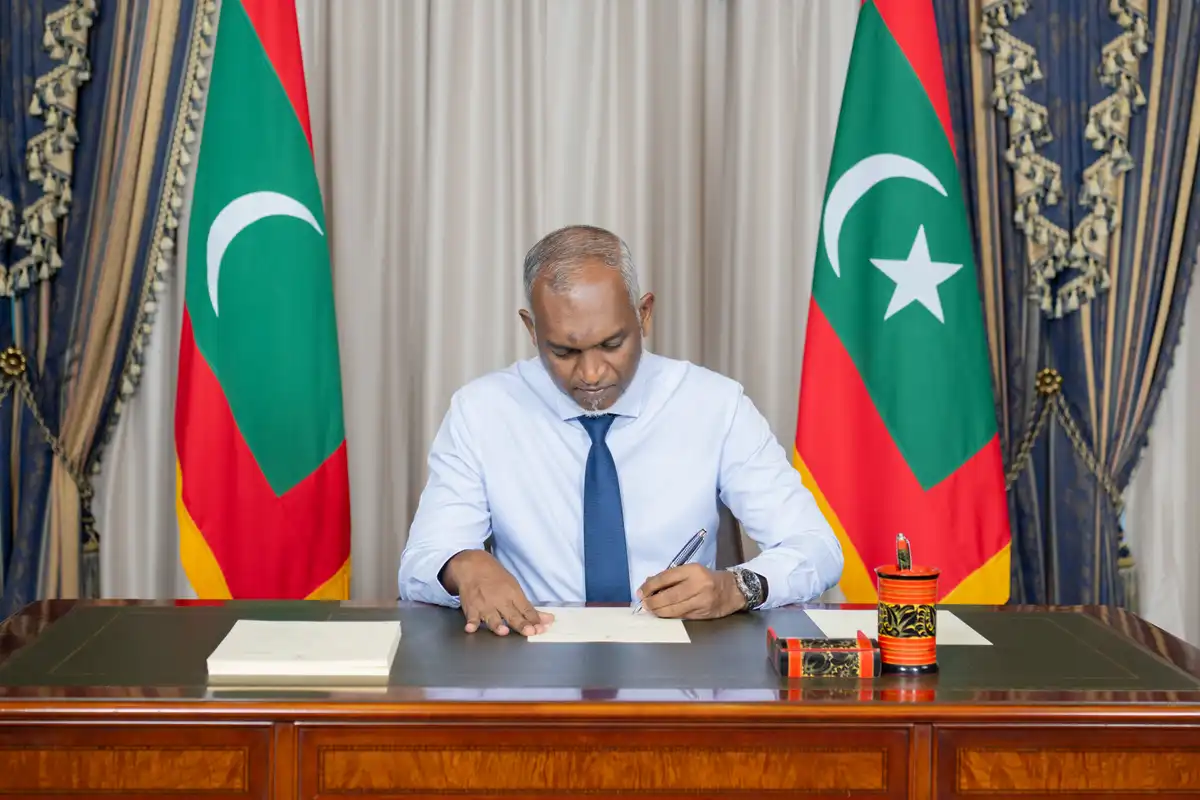
President Muizzu has ratified the second amendment to the Utility Regulatory Authority Act. | Presidents Office
The President has ratified an amendment to the law to increase the number of members on the Board of Directors of the Utility Regulatory Authority.
President Dr. Mohamed Muizzu on Sunday ratified the second amendment to the Utility Regulatory Authority Act (Law No. 26/2020).
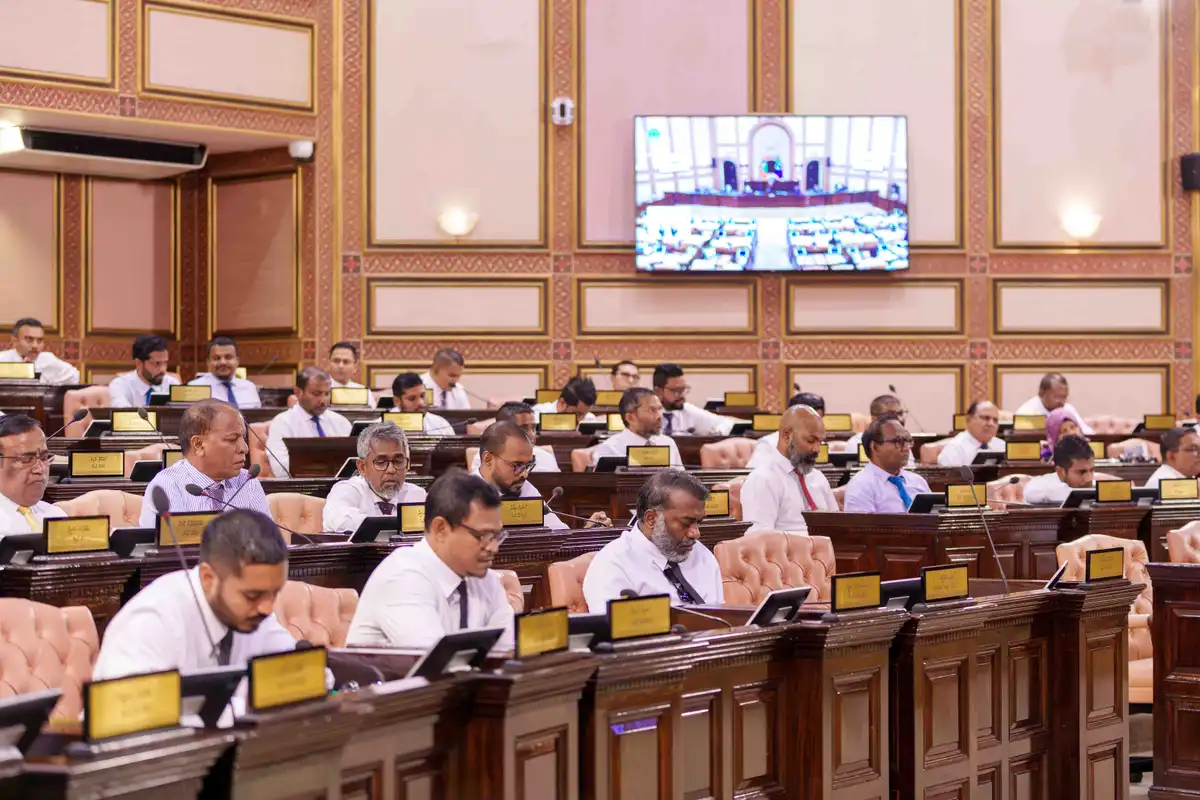
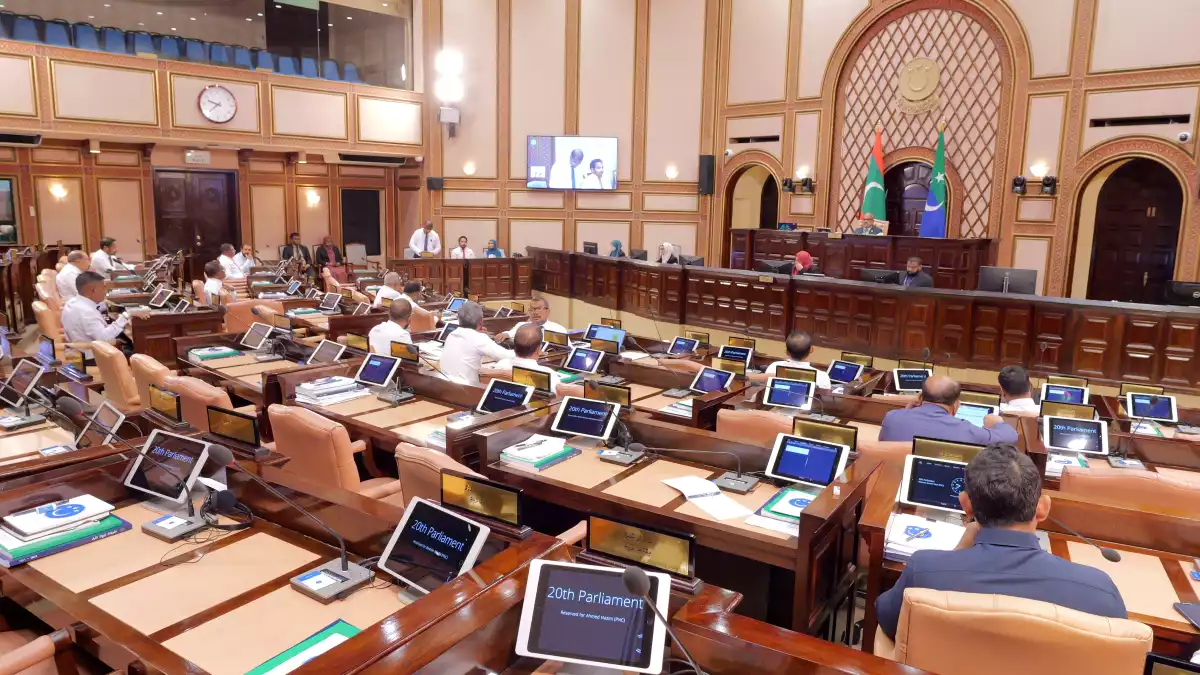
The bill was passed during the 25th sitting of the second session of the 20th People’s Majlis, held on Monday, August 17, 2026.
As a result of the amendments to this Act, the Authority's Board of Directors, which previously consisted of five members, has been expanded to seven members, including a newly appointed Chief Executive. The Chief Executive of the Authority will be appointed by the President. Furthermore, the amendment adds a legal professional to the Board and establishes the formal procedures for conducting Board meetings.
The amendments also stipulate that the additional members required for the Authority’s Board of Directors must be appointed within 30 (thirty) days from the date the law comes into effect.
The President has ratified the bill, which has now come into effect following its publication in the Government Gazette.
The government has stated in its proposed bill that the amendment to increase the Utility Regulatory Authority's Board of Directors by two members is intended to strengthen the organization's administrative operations. However, critics argue that the true purpose of this change is to create additional high-paying positions for political appointees.
As government administrative costs continue to spiral, the administration has stated that the mass layoffs across state-owned enterprises are part of an effort to "right-size" these companies. However, it has been observed that despite these measures, the government continues to appoint individuals to various political and administrative positions without pause.