Puppet Majlis keeps its doors open solely for executive convenience
13 އޯގަސްޓު 2026 | ބުރާސްފަތި 11:28The People’s Majlis has faced mounting criticism for failing to adhere to its established schedule and repeatedly extending its sessions to achieve specific political objectives sought by the administration. It is widely perceived that the current extension was granted to expedite the passage of controversial government-proposed amendments to the Decentralization Act. Consequently, this decision by the Parliament is being viewed as disingenuous, prioritizing the government’s interests over broader legislative integrity

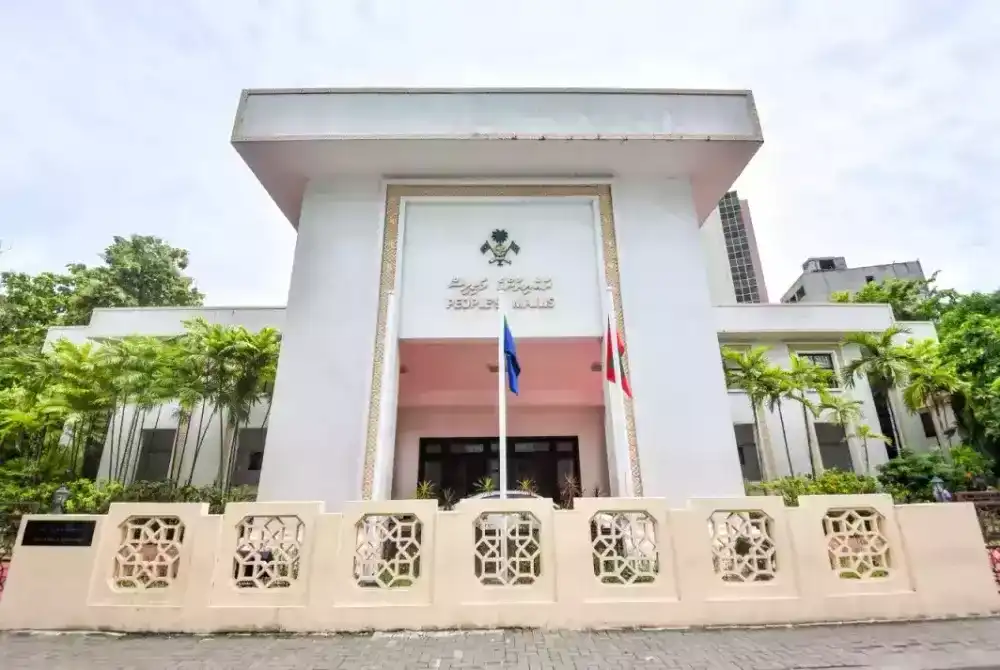
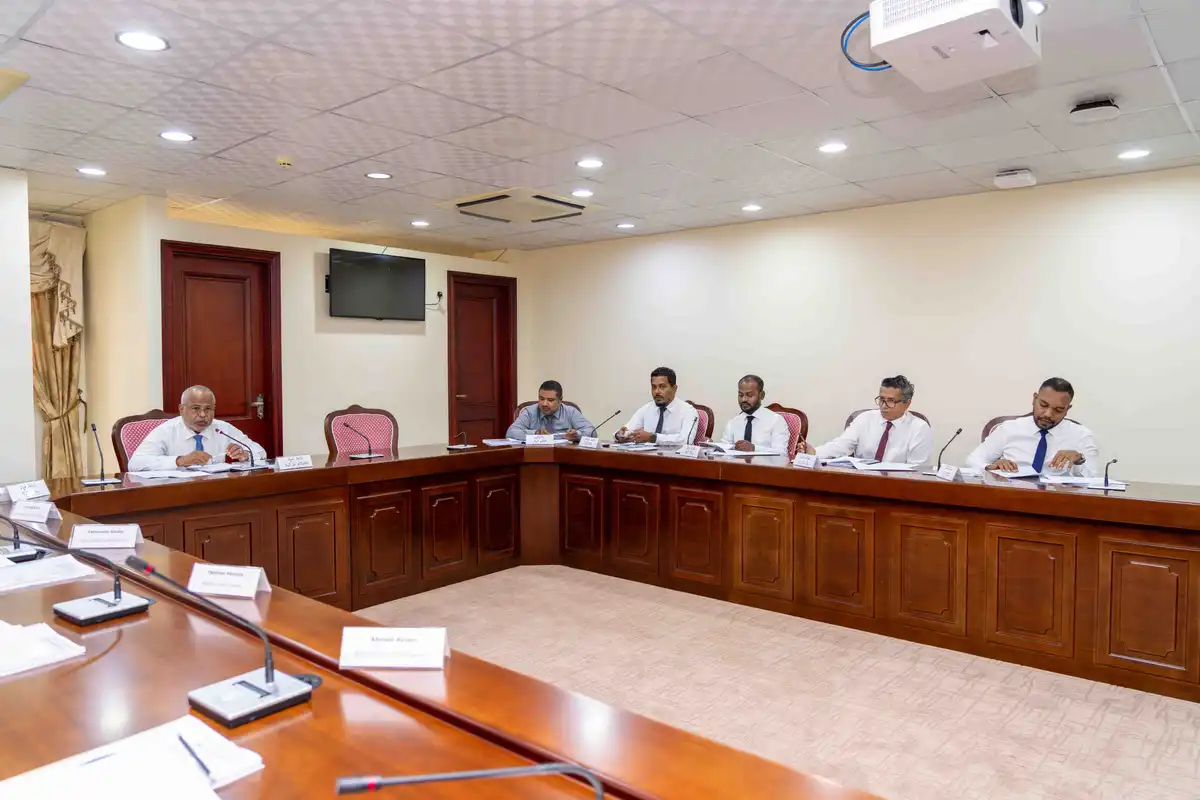
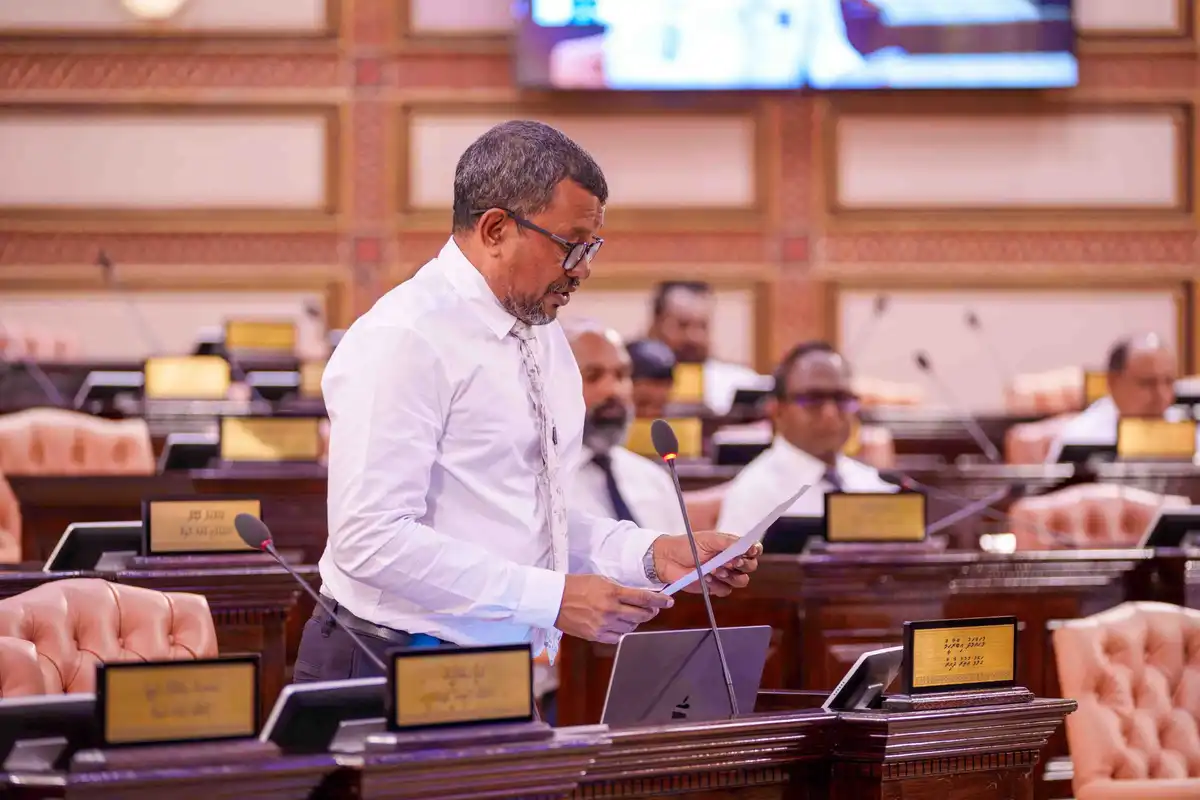
The People's Majlis | RaajjeMV
The legislative hall has devolved into a calculated stage play, operating not on the public’s schedule, but entirely on the executive branch's whim.
Over the preceding months, a predictable cycle has taken hold, marked by scrapped meetings, shattered timetables and parliamentary gatherings summoned strictly to align with the ruling power's specific legal mandates and schedules.
A history of manufactured delays and sudden urgency
This pattern of behavior has defined the twentieth People's Majlis right from its beginning.
Routine sittings are called off without warning, lawmaking efforts are intentionally brought to a standstill, and crucial countrywide problems are pushed to the background, lingering unresolved even as lawmakers go on break.
However, the moment the administration requires a customized piece of legislation or seeks a tactical political advantage, lawmakers are abruptly called back under the guise of settling pressing, backlogged duties.
This scenario reflects the true, grim state of the assembly today.
Recalling past deceptions and broken promises
Once more, a fresh request for additional hours has materialized to wrap up house business, accompanied by claims that essential matters require immediate resolution.
This does not mark the first instance this year that the working calendar has been prolonged under the pretext of pressing lawmaking obligations.
The initial session of the year was similarly stretched for identical motives.
However, instead of applying those bonus hours to clear out the pile of pending bills or sacrificing their time off for the public good, the main political consequence of that extra time was a targeted movement to strip the Dhiggaru constituency representative, Ahmed Nazim, of his position as Deputy Speaker.
The moment that goal was accomplished, the supposedly essential legislative work was quietly abandoned.
Hidden objective behind the latest overtime
Given that track record, widespread skepticism surrounds the true motives behind this newest schedule extension.
A closer inspection reveals that the administration is pursuing a completely different top-priority goal.
This current extension coincides with the assembly reviewing fiercely contested modifications to the Decentralization Act.
Embedded within these edits are clauses that would grant the central government authority to reclaim lands and areas presently governed by local councils, citing national development projects as the justification.
Final mask falls
Anxieties have already been voiced concerning how these alterations will dismantle the decentralized system and erode the constitutional powers guaranteed to elected local councils.
Despite these deep concerns, government-aligned lawmakers continue to lobby aggressively for the pass of these changes.
Under such circumstances, every piece of evidence points to a single primary motive for dragging out the term, which is forcing this particular bill through the chamber.
After repeatedly canceling standard sessions and letting everyday legislative tasks pile up into mountains, suddenly prolonging the session only when government interests are threatened constitutes the ultimate display of political theater.