Staff were not terminated even during Tsunami disaster and COVID-19 pandemic: Waheed
23 ޖުލައި 2026 | ބުރާސްފަތި 08:56The Maldivian Democratic Party (MDP) claims that over 14,000 jobs are at risk following government directives to downsize state-owned enterprises as a cost-cutting measure. Critics have condemned the move, noting that while ordinary citizens are facing layoffs, the number of political appointments continues to rise—a harsh approach that many point out was avoided even during the peak of the COVID-19 pandemic.

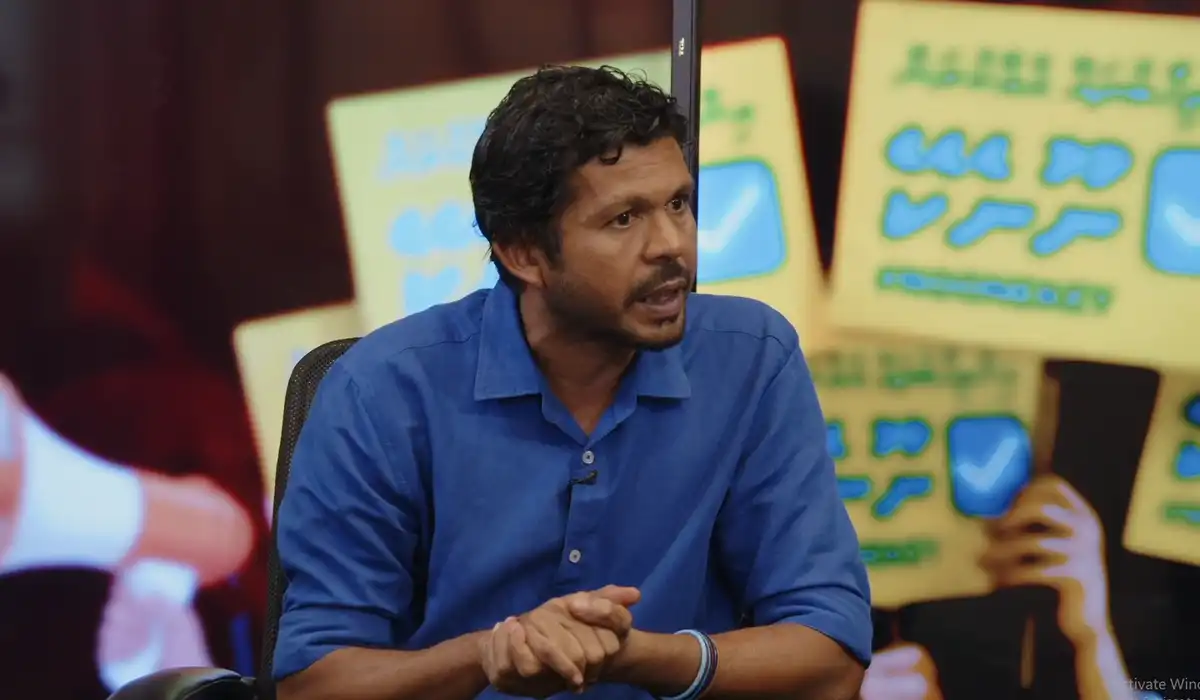
Former Member of Parliament for the Ungoofaaru constituency, Mohamed Waheed (Wadde). | Raajje MV
Former Member of Parliament for the Ungoofaaru constituency, Mohamed Waheed, has expressed grave concern over the current administration's dismissal of thousands of employees. He noted that even during the devastating Tsunami disaster and the challenging COVID-19 pandemic, workers were not terminated or left destitute, contrasting those periods with the actions of the present government.
In a social media post criticizing government policies, Waheed highlighted that even during the severe economic shocks following the 2004 Tsunami, employees were not dismissed from their positions. He further noted that the government refrained from terminating staff even during the COVID-19 pandemic, a period when the country's borders were closed and the national economy had come to a complete standstill.
Waheed stated that despite coming to power with the promise that there were no economic concerns and pledging not to dismiss any employees, President Muizzu’s administration is now presenting a completely different picture. He noted that, in a sudden reversal, the government has decided to terminate more than 14,000 employees at once.
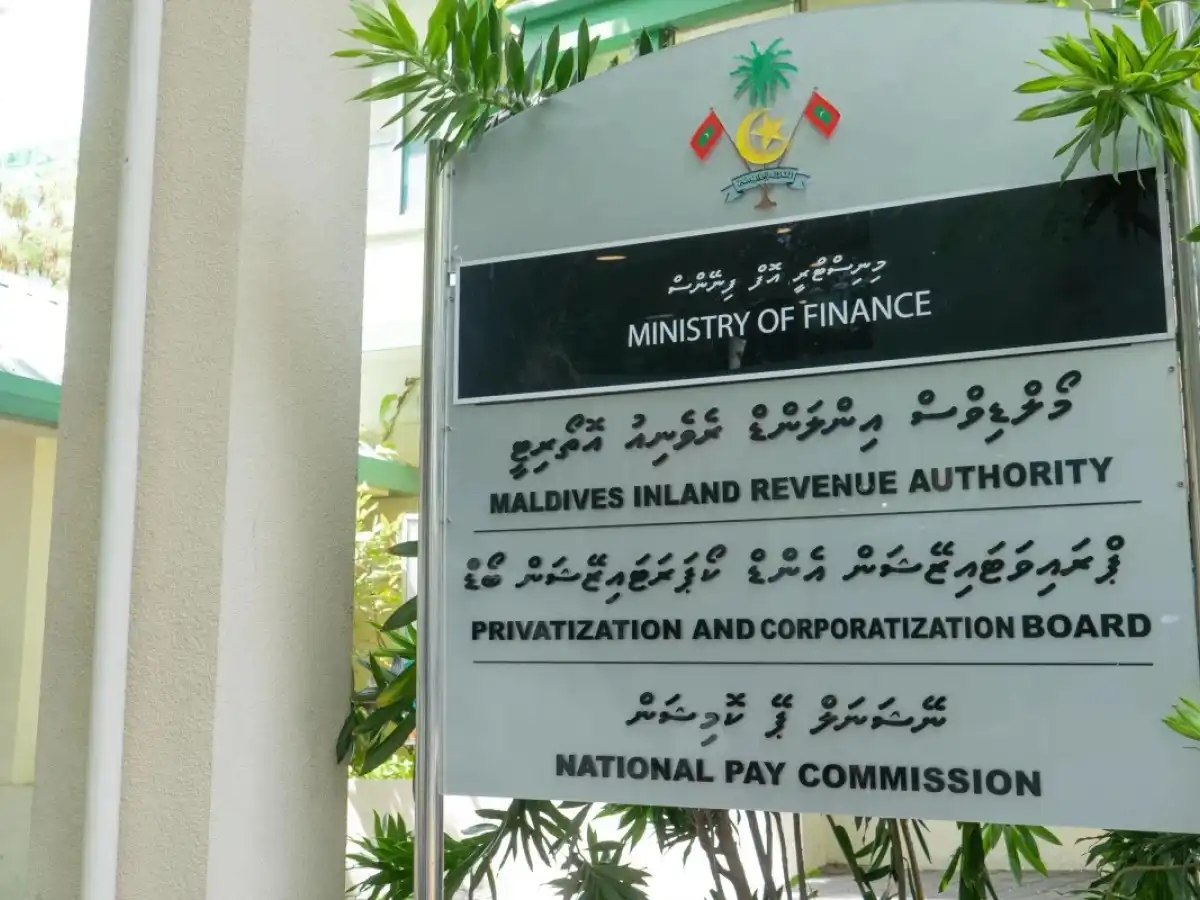
The main opposition party, MDP, has stated that the government's decision to downsize the workforce of state-owned enterprises (SOEs) by 33 percent will result in the termination of over 14,000 employees. In a circular issued on April 18, the Privatization and Corporatization Board (PCB) instructed SOEs to reduce their staff numbers as a measure to cut government expenditure. Furthermore, major state-owned firms such as HDC and Fenaka have already introduced voluntary redundancy packages. These schemes offer employees the opportunity to resign voluntarily in exchange for a payout equivalent to four months' salary.
While ordinary employees are being terminated and families left destitute under the guise of cost-cutting measures, the number of political appointees continues to rise. The government is facing widespread public criticism for its hiring practices; despite President Muizzu’s inaugural pledge to cap political appointments at 700, reports suggest that over 2,000 individuals have been appointed to such positions to date.