Hoarafushi Incident Exposes Failures in State Child Protection
16 ޖުލައި 2026 | ބުރާސްފަތި 10:58Public concern regarding the safety and efficacy of the juvenile justice system has intensified following an incident where three minors from the Hoarafushi Juvenile Halfway House assaulted and injured a local resident. The fact that children under state care were able to leave a heavily staffed facility to commit criminal acts is being viewed as a significant failure of the oversight system, highlighting an urgent need for robust measures to prevent such occurrences and ensure community security.

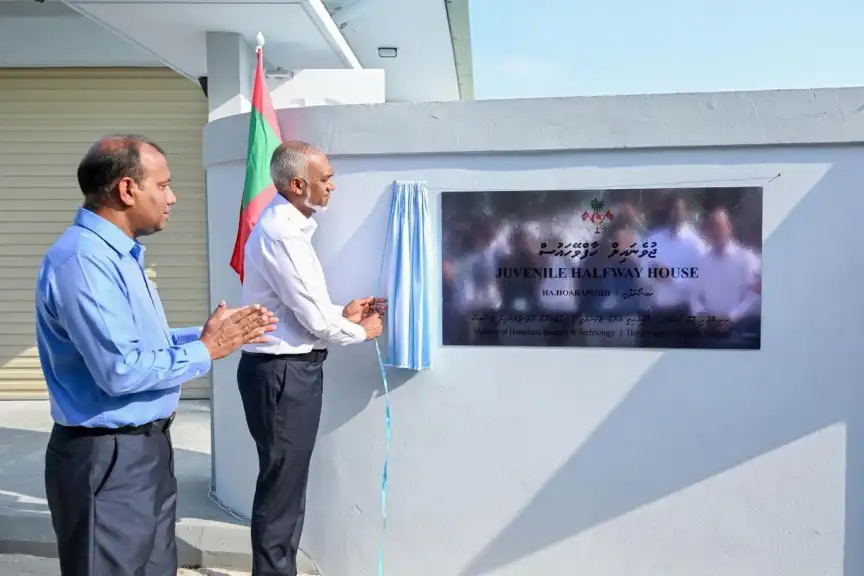
Juvenile Halfway House in Hoarafushi. | Presidents office
Widespread unrest and concern have gripped the community of Hoarafushi following an incident where three minors at the Juvenile Halfway House allegedly attacked a local resident. The circumstances surrounding this event highlight a systemic failure in the Maldives' juvenile justice and rehabilitation framework, raising urgent questions about the safety of children within the system and the security of residents in islands hosting such facilities.
According to information shared by the Hoarafushi Council, the incident followed an altercation between three minors from the Halfway House and a man who was fishing on the beach. Reports indicate that although the victim attempted to escape the situation, the youths pursued him and carried out the assault.
The victim was discovered unconscious with multiple physical injuries after being severely beaten and assaulted. Following initial treatment at the Hoarafushi Health Centre, reports indicate that his condition is now improving.
In response to the incident, a large number of residents gathered outside the center to voice their outrage. The protesters are questioning the accountability of the relevant authorities, expressing concern over how several children under state care could simultaneously leave the facility to commit criminal acts and disrupt the peace of the island. They further questioned how such an incident could occur without the knowledge of the institution's staff, which reportedly consists of approximately thirty employees.
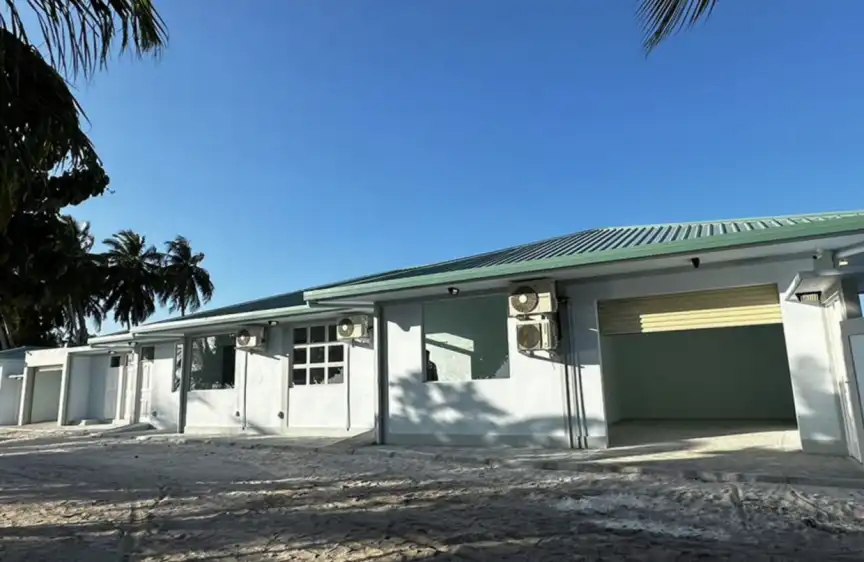
The Juvenile Halfway House in Hoarafushi. | Presidents office
A halfway house is not an ordinary residence. It is a facility specifically designed to house minors who require specialized supervision and rehabilitative care. Such centers must be equipped with trained staff, robust security measures, behavioral monitoring systems, counseling services, and programs specifically designed to prevent incidents of this nature. The question remains: how could an incident of this magnitude occur unless these essential standards were lacking? If that is the case, who will be held accountable?
This is a matter of particular concern, especially as the government repeatedly asserts that significant investments are being made in the field of juvenile rehabilitation. These centers are staffed with managers, social workers, counselors, youth officers, security personnel, and administrative staff. Despite the availability of such extensive resources, why do these incidents continue to recur?
Most children admitted to correctional facilities have endured traumatic past experiences. These include behavioral issues, psychological abuse, family instability, or a history of juvenile delinquency. The objective of rehabilitation is to address these underlying issues through structured intervention. However, when these children are not properly supervised within these facilities, the negative repercussions are felt by the entire community. Is this not exactly the situation we are witnessing today?
Residents of islands hosting correctional centers should not have to live in a state of fear or uncertainty regarding the safety and management of the juveniles held at these facilities. Similarly, the children in these centers should not merely be confined within a state institution; they must be provided with genuine rehabilitative programs designed to effectively steer them away from criminal behavior.
Broadly speaking, when children under state care assault a member of the public, leading to a situation where citizens feel compelled to take to the streets in protest, it is difficult to claim that the system is functioning effectively. It must be stated that this is yet another significant failure of the state.