Decentralization death knell as old authority returns under a fiscal lie
19 މެއި 2026 | އަންގާރަ 17:17Muizzu is facing criticism for undermining the decentralized governance system by establishing state-run Atoll Offices under central control. Critics and legal experts argue this move violates the Constitution and reverses democratic progress by concentrating power back in the capital. Despite claims of fiscal responsibility, these new offices maintain high costs while replacing elected local councils with political appointees.

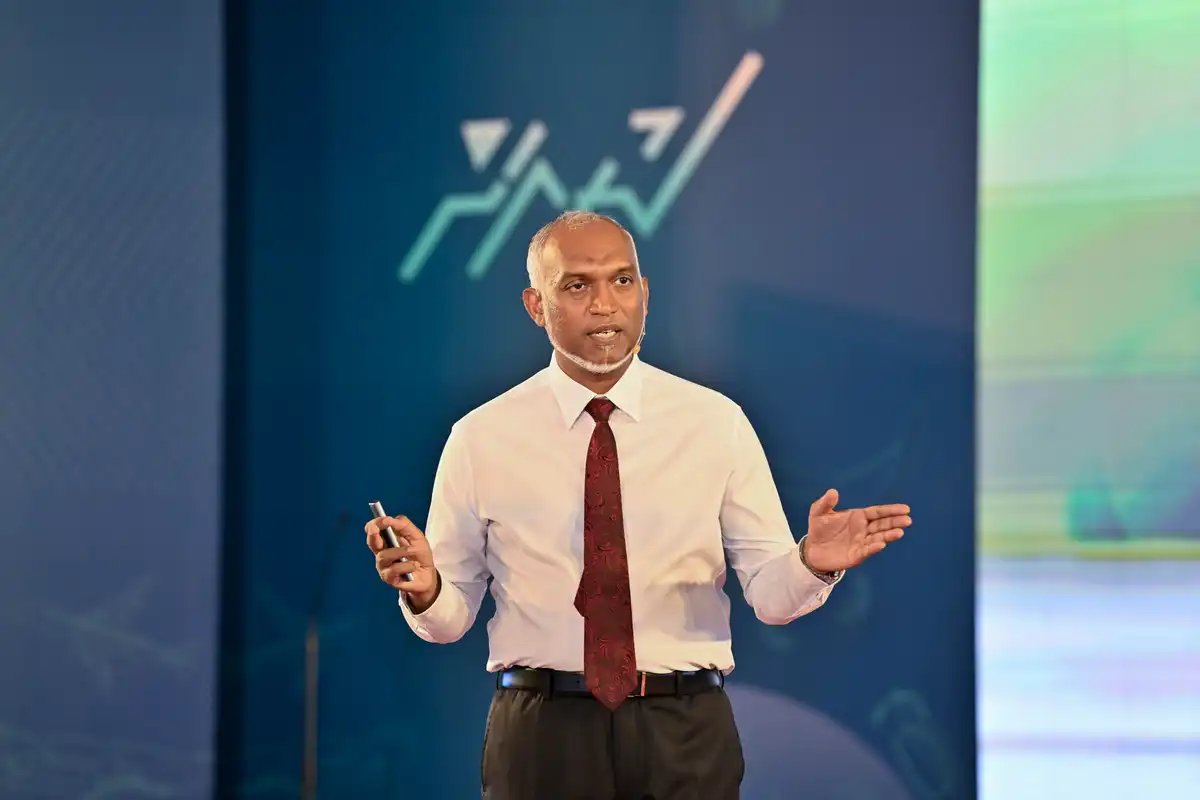
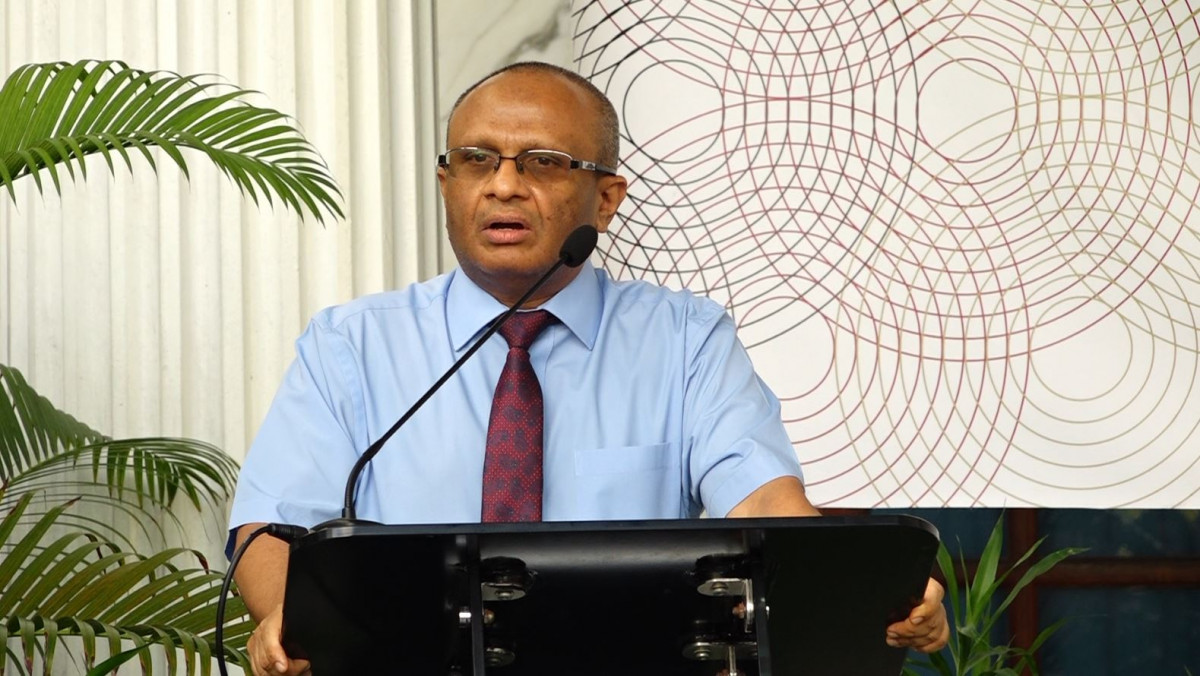
Speech by President Dr. Mohamed Muizzu at the ceremony marking Week 104 of "Rayyithunnah Eku Kuriah" event. | Presidents Office
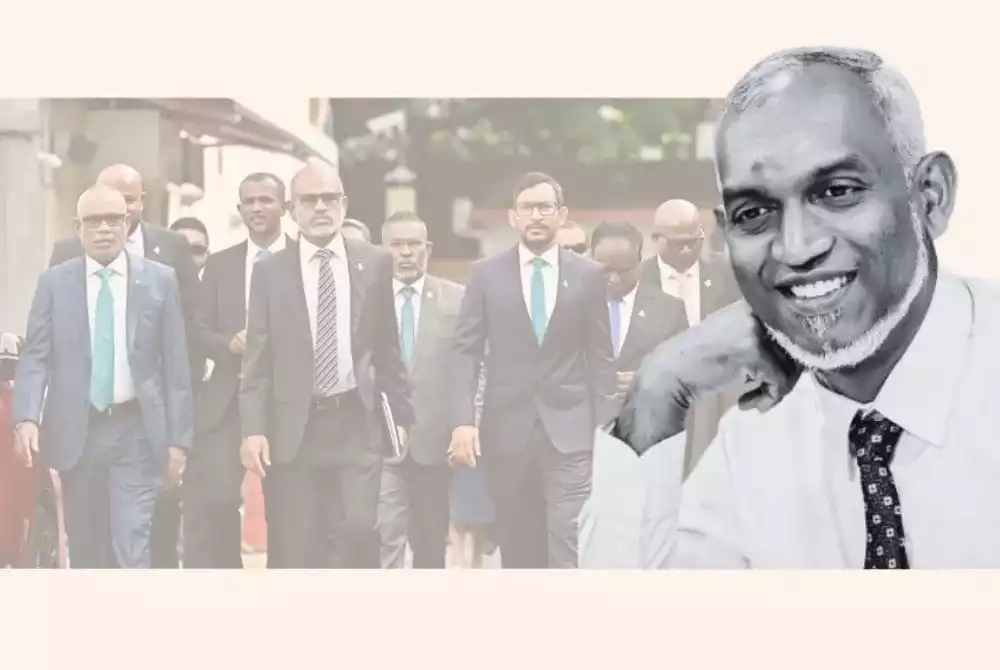
President Dr. Mohamed Muizzu has managed to accumulate quite a collection of nicknames from the public.
Some of these monograms point directly toward a perceived deficit in truthfulness, tags that his loyalists now find deeply insulting.
While a sense of decorum prevents the exact repetition of those specific titles here, there is absolutely no reason to shy away from highlighting the glaring clash between his flowery promises and his actual behavior.
It is becoming increasingly obvious that his pledges are nothing more than empty words, given how consistently his executive decisions fly in the face of his own public declarations.
Hard-fought democratic legacy put on a chopping block
The entire point of shifting the country toward a decentralized administrative model was to finally dismantle the old regime of hand-picked Atoll Chiefs and Island Chiefs.
The original objective was to transfer genuine power back to the local populace, enabling citizens to vote for their own leaders to oversee community matters through local Atoll Councils, Island Councils and City Councils.
This democratic architecture was explicitly woven into the nation's Constitution to guarantee that local governance would always remain firmly in the hands of everyday residents.
Ever since the adoption of the current Constitution, Maldives has functioned under this community-led, decentralized format. However, Muizzu’s executive vision has recently locked its sights on Atoll Councils, with the administration boldly declaring them to be useless and redundant.
The official excuse floated to the public, slashing administrative overhead and stamping out reckless spending, sounds perfectly sensible and economically prudent on its surface.
Cost-cutting mirage and the male power grab
As it turns out, this high-minded rhetoric was merely a calculated trap. The president’s lofty commitments have dissolved completely, disappearing like lines sketched into water.
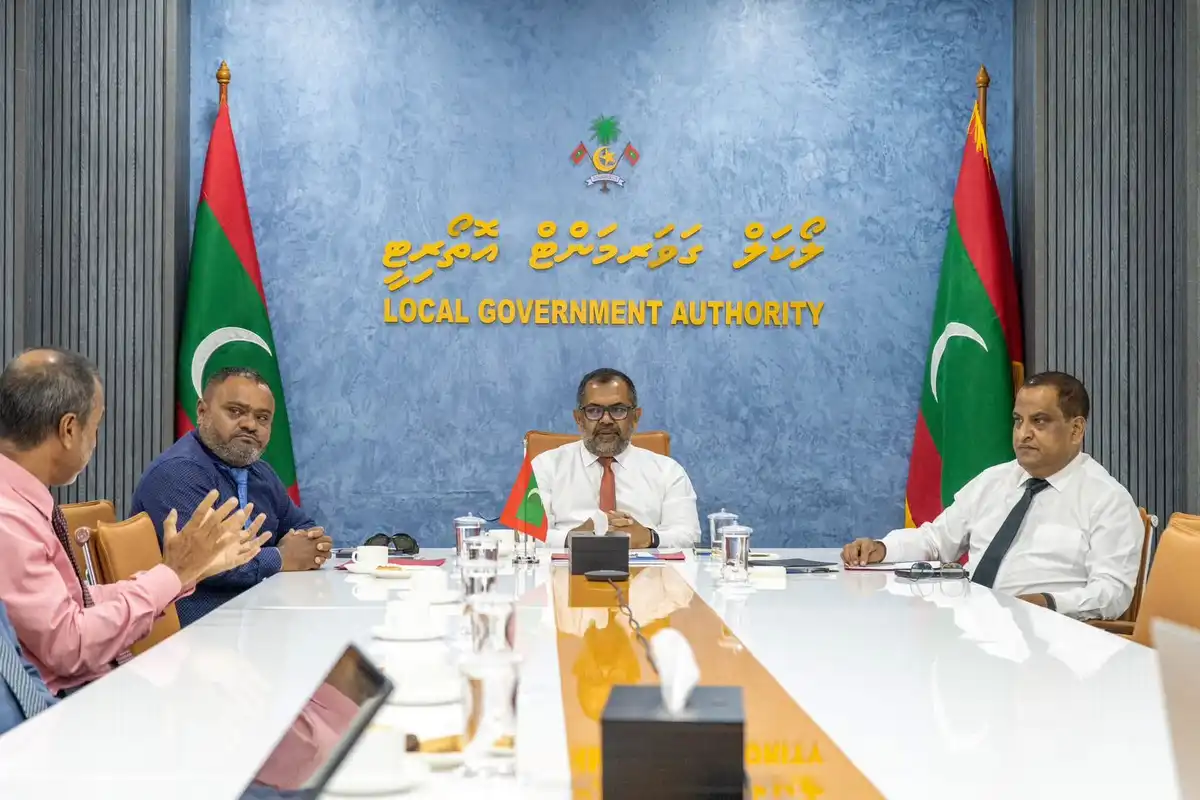
Right in the shadows of the very councils he is actively trying to cripple, he is quietly resurrecting Atoll Offices that mirror the ancient centralized system of the past. Operating under the tight leash of the Local Government Authority (LGA), these entities are explicitly engineered to be under the direct command of the president himself.
This maneuver effectively drags the country back to a bygone era when the capital city dictated every single community issue through state-run offices.
Literally the only detail absent from this regression is the formal designation of official Atoll Chiefs via presidential command. By using fiscal responsibility as a convenient shield, the current administration is actively breathing life back into the outdated, obsolete bureaucratic machines of yesterday.
Same financial burden with a side of political cronyism
Despite the government's loud complaints that elected Atoll Councils are far too costly to maintain, these newly minted Atoll Offices are holding onto the exact same volume of personnel and demanding hefty operational budgets to keep running.
On top of that, the partisan political figures hand-picked to run these offices are highly unlikely to take home paychecks that are any smaller than the earnings of the elected councilors they are systematically pushing aside.
Unsurprisingly, the public is growing deeply critical of this deliberate, piece-by-piece demolition of the country's decentralized framework.
Legal scholars are stepping forward to argue that these structural shifts fly completely in the face of the law and possess zero actual constitutional validity.
Legal minds warn of a total constitutional hijacking
Former Supreme Court Justice Husnu Al Suood has weighed in on the matter, publicly stating that these administrative restructurings represent a deliberate violation of Chapter Eight of the Constitution.
He stressed that according to the supreme law of the land, local administrative zones must be overseen exclusively by officials who have been democratically elected by the people living in those specific atolls.
Further, Justice Suood insisted that the individuals responsible for breaking these constitutional commands must be held legally responsible for their overreach.
When you look at the bigger picture, this transition is simply another link in a long chain of maneuvers by Muizzu to hoard authority in the capital and rob local councils of their rightful autonomy.
Weaponizing a super-majority on the floor of the People’s Majlis, the current administration has successfully advanced yet another step toward completely dismantling the nation's decentralization system.
If this current political momentum is allowed to carry on unchecked, the ultimate comeback of presidentially designated Atoll and Island Chiefs is practically guaranteed.
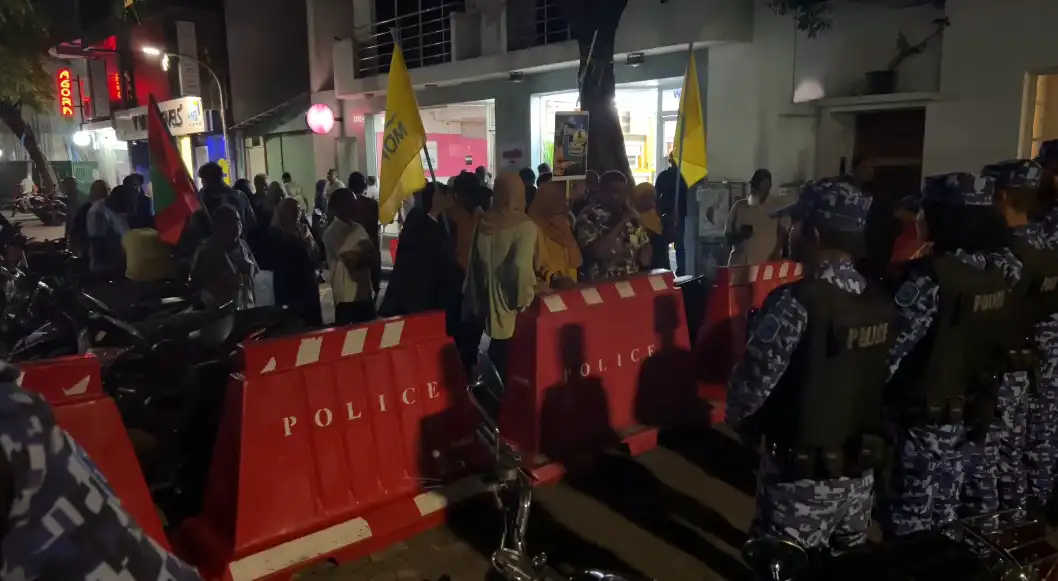
This has snowballed into a dangerous national flashpoint, making it absolutely vital for the Maldivian populace to rise up and defend their hard-won constitutional liberties.