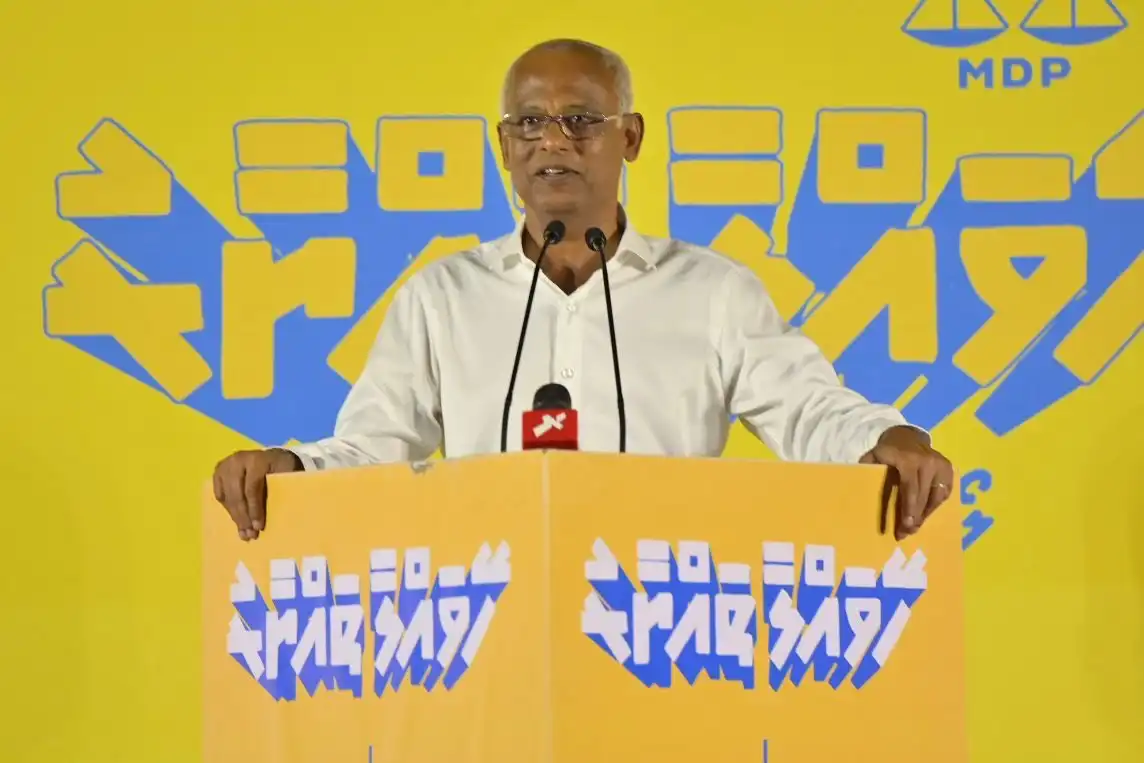
No obstacles for current administration to recover missing funds despite Adeeb’s release: Solih
16 މެއި 2026 | ހޮނިހިރު 11:42Former President Solih stated that the clemency granted to former Vice President Adeeb regarding the MMPRC corruption scandal was conducted within legal boundaries, emphasizing that this does not prevent the current administration from recovering the embezzled state funds. He explained that the decision was based on the fact that Adeeb had already served a significant portion of his sentence and followed formal recommendations from the Maldives Correctional Service. Furthermore, the former President questioned why the current government has not initiated civil proceedings to recover the missing funds.

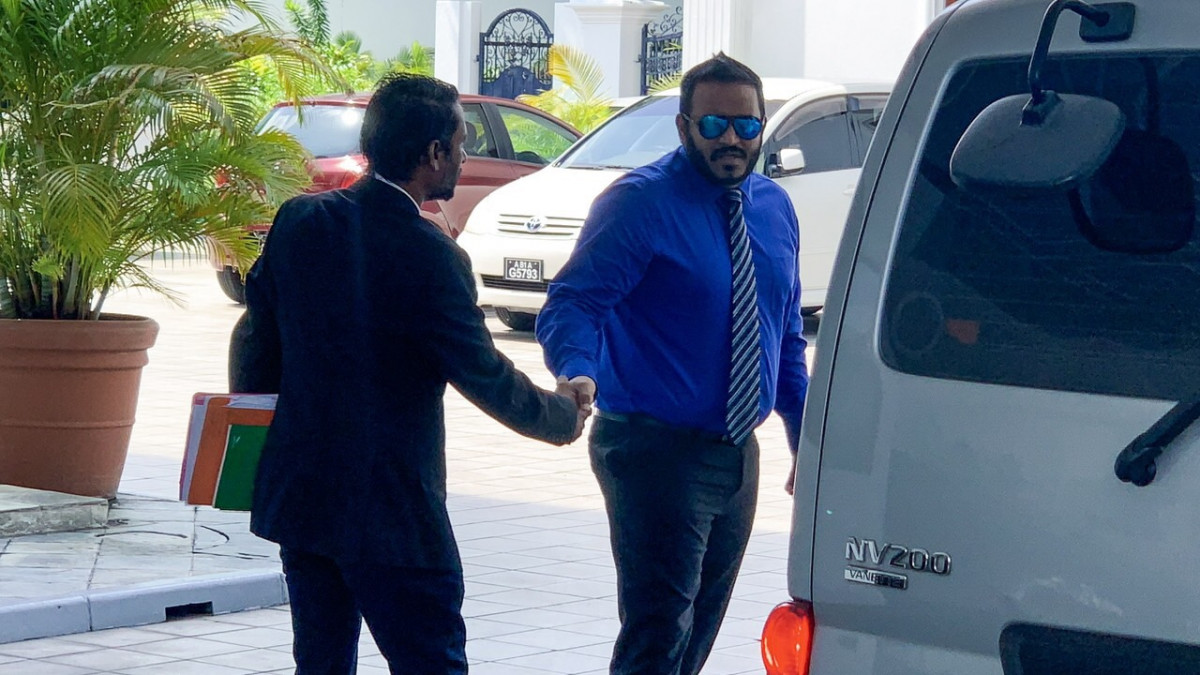
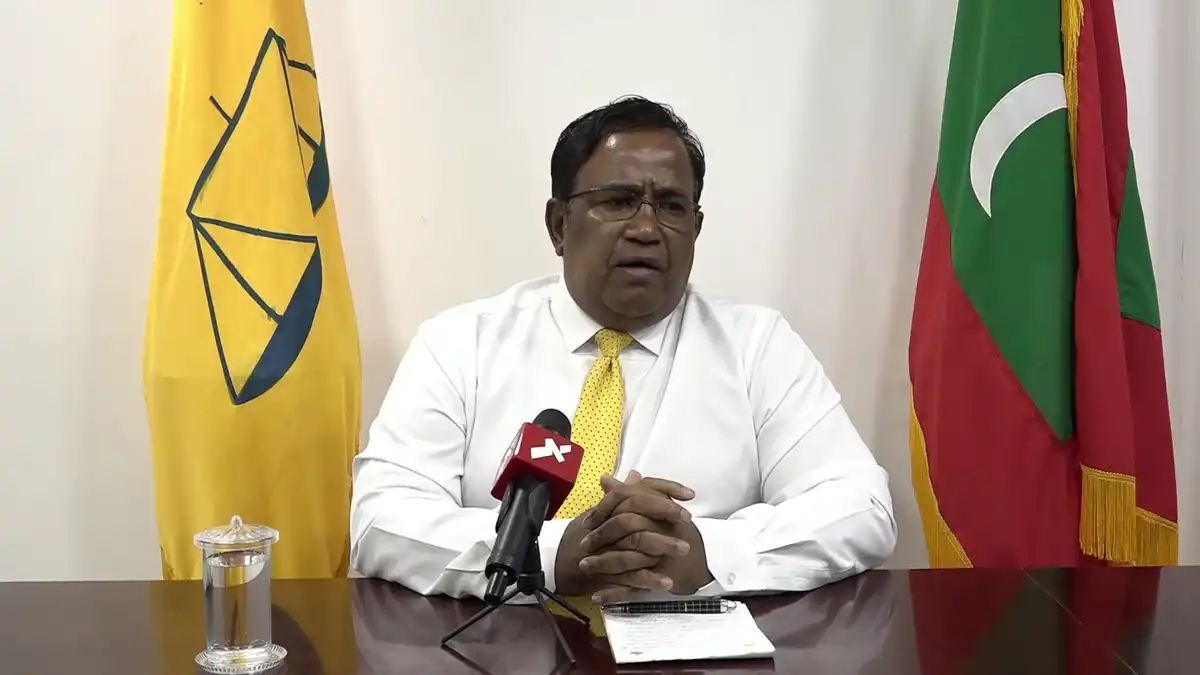
Ahmed Adeeb, who served as Vice President during the administration of former President Abdulla Yameen.
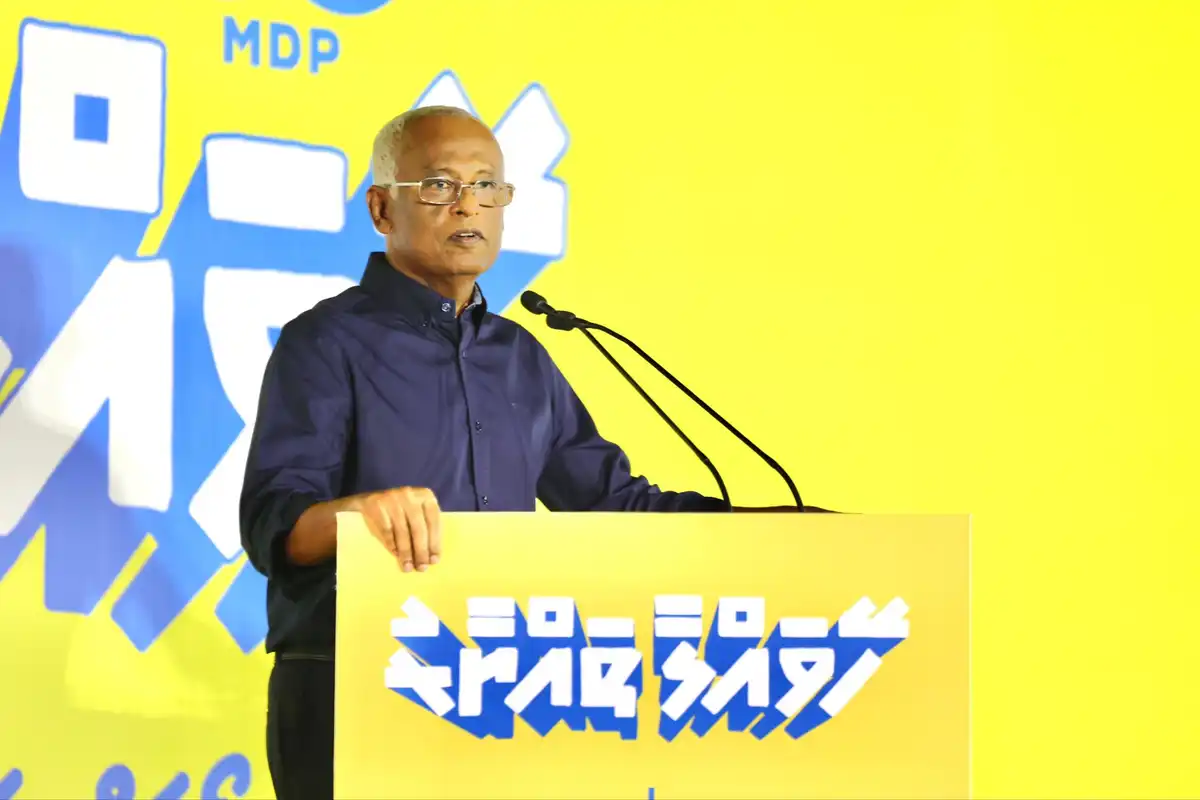
Former President Ibrahim Mohamed Solih has stated that despite the pardon and release of Ahmed Adeeb—who served as Vice President during former President Abdulla Yameen’s administration—there are no legal obstacles preventing the current government from recovering the funds lost in the MMPRC corruption scandal.
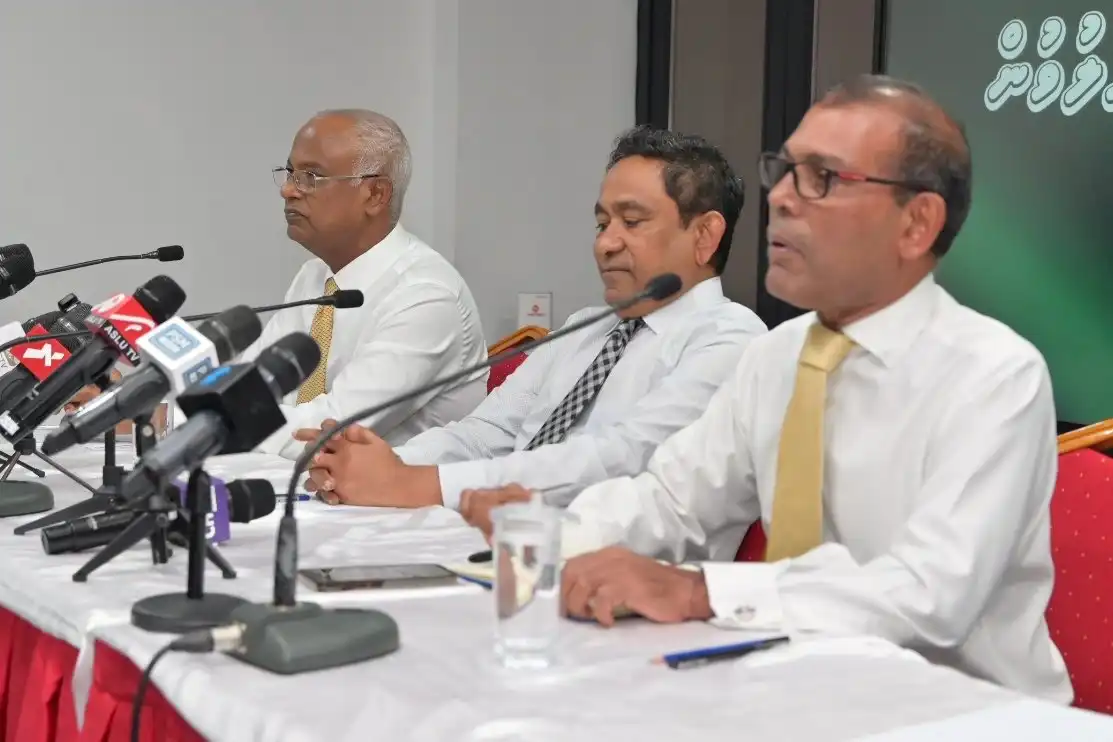
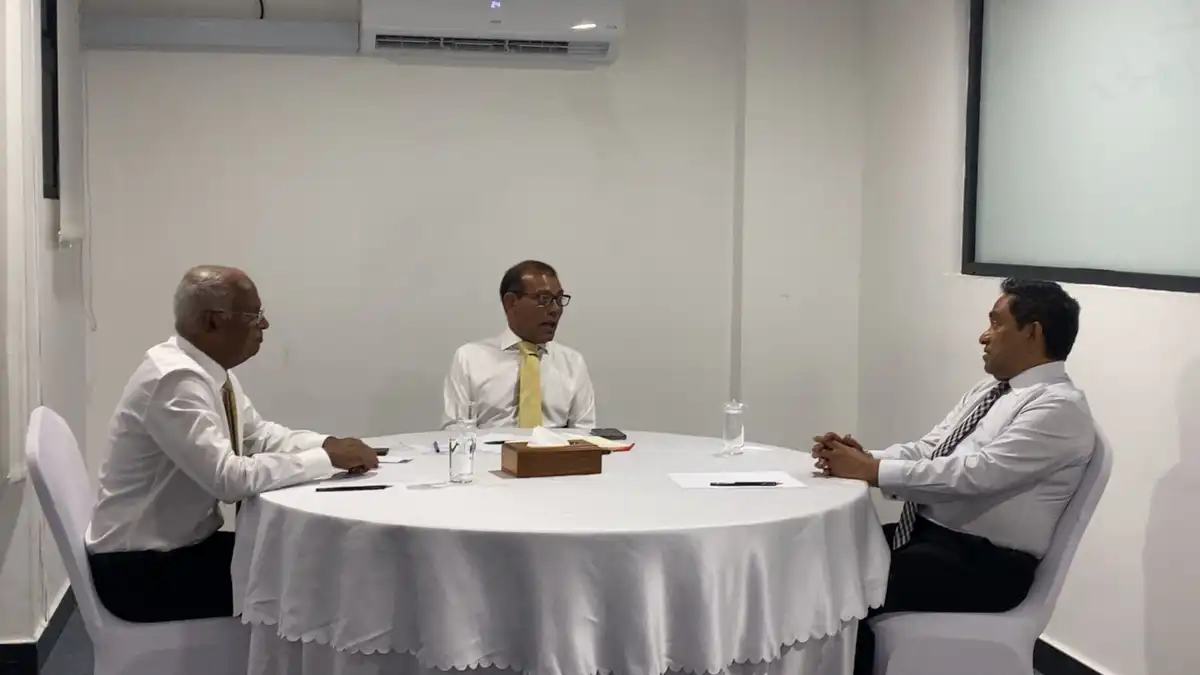
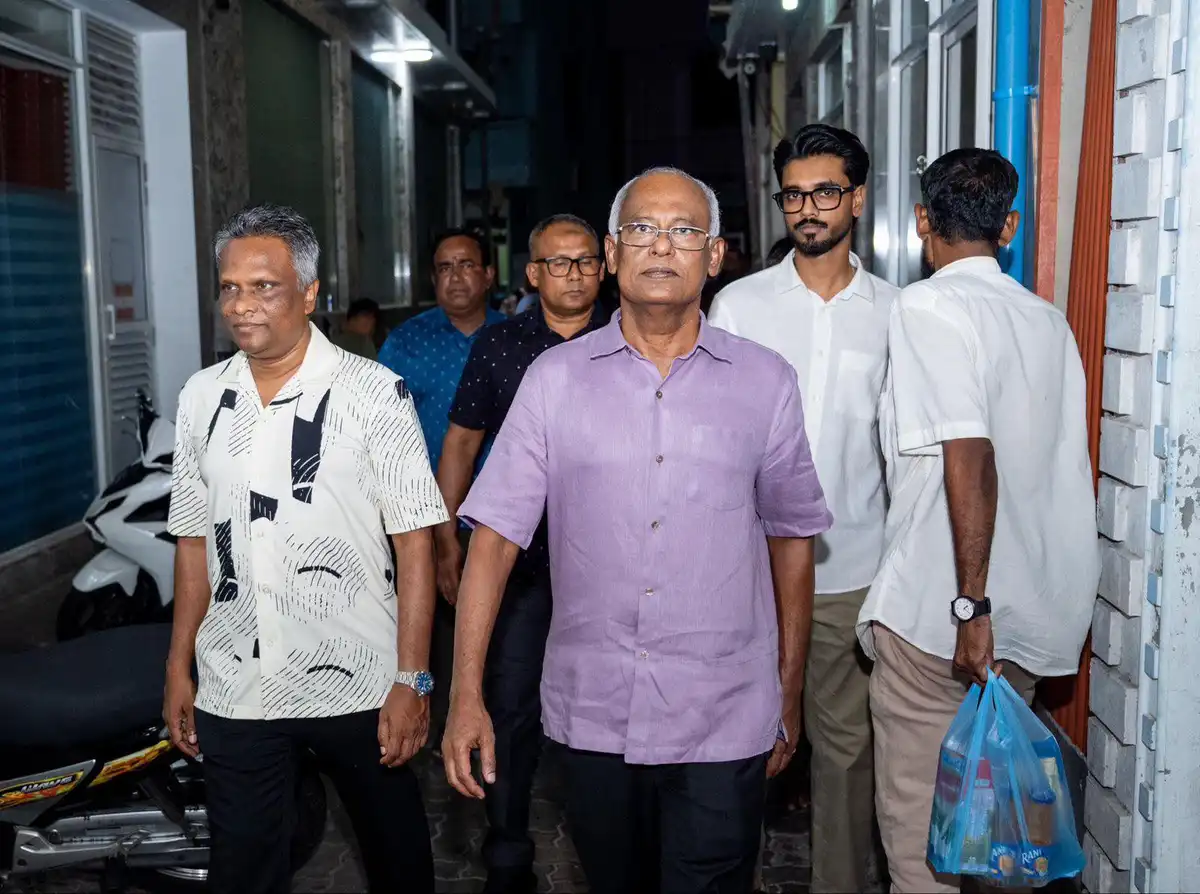
Responding to a reporter's question during a press conference held Friday night following a meeting between former presidents Mohamed Nasheed, Abdulla Yameen, and Ibrahim Mohamed Solih, President Solih stated that the proceedings regarding Ahmed Adeeb were conducted strictly within legal boundaries.
President Solih stated that a commission was established to investigate the MMPRC scandal, and following the conclusion of the investigations, several individuals were forwarded for prosecution. He further noted that before granting clemency to Adeeb, consideration was given to whether he had served a significant portion of his sentence, alongside the recommendations provided by the Maldives Correctional Service.
Upon assuming office, I established a commission to investigate the matter and concluded the inquiry. Some cases were subsequently sent to trial, while others were forwarded to the Prosecutor General’s Office. You specifically highlighted the case of Ahmed Adeeb. It is common for individuals serving sentences to approach the leadership seeking clemency or a reduction in their penalty; such requests reached me as well. I believe every leader has encountered numerous such appeals. When such a case is presented, we examine whether there are legal grounds to grant leniency. Initially, we reviewed the portion of the sentence already served to see if it met the requirements for a reduction. We then considered the Maldives Correctional Service’s assessment of the convict and whether there were grounds for mitigation or release. Based on all these factors, when the documentation reached me, it stated that—similar to others in his position—Ahmed Adeeb was eligible for leniency as he had served a sufficient portion of his sentence. Medical reports had also been submitted. I only granted leniency in relation to the criminal case.Former President Ibrahim Mohamed Solih
Referring to President Muizzu’s administration, former President Solih stated that the current government has the capacity to proceed with the recovery of the embezzled MMPRC funds. However, he questioned why the administration has chosen not to pursue the matter.
The other side of this is the civil aspect—the recovery of the funds. Those cases should currently be at the stage of investigation, completion, and trial. I find myself questioning why that process is not moving forward now. One side of this, as I mentioned, involves the recovery of the lost state funds, and that effort should be proceeding even now. Regarding the criminal aspect, as I have noted, leniency has been granted to others in the past as well. In that regard, the leniency afforded to Ahmed Adeeb was an action taken within the legal framework and through the opportunities provided by the law.Former President Ibrahim Mohamed Solih
Furthermore, President Solih stated that, in addition to Adeeb, others have also been granted leniency within the legal framework.