No grounds to annul Veyvah Council election results; MDP candidate secures seat!
13 މެއި 2026 | ބުދަ 12:19The High Court has upheld the election of the MDP candidate for the Veyvah Council, dismissing a challenge filed by the PNC to annul the results. While the dispute centered on three ballot papers containing ink spots, the Elections Commission clarified these were printing errors, and the court noted that even if the contested ballots were invalidated, the final outcome of the election would remain unchanged. Consequently, the court ruled that the permanent results announced by the Commission are valid and legally binding.

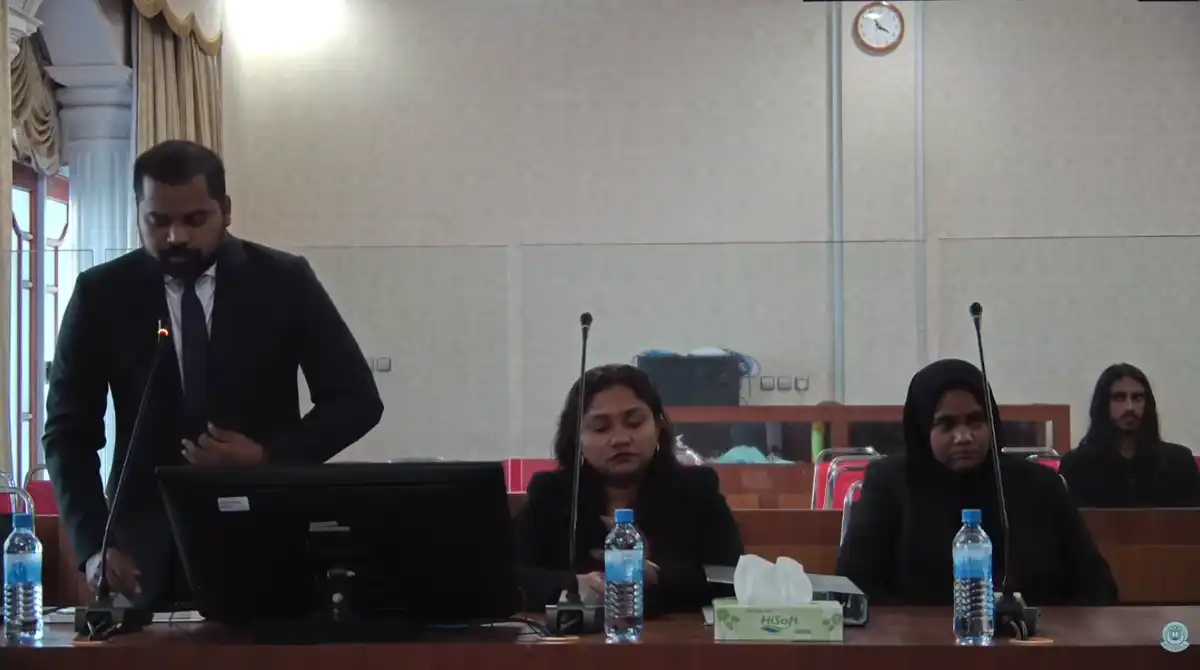
Hearing held regarding the Veyvah Council election | Raajje MV
The High Court of the Maldives has ruled that there are no grounds to annul the results of the election held to select a member for the Veyvah Island Council.
This case was filed in the High Court of the Maldives regarding the results of the ballot box placed in Veyvah during the most recent local council elections. The petition was submitted by the candidate representing the People's National Congress (PNC). The seat for the constituency was won by the candidate from the Maldivian Democratic Party (MDP).
Consequently, as the Maldivian Democratic Party (MDP) holds a significant interest in this case, the party has formally intervened in the proceedings. In its intervention, the MDP requested the court to uphold the results previously announced by the Elections Commission as the final and permanent outcome.
Based on the facts of the case, the MDP candidate had already secured the election by a margin of two votes during the initial count of the disputed ballot box. Furthermore, even after a recount was conducted following a formal complaint lodged by the PNC candidate, the MDP candidate maintained the lead and won the election by the same two-vote margin.
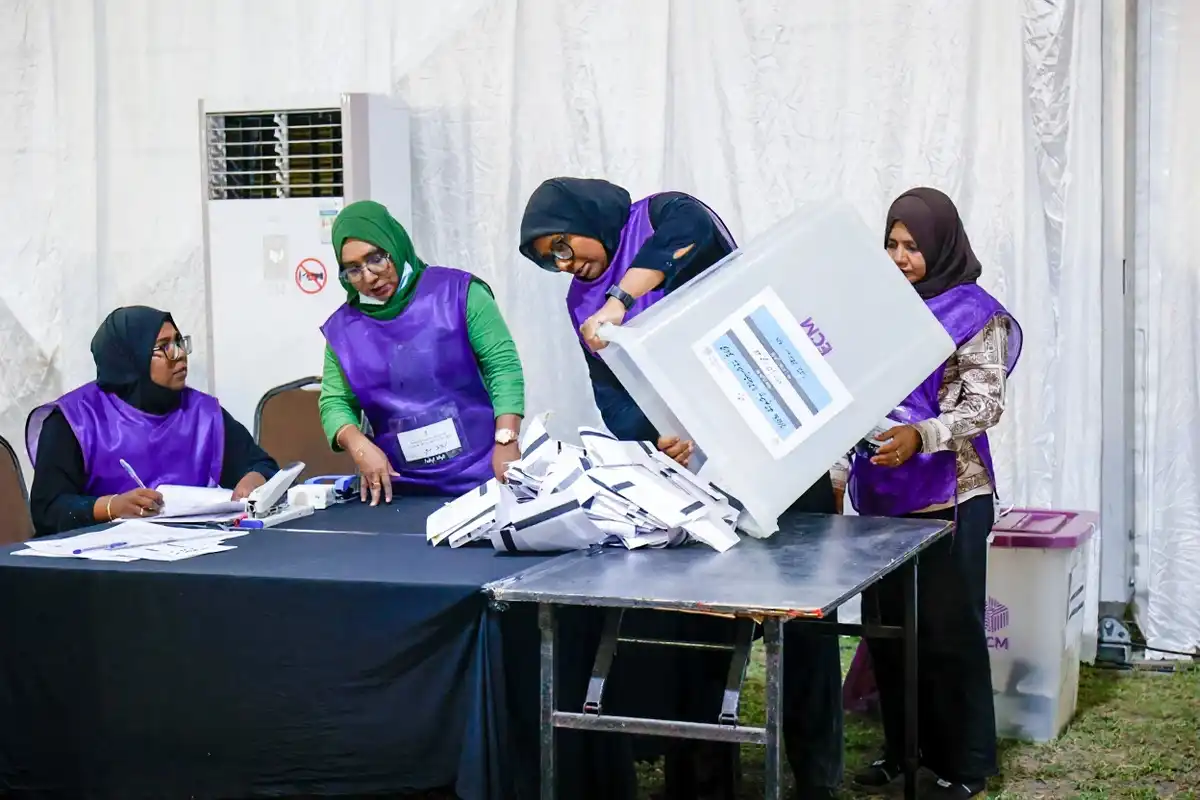
The dispute in this case centers on the determination of invalid votes. During the recount, the Elections Commission (EC) provided a clear explanation as to why those specific ballots were deemed valid. The EC clarified that the marks on the ballot papers were not intentional drawings or scribbles. Instead, the commission accepted the three ballots as valid after determining that the marks were caused by ink bleeding during the printing process.
The Elections Commission reached this decision as the official pens provided for voting were blue, whereas the marks in question were black. Furthermore, the commission noted that the spots were smaller than the tip of a standard pen.
During the High Court proceedings, Novelty Printery informed the Elections Commission (EC) that the presence of a small dot on the ballot papers could have occurred during the printing process. However, the EC only submitted this documentation to the court after the hearings had already concluded.
High Court judges stated that the law explicitly prohibits any markings or symbols on a ballot paper, noting that the presence of such identifiers compromises the secrecy of the vote. The court further emphasized that it is the responsibility of the Elections Commission to inspect individual ballots and ensure they are free of any such markings.
The court further noted that even if the issue arose during the printing process, the ballot should not be accepted as valid if it compromises the secrecy of the vote.
However, in determining whether there were grounds to annul the official election results and mandate a re-election, the court noted that these three votes were not sufficient to alter the overall outcome of the election.
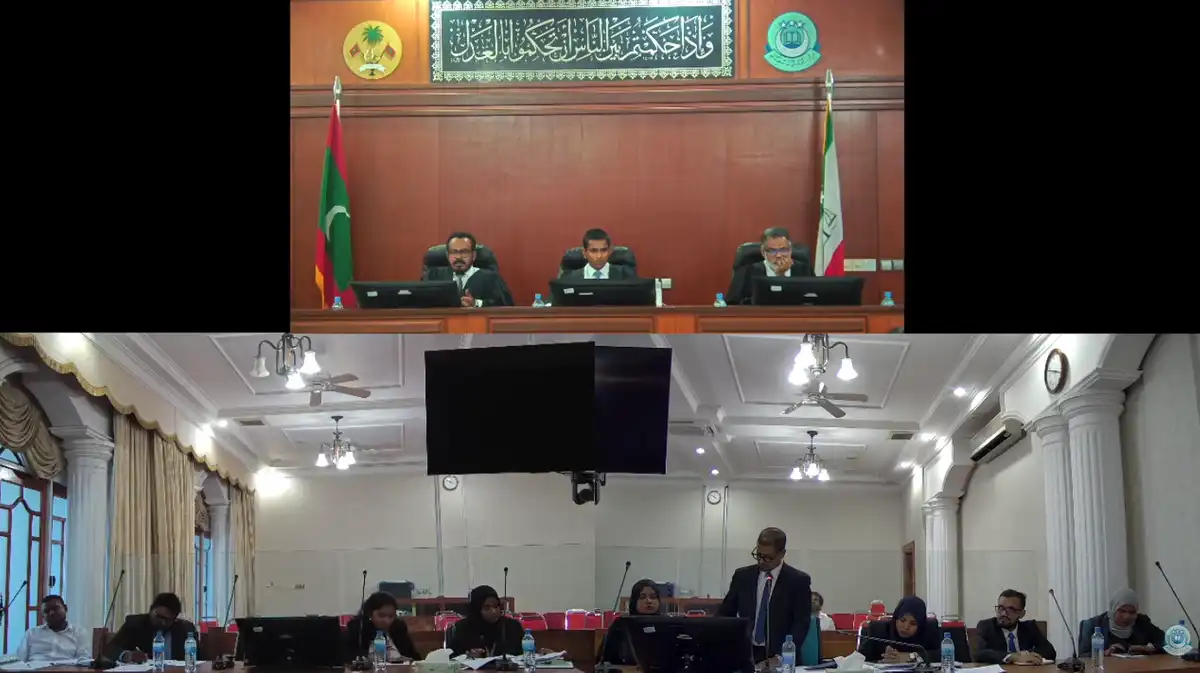
The High Court ruling was delivered by a three-judge bench consisting of Judge Mohamed Shaneez Abdulla, Judge Ibrahim Mahir, and Judge Abdul Rauf Ibrahim.