Blatant display in selective memory, double standards
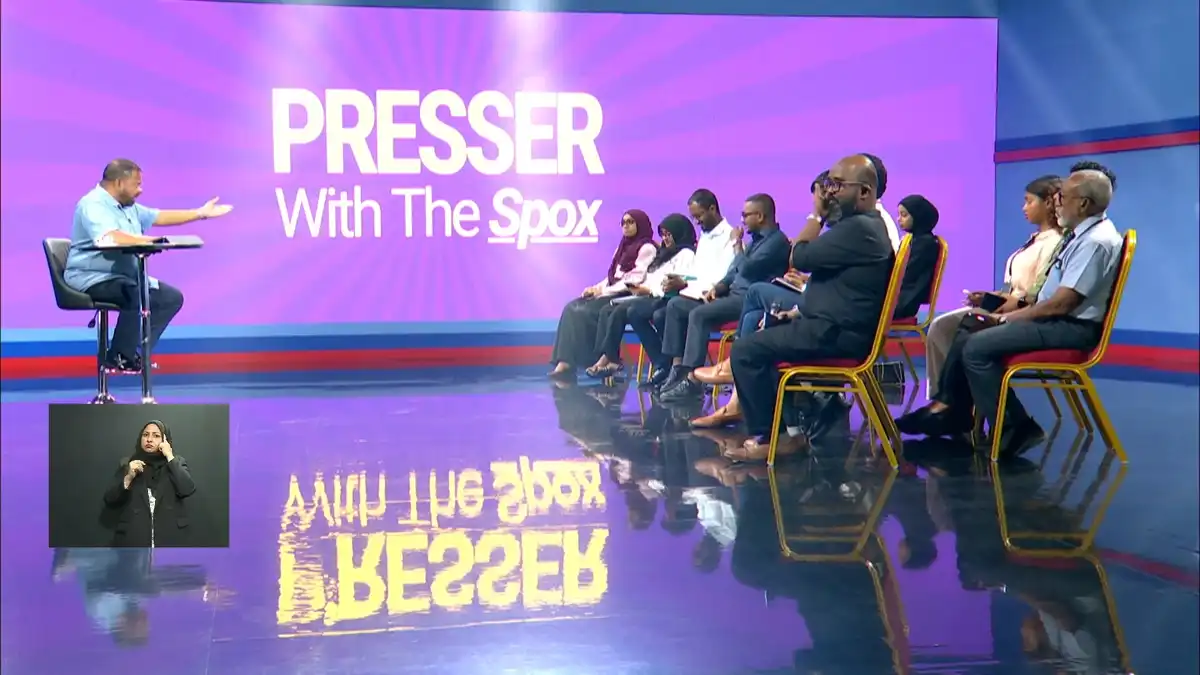
1 މެއި 2026 | ހުކުރު 18:38Government spokesperson Mohamed Hussain Shareef faced criticism following a debut press conference marked by a condescending tone and defensive stance toward the media. The briefing highlighted a shift in the administration's narrative, as officials now invoke national security to justify secrecy despite campaigning on promises of total transparency. This perceived hypocrisy suggests a double standard where the government avoids accountability while maintaining control over public discourse.

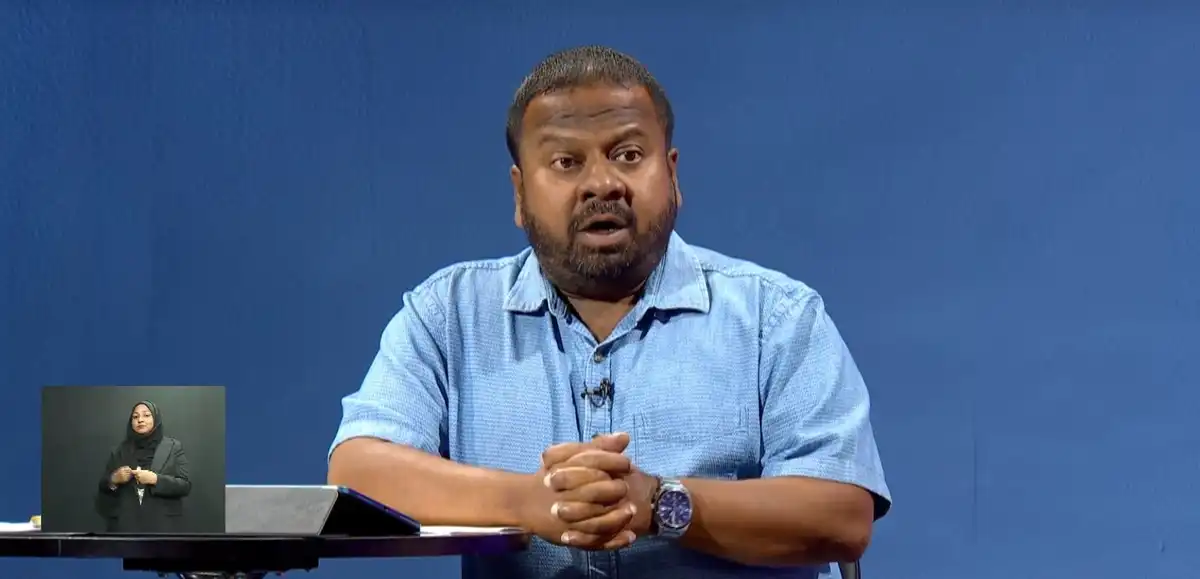
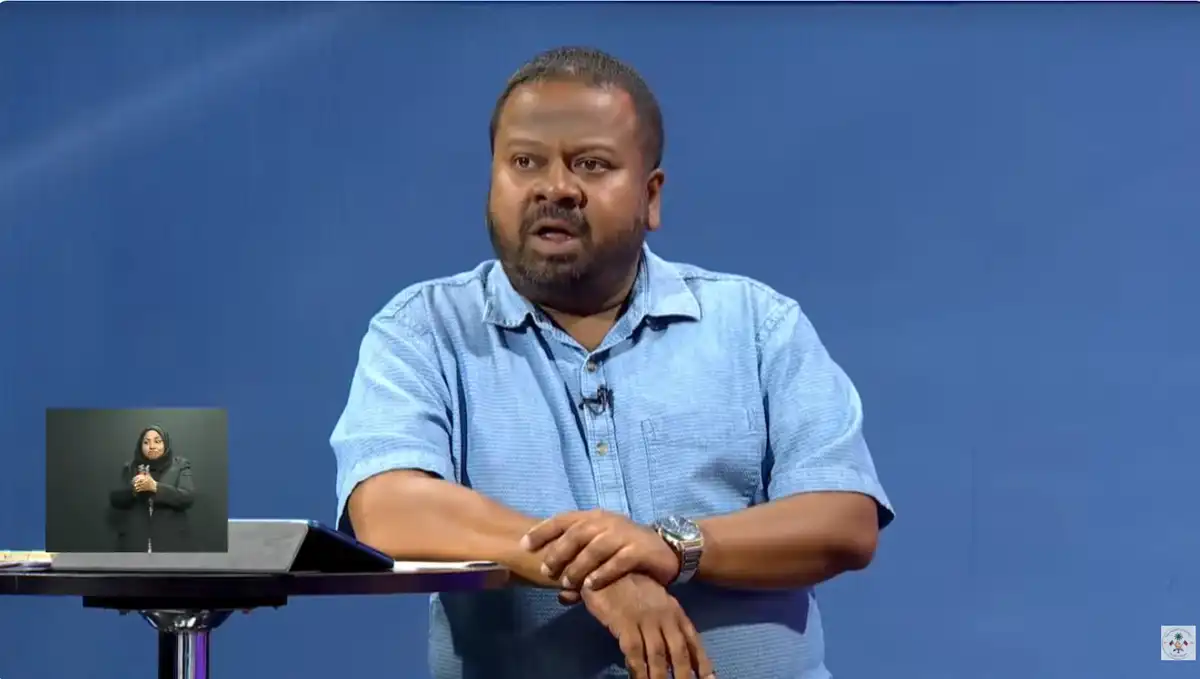
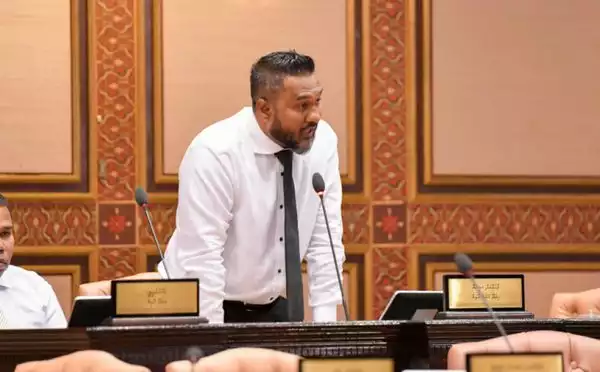
Government Spokesperson, Mohamed Hussain Shareef (Mundu) | Screen image
Mohamed Hussain Shareef has finally stepped into the spotlight to kick off his tenure as the latest government mouthpiece. Watching his debut press conference provided plenty of food for thought, though for today, I’ll skip the trivialities and focus on the blatant inconsistency of the narratives being spun and the rather questionable way the briefing was managed.
Expressiveness, shaky demeanors
There is no denying that the spokesperson possesses a certain level of eloquence and a way with words. However, looking past the polished speech, his body language told a different story. He frequently looked like a man under immense strain, appearing desperate to ensure his words did not fall on deaf ears. His approach swung wildly between being combative toward the press and using overly decorative language to win them over, often delivering contradictory points within minutes of each other.
Classroom discipline approach
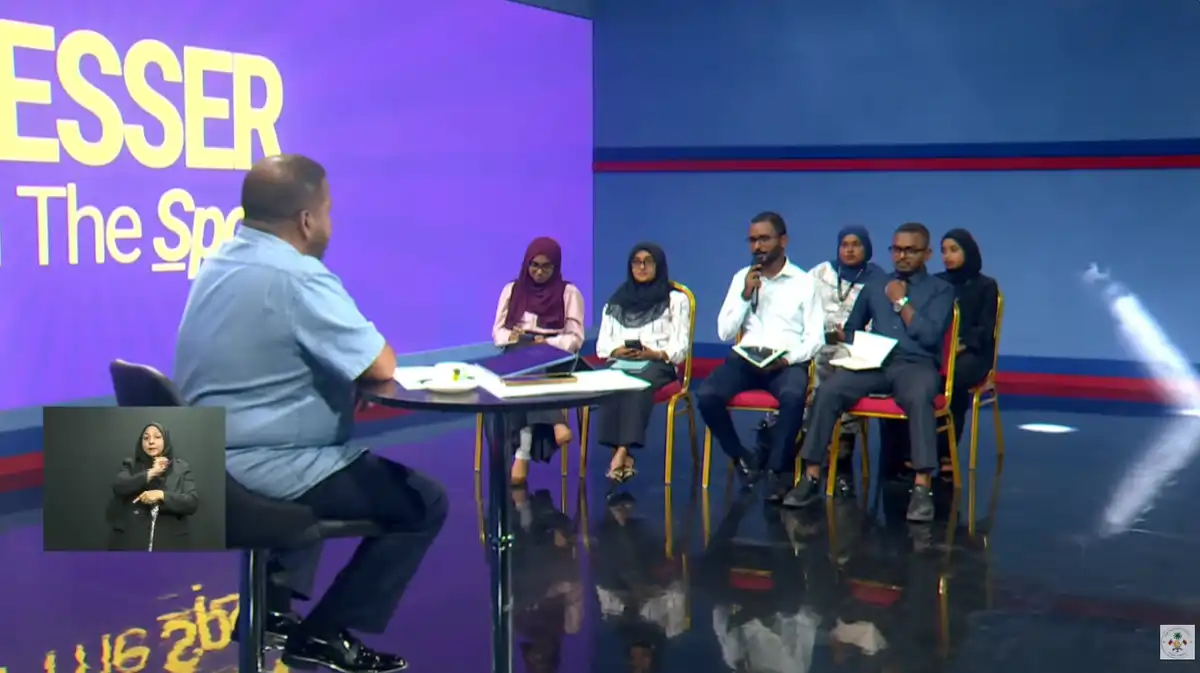
Shareef certainly has a difficult road ahead of him, considering he is the third person to hold this title under the current leadership. Up until now, the Muizzu administration has built a reputation for hiding in the shadows and keeping the public in the dark. Despite this, the spokesperson felt the need to butt in when a pair of reporters were simply having a quiet chat. It was a scene reminiscent of an irritated schoolteacher scolding a couple of rowdy children for whispering in the back of the room.
State secrets, patronizing responses
The media’s main expectation with this third appointment was a pivot toward actual transparency. However, when a member of the press dared to bring this up, the spokesperson’s patience evaporated instantly. He doubled down on the idea that every state is entitled to its secrets and that everyone simply needs to deal with that fact. He even capped off his defensive lecture with a condescending query about whether the reporter was being serious.
Conveniently forgetting campaign promises
It seems the spokesperson might need a refresher on the words of President Muizzu, who once loudly promised that a government under his watch would leave no room for hidden agendas. One has to wonder if the spokesperson, the president and the main ruling People’s National Congress (PNC) have all developed a collective case of amnesia regarding their original platform.
Shifting definition of national security
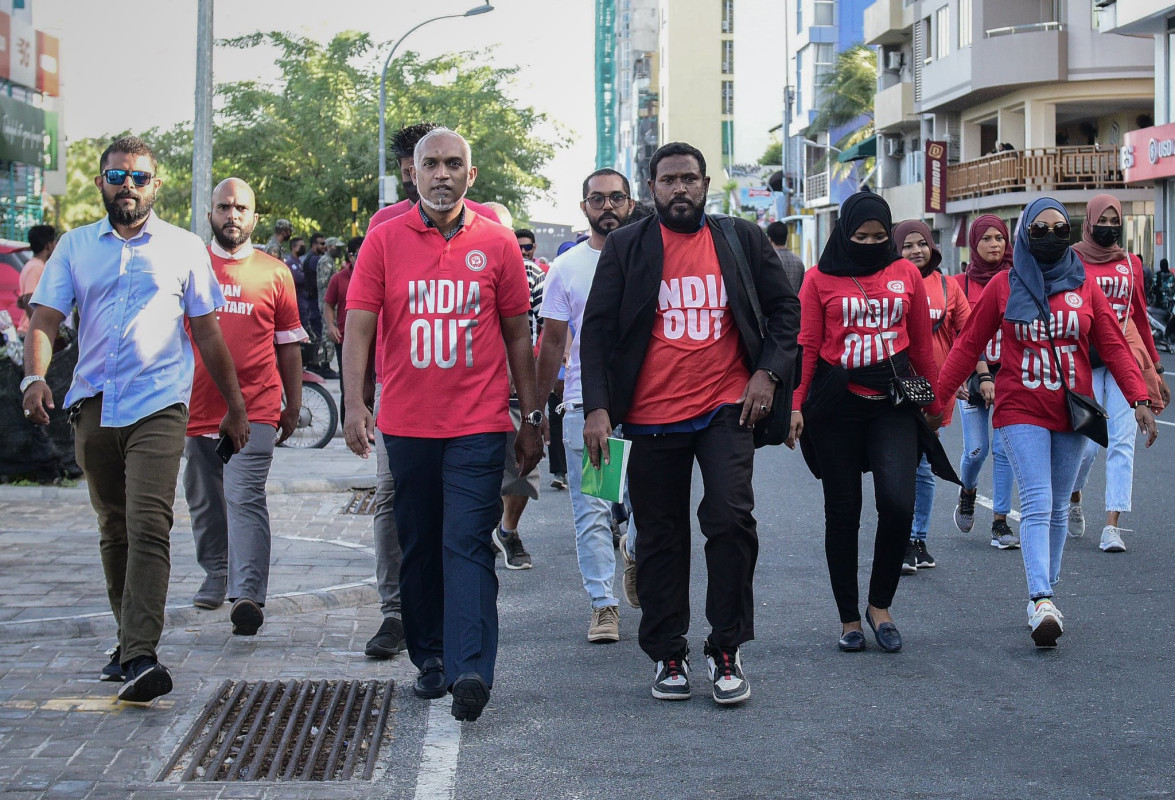
This entire administration was built on the foundation of scary stories about mysterious, hidden deals with India. Even after they took the reins, they kept insisting there were around a hundred such secret pacts. Back when they were busy terrifying the public with claims of hidden details, the concepts of national security or state secrets were nowhere to be found. It is incredibly convenient how those excuses only matter now that they are the ones in power.
When these same people were screaming for the government to release a specific letter regarding the Chagos dispute, the idea of state secrecy was non-existent. All that panicked rhetoric about foreign invasions seems to have vanished into thin air the moment it was no longer politically useful.
“Do as I say not as I do”
The government’s hypocrisy is perhaps most visible in their sensitivity toward certain labels. They get incredibly defensive if anyone mentions a Control Commission, with the spokesperson jumping to correct journalists immediately. However, they seem to think it is perfectly fine for the president himself to use mocking nicknames for documentaries he does not like during his own press events. We should not expect the public or the press to stop using derogatory labels until the people at the very top of the ladder decide to set a decent example. Until then, we are just watching a regime apply two different sets of rules whenever it suits them. It really is unbelievable.