Court denies request for injunction to halt disciplinary actions against members and presiding judges pending resolution of seat disqualification case!
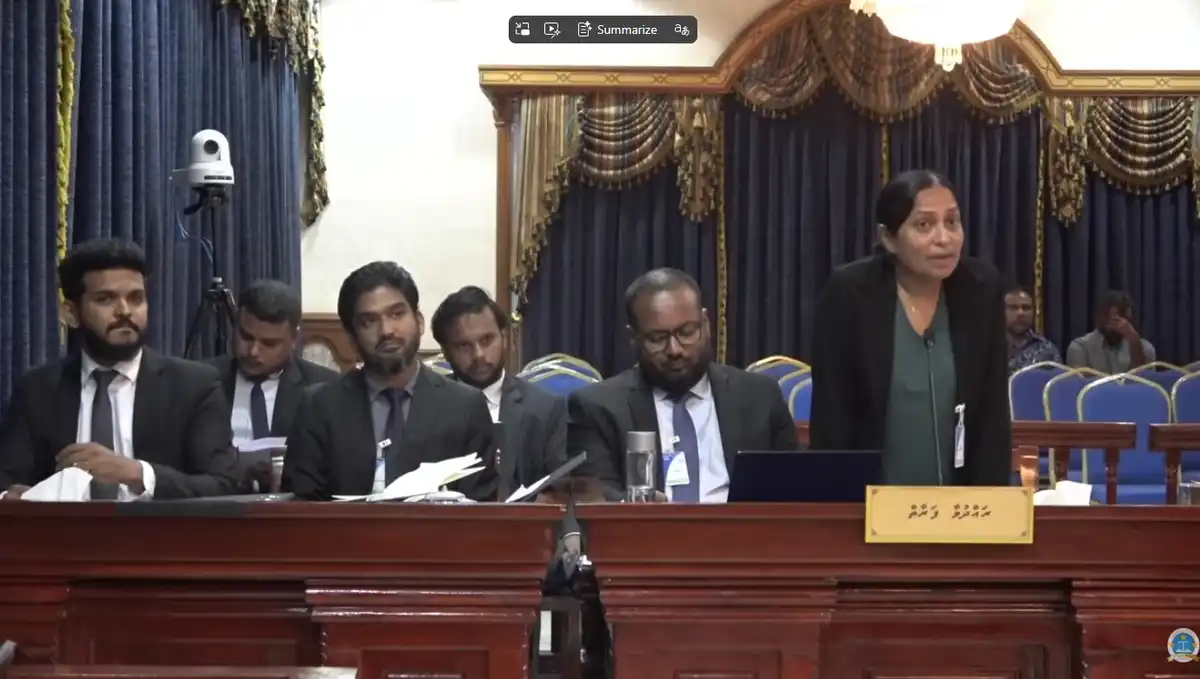
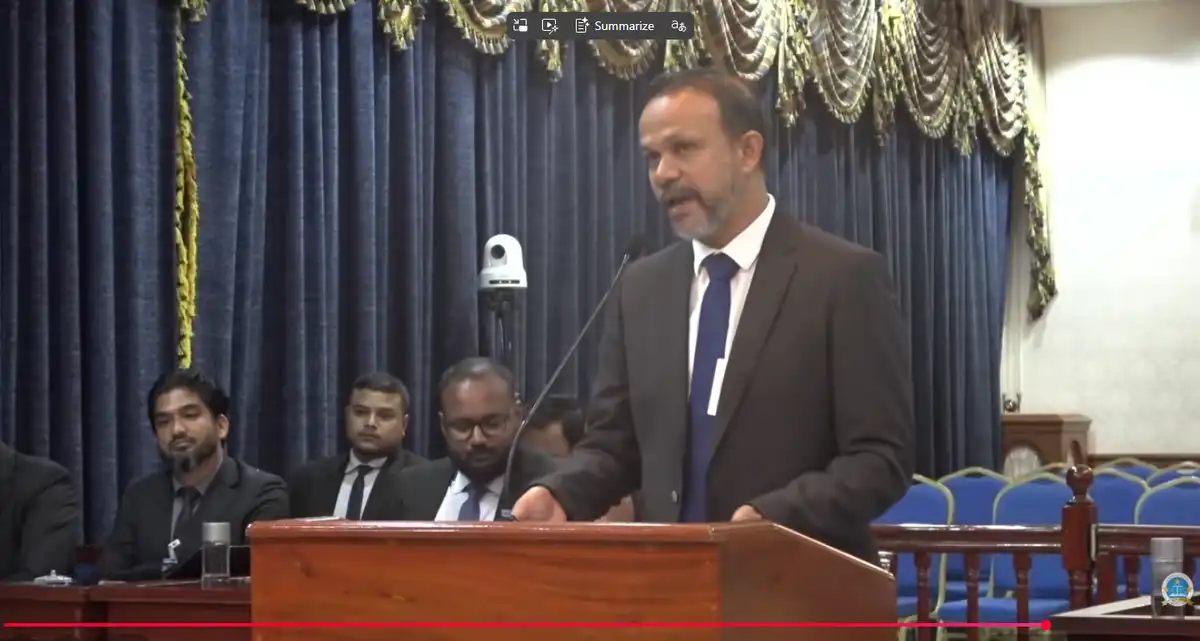
19 އެޕްރީލު 2026 | އާދީއްތަ 09:58The Supreme Court has declined to issue temporary injunctions seeking to prevent action against lawmakers and judges following constitutional amendments that trigger the loss of parliamentary seats. In its ruling, the court stated that granting such orders before a substantive decision is reached could prejudice the merits of the case, further noting that judges cannot preside over matters involving their own personal interests.


A case has been filed with the Supreme Court seeking to nullify the constitutional amendment outlining the circumstances under which Members of Parliament lose their seats. | RaajjeMV | Raajje MV
The Supreme Court has declined to issue an interim order seeking to prevent any action against Members of Parliament or the presiding judges until a final ruling is reached in the case challenging the constitutional amendment on parliamentary seat forfeiture.
The case was filed on behalf of Ali Hussain. When the case was submitted, the plaintiff requested two temporary injunctions. One of these requests sought an interim order to halt all proceedings related to the removal of any Member of Parliament from office until the court reaches a final decision on the matter.
The second injunction requested at the time was for an order to halt any investigative procedures or removal processes against Supreme Court justices. This request was submitted amid mounting speculation that a bill would be introduced to reduce the number of Supreme Court bench seats, potentially leading to the dismissal of several justices following the filing of this case.
However, before a decision could be reached on the injunction, the presiding bench was entirely reconstituted. Furthermore, the judges serving at the time were removed from their positions under various pretexts.
The final decision regarding the temporary injunctions was reached on Sunday. In its ruling, the Supreme Court stated that there were no grounds to issue such an order.
In its ruling regarding the members, the Supreme Court determined that the case involves questioning the validity of Article 73(e) of the Constitution. The court further noted that issuing a decision on the requested injunction at this stage would prejudice the final determination on the core merits of the case.
In its ruling regarding the order concerning judges, the Supreme Court stated that the request could not be granted. The Court noted that the order would violate the principles of natural justice, which dictate that judges cannot preside over or adjudicate matters in which they have a personal interest.
The substantive merits of this case have been addressed. If no further clarifications are required regarding the matter, the court will proceed to deliver a verdict.