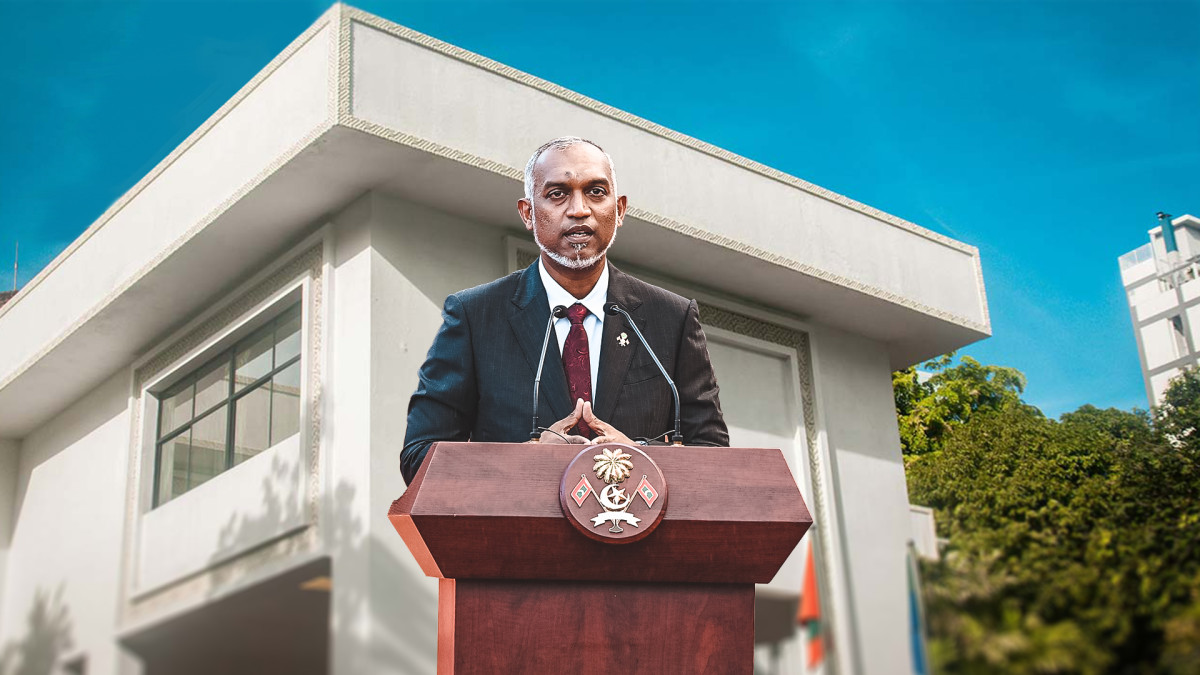
Parliament rejects emergency motion claiming that numerous lives are at risk due to a shortage of essential medicines
14 އެޕްރީލު 2026 | އަންގާރަ 00:37Member of Parliament for North Galolhu, Mohamed Ibrahim, submitted an emergency motion alleging that disruptions to the Aasandha national health insurance scheme are causing significant public hardship in accessing essential medicine and medical supplies. Although the motion raised concerns regarding potential corruption in the importation of pharmaceuticals and highlighted life-threatening risks caused by delays in healthcare services, the Speaker of the People's Majlis rejected the motion on the grounds that the allegations of corruption lacked substantiated evidence.

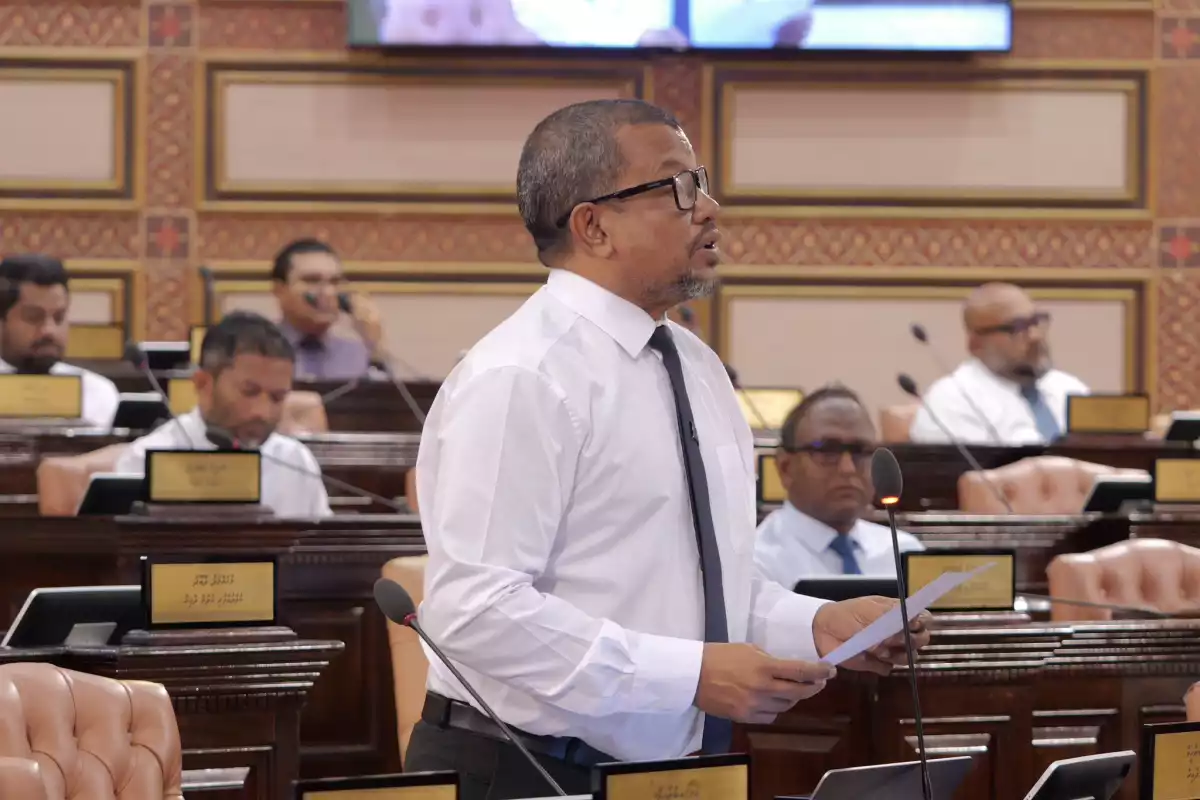
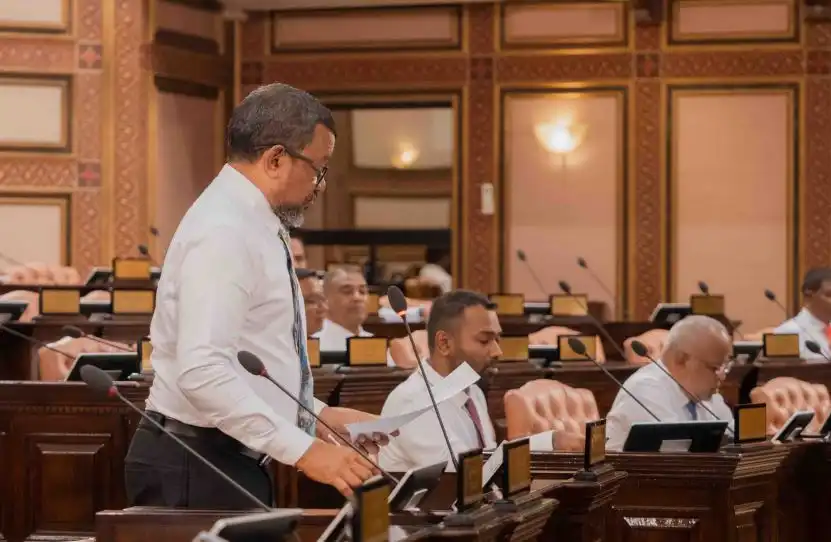
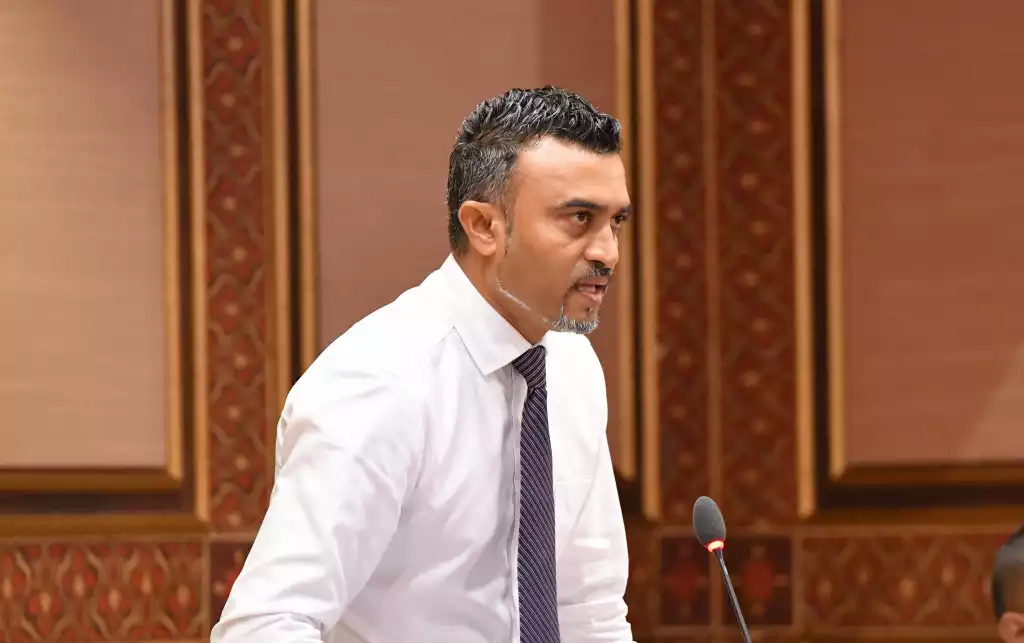
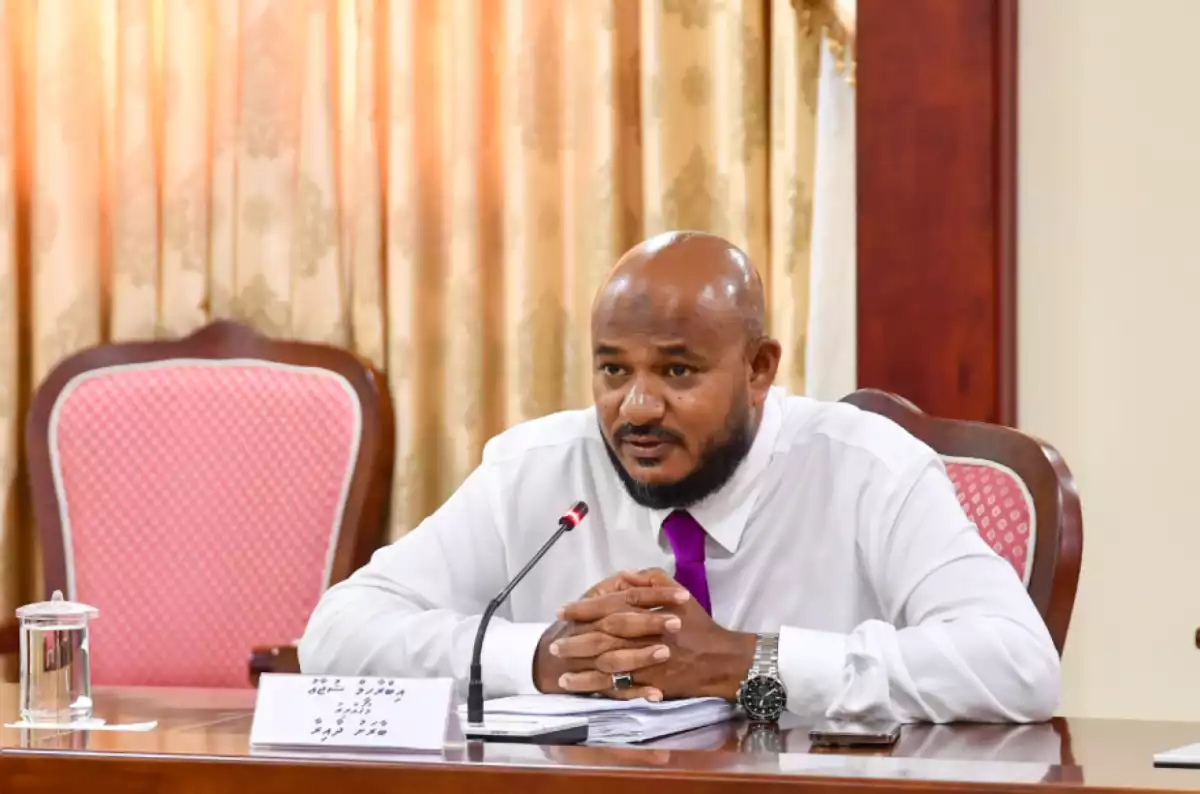
Mohamed Ibrahim (Kudu), Member of Parliament for the North Galolhu constituency. | People's Majlis | People's Majlis
The People’s Majlis has rejected an emergency motion calling on the government to address critical medicine shortages that have reportedly placed numerous lives at risk. The motion sought to bring the issue to the government's attention and initiate a parliamentary debate on the matter.
The emergency motion submitted by Mohamed Ibrahim (Kudoo), the MDP Member of Parliament for the North Galolhu constituency, stated that the National Social Health Insurance Act mandates the establishment of a national health insurance framework. This system is designed to ensure that all Maldivian citizens have convenient access to high-quality basic healthcare services, while also outlining the principles for maintaining and overseeing the system effectively.
The national health insurance scheme, "Aasandha," was launched in 2011 to provide all Maldivian citizens with easy access to essential healthcare services funded by the state. However, the issue highlights that as of this year, the Aasandha services previously available to citizens for doctor consultations and diagnostic tests at hospitals and clinics are increasingly being discontinued.
The emergency motion further highlighted a surge in public grievances regarding the unavailability of prescribed medications and the failure to provide essential life-saving medical supplies. The motion, submitted by MP Kudoo, also emphasized that these shortcomings are visibly placing numerous lives at significant risk.
In this regard, the issue highlights the widely reported death of a six-year-old child with special needs last March, following delays in providing essential medical treatment. It was revealed that the family had been forced to plead with government authorities for eight months, effectively begging for a feeding tube that the state failed to provide.
The emergency motion alleges that these shortages are occurring due to reports that the government has altered the policies of Aasandha and STO to facilitate corruption and illicit enrichment. It further claims that these changes were orchestrated to ensure that medicine and medical supplies are procured exclusively from specific pre-selected parties.
Following the rejection of the emergency motion by the Parliament, Deputy Speaker Ahmed Nazim, who was presiding over the session, stated that the member had failed to substantiate the claims made in the submission. He noted that while the motion alleged the government had amended the policies of the National Social Protection Agency (NSPA) and the State Trading Organization (STO) to facilitate corruption and illicit gains by sourcing medicine and medical supplies from specific parties, the member had not provided any evidence to prove these allegations were factual.
Consequently, the chair has decided not to accept the matter.