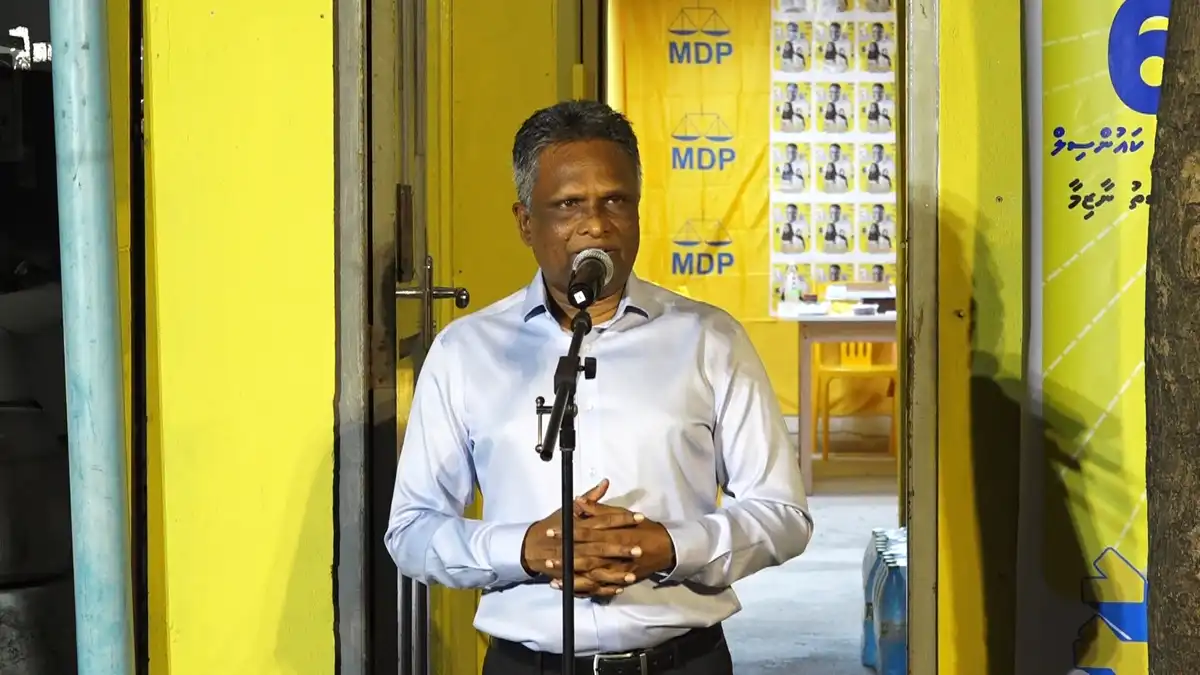
Court Registrar requested proof of something that never occurred; this was noted as being more of a farcical matter than a legal one: Mauroof
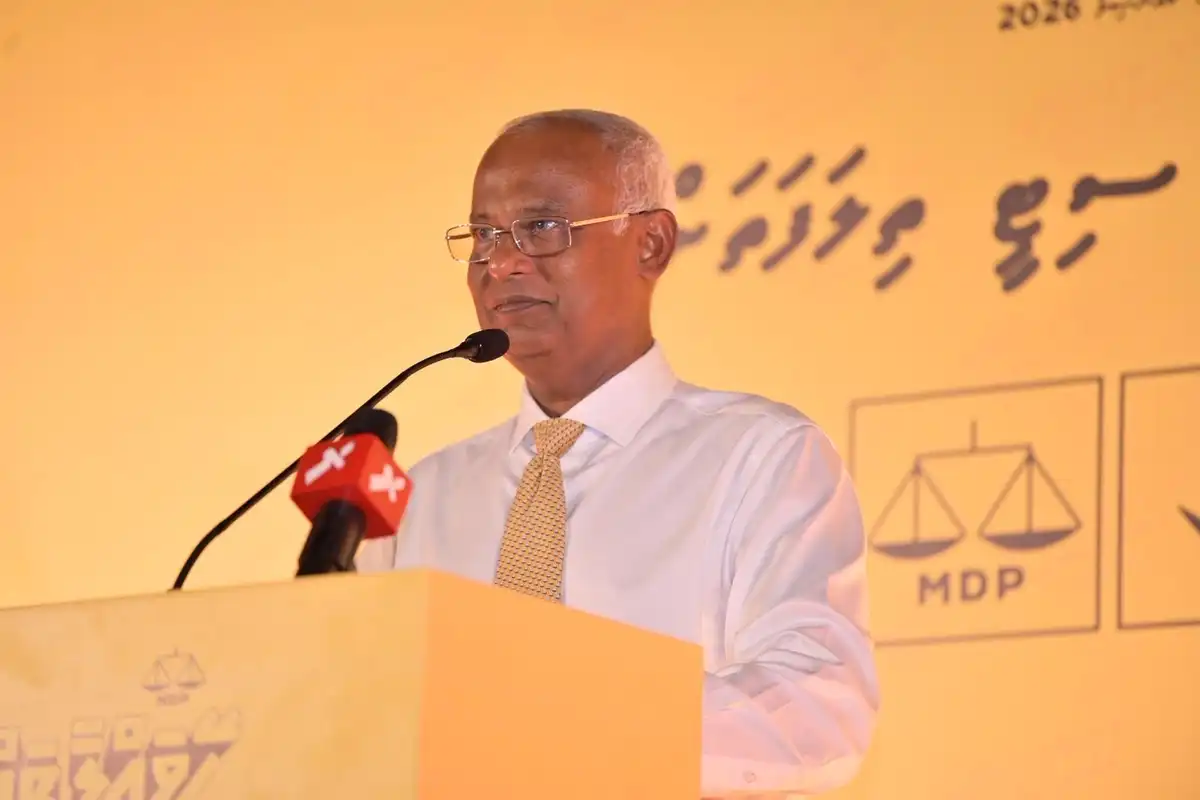
31 މާރިޗު 2026 | އަންގާރަ 19:15The Maldivian Democratic Party (MDP) has expressed serious concern after the Civil Court dismissed their legal challenge against the upcoming referendum on synchronizing elections five consecutive times. While the Supreme Court also rejected the party’s intervention request and ruled that there are no legal impediments to holding the referendum, the MDP alleges that the judiciary has bypassed standard procedures to fast-track the case in alignment with the government's interests.

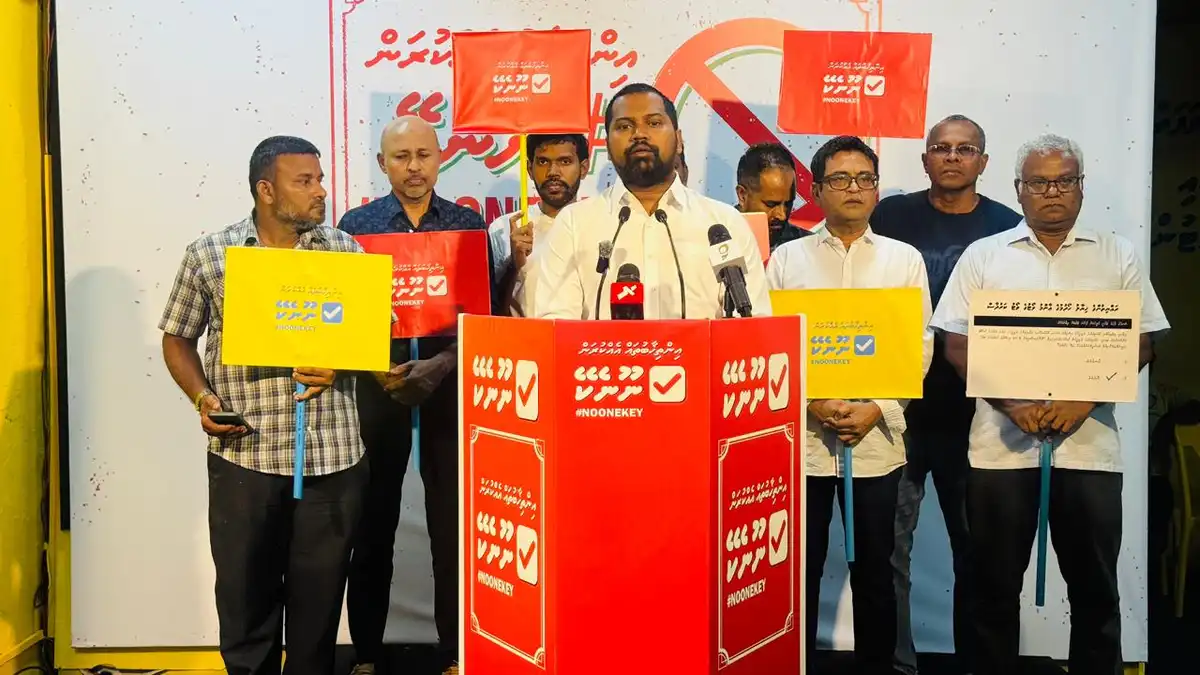
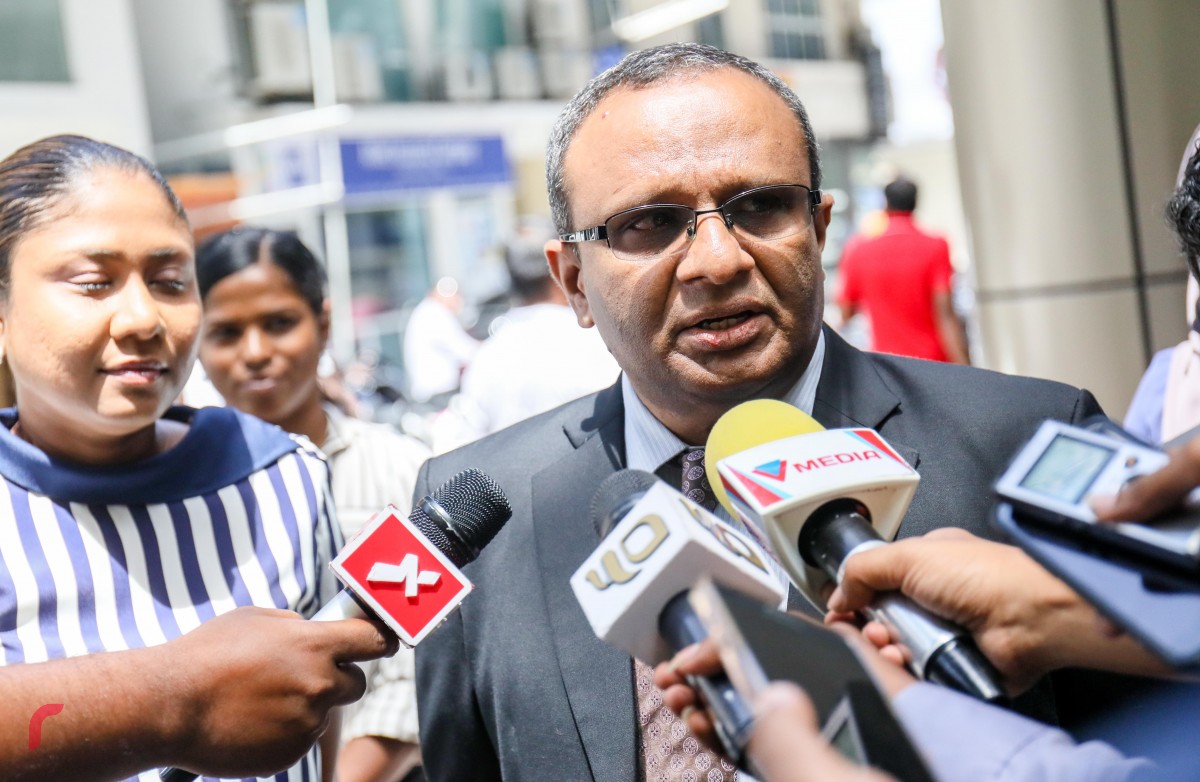
Ahmed Mauroof, Legal Director of the MDP. | RaajjeMV | Raajje MV
The Maldivian Democratic Party’s (MDP) Legal Director, Ahmed Mauroof, has criticized the Civil Court Registrar’s decision regarding the party’s lawsuit against President Dr. Mohamed Muizzu’s decree to hold a referendum on synchronizing presidential and parliamentary elections. Mauroof stated that the Registrar’s request to prove a non-existent event was more of an absurdity than a legitimate legal requirement.
Speaking at an MDP press conference on Tuesday, Mauroof stated that the party has filed a case in Civil Court regarding President Muizzu's decree to hold a referendum on synchronizing presidential and parliamentary elections. He noted that the legal challenge was initiated because the decree fails to meet the requirements stipulated in the Constitution and existing laws.
However, Mauroof stated that despite the court dismissing the case five times, the Registrar ruled that there was no documentary evidence showing any effort had been made to rectify the resolution.
We viewed this matter more as a point of absurdity than a legal issue. It is impossible for anyone to prove something that never occurred. When a presidential decree is issued, there is no specific institution designated to handle such grievances. Furthermore, there is no established legal procedure to challenge or question the legal validity of such a decree. When the executive branch takes an action and its legality is called into question, the court is the proper authority to seek a determination. It was on this basis that the case was submitted to the court.Ahmed Mauroof, Legal Director of the MDP
Mauroof stated that while the Civil Court had dismissed the case on five separate occasions, the MDP also submitted a form to intervene in the Supreme Court case seeking to declare the phrasing of the referendum question unconstitutional. However, Mauroof noted that the application was not accepted.
Mauroof stated that although a judgment was delivered on Tuesday concluding the case, the Supreme Court informed them that the MDP’s application was rejected due to a lack of sufficient time to process it.
However, the Supreme Court scheduled this case without providing adequate notice. The hearing was announced just one day before it was set to take place. Despite the short notice, the MDP submitted its intervention form within an hour of the announcement. Since this case concerns a public referendum directly sought by President Muizzu, the proceedings were conducted with unusual haste, deviating from standard court procedures. By scheduling the case one day and holding the hearing the next, it appears the court intended to expedite a ruling to validate the legitimacy of the vote.Ahmed Mauroof, Legal Director of the MDP
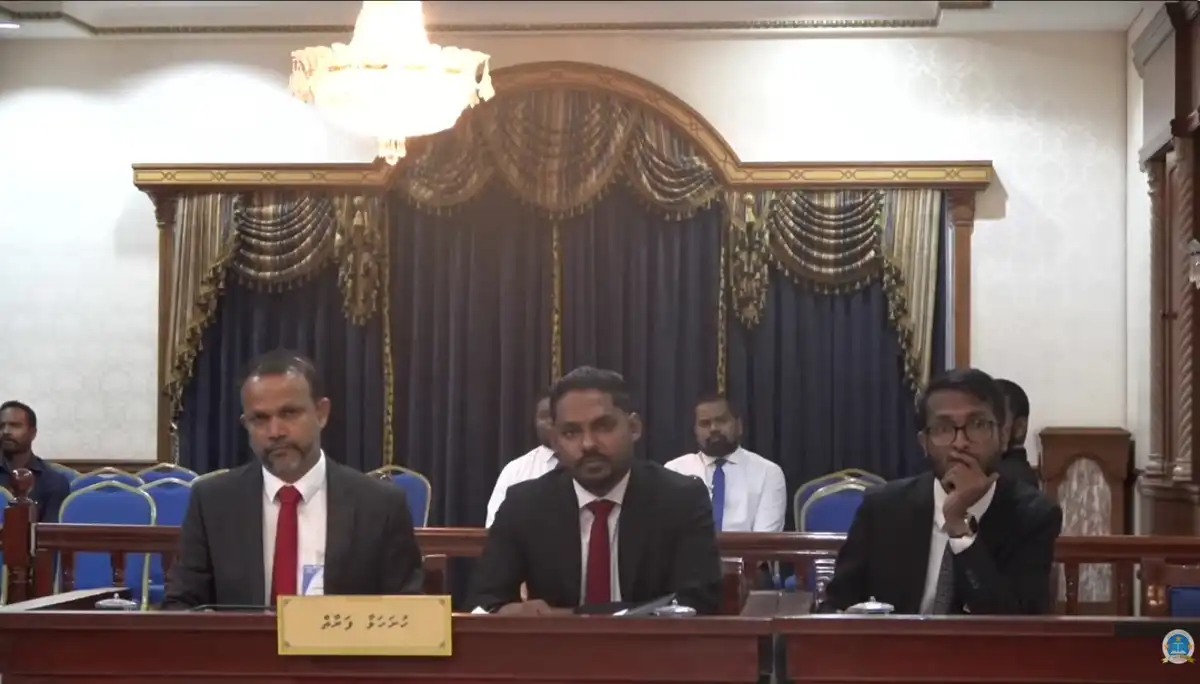
The Supreme Court has ruled in favor of the government in a case seeking to declare the phrasing of the referendum question unconstitutional.
The case was submitted to the Supreme Court by legal counsels Ibrahim Shiyam and Aik Ahmed Easa. The lawsuit was filed against the President's Office, the Attorney General's Office, and the Elections Commission.
The Chief Justice stated that the ratification of the bill proposing the 8th amendment to the Constitution would inevitably result in a change to the current parliamentary term. He further noted that the public's consent must be obtained for the bill in its entirety. Consequently, he expressed that he does not view it as problematic for the President to seek the people's approval on the complete legislative package.
Consequently, the judge stated that there is no legal basis to determine that the referendum should not be held.
The other presiding judges also concurred with the Chief Justice's opinion.