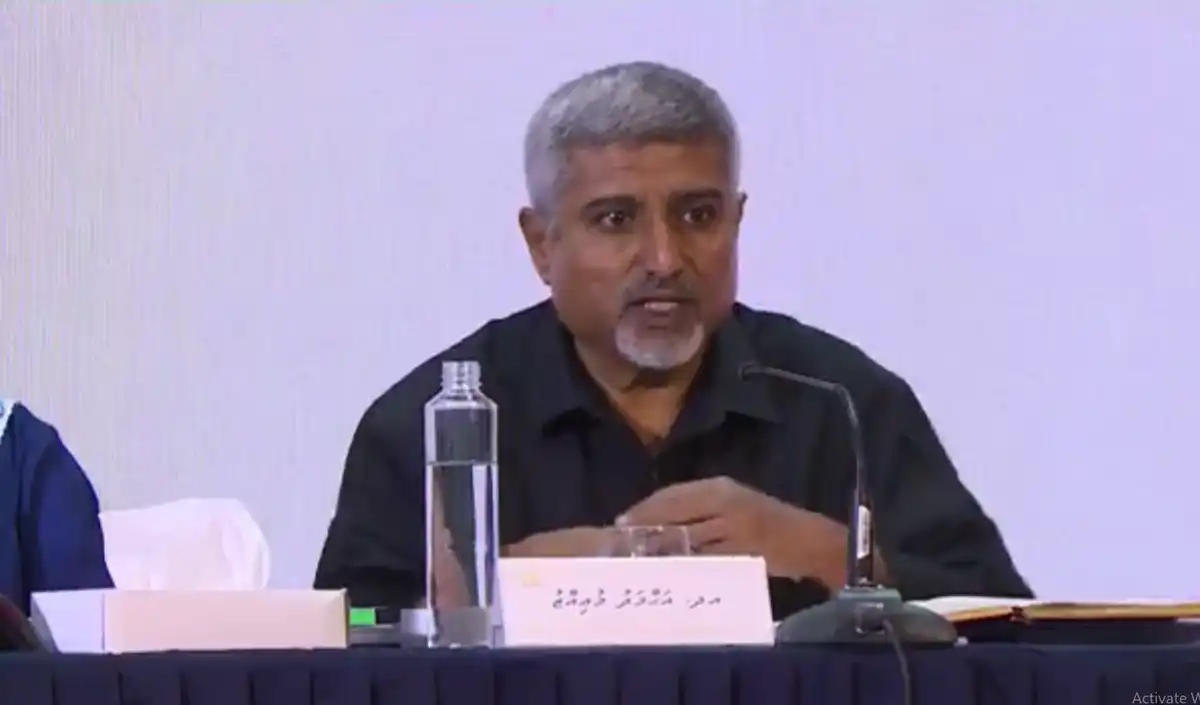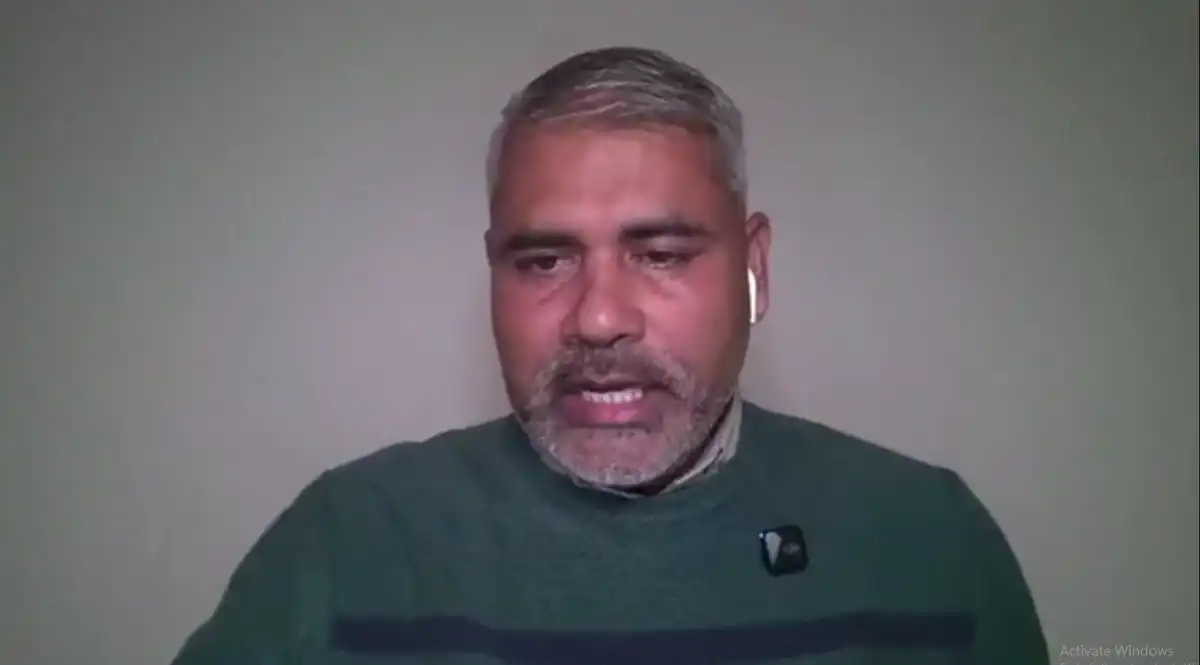
Supreme Court rules referendum question valid, declares vote cannot be halted!
31 މާރިޗު 2026 | އަންގާރަ 09:04The legal challenge contends that the proposed question was not formulated in accordance with the mandatory principles stipulated under Article 262(b) of the Constitution.

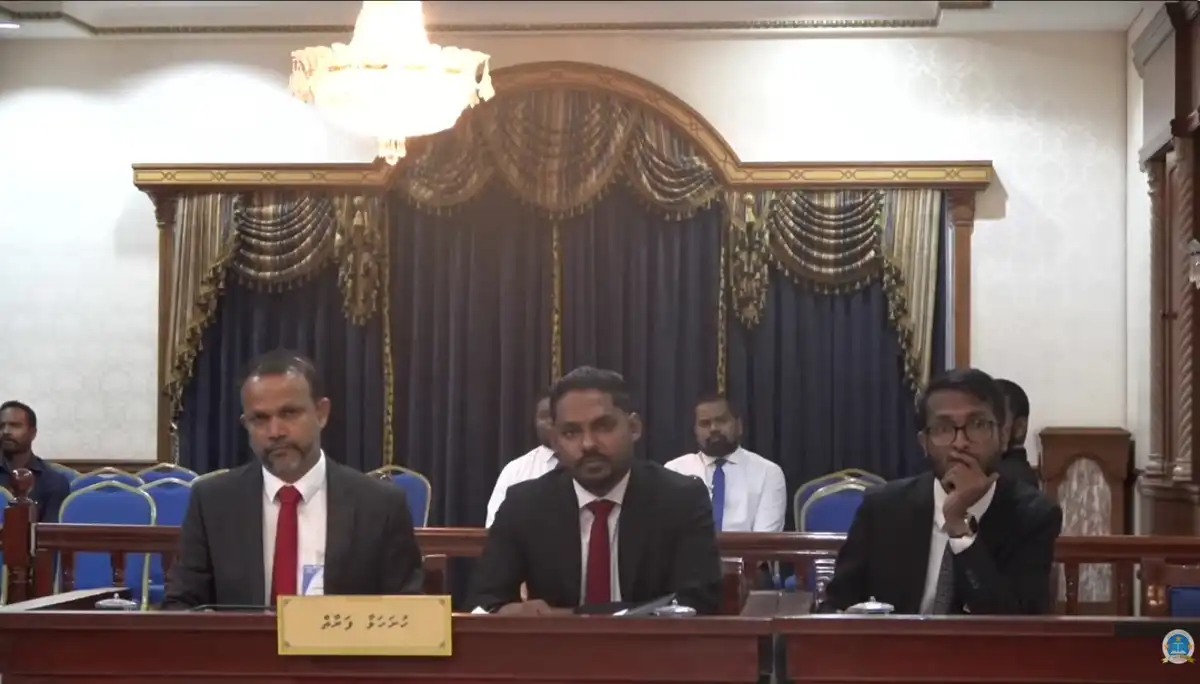
The case seeking to block the referendum. | RaajjeMV | Raajje MV
The Supreme Court has ruled in favor of the government in a case seeking to declare the phrasing of the referendum question unconstitutional.
The case was filed in the Supreme Court by legal counsels Ibrahim Shiyam and Aik Ahmed Easa. The lawsuit names the President's Office, the Attorney General's Office, and the Elections Commission as respondents.
The hearings for this case were conducted last Thursday. During the session, the judges noted that unless further clarification is required, the next stage of the proceedings will be the delivery of the verdict.
The sentencing hearing for this case was held on Tuesday.
The petition filed with the Supreme Court seeks a ruling to halt the public referendum scheduled for April 4, 2026. The petitioner argues that the referendum question was not framed in accordance with the mandatory principles stipulated under Article 262(b) of the Constitution, and therefore, the vote should not proceed based on that specific phrasing.
The Supreme Court bench presiding over this case consists of Chief Justice Ahmed Muthasim Adnan, Justice Ali Rasheed Hussain, Justice Dr. Mohamed Ibrahim, Justice Hussain Shaheed, and Justice Abdulla Hameed.
Delivering the verdict on the matter, the Chief Justice stated that there are specific circumstances where holding a referendum is mandatory, as well as situations where it remains discretionary. He further noted that in both instances, the President is required to issue a decree, and the essential elements that must be included in such a decree are stipulated in Section 8 of the Referendum Act.
The Chief Justice stated that the legal text indicates referendum questions can be designed to include more than one issue for public consultation.
The Chief Justice noted that while looking at the original intent of the framers is advisable when the wording of the Constitution is ambiguous, it is not the sole source of interpretation in such instances. He further stated that judges must also prioritize fundamental constitutional principles, such as the separation of powers and the protection of the basic rights of citizens.
The Chief Justice stated that the ratification of the bill proposing the 8th amendment to the Constitution will definitively result in a change to the current parliamentary term. He further noted that the public must consent to the bill in its entirety. Consequently, he expressed that he does not view it as problematic for the President to seek the people's approval regarding their support for the complete bill.
Consequently, the judge stated that there is no legal basis to determine that the referendum should not be held.
The other presiding judges also concurred with the Chief Justice's opinion.