Legal challenge seeking to nullify the referendum bill dismissed
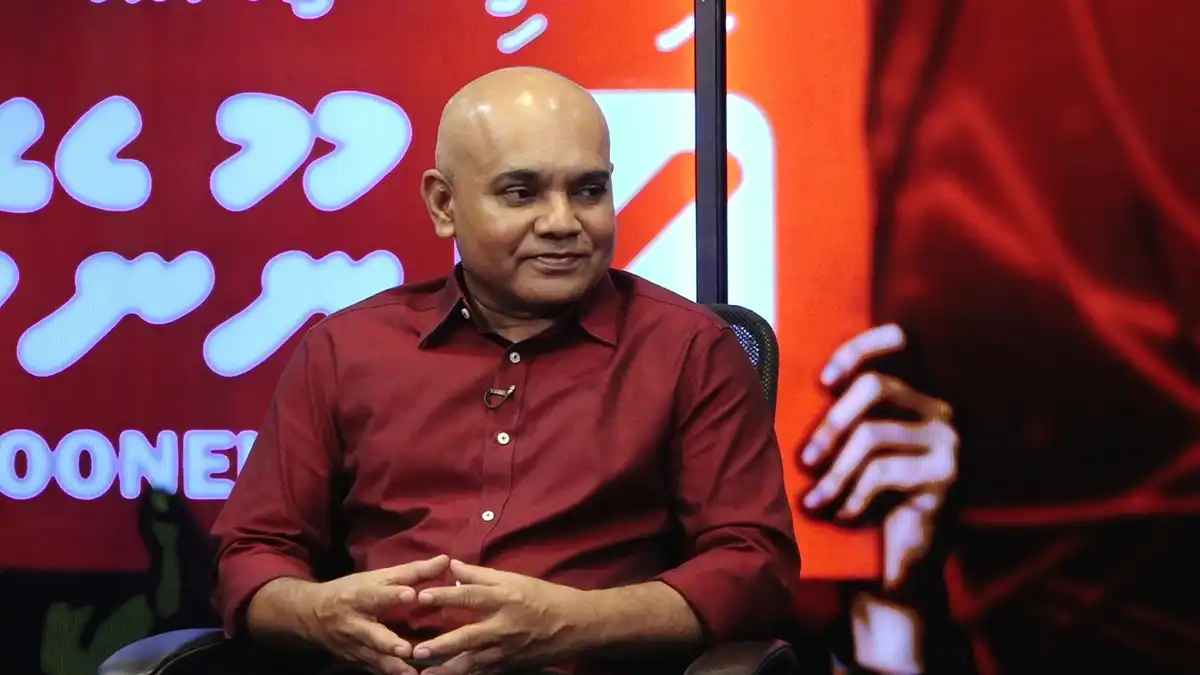
25 މާރިޗު 2026 | ބުދަ 10:35Former Supreme Court Justice Husnu Al Suood stated in a post on X that the core issue of the lawsuit pertains to the invalidation of a bill after a decision was not reached within 15 days on a matter requiring a public referendum; he further criticized the Supreme Court for issuing a ruling on the case without conducting a formal hearing.

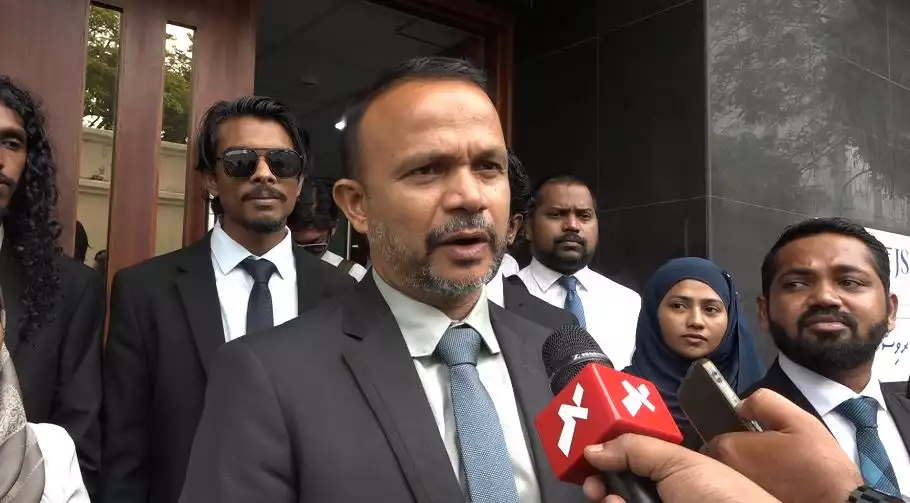
Attorney-at-Law Ali Hussain. | RaajjeMV | RaajjeMV
The Supreme Court has dismissed a case seeking to invalidate a bill concerning a referendum on holding presidential and parliamentary elections concurrently. The petition argued that the bill should be declared void as the statutory period for presidential assent had already expired.
The legal challenge filed by attorney Ali Hussain contends that the ratification of the constitutional amendments violated the timeframe stipulated under Article 262 of the Constitution. Specifically, the case notes that the amendments were forwarded to the President's Office for ratification on February 11.
Article 262 of the Constitution stipulates a 15-day period for the ratification of constitutional amendments following their passage. Ali Hussain noted that even when including public holidays in the count, this deadline has now expired.
He stated that the bill is now void and, therefore, no vote can be taken on a piece of legislation that is legally invalid. This reflects the same position he has sought in the case filed with the Supreme Court.
However, Supreme Court Registrar Raufa Haidhar decided on Wednesday not to accept the case.
The Registrar's ruling stated that upon receiving the bill for the 8th Amendment to the Constitution for ratification, the President is required to notify Parliament within 15 days if he decides not to ratify it. The ruling further noted that the bill contains amendments of the nature specified in Article 262(b) of the Constitution.
Therefore, the Registrar stated that despite the petitioner's claim that the bill is void, the procedures outlined in Article 264 of the Constitution regarding the 8th Amendment Bill would only be applicable if the President had declined to ratify the bill.
Consequently, as the submitted documentation does not indicate that the President has declined to assent to the bill, it has been determined that the case cannot be accepted based on the grounds currently presented.
In a post shared on X regarding the matter, former Supreme Court Justice Husnu Al Suood stated that the core of the lawsuit was the invalidation of the bill due to a failure to reach a decision within 15 days on a matter requiring a public referendum. He further noted that the Supreme Court has now effectively delivered a judgment without even conducting a hearing for the case.
Justice Suood also questioned whether it is not a mistake to deliver a verdict without first hearing the testimony of the claimant.